
Marketing has changed faster in the last five years than it did in the last fifty. Attention spans have shortened, ads have become background noise, and even the best product features no longer guarantee loyalty. In this chaotic, noisy landscape, one strategy is outperforming everything else. Tribal Marketing, a framework where brands grow not by selling products, but by creating identity-driven communities that people want to belong to.
In a world where consumers have endless choices, the only thing that truly differentiates a brand is the tribe it leads. From fitness communities to gaming fandoms to minimalist lifestyle brands, the biggest winners today are not the companies with the best technology, but the brands that give people a sense of belonging. According to Edelman’s Trust Barometer, 62% of consumers buy from brands that mirror their beliefs, and 74% want brands to contribute to communities they identify with. That’s why tribal marketing is no longer an optional strategy, it’s the backbone of modern brand loyalty.
This blog breaks down the psychology, strategy, and real-world playbook behind tribal marketing and how you can use it to transform casual followers into passionate fans.
What Is Tribal Marketing?
Tribal marketing is a growth strategy where brands build emotional communities “tribes” around shared identities, beliefs, or lifestyles. Instead of focusing on demographics or customer segments, tribal marketing focuses on:
- shared motivations
- cultural alignment
- emotional belonging
- group identity
- symbolic expression
A tribe forms when customers connect not only with your brand, but with each other. The product becomes a tool; the tribe becomes the identity.
The heart of tribal marketing lies in a simple truth:
People don’t want more brands. They want meaning, belonging, and connection. Brands that create these win.
The Shift From Products to Identity: Why Tribes Matter More Than Ever
We are living in an identity-driven economy. Products are generic, features are easy to copy, and price wars are a race to the bottom. What people truly crave is meaning and meaning comes from belonging. Tribal marketing works because it taps into three deeply human desires:
- The desire to be understood
- The desire to be part of something
- The desire for status and shared meaning
When a brand becomes more than a transaction, when it becomes a part of someone’s identity, the loyalty becomes emotional, not logical. This is why brands with strong tribes enjoy dramatically higher retention and advocacy. Harvard Business Review reports that emotionally connected customers are 52% more valuable than satisfied customers.
That is the difference between someone buying your product… and someone defending your brand online like it’s their home team.
Understanding Tribal Marketing: A Human-Centered Approach to Branding
Tribal marketing isn’t about creating a demographic segment; it’s about cultivating a shared identity. A “tribe” forms around people who believe the same thing, want the same outcome, or live the same lifestyle. The brand becomes a symbol that unites them.
For example, Crocs didn’t grow because of comfort alone. They built a tribe of creative, self-expressive individuals who embraced weirdness. Their viral rise wasn’t a footwear story; it was an identity story. Similarly, Liquid Death didn’t become a billion-dollar brand because water in tall cans is innovative. They built a tribe around anti-corporate humor, rebellion, and extreme-sport culture.
A tribe is powerful because people don’t just consume the product, they carry the brand’s meaning into the world.
How Tribes Form Around Brands
A brand tribe emerges naturally when three elements align:
1. A Shared Belief System
People rally around a worldview. E.g., minimalism, sustainability, ambition, creativity, rebellion, inclusivity.
2. A Cultural Symbol
This could be a product, a phrase, a logo, a style, a color even a meme.
Think: Patagonia fleece, Apple icons, Lululemon tote bags.
3. A Sense of Belonging
Community platforms, meetups, events, social media groups, brand rituals. These bind the tribe together.
Identity → Symbol → Community → Loyalty → Advocacy
That’s the tribe loop.
The Psychology Behind Tribal Loyalty
At the core of every tribe is psychology. Consumers want to feel seen. They want to belong to something bigger than themselves. This is why tribal marketing relies heavily on identity, storytelling, and ritual.
People join tribes because:
Tribes offer emotional security
They provide connection in a digital world where loneliness is rising.
Tribes create social identity
People define themselves through affiliation. “I’m a Nike person,” “I’m a Tesla person.”
Tribes create ritual and shared meaning
Whether it’s Starbucks holiday cups or gaming communities’ seasonal drops, shared rituals build belonging.
Tribes create status
Being part of an exclusive group, even symbolically, provides social currency.
This is why tribal brands gain organic growth without relying heavily on ads, members naturally amplify the message.
The Origin Story: How a Tribe Begins
Every strong tribe begins with a story, a belief, a mission, a “why” that people resonate with. The story doesn’t need to be perfect; it just needs to be real and human.
A great origin story creates common language, shared values, and emotional hooks.
Think of Patagonia:
They didn’t just sell outdoor wear; they built a tribe around environmental activism and ethical consumption. Their tribe believes in fighting climate change and Patagonia became the badge of that identity.
The origin story communicates:
“This is who we are, this is what we stand for, and this is what people like us do.”
Once people believe in the story, they start to behave like a tribe automatically.
Shared Language and Symbols: What Turns a Customer Into a Tribal Member
Every strong tribe speaks its own language.
Think about Apple fans saying things like “ecosystem,” “clean design,” “seamless experience.” Or gym communities using words like “macros,” “cuts,” “bulking.” Or gamers talking about “XP,” “meta,” or “nerfing.”
Language creates inclusivity and subtle exclusivity.
If you know the language, you feel like you belong. It also makes communication faster and strengthens internal bonds.
Symbols matter too. Logos, colors, icons, mascots, even memes. A symbol becomes the badge of membership.
When a customer uses your language or wears your symbol, they’ve crossed from buyer → believer.
How Social Media Turned Tribes Into Growth Engines
Social platforms amplify tribal behavior because they create a digital “village” where people gather, share, repost, and perform identity.
Modern tribes grow through:
- Inside jokes
- Memes
- Shared values
- Hashtag communities
- Narratives
- Aesthetic preferences
- Micro-cultures formed by creators
This is why fandoms, gaming communities, and lifestyle brands dominate online. Tribes thrive in public spaces, social media made that global.
According to Sprout Social, 71% of consumers will buy from a brand that “actively builds community.” Tribal marketing isn’t just effective; it’s expected.
The Role of Leaders: Why Every Tribe Needs a Face
Tribes rarely emerge without leadership. This doesn’t always mean a celebrity founder. It means a clear, visible, relatable identity at the center. Humans follow humans, not logos.
For example:
- Steve Jobs wasn’t just Apple’s CEO. He was the Apple tribe.
- Glossier’s Emily Weiss built a global beauty tribe through relatability and community-driven products.
- MrBeast turned his audience into a tribe by making fans part of the story.
A tribal leader embodies the mission and sets the tone. When done right, the community becomes loyal to the leader’s values, not just the brand.
Case Studies: When Tribal Marketing Creates Movements
Before diving into the case studies, it’s important to understand that tribal marketing is not theoretical. It’s happening right now across industries. Some brands have gone from obscure to iconic purely by giving people something to belong to. The following two examples show how identity-driven tribes transformed companies into cultural movements.
Case Study 1: Harley-Davidson — Turning Lifestyle Into Identity
Harley-Davidson isn’t selling motorcycles. They’re selling rebellion, freedom, and brotherhood. Their tribe didn’t form around machines; it formed around identity.
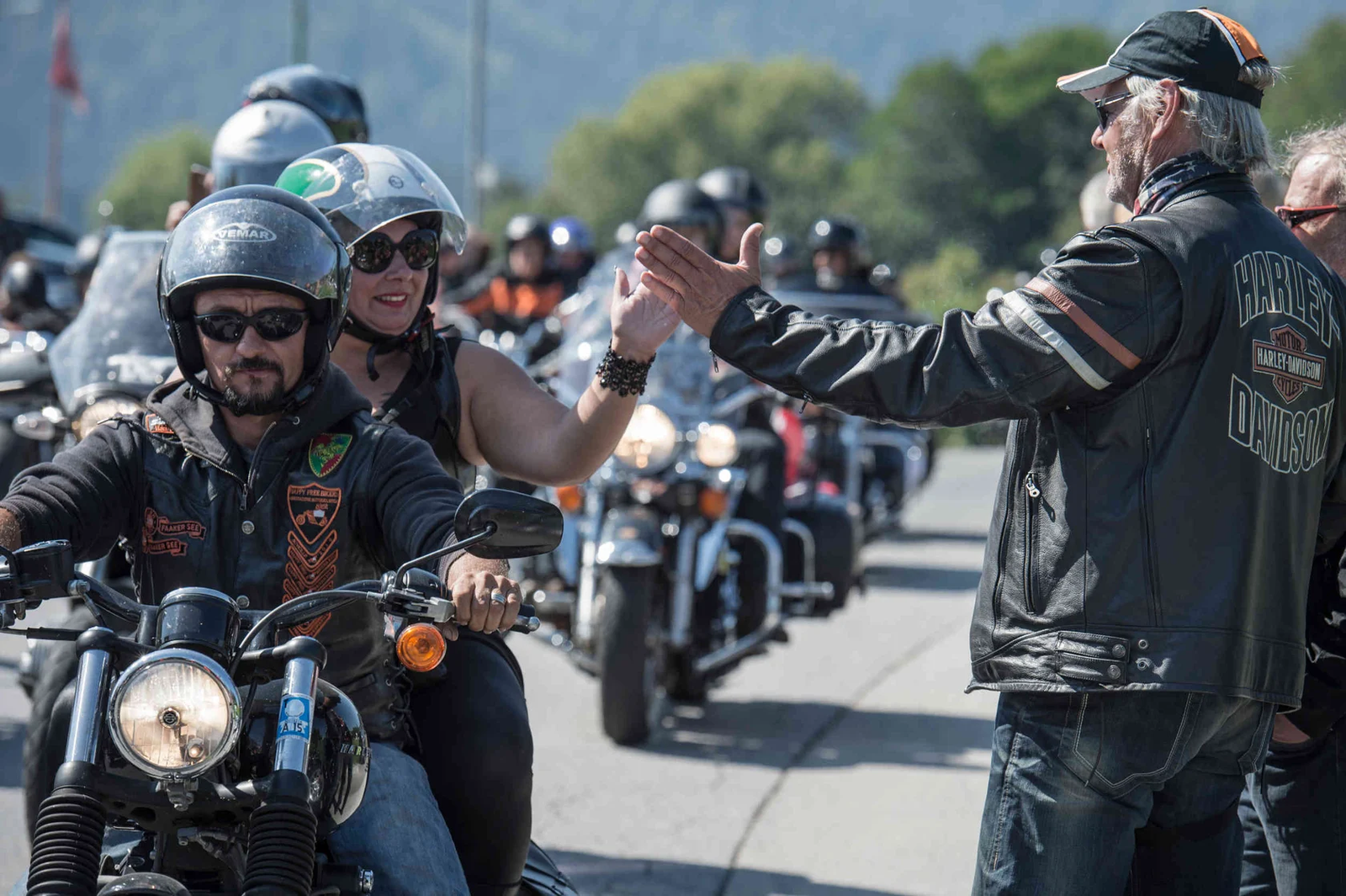
Harley riders share rituals: annual rallies, leather jackets, emblem patches. They use coded language. They recognize each other on the road.
This identity is so strong that Harley owners tattoo the logo on their bodies, the ultimate sign of tribal belonging.
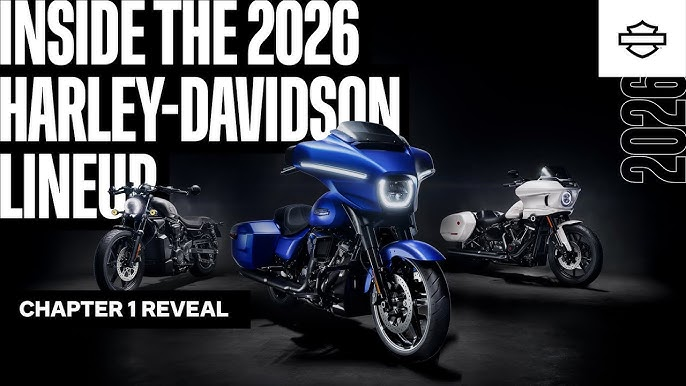
Even when younger customers shifted away from traditional bikes, Harley didn’t lose its core tribe because the identity was stronger than the product. This emotional attachment turned Harley into one of the most culturally enduring brands in America.
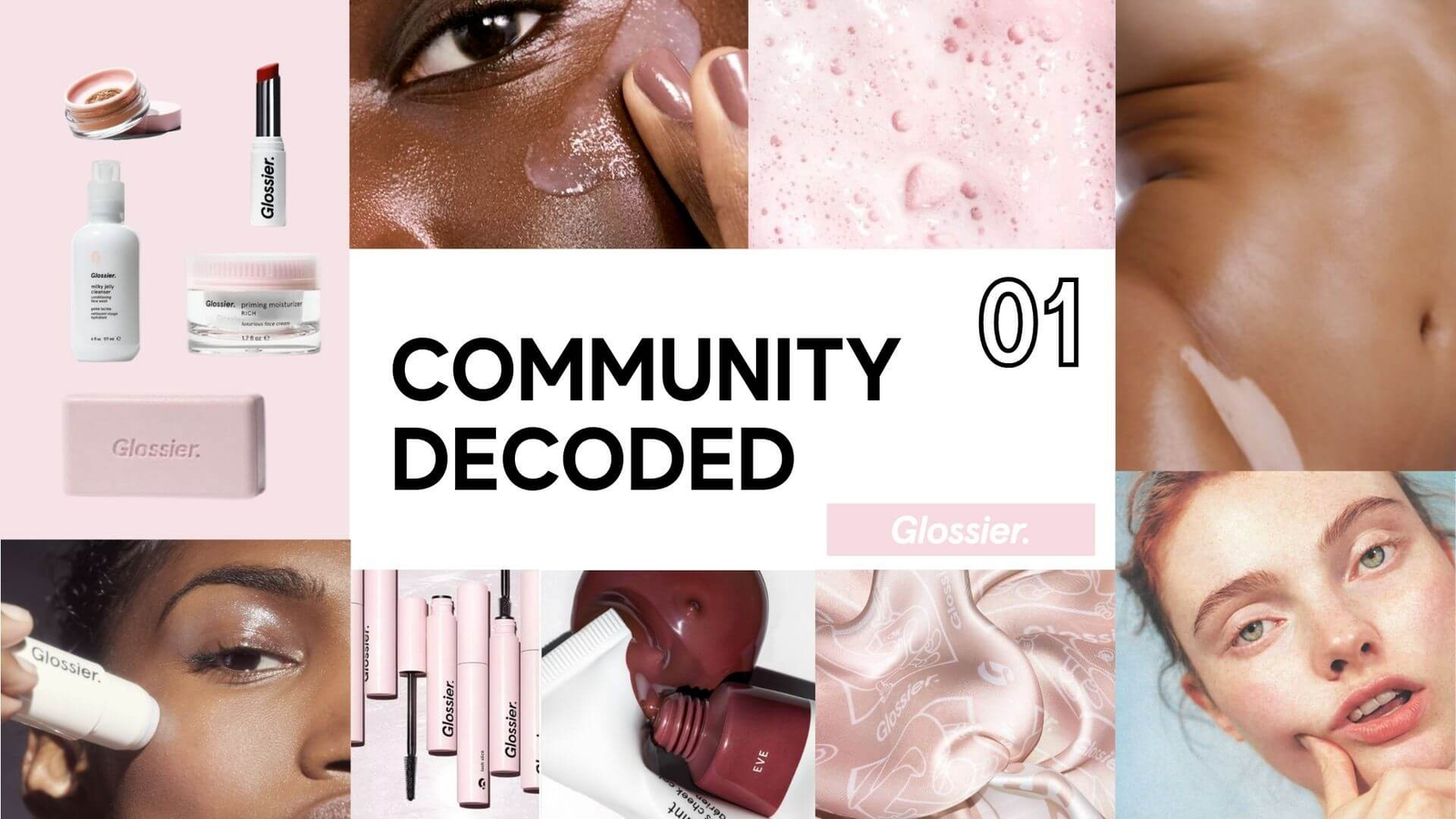
Case Study 2: Glossier — A Beauty Brand Built Entirely By Its Tribe
Glossier disrupted the beauty industry by putting community at the center. Instead of selling makeup, they sold a lifestyle: minimalism, natural beauty, self-confidence. The Glossier tribe lived on Instagram and Reddit long before the brand scaled.

Emily Weiss turned everyday users into product collaborators. Fans shared routines, aesthetic photos, and “shelfies.” This created a sense of co-ownership.
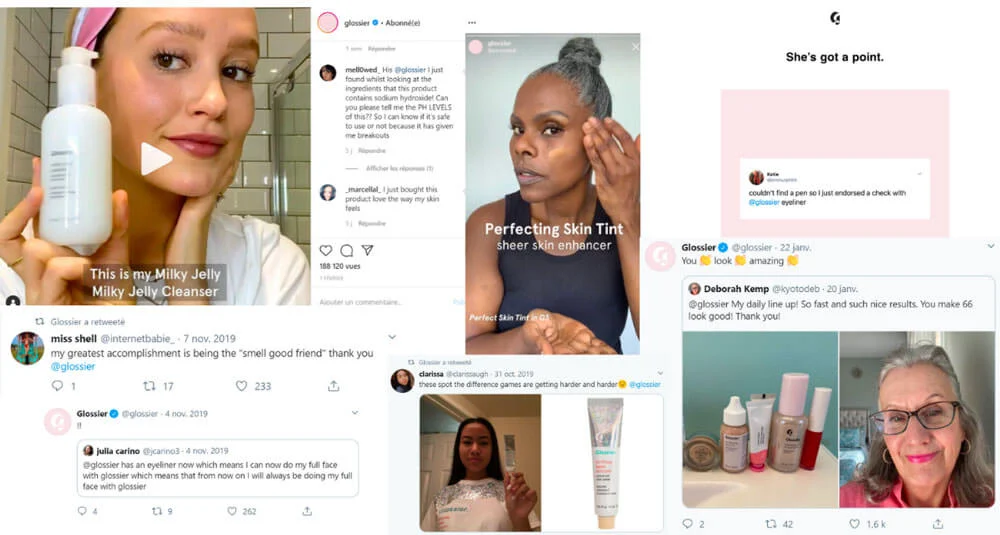
At its peak, 80% of Glossier’s growth was community-driven, not ad-driven.

Customers weren’t just buying skincare; they were buying membership into a modern beauty tribe.
How Modern Brands Can Build Their Tribe in 2026 and Beyond
To build a tribe, a brand must shift from selling to connecting. People don’t join tribes because of discounts or features; they join because the brand amplifies their identity.
A tribe grows when:
- The brand’s story feels personal
- The community sees itself in the mission
- Fans feel heard, seen, and appreciated
- Content reflects shared values
- There are rituals people repeat together
A tribe becomes self-sustaining when members begin interacting with each other more than with the brand itself.
This is the inflection point where marketing becomes community-led growth.
Why Tribal Marketing Outperforms Traditional Branding
Traditional branding says: “Here’s our product, and here’s why it’s great.”
Tribal marketing says: “Here’s who we are, and here’s why you belong with us.”
This shift creates:
- Higher retention
- Higher customer lifetime value
- Better organic growth
- Lower customer acquisition cost
- Emotional loyalty that survives competition
A tribe won’t leave you for a cheaper option because identity isn’t interchangeable.
The Business Case: Why Tribal Brands Scale Faster
A strong tribe becomes a built-in distribution system. When people are emotionally aligned with a brand, they share it naturally not because of incentives, but because it feels like part of who they are.
According to Nielsen, 92% of consumers trust recommendations from their community more than ads. This is why tribes turn brands into movements: the marketing spreads horizontally through relationships, not vertically through campaigns.
A tribe is not just good branding, it’s a competitive advantage.
Final Thoughts: Build A Brand People Want To Belong To
The future of business doesn’t belong to the loudest brands. It belongs to the ones with the strongest tribes. When people feel connected to your mission, your story, and your values, they don’t just buy from you… they advocate for you, protect you, and proudly represent you.
Tribal marketing isn’t a hack. It’s a commitment to leading a community through identity, connection, and meaning.
Your brand doesn’t need millions of followers.
It needs a tribe that believes in you, speaks for you, and grows with you.
If you want help building a brand that people proudly identify with Digibble is here to help you build your tribe, one loyal fan at a time!
FAQs
Is tribal marketing the same as community building?
Not exactly. Community building is one element, but tribal marketing focuses on shared identity, rituals, and emotional connection.
Can small businesses build tribes?
Absolutely. Tribes are built around meaning, not budget. Small brands often do it better because they feel more human.
Is tribal marketing only for lifestyle brands?
No. SaaS, personal brands, creators, and even B2B companies can build tribes around shared beliefs and missions.
How long does it take to build a tribe?
Usually 6 – 24 months depending on consistency, content, and mission clarity.
Can tribes exist without a founder personality?
Yes, but founder-led tribes grow faster because people follow people.
Does tribal marketing work in saturated markets?
It works especially well in saturated markets because identity is harder to copy than features.
What is the biggest mistake brands make?
Trying to appeal to everyone instead of defining who the tribe is not for.
Are tribes long-term sustainable?
Yes. Strong tribes can last for decades, even generations, as long as their identity stays relevant.