
For decades, marketing followed a simple formula: interrupt people long enough to earn their attention.
Television commercials cut into your favorite shows. Pop-up ads blocked the content you wanted to read. Cold emails filled your inbox. Billboards competed for a few seconds of your attention during your daily commute. Brands paid for visibility because they believed attention could be bought.
Then something changed. Consumers became better at ignoring marketing than marketers became at creating it.
Ad blockers became common. Email open rates declined. Social media algorithms became unpredictable. People stopped trusting polished advertisements and started trusting recommendations, creators, communities, and authentic experiences instead.
Today’s consumers don’t want to be interrupted. They want to be informed, entertained, educated, or inspired. That’s where permissionless marketing comes in. Instead of asking for someone’s attention through paid channels or waiting for permission to communicate, permissionless marketing creates value so compelling that people willingly find, follow, and share your brand. It shifts the focus from renting attention to earning it.
In 2026, this isn’t just another marketing trend. It’s becoming one of the most sustainable ways to build long-term business growth.
What Is Permissionless Marketing?
Permissionless marketing is a strategy where businesses attract audiences through publicly accessible, valuable content instead of relying primarily on advertising, purchased lists, or direct outreach. The concept may sound contradictory at first. If it’s “permissionless,” how does it respect the audience?
The answer lies in intent.
You’re not forcing your message into someone’s day. You’re making useful information available where people are already searching for answers. Whether it’s a blog post, a LinkedIn article, a YouTube tutorial, a podcast episode, or an insightful social media post, the audience chooses to engage because the content solves a problem they already have.
The interaction begins on the customer’s terms, not yours.
The Shift from Renting Attention to Owning It
Traditional marketing often depends on renting someone else’s audience. Every Google ad, Facebook campaign, sponsored newsletter, or influencer collaboration involves paying for temporary access to potential customers. The moment you stop paying, visibility often disappears. Permissionless marketing works differently.
Instead of paying repeatedly for attention, you invest in assets that continue working long after they’re published. These include:
- Educational blog posts
- Search engine optimized content
- Industry newsletters
- Podcasts
- Videos
- Case studies
- Community discussions
- Open-source resources
- Templates and guides
Each piece becomes a digital asset capable of attracting new audiences months or even years after publication.
This is why businesses with strong content ecosystems often experience compounding growth.
Why Permissionless Marketing Matters More Than Ever
Digital marketing has become significantly more expensive over the past few years.
Customer acquisition costs continue to rise across major advertising platforms. Privacy regulations have limited tracking capabilities. Organic reach on social media has become increasingly competitive.
Businesses can no longer rely solely on paid campaigns.
Permissionless marketing addresses this challenge by building trust before asking for a sale.
Instead of beginning the customer journey with:
“Buy our product.”
It begins with:
“Here’s something useful that makes your work easier.“
That simple difference changes the relationship entirely. Customers don’t feel marketed to. They feel helped.
The Psychology Behind Permissionless Marketing
People naturally resist being sold to. Psychologists often refer to this as psychological reactance, our tendency to push back when we feel someone is trying to control our decisions. Permissionless marketing reduces that resistance because it removes pressure. Rather than making demands, it offers solutions.
A startup publishing practical hiring advice attracts founders looking for talent. A cybersecurity company explaining phishing attacks earns credibility before offering security software.
A design agency sharing branding insights demonstrates expertise without explicitly promoting its services.
Trust develops naturally because value comes first.
Real-World Examples of Permissionless Marketing
Many of today’s fastest-growing companies have embraced this approach.
HubSpot
Before becoming a global CRM platform, HubSpot built one of the internet’s largest educational libraries around inbound marketing.
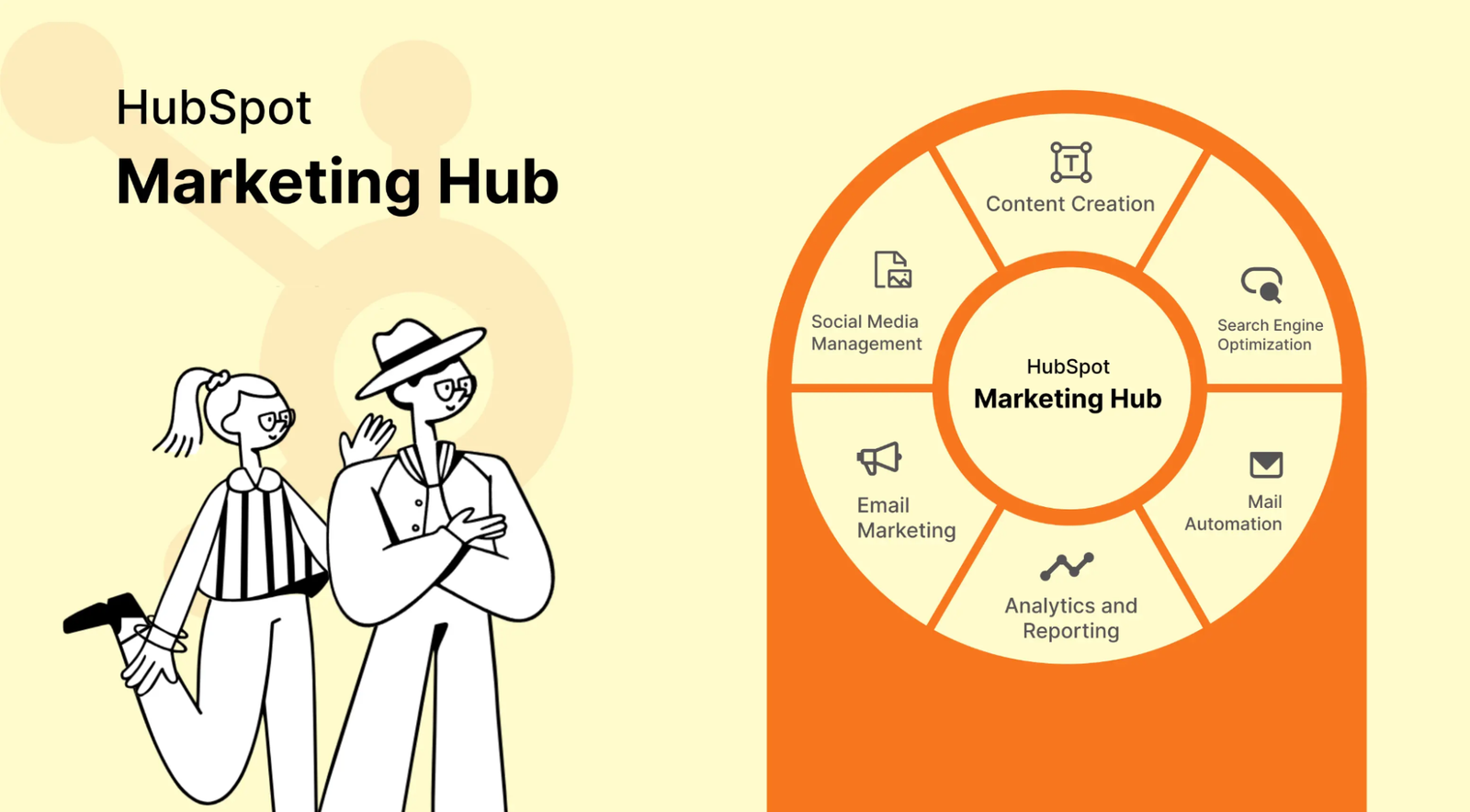
Millions of marketers discovered the company through helpful blogs, templates, free certifications, and research reports long before becoming customers.
The content became the acquisition channel.
Notion
Notion invested heavily in community rather than traditional advertising.
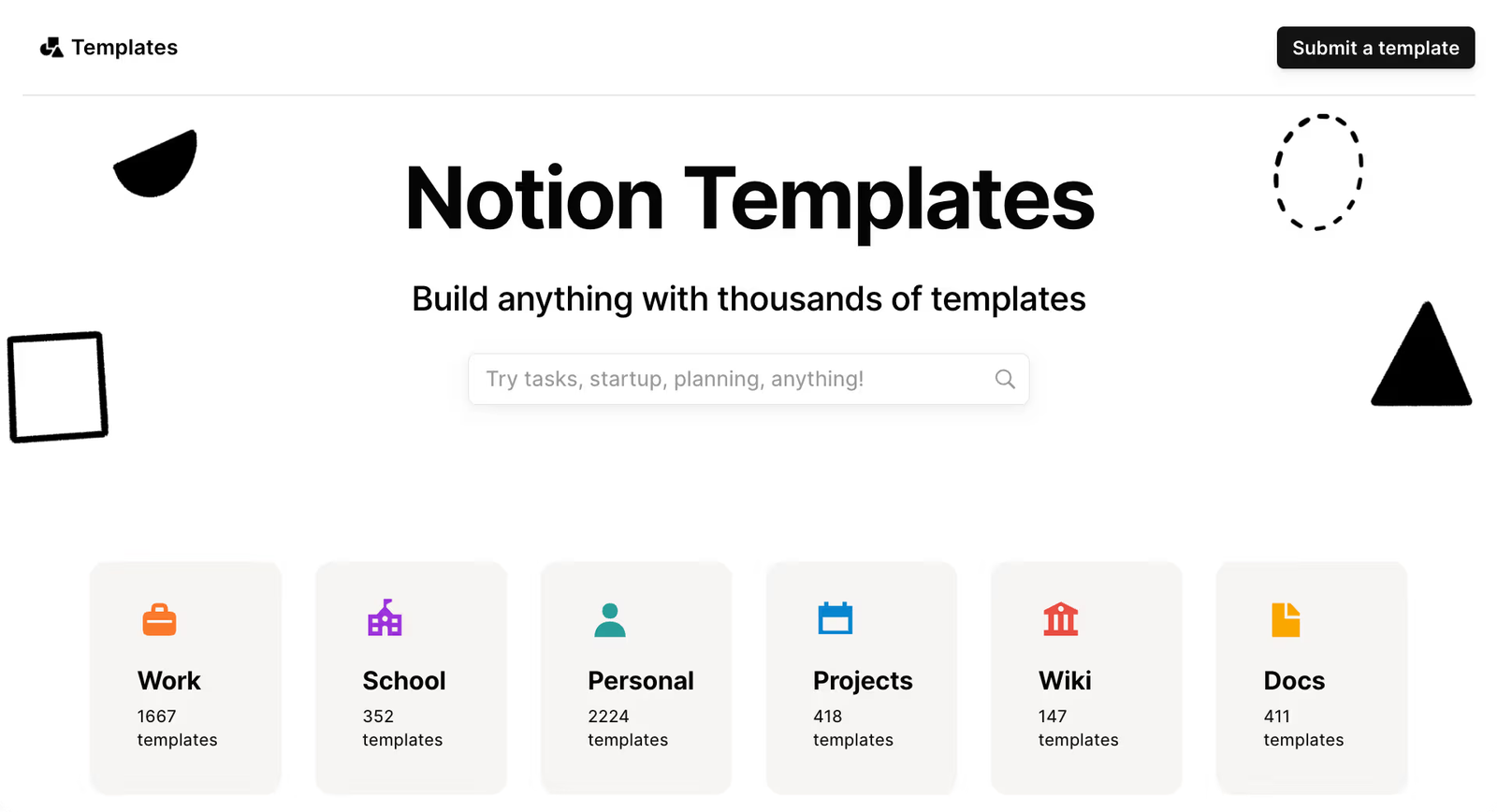
Users voluntarily shared templates, workflows, tutorials, and productivity systems across YouTube, Reddit, LinkedIn, and personal blogs.
The community marketed the product better than paid campaigns ever could.
Duolingo
Instead of promoting language lessons through conventional advertising, Duolingo transformed its mascot into a recognizable internet personality.
Entertaining social content generated conversations that extended far beyond language learning.
People shared the content because it was enjoyable, not because it was promotional.
The Building Blocks of Permissionless Marketing
Successful permissionless marketing isn’t about creating more content. It’s about creating useful content consistently. Some of the most effective formats include:
Educational Articles
Long-form blogs answering real customer questions continue to drive organic traffic through search engines.
Short-Form Video
Platforms like LinkedIn, Instagram, and YouTube Shorts reward authentic educational content.
Newsletters
Email becomes significantly more valuable when subscribers actively choose to receive insights instead of promotions.
Community Building
Slack groups, Discord communities, LinkedIn groups, and niche forums encourage ongoing conversations that strengthen brand loyalty.
Free Resources
Templates, calculators, checklists, and downloadable guides provide immediate value while showcasing expertise.
Permissionless Doesn’t Mean Promotion-Free
A common misconception is that permissionless marketing avoids selling altogether.
It doesn’t.
It simply changes when selling happens. Instead of asking for trust upfront, businesses earn credibility first. Promotion becomes a natural next step because the audience already recognizes the brand’s expertise. Think of it like meeting someone at a networking event.
You wouldn’t introduce yourself by immediately asking for money.
You’d start with a meaningful conversation. Marketing works much the same way.
Common Mistakes Businesses Make
Many organizations attempt permissionless marketing but abandon it too early. Some publish three blog posts and expect immediate leads.
Others create content focused entirely on their products rather than customer problems.
The most common mistakes include:
- Publishing inconsistently.
- Writing for search engines instead of people.
- Measuring only short-term conversions.
- Ignoring audience engagement.
- Creating promotional content disguised as education.
Permissionless marketing is a long-term investment. Like building a reputation, it compounds over time.
Measuring Success
Unlike paid advertising, success isn’t measured only by clicks or immediate conversions.
Important indicators include:
- Organic search traffic
- Returning visitors
- Newsletter subscriptions
- Branded search volume
- Social shares
- Community participation
- Time spent on content
- Qualified inbound leads
These metrics demonstrate growing trust, not just growing visibility.
The Future Belongs to Brands People Choose
The internet has given consumers unprecedented control over what they watch, read, and ignore. That reality isn’t changing.
Artificial intelligence can generate content faster than ever before, making quality and authenticity even more valuable. As audiences become increasingly selective, businesses that consistently educate, inform, and contribute will stand out from those that simply advertise.
Permissionless marketing isn’t about abandoning promotion. It’s about earning the right to promote. When people repeatedly find your content helpful, they begin associating your brand with expertise. When they eventually need a solution, your business is already familiar.
No interruption required. No permission requested.
Just value delivered consistently.
Final Thoughts
Permissionless marketing reflects a simple but powerful shift in mindset.
Instead of asking, “How can we get people to notice us?“, successful brands ask, “How can we become genuinely useful?”
The companies that embrace this philosophy understand that attention is no longer purchased, it is earned. They invest in content, conversations, communities, and customer education because these assets continue creating value long after a campaign ends.
In an era where trust has become the most valuable marketing currency, permissionless marketing isn’t merely another strategy. It’s a sustainable approach to building relationships that outlast algorithms, advertising budgets, and changing consumer behavior.
The brands that grow fastest in the coming years won’t necessarily be those spending the most on marketing. They’ll be the ones creating enough value that people choose to listen, share, and come back on their own.
FAQs
What is permissionless marketing?
Permissionless marketing attracts customers through valuable content instead of interruptive advertising.
How is permissionless marketing different from permission marketing?
Permissionless marketing earns attention publicly, while permission marketing starts after obtaining customer consent.
Why is permissionless marketing important in 2026?
It helps businesses build trust and organic growth as paid advertising becomes more expensive and competitive.
What are examples of permissionless marketing?
Blogs, videos, podcasts, social media content, newsletters, and free resources are common examples.
Can small businesses use permissionless marketing?
Yes, it allows small businesses to attract qualified leads without relying on large advertising budgets.
Does permissionless marketing replace paid advertising?
No, it complements paid advertising by creating long-term brand visibility and trust.
How long does permissionless marketing take to show results?
Consistent efforts typically produce noticeable results within a few months.
What is the biggest benefit of permissionless marketing?
It creates sustainable growth by earning customer trust before promoting products or services.