
In a world overwhelmed with fast content, short attention spans, and ever-changing trends, most marketing messages barely survive a 3-second scroll. Yet, interestingly, the ads and campaigns that stick are the ones that remind people of something they already loved. This is the psychological core of nostalgia marketing, a strategy where brands revive the past to win the present.
In 2026, the demand for nostalgic experiences is stronger than ever. Studies from the Journal of Consumer Research show that nostalgia increases feel-good emotions by 20%, boosts brand trust, and increases purchase intent by up to 15%. Why? Because nostalgia activates the same part of the brain associated with comfort, belonging, and emotional safety, something modern consumers crave more than ever.
From Barbie’s revival to Y2K aesthetics to 90s snacks making a comeback, nostalgia is no longer a trend. It’s a cultural movement reshaping how brands grow. This blog explores why nostalgia works, how top brands use it, and how businesses of any size can integrate it into their identity, products, and marketing.
What Is Nostalgia Marketing?
Nostalgia marketing is a strategy where brands use memories, cultural icons, aesthetics, sounds, or experiences from the past to trigger emotion-driven engagement and sales. Instead of convincing customers with new ideas, nostalgia marketing reconnects them with something they already trust.
This is powerful because consumers don’t buy the product, they buy the feeling. A retro visual, familiar jingle, or childhood reference instantly builds a bridge between brand and customer. Instead of needing long explanations, nostalgia delivers instant emotional connection.
Marketers call it a “shortcut to trust.” Neuromarketing studies show that nostalgic content reduces cognitive resistance and makes audiences more likely to respond positively.
The Psychology Behind Nostalgia: Why It Works So Well
Nostalgia triggers a chemical cocktail in the brain, dopamine (a reward signal), oxytocin (connection), and serotonin (comfort). This is why people feel instantly calmer and happier when they think of “simpler times.”
And in uncertain economies, political tension, and digital overload, people crave this emotional security.
Consumers today want:
- Familiarity (instead of endless new choices)
- Comfort (instead of digital chaos)
- Sentiment (instead of sterile branding)
Nostalgia allows brands to deliver all three effortlessly.
The Rise of Nostalgia in 2026: A Cultural Shift
We are witnessing a mass cultural return to the past. Here’s why:
1. Overstimulation
People consume 5000+ marketing messages per day. Nostalgia acts as a comforting pause.
2. Digital Fatigue
Social media is fast, loud, and chaotic. Nostalgic visuals feel calm, grounding, and human.
3. Economic Anxiety
During recessions, nostalgic products often spike in sales because people seek comfort purchases.
4. Generational Cycles
Millennials and Gen Z (the world’s largest buying groups) are both rediscovering the past. 90s kids crave childhood memories, while Gen Z finds retro aesthetics “new and cool.”
How Nostalgia Helps Brands Stand Out
Nostalgia marketing is not just emotional, it’s strategic.
It makes your brand instantly recognizable.
A classic color palette, retro design, or iconic reference sets you apart from competitors.
It boosts memorability.
Nostalgic campaigns stick in memory longer because they tap into long-term emotional recall.
It increases shareability.
People share nostalgic content because it makes them feel something and they want others to feel it too.
It drives loyalty.
Brands that tap into core memories are more likely to retain customers because nostalgia creates emotional bonding.
Why Nostalgia Sells Better Than New Ideas
1. Familiarity Converts Better Than Novelty
New ideas must be explained. Nostalgia already has meaning attached. A customer doesn’t need a pitch to understand why they want something that reminds them of childhood or “the good old days.”
A Harvard Business Review study showed that familiar brands outperform unfamiliar ones by up to 30% in recall and purchase intent. Nostalgia shortcuts this process entirely.
2. Emotional Marketing Outperforms Rational Messaging
Emotion-driven choices account for 95% of buying decisions (according to neuroscientist Gerald Zaltman). Nostalgia is one of the strongest emotional triggers often stronger than happiness or excitement.
People remember how a brand makes them feel, not what it sells.
3. Nostalgia Helps Brands Build Identity Faster
New brands often struggle to build trust. But nostalgia instantly gives your audience something to relate to. A startup with retro-style branding can feel more “established” and trustworthy.
4. Nostalgia Encourages Repeat Purchases
When the buying decision is emotional not logical, customers return not for the product, but for the feeling.
Types of Nostalgia That Brands Use Today
1. Childhood Nostalgia
This includes toys, cartoons, snacks, games, and school memories.
Brands like McDonald’s, LEGO, and Kraft continuously leverage this.
2. Pop Culture Nostalgia
Music, movies, celebrities, aesthetics, and iconic references.
The Barbie movie revival is the biggest example of this.
3. Visual Nostalgia
Retro fonts, grainy textures, VHS looks, Y2K chrome styles.
Gen Z especially responds to throwback visuals.
4. Product Nostalgia
Brands relaunching discontinued products or packaging (Coca-Cola, Pepsi, Nokia, Nintendo).
How Social Media Supercharged Nostalgia Marketing
People are now actively searching for retro feels; “90s aesthetic,” Y2K fonts,” and “vintage edits” trend weekly.
TikTok is the biggest nostalgia machine. A single nostalgic sound can go viral overnight.
This is why nostalgia marketing is not just a campaign, it’s a content engine.
Real-World Case Study
Barbie (2023–2025)
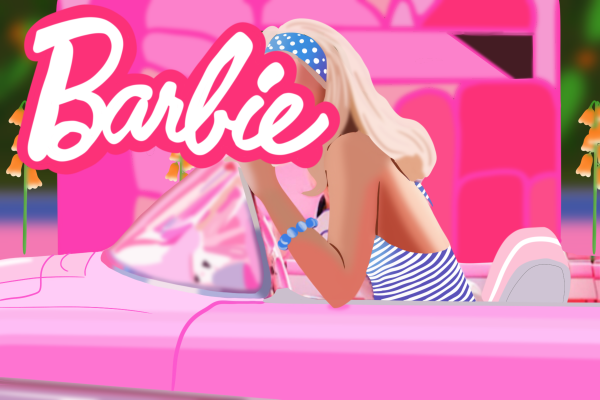
Before the Barbie movie reboot, the brand was losing cultural relevance. But instead of promoting a “new Barbie,” the brand revived the nostalgic Barbie pink era, the classic doll aesthetics, retro outfits, and childhood memories.
The result?
- $1.4 billion box office revenue
- Global resurgence of Barbie merchandise
- A viral marketing campaign that dominated TikTok and Instagram
- Millennials emotionally reconnected with their childhood
- Gen Z adopted the Barbie aesthetic as a fashion movement
The revival was not based on a new idea. It was a reinvention of childhood nostalgia.
Pepsi’s Retro Logo (2024)
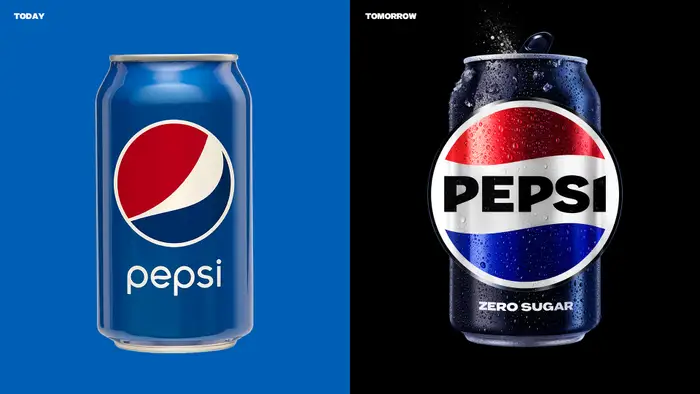
Pepsi reintroduced its iconic 90s logo after years of modern redesigns. Why? Because consumers are emotionally connected with the older version.
After launch:
- Social engagement increased by 48%
- Retail sales saw a measurable spike
- Consumers celebrated the “return of the real Pepsi”
The lesson:
Sometimes the future of a brand is hidden in its past.
The Role of Storytelling in Nostalgia Marketing
Nostalgia is not about “old things”, it’s about “old feelings.”
Brands that tell stories instead of selling products create deeper emotional bonds.
Good nostalgia stories include:
- “This reminds me of childhood summers…”
- “Remember when we all used to…”
- “Back when life was simpler…”
Storytelling transforms nostalgia from a marketing tactic to a movement.
Why Gen Z Loves Nostalgia More Than Any Other Generation
Surprisingly, Gen Z, who are too young for much of the 90s or early 2000s are the biggest consumers of nostalgia-driven content. They love retro because it feels authentic, raw, and anti-algorithmic.
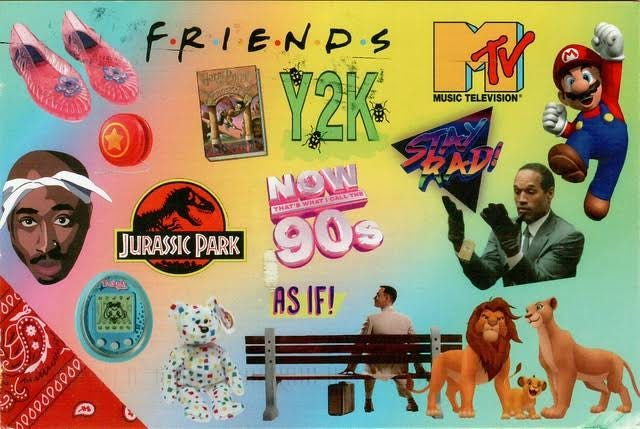
Vintage aesthetics give them an escape from today’s polished digital world.
How Small Businesses Can Use Nostalgia Without Huge Budgets
You don’t need a Barbie-level budget to use nostalgia effectively.
Simple ways include:
- Retro fonts and color palettes
- Throwback packaging designs
- “Remember this?” content
- Childhood-inspired stories
- Recreating older versions of your product
- Using nostalgic music in social posts
Small businesses win with nostalgia because they can connect personally and emotionally, something big brands struggle with.
Where Nostalgia Marketing Goes Wrong
Nostalgia is powerful but must be used carefully.
Mistakes include:
- Using nostalgia that doesn’t match your brand
- Forced references that feel cringe
- Overuse (audience gets tired)
- Targeting nostalgia of the wrong generation
Authenticity is everything. Nostalgia only works when your audience actually lives the memory or genuinely resonates with it.
Final Thoughts: Nostalgia Isn’t About the Past; It’s About Connection
In a noisy digital world where every brand fights for attention, nostalgia cuts through instantly. Not because it’s old, but because it feels familiar, human, and emotionally safe. People don’t want more information, they want more connection.
If you want your brand to be remembered, loved, and shared, nostalgia marketing may be your most powerful tool.
If you want strategic, high-converting content that blends emotion, creativity, and data-backed marketing.
Digibble can help you build a brand people don’t just buy from, but feel connected to. Send your topic anytime, and let’s create content that truly resonates.
FAQs
What will replace email in the future?
AI-personalized messaging, community platforms, and private networks like Discord/Slack are emerging but email remains essential, not replaceable.
Are newsletters still relevant in 2026?
Yes. Newsletters have higher engagement than social media. The format is evolving, not dying.
What to write at the end of a newsletter?
A clear CTA, a personal note, or a teaser for the next edition works best.
What will replace email marketing?
Nothing fully replaces it, but AI automation, community-led updates, and multi-platform messaging will expand alongside it.
Why is nostalgia effective in marketing?
It creates emotional trust and makes people feel good, increasing purchase decisions.
Which industries benefit most from nostalgia?
Fashion, food, entertainment, tech, gaming, and consumer goods benefit the most.
Can nostalgia marketing work for new brands?
Yes. New brands can adopt retro aesthetics or revive old cultural references.
Does nostalgia help with viral marketing?
Absolutely. Nostalgic trends regularly go viral because they evoke shared memories.