
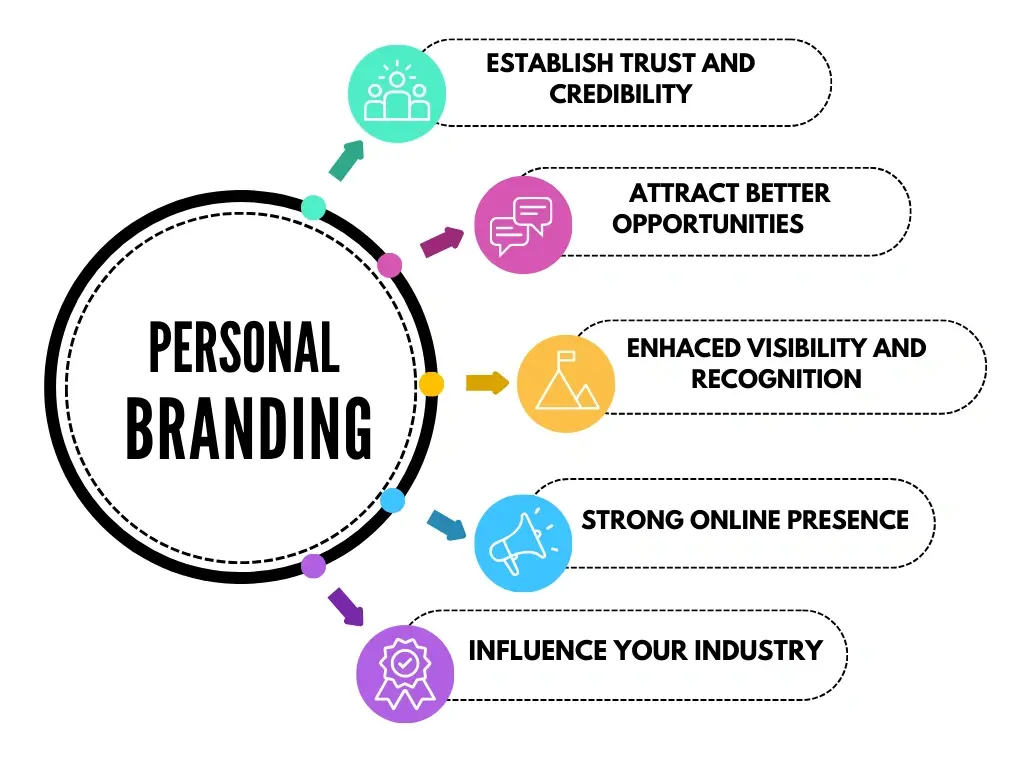
82% of consumers are more likely to trust a company if its top executives are engaged on social media. In 2026, this trust element will apply not only to CEOs, but also to innovators, freelancers, and solopreneurs. This is where personal branding comes in.
AI can support your process, but you remain the driver!
AI tools are no longer limited to tech startups; they are influencing how people like you and me express ourselves online. Whether you’re a coach, marketer, freelancer, or startup, the best strategy to increase your influence and credibility in 2026 is to combine personal branding with the power of AI content creation.
What Is Personal Branding and Why Is It Important?
Personal branding is a deliberate effort to influence how others perceive you. It is the image, message, and value that you continuously convey to your audience.
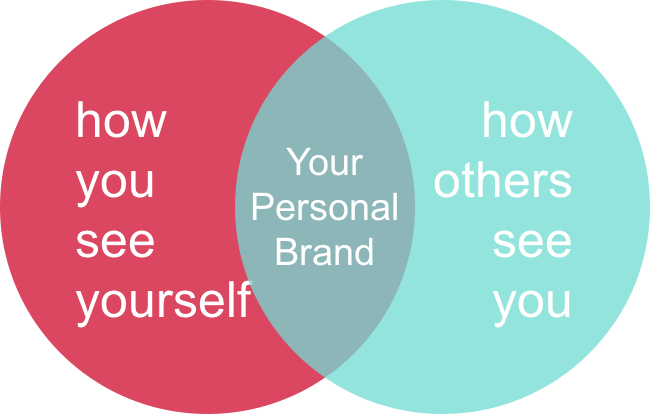
Personal branding is vital in today’s overcrowded digital landscape. It helps you:
- Stand out in competitive markets
- Build trust with clients and customers
- Attract opportunities (speaking gigs, partnerships, clients)
- Increase perceived value and pricing power
In 2026, personal branding will be crucial for freelancers and small businesses. As AI takes over more tasks, your identity becomes your most valuable asset.
AI Technology and Its Impact on Personal Branding
AI is transforming how personal brands are built. From creating content at scale to analyzing audience behavior, it offers tools that used to be exclusive to big agencies.
Here’s how AI content creation helps:
- Speeds up blog writing, social posts, and video scripts
- Personalized content using real-time data
- Designs visuals, edits photos/videos, and formats posts
- Enhances SEO, grammar, tone, and formatting in seconds
AI doesn’t replace your voice, it amplifies it. The key is knowing how to use it without sounding robotic.
How AI Tools Help Build Your Personal Brand in 2026
Let’s walk through the exact steps for using AI to build your personal brand in 2026:
1. Start with a Strategy
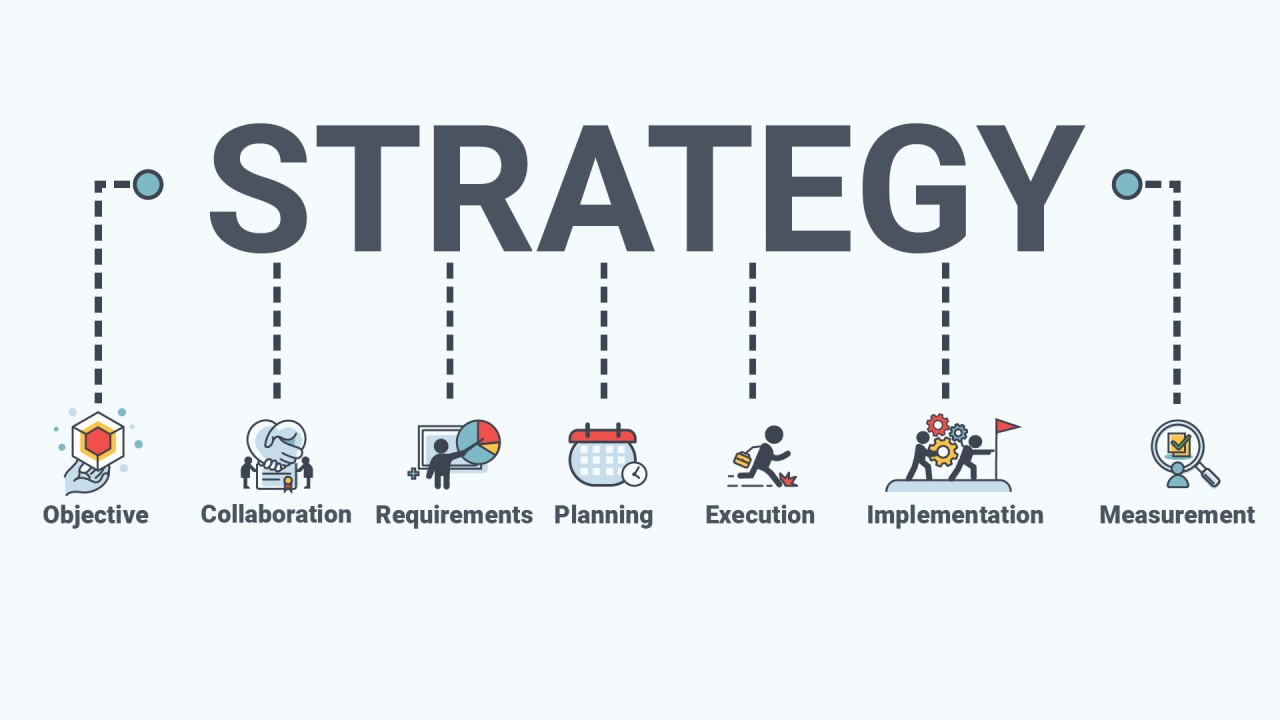
Define your niche, audience, and core message. AI can assist in refining your positioning.
Prompt: “Summarize my audience: [insert details]. What pain points can I solve? Suggest 3 content pillars.”
2. Content Research
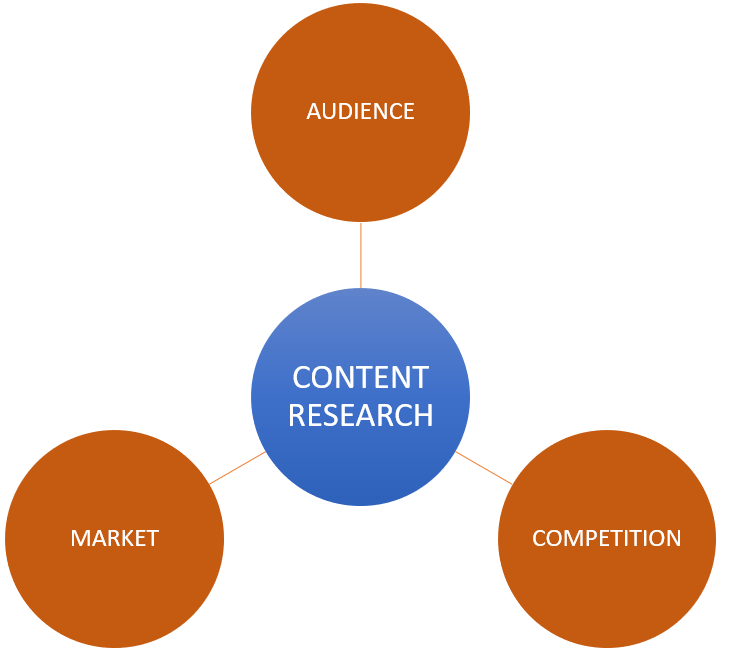
Use AI to find trending topics and FAQs in your niche.
Prompt: “What are the top 10 questions people ask about [your niche] on Google in 2026?”
3. Content Creation
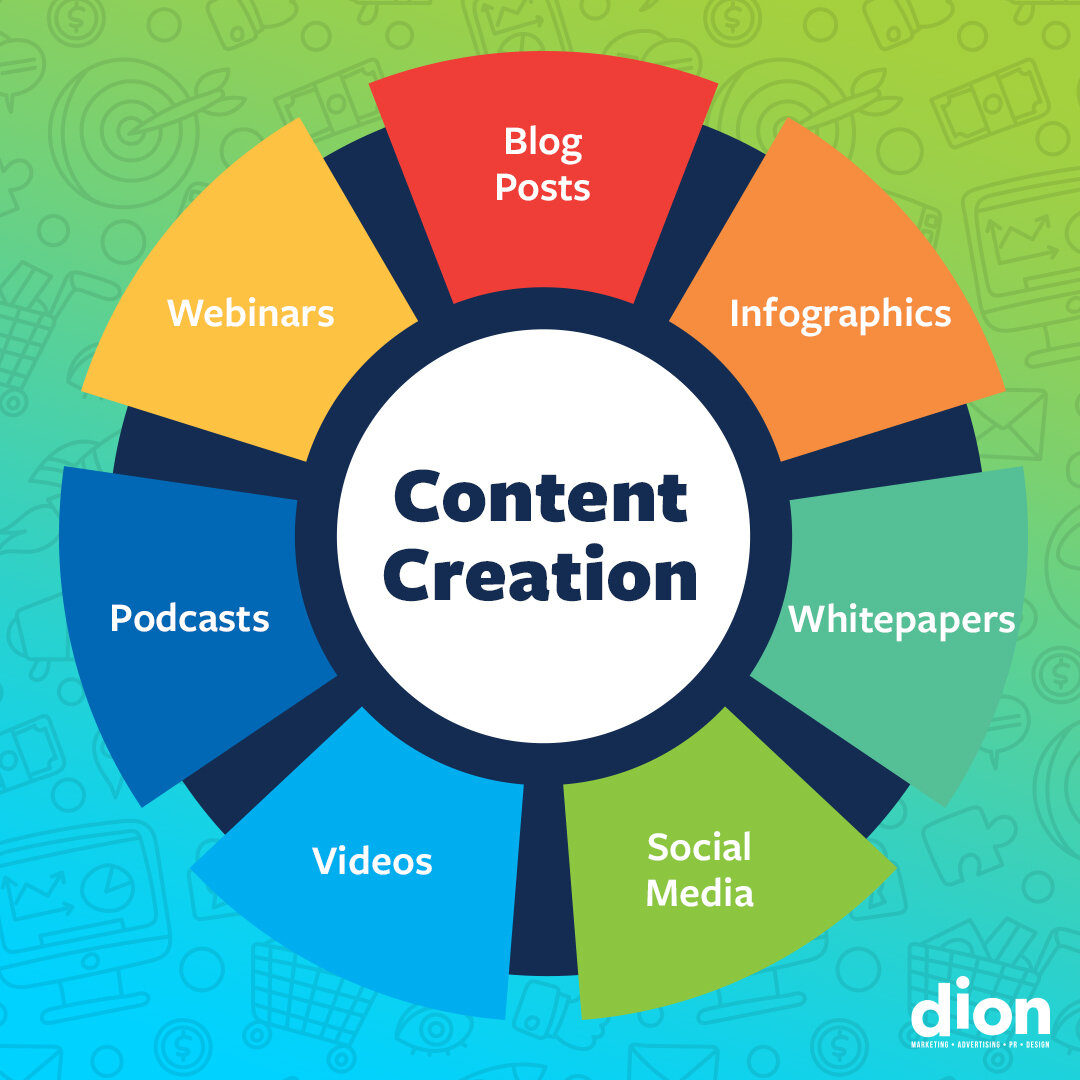
Create blogs, emails, LinkedIn posts, and newsletters using tools like ChatGPT, Jasper, or Copy.ai.
Prompt: “Write a LinkedIn post on [topic]. Include a hook, insight, and CTA. Tone: friendly but expert.”
4. Formatting & Optimization
AI helps polish your message for grammar, tone, length, and readability. You can also optimize for SEO and platforms.
5. Editing and Personal Touch
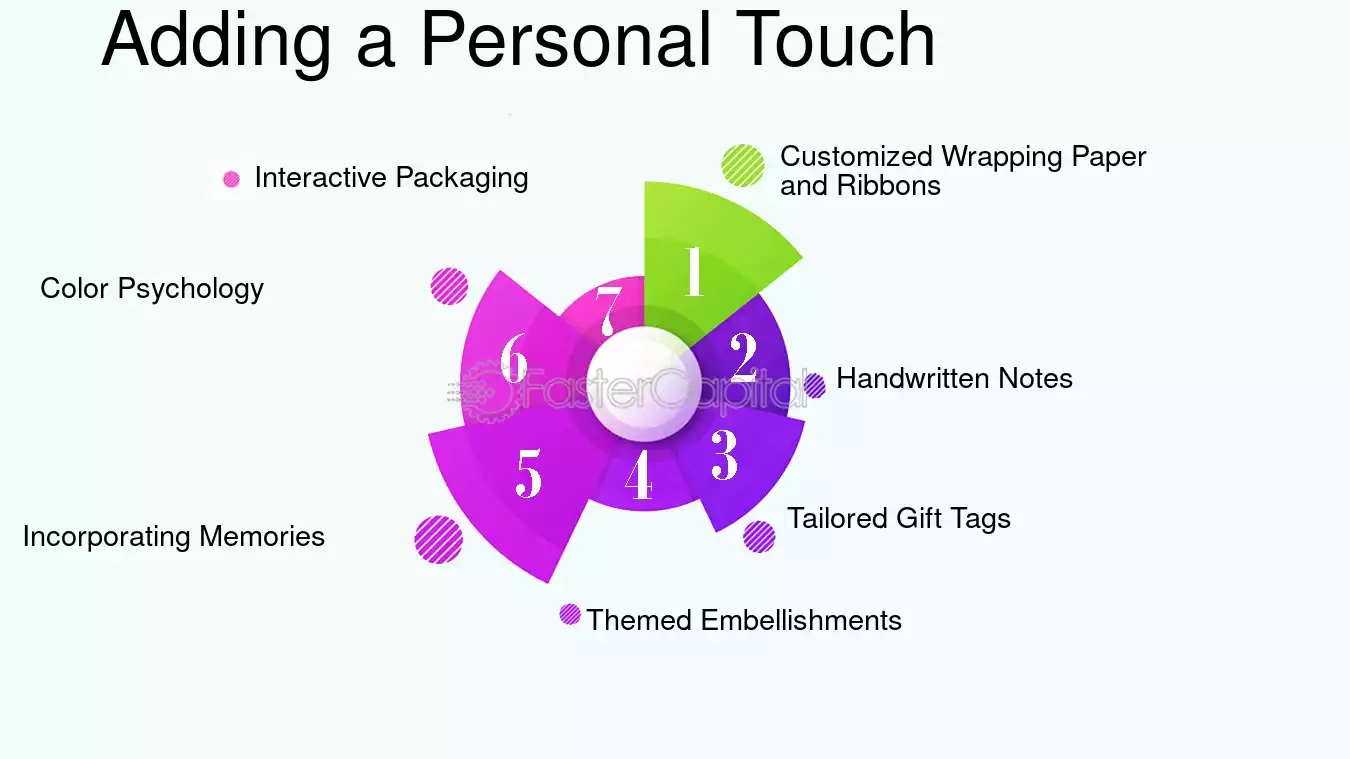
Always humanize your AI output. Add your voice, examples, humor, or opinion to build authenticity.
Pro Tip: AI gets you 80% there, your real magic is in the remaining 20%.
What Are the Positives and Negatives of Using AI?
| PROS | CONS |
| Saves hours on content creation | Risk of sounding generic if unedited |
| Boosts productivity and consistency | May lack emotional depth or nuance |
| Helps non-writers sound professional | Can create dependency if overused |
| Great for idea generation and repurposing | Needs fact-checking and personalization |
Pro Tip: Use AI as your assistant, not your identity. Always add personal stories or opinions to AI-generated content.
The 7 Pillars of Personal Branding in 2026
To build a strong, lasting personal brand in an AI-first world, you need a framework rooted in authenticity and clarity. Jill Hauwiller, owner and principal consultant at Leadership Refinery, California describes a proven foundation known as the 7 Pillars of Personal Branding; a practical guide for entrepreneurs, freelancers, and professionals looking to lead with impact.
These timeless elements guide how you show up in the digital space and how you scale your voice using AI.
1. Purpose
Your brand starts with “why.” Purpose gives direction to your efforts and content. Whether you’re coaching, creating, or consulting, AI tools can help you articulate and amplify your mission by analyzing your work and highlighting recurring themes.
2. Values
These are the non-negotiables that guide how you show up. AI can’t create your values, but it can help reinforce them by keeping your tone and messaging consistent across platforms, from social media posts to email sequences.
3. Clarity
Clarity ensures that your audience knows who you are, what you do, and who you serve. With AI content creation, you can simplify your messaging, test multiple versions, and refine your positioning quickly based on audience data.
4. Strengths
Your natural skills and superpowers should shine through. AI can assist in content creation, but it should never overshadow your unique strengths. Use tools to enhance, not replace, your creative edge.
5. Energy
Your brand’s vibe matters. Whether you’re calm and reflective or bold and disruptive, AI can be trained to reflect your energy in copywriting, social posts, and even video scripting, keeping everything in sync with your style.
6. Legacy
Think long-term. What do you want to be remembered for? AI can help document your journey, build content archives, and even create evergreen materials that extend your message over time.
7. Ownership
You control your narrative. Your brand is yours, not the algorithm’s. AI can support your process, but you remain the driver. Take ownership by editing outputs, aligning content with your voice, and making sure your brand stays human at its core.
Quick Checklist: Boost Your Personal Brand with AI
Post Regularly – Use Buffer or Publer to schedule AI-made content.
Stay Consistent – Train AI to match your tone and message.
Repurpose Content – One blog = LinkedIn posts, tweets, video.
Use AI Visuals – Try Canva AI, Lumen5, or Pictory.
Track Performance – Use Notion AI or ChatGPT to review metrics.
Case Study: How Sarah Scaled Her Brand with AI
Background:
Sarah, a personal finance coach, wanted to grow her online presence but struggled with content creation and consistency.
Solution:
She started using ChatGPT to draft her weekly blog posts and convert them into shorter LinkedIn updates. For visuals, she used Canva Magic to design carousels and quote graphics in her brand style.
Results:
In just 3 months, Sarah grew her LinkedIn following by 200%, increased post engagement, and started receiving more client inquiries through her DMs.
Key Takeaway:
With the right AI tools, solopreneurs can create consistent, high-quality content without burnout.
5 AI-Enabled Tools for Enhancing Digital Presence in 2026
- ChatGPT – For blogs, posts, scripts, email responses
- Canva Magic Studio – For branding visuals, logos, carousels
- Lumen5/Runway – For creating short-form videos from content/image
- Copy.ai – For email campaigns, taglines, product descriptions
- GrammarlyGO – For editing tone, grammar, and clarity fast
Each tool fits different parts of your branding process, use them wisely and strategically.
Which Social Media Platform Is Best for Personal Branding?
Here’s a quick comparison based on 2026 trends:
|
Platform |
Best For |
Notes |
| B2B professionals, thought leaders | Long-form and authority building | |
| Visual storytelling, creators | Stories and Reels dominate | |
| X (Twitter) | Thought threads, micro content | Fast-paced but high engagement |
| YouTube | Tutorials, vlogs, deep dives | Great for long-form personal branding |
| TikTok | Behind-the-scenes, casual tone | Good for relatability and reach |
Final Thoughts: The Future of AI in Personal Branding
The digital world is getting louder, if you don’t speak up, you’ll be left out.
Personal branding in 2026 isn’t just about fancy bios and pretty logos, it’s about sharing your voice, story, and value consistently across platforms. And that’s exactly what AI content creation helps you do.
But here’s the thing: AI won’t do it for you. It’s your assistant, not your replacement. You still need to show up with vision, honesty, and intention. The tools are powerful, but your brand is only as strong as the person behind it.
So don’t wait until the market is saturated.
Ready to grow your personal brand with AI? Start by using one tool from this guide today, and watch your audience grow.
FAQs
Is AI content original and safe to use for branding?
Yes, as long as you personalize it. Always review, fact-check, and add your voice.
Can AI help me grow on social media?
Absolutely. It helps you create more engaging and consistent content in less time.
Do I need coding skills to use AI tools?
Not at all. Most AI tools are user-friendly, with simple interfaces and templates.
How do I avoid sounding robotic with AI?
Humanize your content with stories, humor, and real opinions. Think of AI as your first draft.
What’s the best AI tool for personal branding?
Start with ChatGPT and Canva AI. They’re versatile and easy to learn.
Can AI help with personal branding if I’m a beginner?
Yes! It guides your content strategy, finds ideas, and boosts your confidence online.
Is it ethical to use AI for personal branding?
It is, as long as you’re transparent and authentic. Don’t mislead, enhance instead.
How often should I post content to grow my brand?
Aim for 3–5 times per week across platforms. AI helps make this doable and strategic.