

In today’s digital-first economy, being known is just as important as being good. Whether you’re an entrepreneur, freelancer, or small business owner, the difference between blending in and standing out often comes down to thought leadership. The ability to shape opinions, inspire others, and be recognized as an authority in your niche.
According to Edelman-LinkedIn’s 2024 B2B Thought Leadership Impact Study, 65% of decision-makers say a piece of thought leadership significantly changed their perception of a company for the better, while 54% say they’ve purchased from an organization after reading their thought leadership content. That means your ideas can directly drive both trust and revenue.
But here’s the challenge: Traditional thought leadership takes years to build.
In 2026, AI tools have changed the game. From generating high-value insights to automating content production, AI has made it possible for anyone with expertise and vision to fast-track their authority building. Instead of spending months crafting your presence, you can now create a consistent, research-backed, and audience-focused content strategy in weeks.
What is Thought Leadership?
At its core, thought leadership means becoming the go-to voice in your industry, someone people turn to for trusted insights, forward-thinking perspectives, and innovative solutions. It’s not about being famous; it’s about being credible and influential within a specific niche.
A thought leader:
- Share unique perspectives that challenge the status quo.
- Uses research and real-world experience to back claims.
- Inspires others to take action or think differently.
In the AI era, thought leadership also means leveraging technology to enhance your human expertise. For example:
- Using AI analytics tools to spot emerging trends before they go mainstream.
- Creating AI-assisted articles, videos, and reports to publish consistently.
- Personalizing your audience engagement through AI-driven social listening.
A thought leader is someone whose opinions are trusted, respected, and sought after. For example, in tech, Elon Musk influences trends in electric vehicles and space exploration. In marketing, Seth Godin shapes how businesses approach branding and storytelling. The good news? With AI tools, you don’t have to be a billionaire or bestselling author to gain influence, you just need the right strategy.
In short, it’s about combining your expertise with AI’s speed and scale to position yourself as an irreplaceable voice in your niche.
What Makes a Good Thought Leader?
Not every expert becomes a thought leader. The difference lies in visibility, consistency, and impact. A good thought leader:
- Has a deep understanding of their industry.
- Share valuable content regularly (not just when inspired).
- Engages with their community by responding to questions, comments, and feedback.
- Builds trust by being transparent and ethical.
- Adapts to new technologies like AI to stay ahead.
A LinkedIn study found that 88% of decision-makers say thought leadership improves their perception of an organization or individual, but 71% feel most content is too generic. AI helps solve this by generating fresh, niche-specific ideas that truly stand out.
Key Components of Thought Leadership
1. Defining Your Expertise
You can’t lead in everything. Pick a specific niche within your industry where your skills and experience truly shine. The narrower your focus, the stronger your authority.
Use AI tools like ChatGPT or Perplexity AI to map subtopics in your niche and identify high-potential areas no one else is covering.
2. Creating High-Quality Content
Your ideas mean little unless they’re visible. This means publishing blogs, podcasts, videos, LinkedIn posts, and even research papers.
StContent marketing generates 3x more leads than traditional marketing and costs 62% less.
AI Application: Use AI for:
- Content ideation (Jasper, Notion AI)
- SEO optimization (Surfer SEO, Clearscope)
- Data visualization (Canva Magic Design, Infogram AI)
Combine AI-generated first drafts with your own expertise for a polished, authentic piece that stands out from AI-only content.
3. Building Your Personal Brand
Your personal brand is what people remember about you. It includes your voice, visuals, values, and expertise.
AI Tools:
- Canva Magic Studio for branded designs.
- Brand24 for monitoring online mentions.
- ChatGPT for brand storytelling.
Consistency is key! The same tone, style, and message should run across your website, social media, and content.
4. Engaging with Your Audience
Post and run. That’s the mistake most make. Engagement means:
- Replying to comments.
- Hosting live Q&A sessions.
- Asking your audience for their opinions.
AI Application: Social listening tools like Brand24 can help track mentions, allowing you to join relevant conversations quickly.
AI Advantage: Tools like Tidio or ManyChat can automate responses, freeing up time for deeper connections.
5. Measuring Your Impact
Post and run. That’s the mistake most make. Engagement means:
- Replying to comments.
- Hosting live Q&A sessions.
- Asking your audience for their opinions.
AI Application: Social listening tools like Brand24 can help track mentions, allowing you to join relevant conversations quickly.
You can’t grow what you don’t track. Use Google Analytics, LinkedIn Analytics, and AI-driven tools like HubSpot to measure engagement, traffic, and influence growth.
Marketers who track their thought leadership performance see 60% higher engagement over time.
5 Benefits of Thought Leadership in Marketing
1. Builds Trust and Credibility
When your audience consistently hears valuable, insightful perspectives from you, they start seeing you as a trusted authority — making them more likely to choose your products or services.
2. Drives Organic Growth
Thought leadership content naturally attracts organic traffic, especially when it’s SEO-optimized. People search for industry insights, and if your content ranks high, they’ll keep coming back.
3. Positions You Above Competitors
When potential clients compare you to competitors, your visible expertise can be the deciding factor. It’s easier to win deals when you’re already seen as the expert.
4. Creates Networking Opportunities
Speaking events, collaborations, and media features often come to thought leaders without them even asking. Your expertise opens doors.
5. Generates Qualified Leads
Unlike cold outreach, thought leadership attracts warm leads, people who already trust your expertise and are ready to buy.
How to Implement Thought Leadership (Step-by-Step Guide)
Becoming a thought leader is not an overnight achievement, it’s a consistent, strategic process. With AI now integrated into every stage of content creation, personal branding, and audience engagement, establishing yourself as an authority in your niche has never been more achievable. The key lies in following a structured approach that combines your expertise with AI-powered efficiency.
Below is a step-by-step guide to help you build credibility, grow influence, and position yourself as the go-to expert in your field using AI.
Step 1: Identify Your Niche
Define your exact focus area, the more specific, the better.
Step 2: Research Audience Needs
Use AI tools to analyze forums, search queries, and social media trends in your niche.
Step 3: Create a Signature Content Framework
Develop a posting schedule and content format you’ll stick to (e.g., weekly blog + LinkedIn thread + YouTube video).
Step 4: Leverage AI for Content Creation
Use AI to brainstorm ideas, draft outlines, generate graphics, and optimize for SEO.
Step 5: Engage & Collaborate
Host webinars, appear on podcasts, or co-author articles with other thought leaders.
Step 6: Measure & Refine
Track KPIs like engagement, leads, and brand mentions. Adjust strategy based on performance.
3 Real-World Examples of AI-Powered Thought Leaders
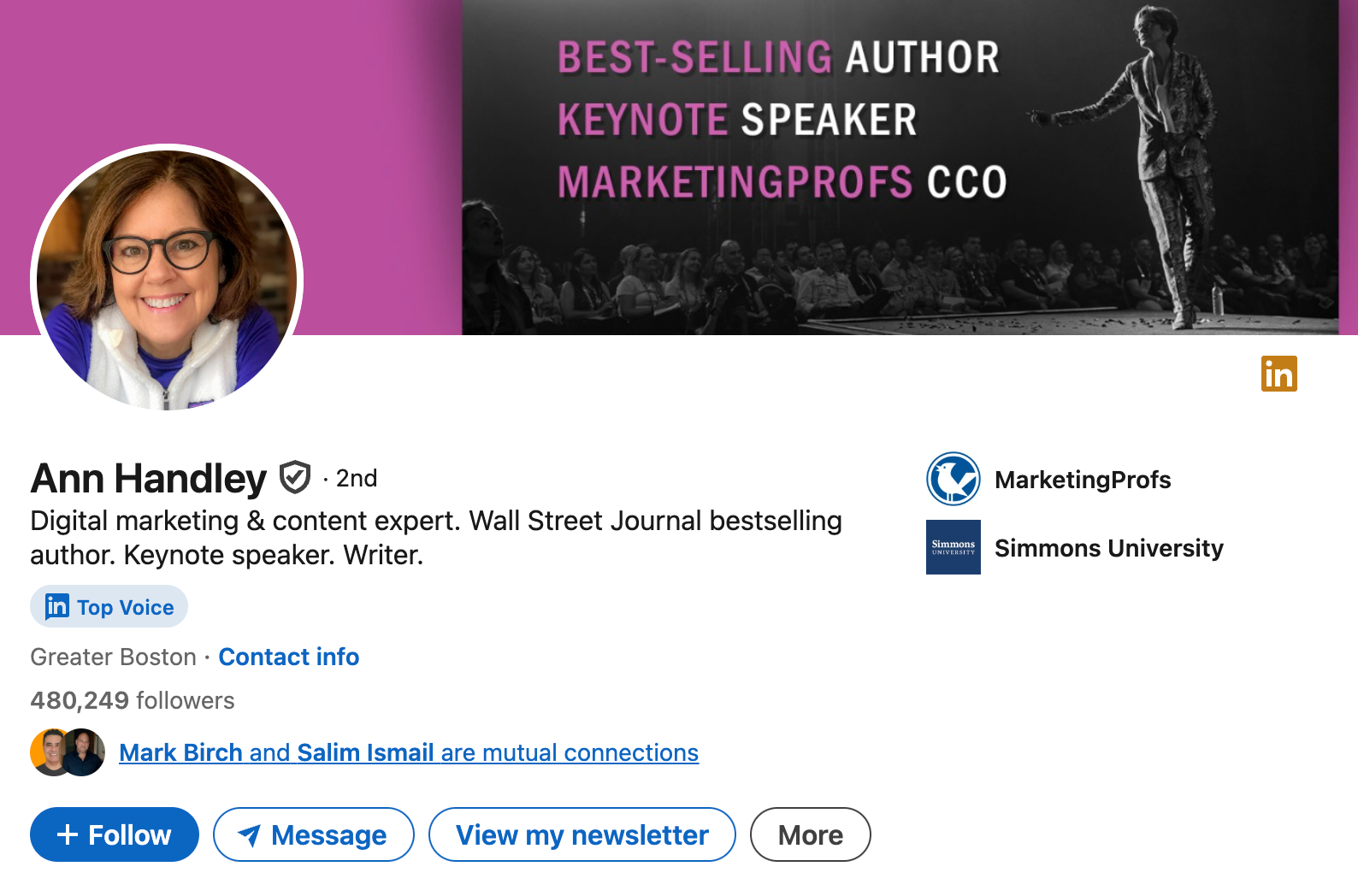
1. Ann Handley – Content Marketing Expert
Used AI tools to analyze audience trends and craft hyper-relevant newsletters. Blended human storytelling with AI-enhanced headlines to increase open rates.
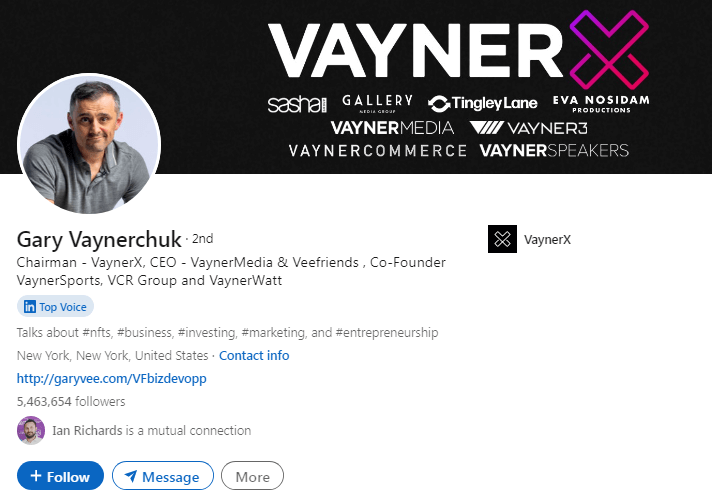
2. Gary Vaynerchuk – Digital Marketer
Leveraged AI analytics to identify emerging platforms early. Used AI to repurpose content into dozens of formats, dominating multiple channels.
3. Dr. Ayesha Khanna – AI Entrepreneur & Advisor
Combined industry expertise with AI-driven research reports, making her a go-to voice in the future tech space.

How AI Helps You Stay Ahead of Trends
AI tools can scan thousands of articles, posts, and search queries to identify rising trends before they explode. This lets you publish ahead of competitors, positioning you as the first voice in the conversation.
Common Mistakes to Avoid
- Chasing trends without expertise.
- Over-relying on AI without adding human insight.
- Inconsistent posting schedules.
Overcoming the “AI Can’t Be Authentic” Myth
Many believe AI makes content feel robotic. The truth is, AI is just a starting poin, your personal stories, opinions, and unique insights make it authentic and human.
AI will make authority building faster, but authenticity will remain the ultimate differentiator.
Conclusion: The Journey Towards Thought Leadership
Becoming a thought leader in your niche isn’t an overnight achievement. It’s a journey of consistent learning, sharing, and refining your expertise. AI simply makes that journey faster, smarter, and more targeted.
By defining your expertise, producing high-value content, and engaging deeply with your audience, you can position yourself as the go-to authority in your field.
In the digital age, your influence is your currency. Start using AI today to craft powerful ideas, connect with the right people, and turn your expertise into lasting impact.
If you’re ready to use AI to grow your influence and attract more opportunities, start building your thought leadership strategy now, your future audience is already searching for you.
FAQs
Q1: How to become a thought leader in AI?
Focus on AI’s real-world applications in your niche, backed by case studies and consistent publishing.
Q2: How to write a thought leadership blog?
Start with original insights, back them with data, and structure them for easy reading.
Q3: What is an AI thought leader?
Someone who uses AI to enhance their industry expertise and influence.
Q4: How to get started as a thought leader?
Define your niche, create consistent content, and actively engage with your audience.
Q5: Can AI replace personal branding?
No! AI supports, but your unique voice and values make your brand stand out.
Q6: Is AI good for niche research?
Yes, AI can analyze competitors, trends, and audience preferences quickly.
Q7: How often should I post as a thought leader?
Aim for at least 2–3 times per week across key platforms.
Q8: Which AI tools are best for thought leadership?
ChatGPT, Jasper, BuzzSumo, Canva Magic Studio, and HubSpot.