
By 2026, businesses face greater challenges to make their mark in the digital economy. The Statista report reveals that nearly 5.4 billion people globally are connected to the internet this year and more businesses are working remotely now than ever before. As the market is now so crowded it’s impossible to see results with conventional marketing strategies. Companies must be innovative, agile, and distinctive to stand out. This is where growth hacking comes in.
No matter what type of organization you run, these hacks and tips will help you maximize your results on a limited budget. In this article, we’ll explain the principles of growth hacking, how it differs from traditional marketing, and 7 of the best growth hacking strategies to use in 2026.
What is Growth Hacking?
Growth hacking uses a combination of proven strategies, rapid experimentation within various areas of a business and focused analytics to find the most productive methods for scaling a business quickly. It relies on creative, affordable tactics and speed to rapidly scale a business without relying on expensive marketing methods.
The term growth hacking originated in 2010 and is now used by businesses of all sizes to find sustainable ways to grow rapidly and efficiently.
Growth Hacking vs Conventional Marketing – What’s the Difference?
|
Aspect |
Growth Hacking |
Traditional Marketing |
| Primary Objective | Rapid and scalable growth, often in a short period | Steady, long-term brand-building and recognition |
| Target Audience | Typically startups and digital businesses | A wide range of businesses, including established companies |
| Approach | Experimental, data-driven, and iterative | More structured and based on established practices |
| Budget Consideration | Generally operates with limited budgets, focusing on cost-effective strategies | Larger budgets with more resources allocated for widespread campaigns |
| Key Tactics | Exploring technology, digital platforms, and social media; A/B testing; viral marketing | Advertising through traditional media (TV, print, radio); public relations; direct mail |
| Metrics | User acquisition, conversion rates, social media engagement | Brand awareness, customer loyalty, return on investment (ROI) |
Why Growth Hacking Matters
Companies that don’t adapt their online strategies risk falling behind in today’s fast-moving market. Growth hacking is essential since it gives every business the chance to achieve growth, regardless of financial resources. It also focuses on using data and being agile, so companies can make quick changes in their strategies.
Growth Hack Success Formula
A simplified equation explains the core of growth hacking:
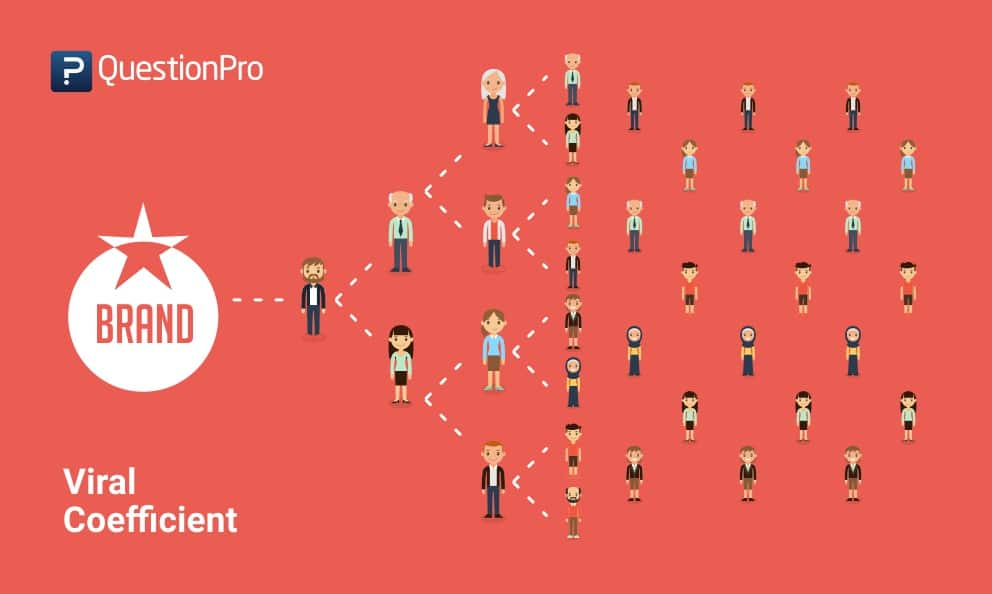
Impact = (Market Timing × Implementation Quality) × (Virality Coefficient)
This formula highlights that success isn’t just about what you do, but when and how well you do it, multiplied by how quickly your idea spreads. Timing the market with a quality execution and adding elements of virality can explode your growth without massive investment.
7 Viral Growth Hacking Strategies
Each strategy below is backed by why it works, followed by a real-world example.
1. Leverage Scarcity and FOMO (Fear of Missing Out)
Why it works: Scarcity creates urgency. People act faster when they believe an offer won’t last long.
Example: Clubhouse used an invite-only model in its early days. This exclusivity generated buzz and made people rush to get access, rapidly expanding its user base through word-of-mouth.
2. Optimize Onboarding for Instant Value
Why it works: First impressions matter. A smooth onboarding helps users reach value faster, reducing drop-offs.
Example: Dropbox showed users how to earn extra storage through onboarding steps like referring friends. It turned sign-up into a gamified loop of growth.
3. Create Viral Referral Loops
Why it works: Users bring users. Referral incentives multiply your reach without extra spend.
Example: PayPal gave $10 to new users and $10 to the referrer. The dual reward system helped them grow to over 100 million users in just a few years.
4. Use Content Repurposing Across Platforms
Why it works: A single piece of content can become a dozen assets, saving time and increasing exposure.
Example: Gary Vaynerchuk’s team repurposes long-form videos into tweets, reels, carousels, and podcasts, allowing one idea to dominate multiple channels.
5. Collaborate with Micro-Influencers
Why it works: Micro-influencers have highly engaged, niche audiences. They’re cost-effective and authentic.
Example: Glossier built its brand by turning everyday users into ambassadors. These micro-influencers drove genuine recommendations and virality.
6. Use AI Tools to Personalize Marketing
Why it works: Personalized experiences convert better. AI can segment and tailor outreach at scale.
Example: Small e-commerce brands now use tools like ChatGPT and Klaviyo to generate product emails that feel human and relevant, boosting conversion rates significantly.
7. Launch on Product Hunt or Reddit
Why it works: Platforms like Product Hunt and Reddit provide direct access to engaged early adopters.
Example: Notion launched on Product Hunt and engaged Reddit communities. This grassroots attention led to exponential user growth without traditional advertising.
The Growth Hacking Funnel: Viral Growth Tactics
To build a strategy of growth hack in 2026, you need to track the right metrics across your funnel. Here’s a breakdown of the typical growth hacking funnel:
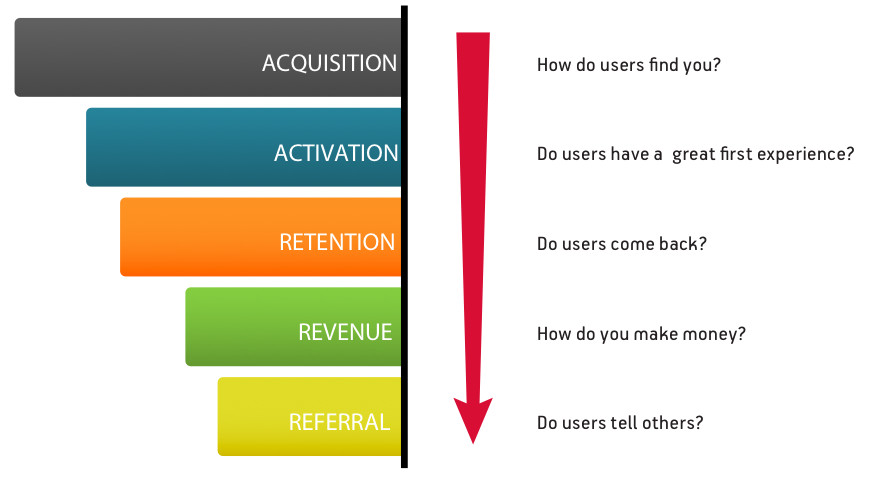
- Acquisition – How do users find you (SEO, social, ads)
- Activation – First positive experience (sign-up, download, first use)
- Retention – Do users return? Are they engaged?
- Revenue – How do you monetize and upsell?
- Referral – Do they share your product? Do they tell others?
Focusing on these metrics helps you identify leaks and double down on what’s working. Many startups fail not because of bad products, but because they don’t measure these metrics early enough.
Set SMART Goals for Growth
Setting goals keeps your growth efforts focused. Use the SMART framework:
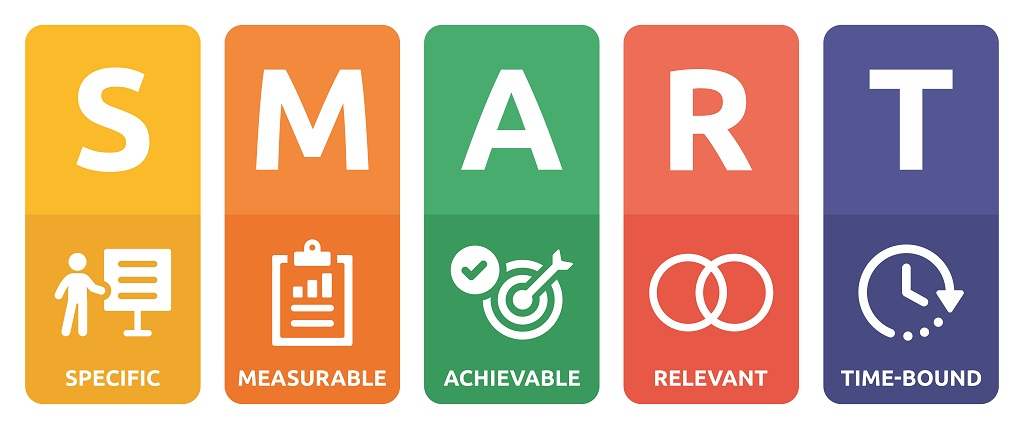
- Specific – Be clear on what you want to achieve.
- Measurable – Assign numbers so progress is visible.
- Achievable – Stay realistic with your resources.
- Relevant – Align goals with business outcomes.
- Time-bound – Set deadlines to create urgency.
SMART goals make it easier to plan, execute, and measure growth initiatives. Without them, your strategy becomes guesswork.
Pro Tip: Instead of saying “Grow my email list,” set: “Gain 1,000 new subscribers in 60 days by using lead magnets and social promotions.” This clarity drives actionable tasks and results.
5 Essential Growth Hacking Tools 2026
1. ChatGPT
Why it works: It helps with content, email marketing, ideation, and automation, all in real-time.
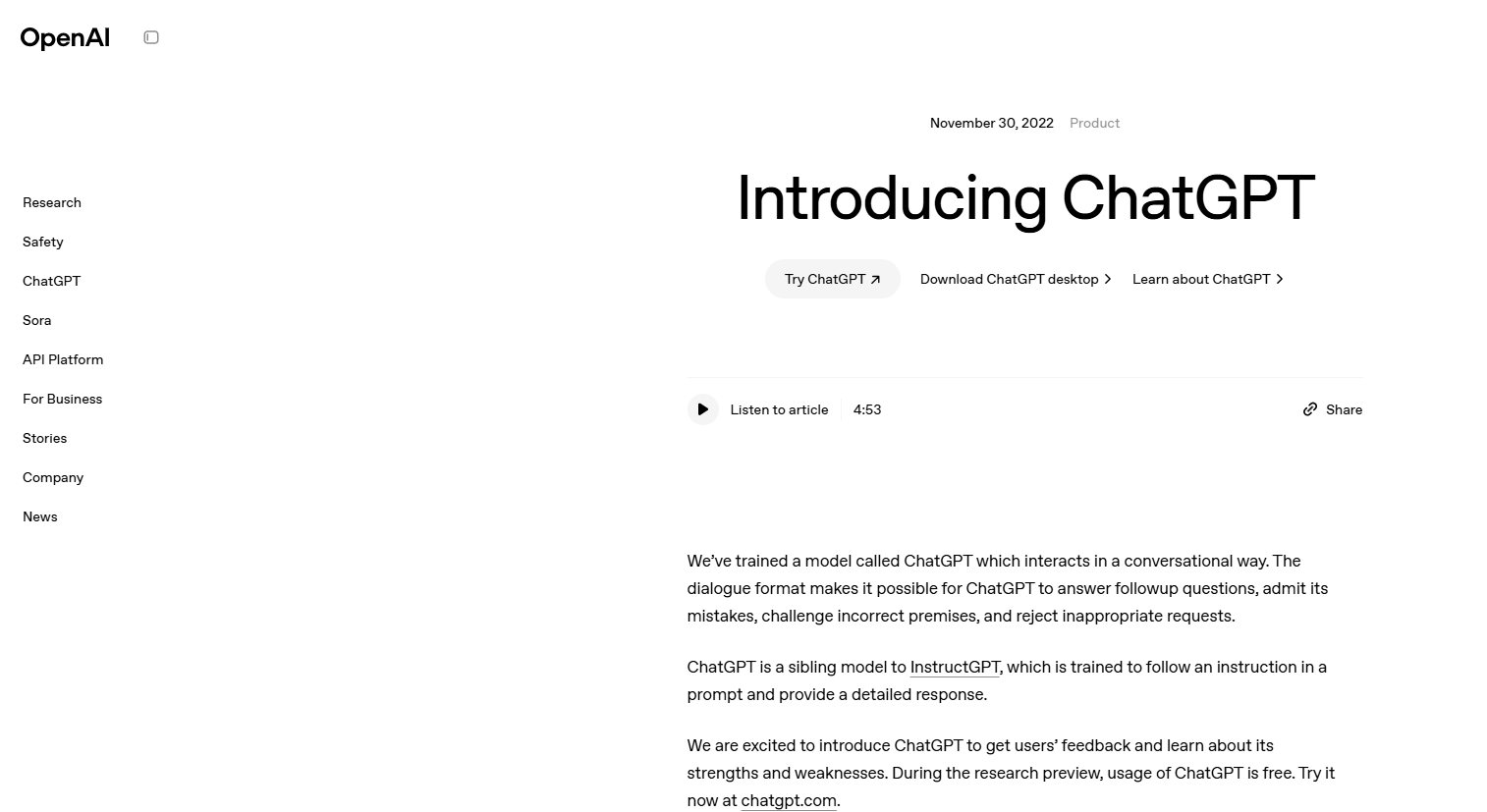
Example: A freelancer used ChatGPT to write blog posts, cold emails, and LinkedIn content, saving over 10 hours weekly.
2. Canva
Why it works: Great design boosts engagement. Canva allows anyone to create professional graphics.
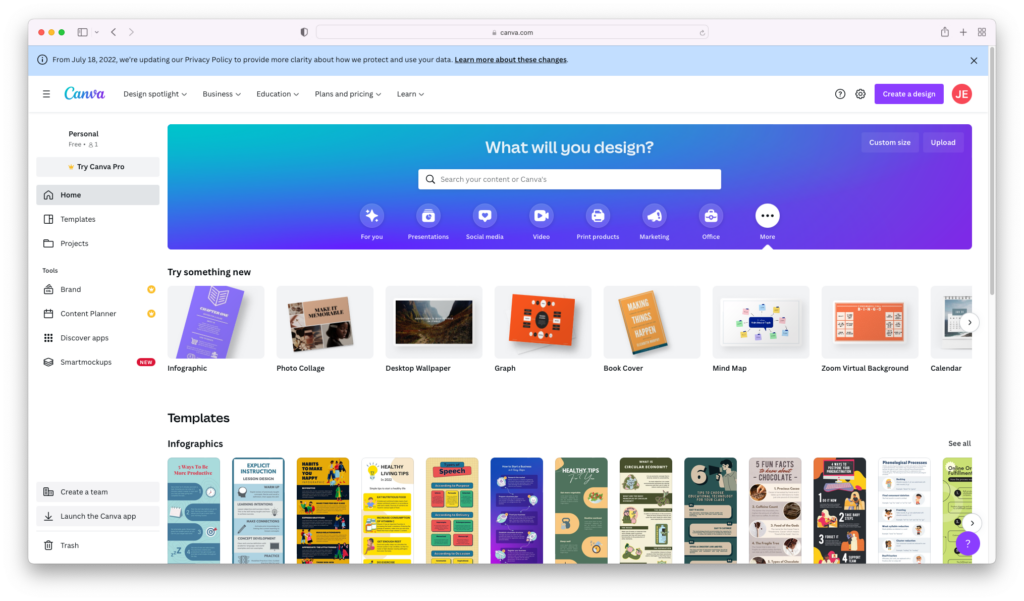
Example: Small eCommerce brands use Canva to create social ads and promotional graphics without hiring designers.
3. Hotjar
Why it works: Helps visualize how users interact with your site. This data is gold for optimizing UX.
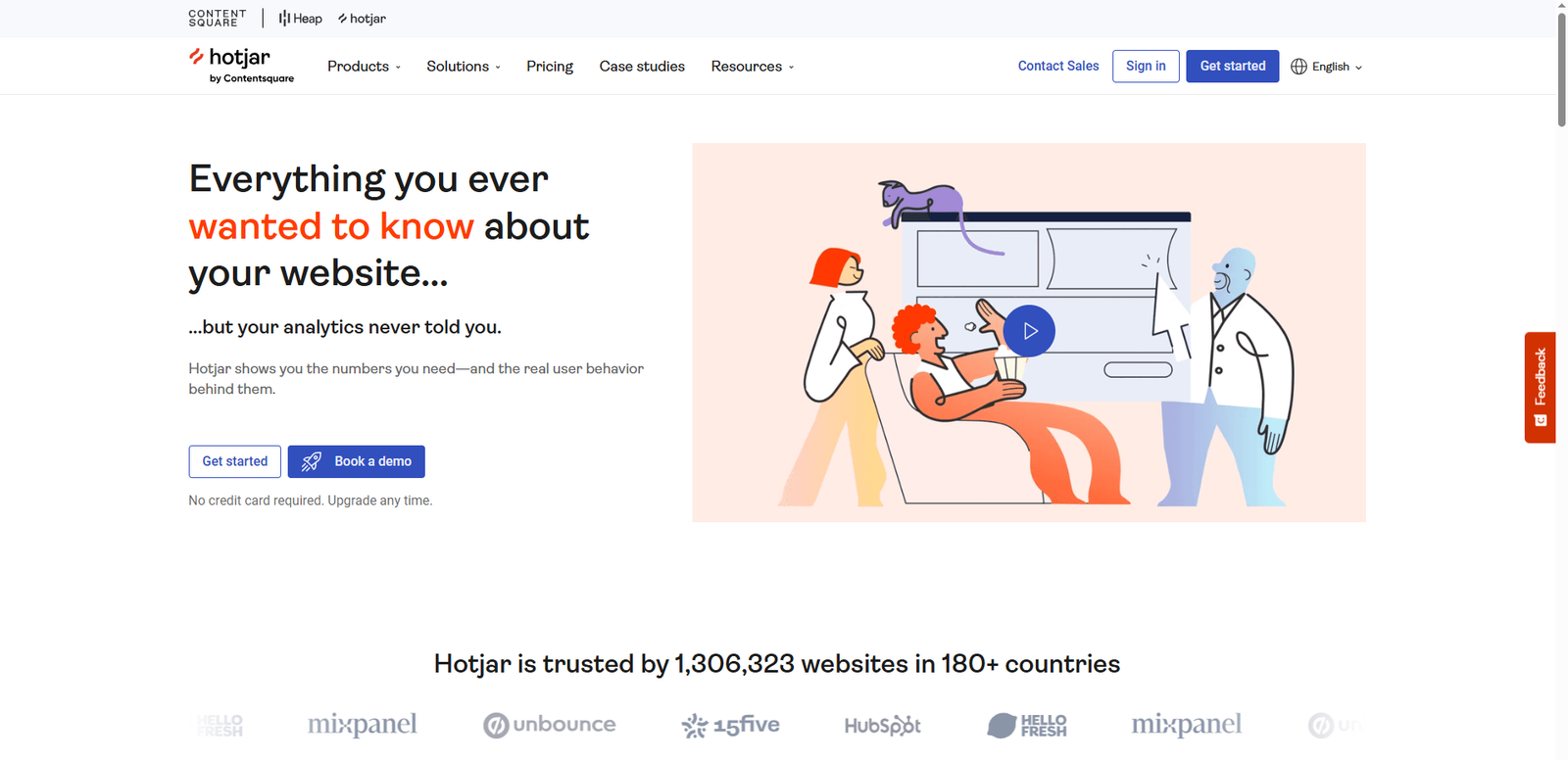
Example: A SaaS company used Hotjar to fix a poorly performing landing page, improving signups by 35%.
4. Zapier
Why it works: Automation saves time. Zapier connects apps so tasks happen automatically.
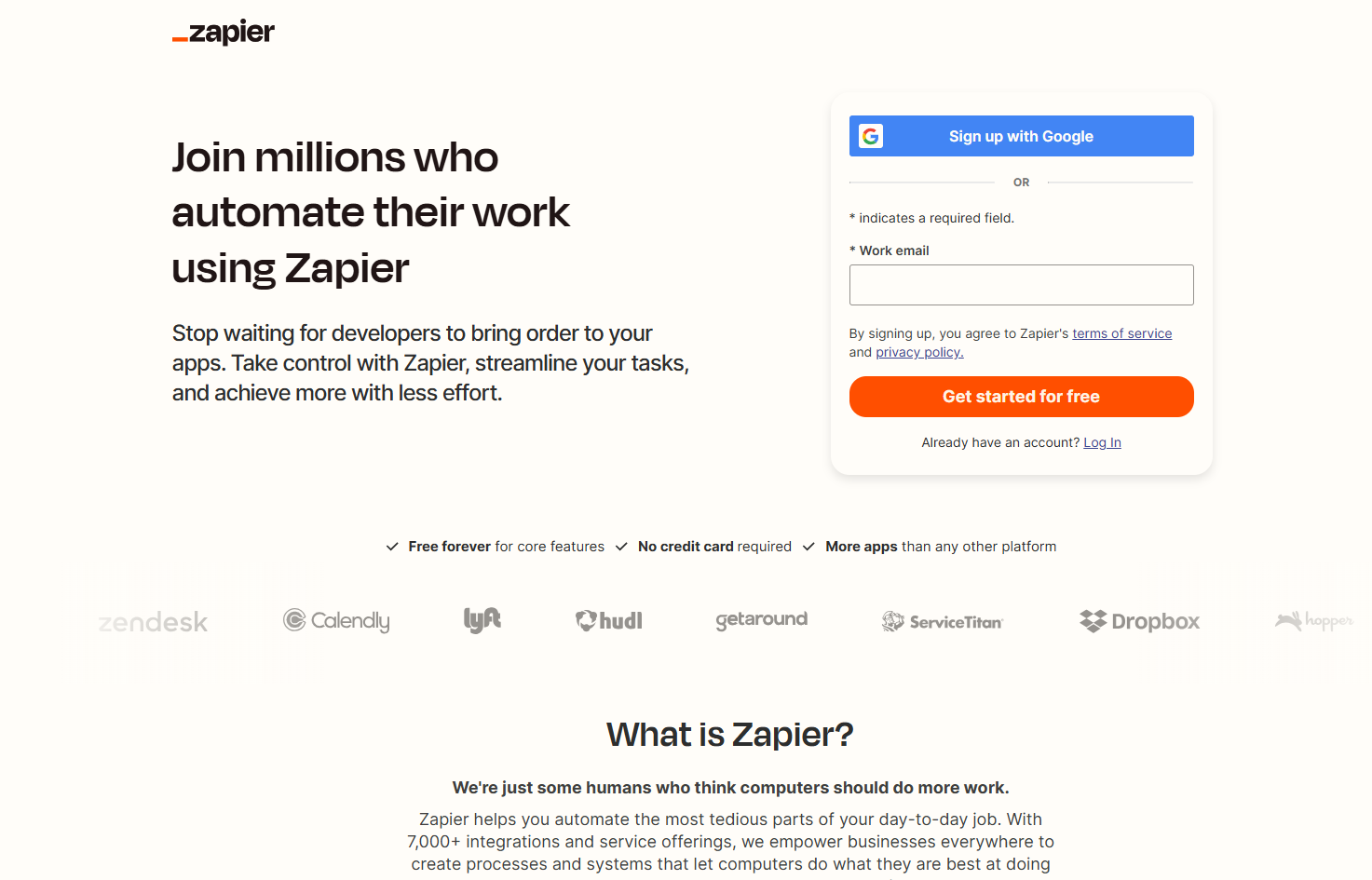
Example: A solopreneur used Zapier to connect form submissions to email lists and CRM tools, creating a seamless lead flow.
5. Buffer or Hypefury
Why it works: Consistent content is key. These tools help schedule and track posts across platforms.
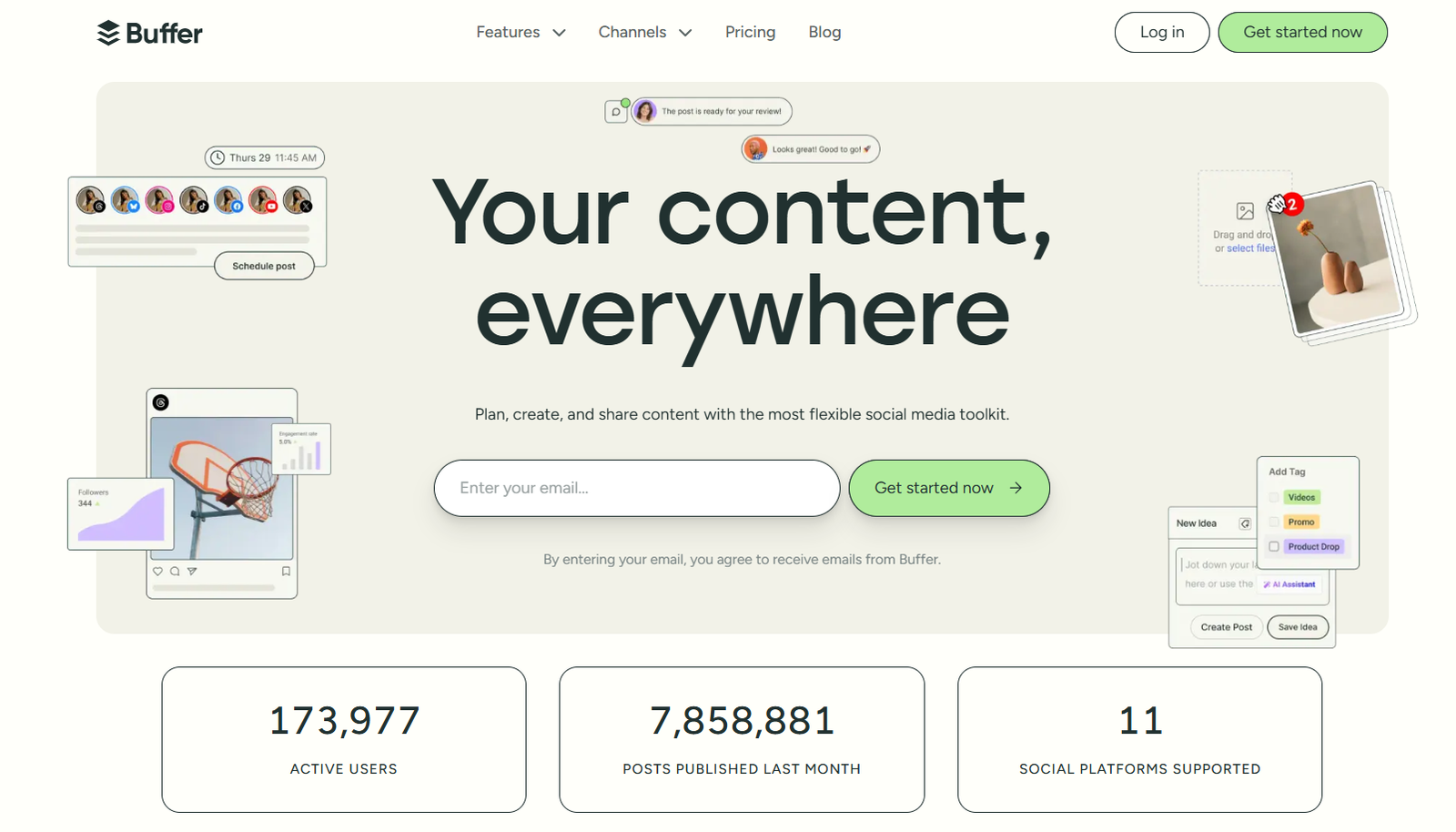
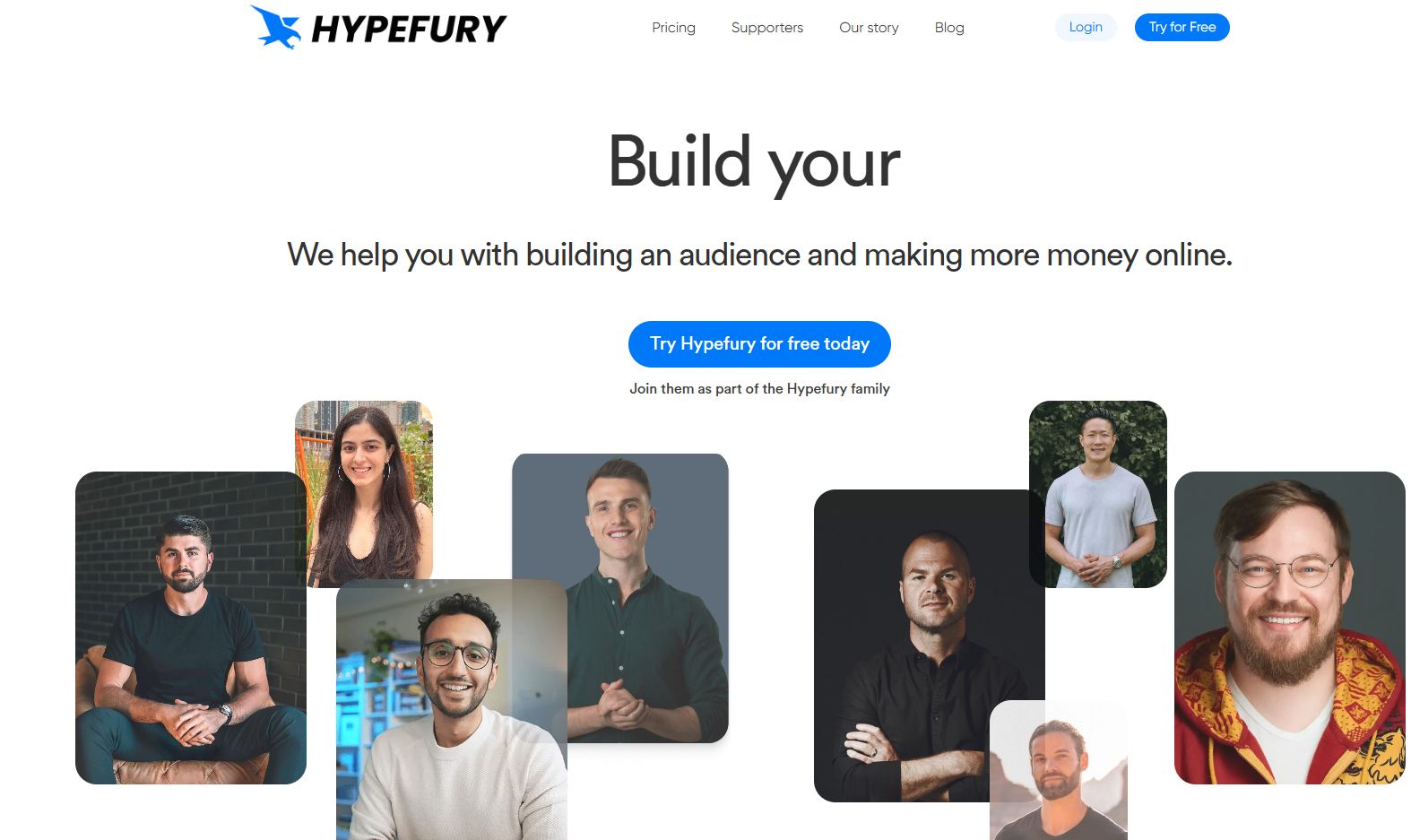
Example: Coaches and consultants use Hypefury to maintain a daily Twitter presence, increasing followers and leads.
Final Thoughts
Ahead of the year 2026, only those companies that act quickly, embrace risk and constantly improve will succeed. Gains are possible for companies of any size and in any industry. All you need is good planning, effective resources, and the determination to get things done.
Everyone in 2026 has access to growth hacks that really deliver results. Whether you’re starting out as a freelancer or are growing a business, these growth hacks will help you move forward. The world of digital business values doing over waiting for everything to be perfect before taking a step. Start with one strategy. Track the metrics. Adjust and expand. You shouldn’t wait. Start today.
Growth in 2026 isn’t about doing more, it’s about doing smarter. These hacks help you move faster with less effort. Continuous growth isn’t just optional, it’s survival.
Ready to outpace the competition in 2026? Pick one growth hack today. Track the results, double down, and let momentum do the rest.
Your growth curve starts now.
FAQs
What are the best growth strategies in 2026 for small businesses?
Content repurposing, viral referrals, and micro-influencer partnerships are among the most effective and budget-friendly growth strategies in 2026.
Can growth hacking work for freelancers or solopreneurs?
Absolutely. Growth hacking is designed for lean teams. Tactics like AI-powered outreach and niche collaborations work exceptionally well for solo operators.
How do I know if a growth hack is working?
Track key funnel metrics: user acquisition, activation, retention, referral, and revenue. If one improves significantly, your hack is effective.
What’s the difference between a growth hack and a marketing campaign?
A growth hack is experimental and iterative, often low-cost. A marketing campaign is typically planned, budgeted, and more traditional.
Are growth hacks sustainable in the long term?
Some hacks are one-time boosts, but when integrated with long-term strategy and product improvements, they can fuel sustained growth.
Do I need technical skills to do growth hacking?
Not necessarily. Many tools are no-code or low-code. The key is being analytical, creative, and action-oriented.
What role does timing play in growth hacking?
Timing can make or break a hack. Launching when the market is ready or when trends are rising can amplify results significantly.
How can I grow and hack my online remote work business?
Use community marketing (Reddit, Discord), personalized outreach, and automation tools like ChatGPT or Zapier to scale fast.