
Imagine a single founder sitting at their laptop late one evening, shipping code, drawing a brand logo, crafting a blog post, and pushing user onboarding, all without a co-founder, no marketing team, no sales force. In 2026, this vision is no longer a fantasy; it’s becoming the norm. The rise of AI tools, no-code platforms and automation has unlocked a new type of venture: the “one-person unicorn.” These are solo founders achieving seven-figure revenues or high valuations with minimal or zero full-time employees.
According to industry data, the share of startups founded by solo entrepreneurs rose from 22.2% in 2015 to around 38% by 2024.
What used to require dozens or hundreds of employees now can be done by one individual using the right AI stack. This shift is rewriting the rules of entrepreneurship: leaner teams, hyper-automation, and rapid iteration.
But why does this matter? For creators, freelancers, and solo entrepreneurs, this means you don’t need massive funding, huge teams, or endless overhead to scale big. What you need is clarity, leverage, and the right tools. In this blog we’ll explore how solo founders are scaling fast with AI, what it means, how they’re doing it, the key strategies, real case-studies, and how you can apply the same at your level.
What Makes A One-Person Unicorn?
A “unicorn” typically means a startup valued at $1 billion. But for our purposes, let’s define “one-person unicorn” as a solo-founder venture that scales to significant revenue (e.g., $1M+ ARR) or high market impact with essentially one person running it. The key features: minimal full-time staff, heavy automation, high leverage from AI and tools, and rapid iteration.
What sets them apart?
- Leverage: Where a traditional startup hires many roles (engineering, sales, marketing), the solo founder uses AI + tools to replicate many of these functions. For example: AI writing copy, AI customer support bots, no-code modules for MVPs.
- Speed: With fewer decision-makers, iteration happens faster. A solo founder can ship new features, test messaging, pivot quickly without a committee.
- Cost efficiency: Lower overhead means more profit and less reliance on external funding.
- Focus: Without multiple co-founders or big teams, the vision stays tight and unfragmented.
These are high-leverage, high-speed, minimal team ventures; enabled by AI and digital automation.
Why Solo Founders Are Scaling Fast With AI
1. Automation Replaces Many Roles
AI tools are now capable of replacing many tasks previously done by teams. According to one data set, AI-enabled solo entrepreneurs can accelerate time-to-market by 30% and reduce early-stage costs by 22%. This means the solo founder’s productivity can match or exceed what a team of 3-4 used to do.
2. Tools Are Accessible & Affordable
Where software licenses or custom builds used to cost tens of thousands, today many AI/no-code tools offer low entry cost. Solo founders can build MVPs without hiring full engineering teams. One report highlights how new generative-AI systems can launch ideas in days.
3. Changing Funding & Infrastructure Landscape
Data shows that roughly 35% of new U.S. startups in 2024 were solo founder ventures. While funding for solo founders is still lower than team-based ones, many are choosing bootstrapped or product-led growth instead of chasing VC. The emphasis shifts from “raise big, hire big” to “launch fast, scale lean.”
4. Niche & Creator Economy Explosion
Many solo founders are building creator-led ventures, where personal brand meets product. The fusion of content, community, product and AI means one person can serve a global audience. This is especially powerful when tools automate distribution, personalization, and monetization.
Key Strategies Solo Founders Use With AI
Strategy A: Build Product-Led Growth (PLG) Models
Product-led growth means the product itself drives adoption, with minimal sales friction. Solo founders often build self-serve SaaS, digital tools, templates, or content subscriptions where users onboard themselves. AI helps personalize onboarding, automate user support, and optimize retention.
Strategy B: Automate Customer Engagement & Support
Customer engagement used to require teams. Now a solo founder can deploy AI chatbots, auto-responders, personalized email flows, analytics dashboards. One example: an AI tool that auto-summarizes user sessions, writes follow-up emails, and manages onboarding tasks.
Strategy C: Leverage Content & Community
Personal brand + content = trust → users. Solo founders often become thought-leaders in their niche. They use AI to generate content ideas, optimize SEO, schedule posts, and engage the community. Then monetize via subscriptions or product sales. The community becomes both audience and market.
Strategy D: Outsource & Scale Asynchronously
Although “solo”, many leaders use fractional experts, freelancers, or micro-contractors for specialized tasks. AI tools orchestrate workflows, and the founder remains at the centre. The result: appear large, act lean.
Strategy E: Launch Fast, Iterate Frequently
Solo founders ignore perfection. They release MVPs quickly, collect user feedback, use AI analytics to iterate. They embrace the “fail fast, learn fast” mindset. With fewer hierarchy layers, decisions are faster.
Real-World Case Study: Solo AI SaaS Founder Reaches Million ARR
Consider Beehiiv, a newsletter platform originally founded by a small team (but illustrative of solo founder potential). While not exactly a single founder, it reflects the one-person unicorn ethos: high automation, minimal team, product-led growth. Data shows many such solo/near-solo companies are hitting several million in ARR with under 10 employees.
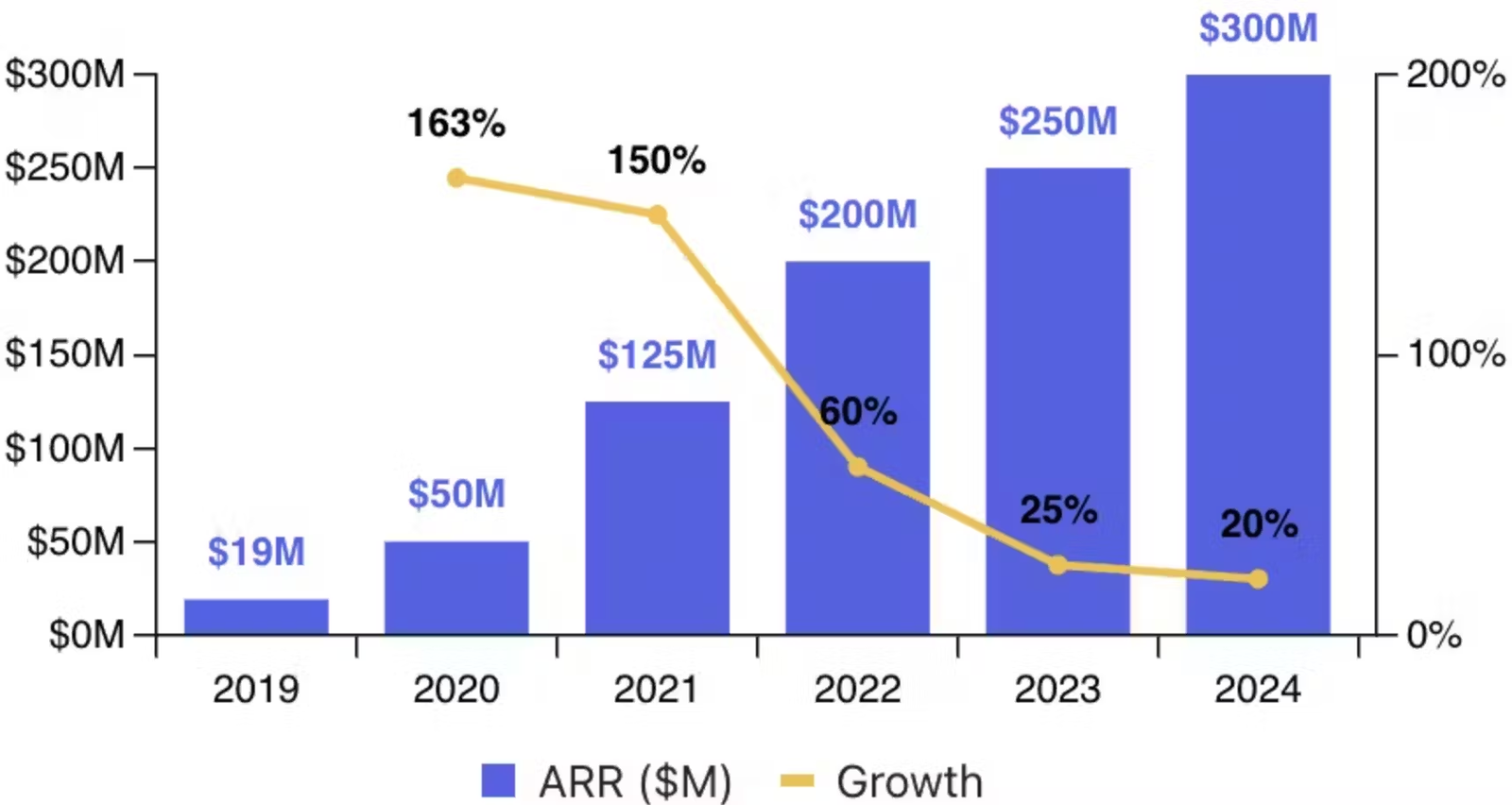
Key takeaway: Scaling fast doesn’t mean hiring fast.
It means structuring your business so:
One person + tools + community = growth engine.
The Mindset Shift: From Work-Horse to Work-Smart
Being a solo founder is often glorified, but the truth is harsh. You carry many roles. The difference? Smart solo founders don’t try to do everything, they orchestrate everything. They ask: “What can I automate? What can the community help with? What can I outsource?” They focus not on tasks, but on leverage.
Bonus tip: Adopt a “20-Hour Week” philosophy. If you can build a venture that works while you sleep or off-hours, you’ve reached true leverage.
Common Challenges for Solo Founders Using AI
- Burnout & isolation: Running everything alone is emotionally heavy. Research shows solo founders report higher burnout rates.
- Over-reliance on tools: If your stack fails, or AI policy changes, you’re vulnerable.
- Lack of cofounder bounce: No partner to challenge you, share vision, or hold you accountable.
- Funding bias: Only ~17% of solo-founder startups captured VC rounds in 2024
The key is planning for these: build community first, design solid workflows, prioritize health.
How You Can Start Today: 5-Step Roadmap
- Choose one high-leverage niche you know well.
- Pick a stack of AI/no-code tools to build MVP.
- Launch early, gather user feedback fast.
- Automate repeat tasks (support, billing, onboarding).
- Build content + community – turn users into advocates.
If you’re reading this and you’re solo today, good. You’re in the right era.
Final Thoughts
We’re witnessing a paradigm shift: one person, a stack of smart tools, and a global audience can now build what once required a team of 20. The term “unicorn” is being reimagined, not only by valuation but by scalability and leverage.
If you’re a solo entrepreneur, creator, or somehow building alone, know this: you’re not behind. You’re ahead. Because the infrastructure to scale alone has arrived.
At Digibble, we help solo founders craft strategies that scale; AI-stack planning, community building, and growth automation tailored for one-person companies. Want to become a one-person unicorn? Let’s talk and build your path together.
FAQs
Can a solo founder really build a unicorn with AI?
Yes. While billion-dollar valuations are rare, many solo founders are scaling to million ARR with minimal staff. AI enables this.
What AI tools do solo founders rely on most?
Generative AI for content, no-code platforms for build, automation for workflows, analytics for insights.
Do you need a technical background?
Not necessarily. No-code and AI tools lower the barrier, judgment, domain expertise and execution matter more.
How important is community when you’re solo?
Very important. Your users become your team, advocates, product testers. This amplifies you.
Are solo founder ventures riskier?
In some ways yes. Funding may be harder, you wear many hats. But risk is balanced by agility, lower overhead, and faster decision-making.
Does AI replace human creativity?
No. AI amplifies human creativity and execution. The core vision and customer insight still comes from you.
How do you avoid burnout as a solo founder?
Automate heavily, outsource where required, schedule downtime. Make self-care part of your system.
What’s the future outlook for a solo founder + AI model?
Strong. Trends show higher share of solo founder startups, increasing AI access, faster launch cycles. The solo founder is becoming a mainstream model.