
For over a decade, content calendars have been the backbone of digital marketing. Every business, creator, and marketing team used them to plan posts, assign deadlines, coordinate campaigns, and maintain consistency. But while content calendars helped organize work, they also created limitations. They were static, manual, time-consuming, and painfully slow in a world that now moves at the speed of algorithms.
In 2026, AI has officially disrupted this system.
What started as simple AI caption generators has evolved into a new era of autonomous AI campaigns systems that plan, create, schedule, and optimize content without human involvement.
This blog explores how AI is replacing traditional content calendars, why businesses are rapidly adopting autonomous systems, and what this shift means for creators, entrepreneurs, and brands in the years ahead.
The Rise of Autonomous AI Campaigns: A New Era of Content Execution
Autonomous AI campaigns are not just automated scheduling tools. They represent a complete transformation of how content is ideated, produced, and distributed. Instead of following a rigid human-made calendar, AI now uses real-time data to decide:
- What to post
- When to post
- Where to post
- How to adjust content for better performance
- How often the audience needs updates
- What formats will drive higher engagement
Think of it as hiring a strategist, writer, designer, scheduler, and analyst combined into one intelligent system capable of working 24/7.
This new era began when marketers realized they were spending more time planning content than creating impact. AI solved that problem by eliminating all unnecessary planning steps.
Why Traditional Content Calendars Are Becoming Obsolete
Content calendars used to work when marketing trends were predictable and platforms changed slowly. Today, algorithms update weekly, trends shift hourly, and audiences consume content at lightning speed. A calendar built at the beginning of the month becomes outdated by week two.
1. They Cannot Adapt Fast Enough
A traditional content calendar locks you into a schedule. If a post underperforms, goes viral unexpectedly, or a trending topic emerges, you’re stuck reorganizing the entire calendar. That “fixed” structure becomes a creative prison.
AI eliminates rigidity. Instead of following a fixed schedule, autonomous systems respond dynamically. If engagement spikes at 7 PM today but drops next week, AI adjusts instantly, no meetings, no rescheduling, no manual work.
2. They Require Manual Creativity and Planning
- Monthly brainstorming
- Caption writing
- Visual creation
- Research
- Competitor analysis
- Scheduling
Marketers spend hours and often full days creating content calendars. AI tools now automate all of this. They analyze performance history, trending topics, audience behavior, and platform changes to generate content strategies at scale.
3. They Don’t Optimize Content in Real Time
Once a human schedules a post, it’s set. If the post performs badly, it still goes live. If a better idea emerges, there’s no automatic replacement.
AI, in contrast, constantly evaluates performance signals. It can automatically:
- rewrite captions
- swap visuals
- adjust posting times
- reschedule underperforming content
- amplify content that’s gaining traction
This constant optimization makes traditional planning redundant.
How AI Actually Replaces Content Calendars: The Full Workflow
AI Step 1: Understanding Your Audience Better Than You Do
AI starts by analyzing millions of data points:
What your audience likes, comments on, saves, shares, scrolls past, the time they’re active, and the topics they resonate with.
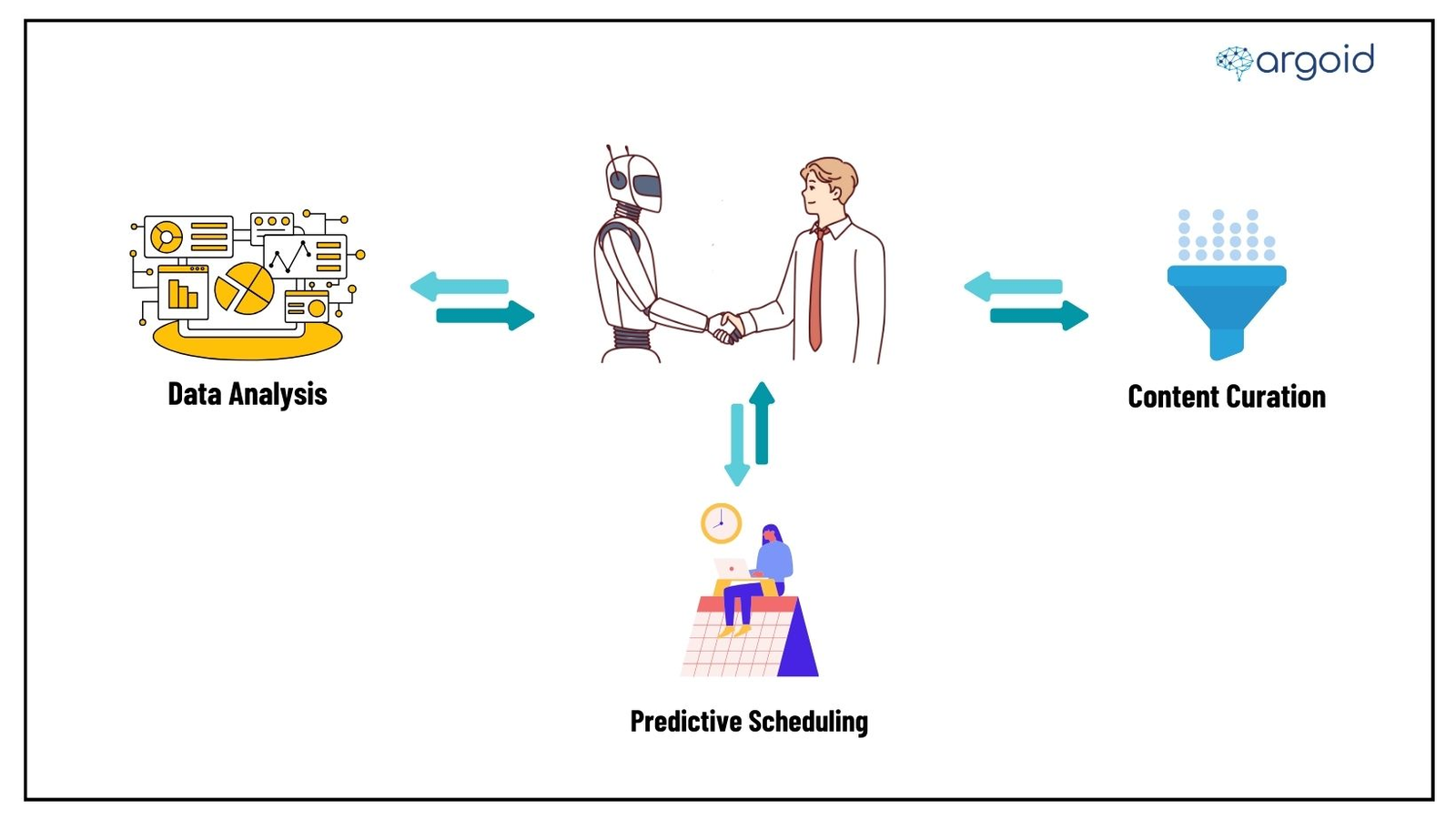
While humans rely on intuition or past experiences, AI uses data from hundreds of posts to build an accurate content direction, something a static calendar can never achieve.
AI Step 2: Generating an Entire Strategy Automatically
Unlike content calendars where planning takes days, AI can build a full monthly campaign in seconds. It defines:
- content pillars
- subtopics
- hooks
- seasonal trends
- formats (reels, carousels, static images, blogs, shorts, stories)
Your “content plan” becomes a living, evolving engine instead of a spreadsheet.
AI Step 3: Creating the Actual Content
This is where AI completely outshines human-managed calendars.
Modern AI tools create:
- captions
- hashtags
- brand-aligned visuals
- videos
- illustrations
- blog posts
- email newsletters
- ad copies
The full creative process from idea to finished asset happens in minutes.
Instead of planning what to post, you review and approve content generated for you.
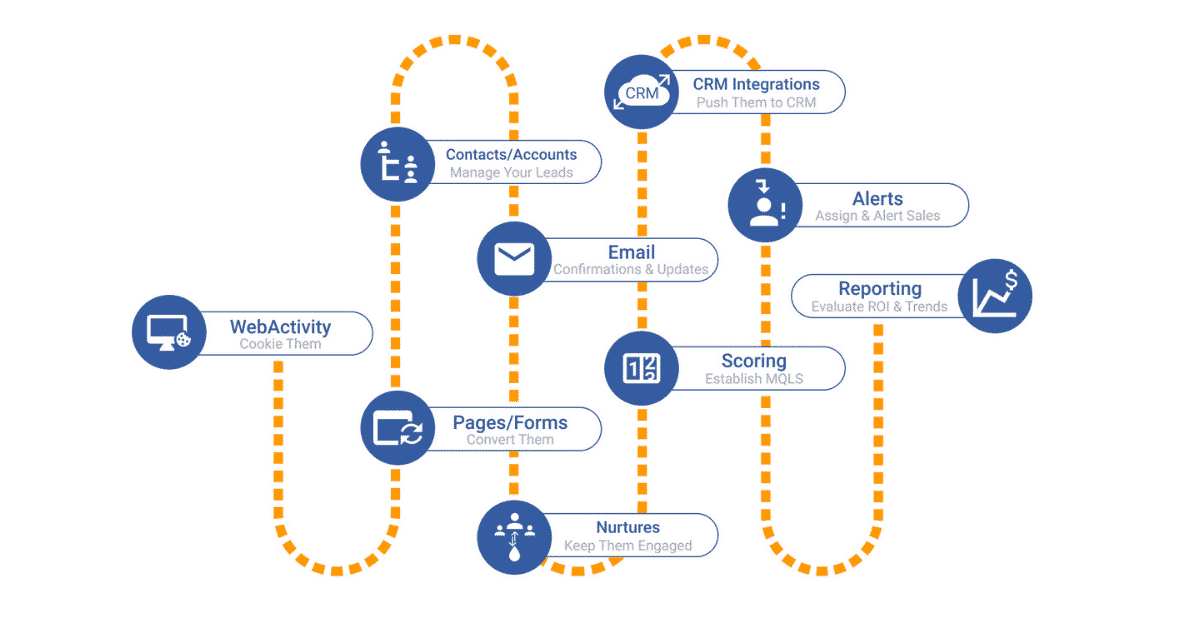
AI Step 4: Auto-Scheduling Based on Real-Time Algorithm Signals
Traditional content calendars schedule based on human assumptions.
AI schedules based on:
- engagement windows
- follower activity
- post lifespan
- platform priority signals
- competitor posting patterns
This means your content always goes out when it has the highest chance of performing well.
AI Step 5: Real-Time Optimization
This is the final nail in the coffin for traditional calendars.
AI can:
- boost posts that are performing well
- rewrite posts that perform poorly
- switch content formats
- create a new variation automatically
- change posting frequency
- replace or remove ineffective posts
The system improves continuously without needing human review.
What This Means for Businesses, Creators & Social Media Managers
Autonomous AI campaigns are a game changer for anyone trying to grow online.
Small businesses save 15–20 hours a week
No more content batching weekends or endless strategy meetings. AI handles everything from ideation to publishing.
Creators become 10x more consistent
Even when you’re busy, burnt out, or uninspired, AI keeps your content engine running.
Social media managers shift from doing → leading
Instead of being stuck writing captions or editing graphics, managers now supervise AI-generated campaigns, analyze insights, and guide brand direction.
Brands get higher reach, faster
Because AI constantly optimizes content, performance naturally improves over time.
AI Tools Leading the Shift to Autonomous Campaigns (2026 Edition)
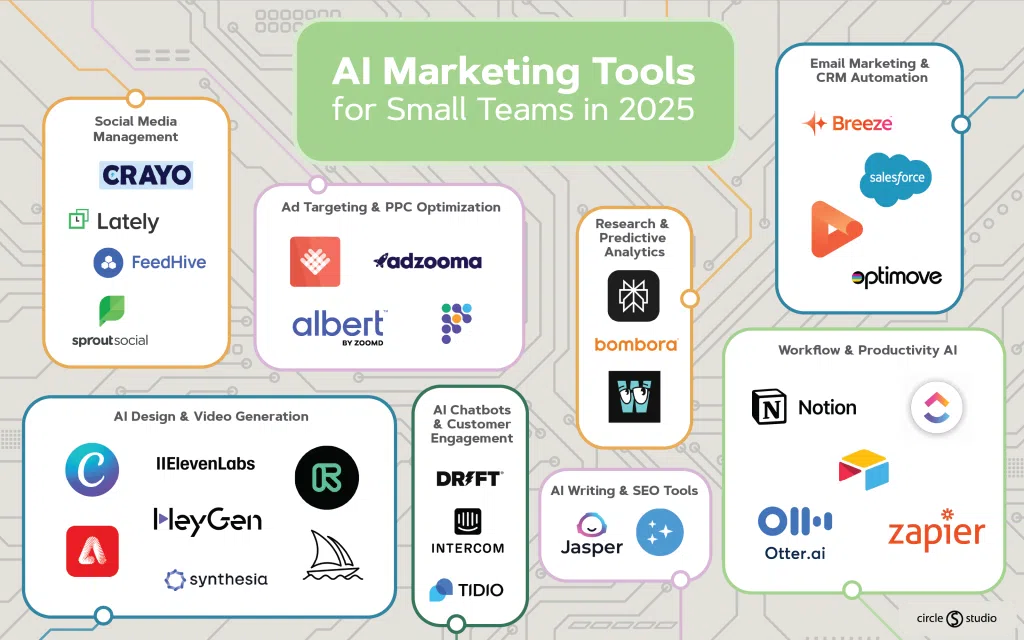
ChatGPT + Autonomous Campaign Builder
Creates multi-week or monthly campaigns with complete content assets.
Canva Magic Studio
Designs graphics, ads, templates, and visuals automatically.
Buffer & Hootsuite AI Assistants
Schedule, analyze, and optimize content with AI recommendations.
Notion AI
Handles brainstorming, planning, documentation, and outlines.
Jasper & Copy.ai
Generates high-converting social media and website copy at scale.
Every month, these tools are becoming more integrated, more intelligent, and more autonomous.
Will AI Replace Content Calendars Completely?
Not entirely at least not yet.
Content calendars won’t disappear, but their role will shrink dramatically.
What AI will replace:
- manual planning
- brainstorming sessions
- monthly content meetings
- scheduling
- real-time optimizations
- performance analysis
- content creation tasks
What humans will still control:
- brand voice
- creative direction
- approvals
- campaign objectives
- human storytelling
AI becomes the executor. Humans remain the visionaries.
How to Transition from Content Calendars to AI Campaigns
If you’re ready to adopt autonomous content, here’s a smooth transition framework:
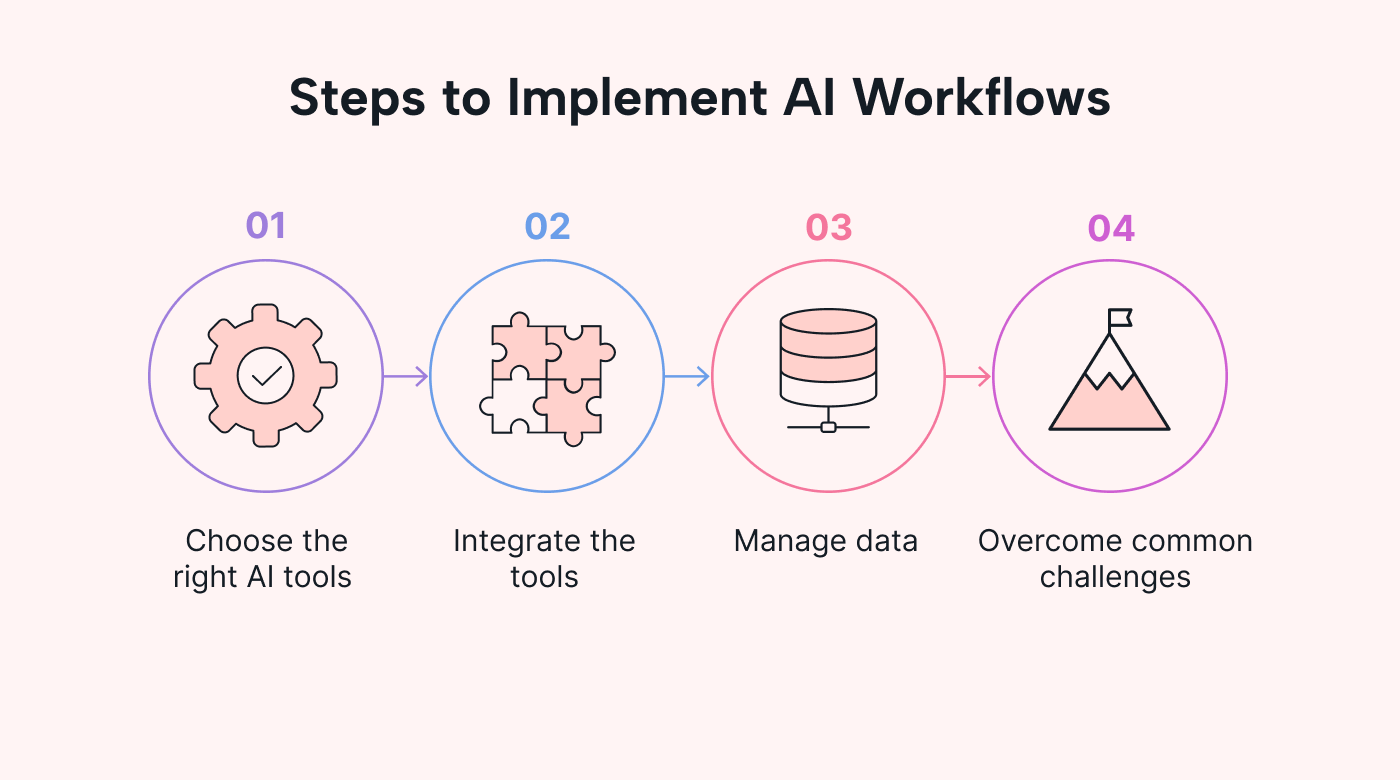
Step 1: Define your goals
Awareness? Sales? Community growth?
Step 2: Build your brand identity
Tone, voice, audience, formats.
AI needs clarity to perform effectively.
Step 3: Choose your AI tools
Start small with ChatGPT + Canva.
Add scheduling tools later.
Step 4: Feed AI your strategy
Tell it your niche, pillars, offers, and posting style.
Step 5: Let the system run and supervise the outputs
Make edits where needed, but let AI handle the heavy lifting.
Conclusion: The Future of Content Isn’t Planned; It’s Autonomous
The shift from traditional content calendars to autonomous AI campaigns marks one of the biggest marketing transformations of this decade. Instead of spending hours planning and scheduling content, businesses can now rely on AI that understands audiences, creates content at scale, adapts in real time, and optimizes campaigns for maximum results.
The future of marketing is not about planning posts.
It’s about creating adaptable, intelligent, dynamic systems.
If you embrace AI now, you’ll not only save time. You’ll gain an unfair advantage in consistency, creativity, and growth.
FAQs
Will AI replace social media managers?
Not replace! Upgrade. Your job will shift from execution → supervision.
Are autonomous campaigns affordable?
Yes. Even free tools now offer automation features.
Can AI match my brand voice?
Absolutely. Once trained, AI can stay consistent across platforms.
Is it safe to automate everything?
Yes. You still have full control and can edit or override anytime.