
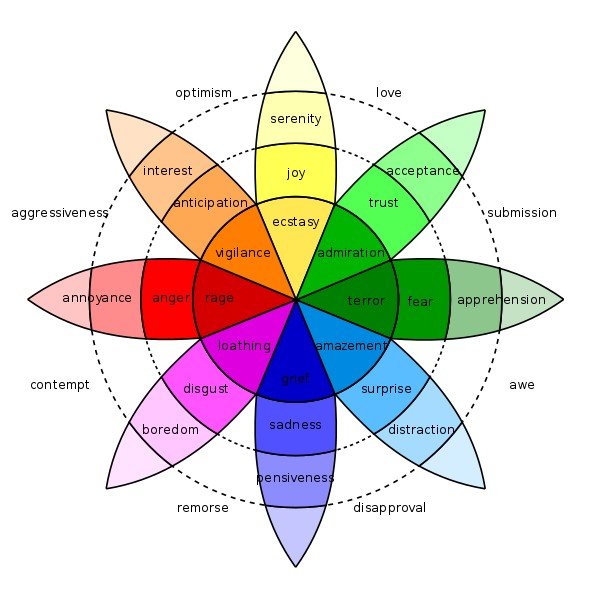
In a world flooded with digital ads and short attention spans, emotional marketing has emerged as a powerful way to cut through the noise. Research by Harvard Business School shows that 95% of purchasing decisions are subconscious and emotionally driven. Brands that succeed in tapping into human emotions, whether joy, nostalgia, fear, or hope create unforgettable impressions and earn long-term customer loyalty.
A compelling emotional marketing strategy isn’t just about selling a product; it’s about creating an experience, sparking a feeling, and building a lasting connection. In this guide, we’ll dive into the psychology behind emotional marketing, why it works, how to use it, and explore brand examples like Nike and Coca-Cola that have mastered this art.
What is Emotional Marketing and Why is It So Effective?
Emotional marketing refers to advertising and branding efforts that appeal to consumers’ emotions to make them notice, remember, share, and buy. Unlike traditional marketing which focuses on features or pricing, emotional marketing connects on a deeper level through values, empathy, and storytelling.
According to a Nielsen study, ads that generated an above-average emotional response from consumers caused a 23% increase in sales compared to average ads. When people feel something, they act, and more importantly, they remember.
Does Emotional Marketing Influence What People Buy?
Absolutely. Emotional marketing doesn’t just influence, it drives buying behavior. Psychology Today highlights that consumers often rely on emotions rather than information when making brand decisions. Emotional responses to ads are three times more likely to influence intent to purchase than the ad’s content.
Consider the difference between a shoe ad listing materials vs. a Nike ad showing a determined athlete overcoming obstacles. Which is more likely to inspire a purchase? The latter creates an emotional resonance, tapping into ambition and perseverance.
Stages of a Sales Funnel: TOFU, MOFU, and BOFU
To effectively use emotional marketing, you must align it with the buyer’s journey:
- TOFU (Top of the Funnel): At this stage, your audience is just becoming aware of a problem or need. Emotional marketing here should spark curiosity, inspiration, or surprise. Share viral stories, emotional brand videos, or powerful social media content that captures attention.
- MOFU (Middle of the Funnel): The audience is now considering options. Focus on building trust, empathy, and connection. Use case studies, emotional testimonials, and relatable storytelling to nurture interest.
- BOFU (Bottom of the Funnel): Now it’s time to convert. Use urgency, exclusivity, or even FOMO (fear of missing out). Emotional CTAs, limited-time offers, or social proof can help seal the deal.
Aligning emotions with the right funnel stage increases the likelihood of guiding your customer toward conversion.
What Are the Core Principles of Emotional Marketing Psychology?
- Emotion > Logic: Emotions guide reasoning more than facts do.
- Storytelling: Humans are wired for stories. We remember stories better than facts.
- Mirror Neurons: When we see someone feeling joy or pain, we mirror it. Emotional ads activate these parts of the brain.
- Brand Identity: Brands with clear emotional identities (e.g., Apple = innovation, Dove = self-esteem) outperform those without.
- Cognitive Bias: We’re biased toward things that make us feel good. Emotional associations stick and influence recall.
Which Emotions Attract the Most Engagement?
Research by Fractl reveals which emotions drive the most viral content:
- Awe (25%): This emotion triggers a sense of wonder and curiosity, encouraging people to pause, reflect, and share. Awe-inspiring content such as breathtaking visuals or powerful human stories leads to high engagement.
- Laughter (17%): Humor makes content more relatable and memorable. Funny ads, memes, and light-hearted videos boost shareability and form positive brand associations.
- Amusement (15%): Slightly different from laughter, amusement creates a pleasant distraction. Content that entertains like relatable reels or clever ad copy, tends to go viral quickly.
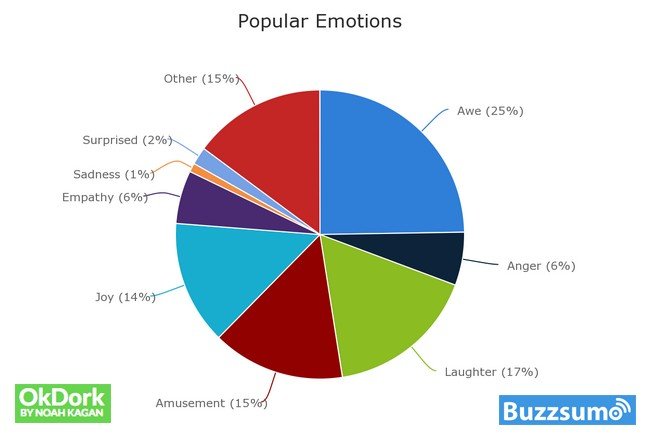
These emotions increase shareability, comment rate, and brand recall, making them powerful assets in content marketing.
Other Types of Emotional Appeals in Marketing
- Self-Esteem: Campaigns that empower individuals like Dove’s “Real Beauty” enhance feelings of confidence and personal worth. This appeal works well in personal care, fashion, and lifestyle niches.
- Trust and Authority: Featuring industry experts, credentials, or testimonials builds credibility. Consumers are more likely to trust and engage with content backed by reliable sources.
- Sadness: Though risky, this emotion fosters empathy. Charity campaigns often use emotional storytelling and visuals to trigger compassion and drive action (e.g., UNICEF or WWF).
- Fear: Fear-based marketing highlights consequences to create urgency. For example, cybersecurity companies emphasize data breach risks to encourage sign-ups. It must be used ethically to avoid manipulation.
- Anger/Disgust: Used to spark outrage or moral response effective in advocacy campaigns or social movements. These emotions can drive discussion and shares, but must align with your brand’s values.
Each appeal should match your brand tone and ethical boundaries to create meaningful, resonant messaging.
6 Techniques To Employ In Emotional Marketing
Triggering Specific Emotions
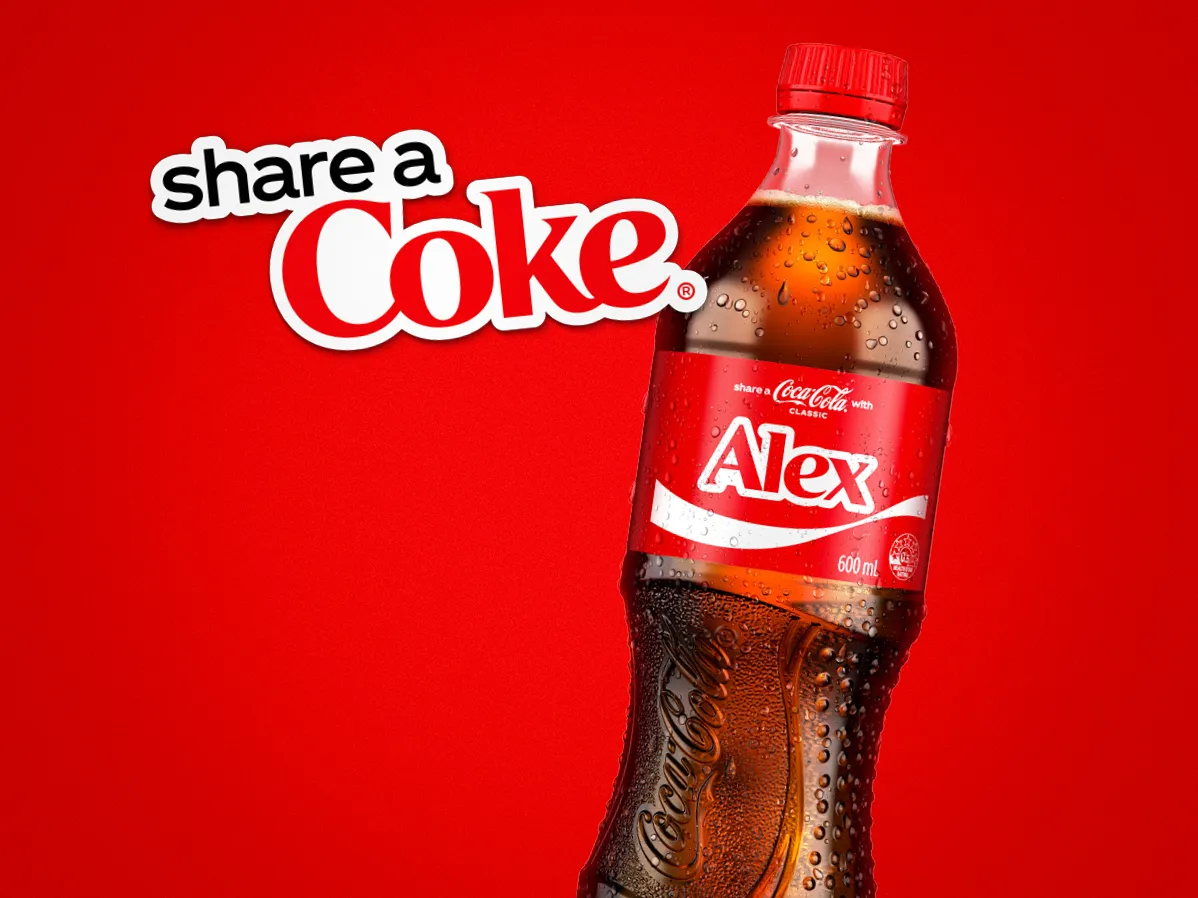
Design campaigns that evoke joy, pride, excitement, or urgency. Coca-Cola’s “Share a Coke” created emotional resonance by personalizing cans, making customers feel seen.
Storytelling
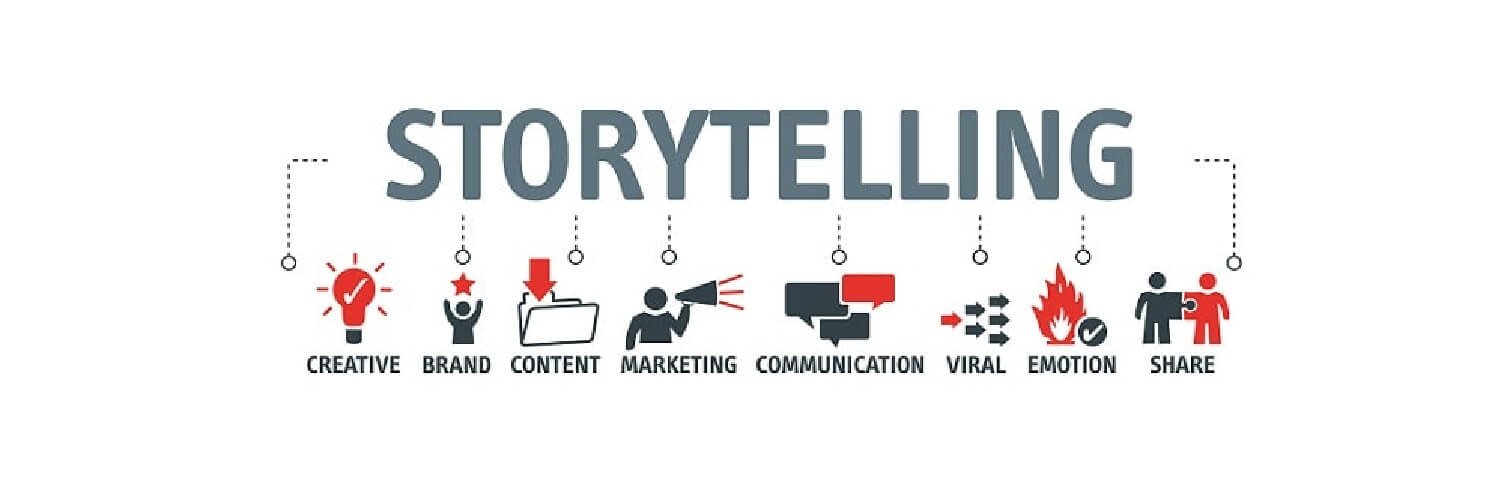
Storytelling increases engagement by 22x compared to data-heavy content. Share real-life stories, customer journeys, or inspirational narratives.
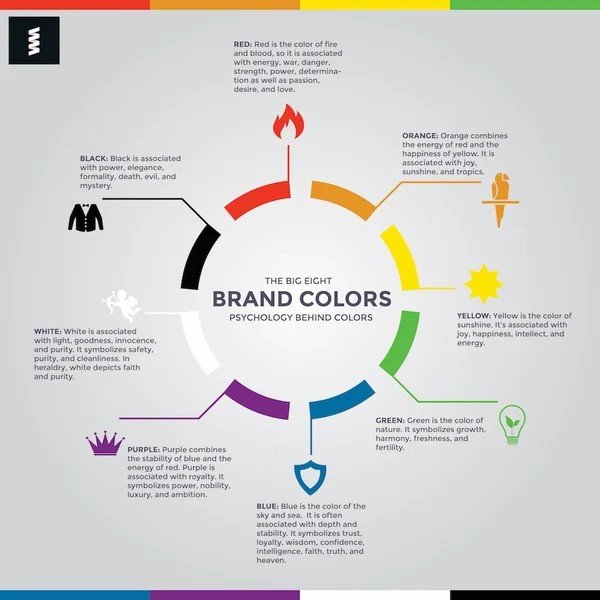
Color Psychology
Colors evoke subconscious responses:
- Red = excitement, urgency
- Blue = trust, calm
- Yellow = optimism
Music
Music boosts emotional engagement by 46%, according to Nielsen. Choose soundtracks that match your brand’s tone.

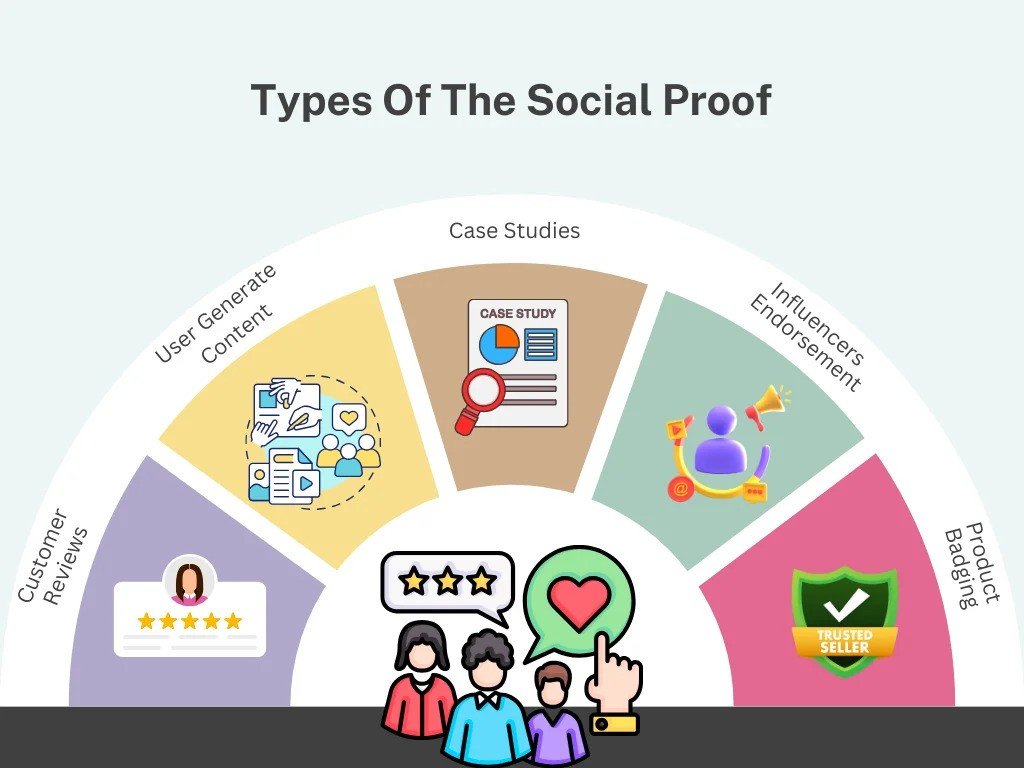
Social Proof
Reviews, testimonials, and user-generated content validate feelings and decisions.
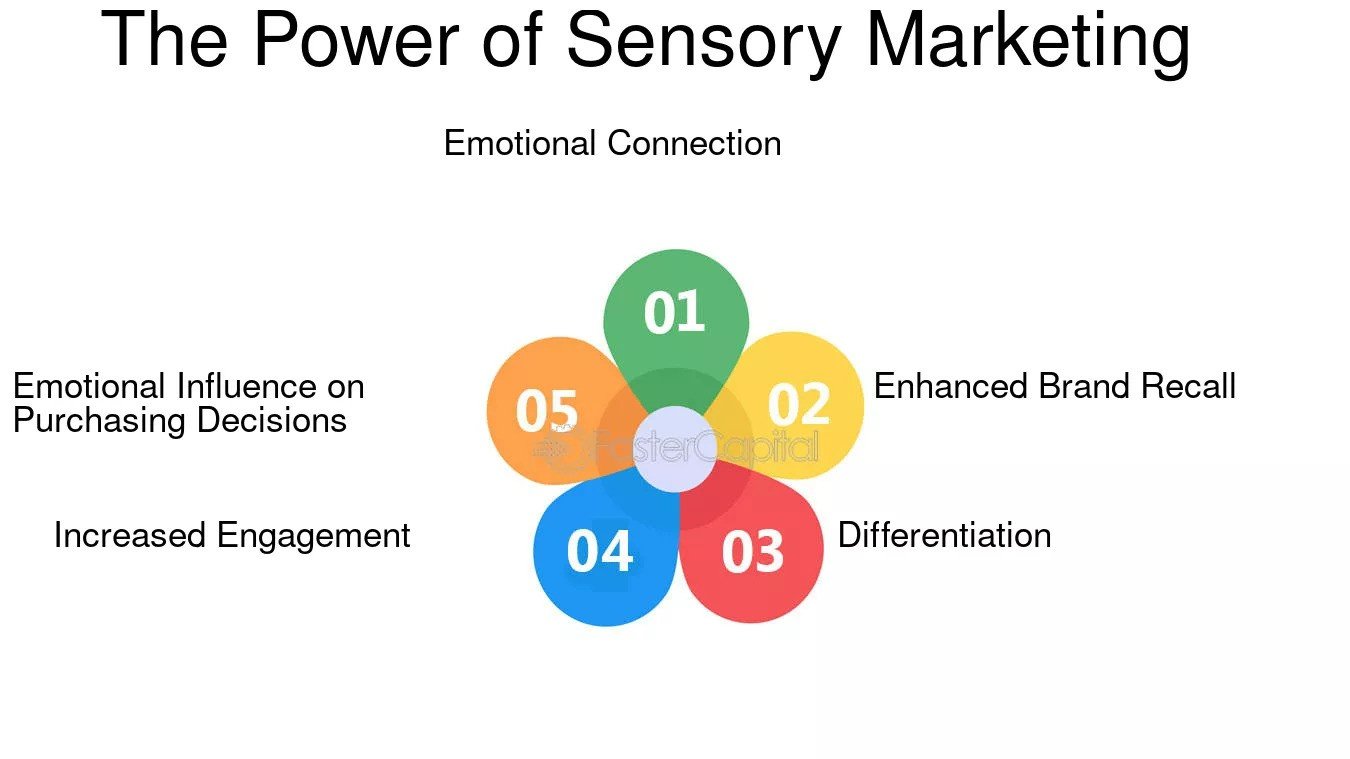
Sensory Marketing
Tactile, visual, or audio triggers create immersive experiences, think of Apple’s product unboxing.
Opportunities Where Emotional Marketing Can Be Magical
Addressing Crises
Example: Dove’s “Courage is Beautiful” honored frontline workers. It connected deeply during the COVID-19 crisis, enhancing brand sentiment.
Launching Products
Apple creates hype using emotional anticipation and sleek mystery around launches.
Cause-Based Campaigns
TOMS Shoes built an emotional connection through social impact: “One for One”.
Holidays and Festivities
Coca-Cola’s Christmas campaigns evoke warmth, family, and tradition boosting seasonal loyalty.
Building Communities
Harley-Davidson fosters community via its H.O.G. club promoting identity and belonging.
How To Do Emotional Marketing the Right Way
- Know Your Audience: Use buyer personas and emotional mapping
- Tell Authentic Stories: Feature real people, relatable struggles
- Use Visuals That Resonate: Match visuals to the tone of the message
- Create Emotional Consistency: From your tone to your visuals to your CTAs
- Be Empathetic, Not Manipulative: Transparency builds trust
- Leverage User-Generated Content: Customers trust people more than brands
- Test and Measure: Track emotional reactions using tools like heatmaps or engagement metrics
Real-World Case Study: Nike

Nike sells more than shoes, they sell dreams and determination. Their emotional marketing:
- Uses inclusive, empowering storytelling
- Features hero’s journey narratives of everyday people
- Aligns with social justice movements, making their brand values-driven
Nike has mastered emotional marketing with slogans like “Just Do It,” highlighting determination and resilience. Their ad featuring Colin Kaepernick, “Believe in something, even if it means sacrificing everything,” boosted online sales by 31% in just three days (source: Edison Trends).
Their campaigns consistently drive emotional engagement, loyalty, and viral social sharing, making Nike a global benchmark in emotional marketing.
Conclusion: Let Your Emotions Drive Results
In the era of connection, consumers don’t just buy what you sell, they buy how you make them feel. Emotional marketing goes beyond transactions. It’s about creating experiences, building trust, and inspiring loyalty that lasts.
If you’re a brand, entrepreneur, or freelancer looking to stand out, start tapping into the power of emotional marketing today. Whether you’re launching a campaign, telling your story, or building a community make them feel something.
Ready to turn emotions into conversions? Let’s build your brand story.
FAQs
Why does emotional marketing work?
Because emotions drive memory and decision-making, making ads more impactful and brands more memorable.
What is emotional branding and how to use it effectively?
Emotional branding builds a long-term relationship with the customer by aligning brand values with emotional needs.
What is emotional appeal and how to use it in marketing?
It’s using emotion-driven content (joy, fear, hope) to capture attention and drive action.
How does Nike use emotional marketing?
Through storytelling, purpose-driven campaigns, and aligning with consumers’ values and aspirations.
What emotions should I use in a campaign?
Depends on your goal. For loyalty: joy, trust. For urgency: fear, scarcity.
How can small businesses use emotional marketing?
Tell personal stories, showcase real customers, support causes, and highlight your mission.
Can emotional marketing backfire?
Yes! If it feels fake or manipulative. Stay authentic and brand-aligned.
Is emotional marketing effective on social media?
Absolutely. Emotional posts receive 2-3x more shares and engagement.