
In today’s startup world, audience-first startups consistently outperform product-first startups. This isn’t hype, it’s backed by real data. According to HubSpot, 64% of early-stage founders say their first customers came from an audience they built before launching anything. Meanwhile, YC partners highlight that distribution risk now outweighs product risk, meaning a brilliant product doesn’t matter if nobody is waiting to try it.
Modern buyers don’t respond to cold ads the way they used to. They respond to trust, repetition, authenticity, and familiarity. When a founder builds an audience early through content, storytelling, insights, and community, they are building demand before building a solution. This reduces launch stress, marketing costs, and failure risk.
Think about the most successful creator-led startups: they rarely start with a product. They start with a message something people resonate with. That resonance forms an audience. And from that audience comes the data, the direction, and the demand needed to build a product people actually want. This is the core idea behind audience-first growth and it’s quickly becoming one of the most important competitive advantages of 2026.
Why Audience-First Startups Win in 2026
Many founders still believe the best product wins. But in 2026, the better-distributed product wins. Algorithms reward consistency. Communities reward connection. And people reward creators they trust.
A strong pre-launch audience gives you advantages that no ad campaign can match. You get instant feedback loops, a group of early supporters who advocate for you, and an audience already familiar with your insights. A warm audience increases conversion significantly. Harvard Business Review reports that warm traffic converts 5x–8x higher than cold outreach.
Even if your first version is imperfect, an engaged audience gives you room to improve. They already trust your intentions and want you to win. That emotional advantage is something money can’t buy.
Start With a Clear Problem, Not a Product Idea
The biggest mistake founders make is falling in love with a product too early. Successful founders fall in love with a problem. When you talk about the problem, its frustrations, industry blind spots, and the emotional cost it creates. You naturally attract people who feel the same pain.
This becomes the seed of your early community.
People start responding:
“I have this issue too.”
“Please share more.”
“When are you launching something?”
By speaking deeply and consistently about a specific problem, you create a tribe of people who want solutions. These are the same people who end up becoming your beta testers, champions, and initial customers.
Bonus Insight: Unicorns like Notion, Slack, and Canva all began by understanding a problem intimately before building. Their early transparency and storytelling built trust long before a polished product existed.
Share Your Learnings Publicly
Building in public isn’t about bragging or sharing revenue screenshots. It’s about documenting your journey with honesty and clarity. When you share what you’re learning, noticing, struggling with, or curious about, your audience starts feeling emotionally invested in your progress.
A study by Edelman shows 81% of buyers trust brands more when they openly show their process, even when the process is imperfect. That’s because transparency humanizes you. It shows that you’re not a faceless startup, but a real founder solving real problems in real time.
Share insights from customer conversations, early experiments, product sketches, or market frustrations. Over time, this builds authority and relatability, two of the strongest advantages an early founder can have.
Create Content That Solves Micro-Problems
Before you build a solution, become known for solving small problems. Micro-problem content quick solutions to highly specific issues, positions you as the go-to expert in your niche.
Instead of trying to be broad, be useful.
Create content such as:
- Short tutorials
- Framework breakdowns
- Mini case studies
- Niche problem explanations
- Founder lessons
- Market insights
When people consistently learn from you, they automatically assume your future product will be valuable. This is how creators turn into founders and how founders turn into leaders.
Build a Community Instead of Just an Audience
The difference between an audience and a community is participation. An audience listens. A community engages, contributes, and advocates.
Communities give startups an unfair advantage because they create belonging. Data shows that brands with strong communities grow 2.5x faster and retain customers significantly longer.
You can build a community with just 10 people as long as they care deeply. Over time, those 10 become your early evangelists.
Communities thrive when:
- There is a shared identity
- People feel heard
- Members connect with each other
- The mission is bigger than the founder
It’s never too early to start a community. If anything, the earlier you start, the more loyal your members become.
Collect Emails, Even Without a Product
Email is still one of the highest-ROI channels in marketing, with an average return of 36x for every dollar spent. That’s why it’s essential to build an email list early even if your product is months away.
Your emails don’t need to be long. They just need to be helpful.
Send:
- Market insights
- Lessons learned
- Behind-the-scenes updates
- Curated tools
- Weekly summaries
This builds a habit. Your audience starts expecting value from you. So when you launch something new, they’re already warm, trusting, and ready to buy.
Test Early Ideas With Low-Stakes Experiments
You don’t need a finished product to validate interest. You can quietly test early concepts using:
- Simple landing pages
- Surveys
- Beta waitlists
- Mockups
- 1-page PDFs
- Prototype sketches
These low-cost experiments reveal what people truly want, not what founders assume they want.
Audience-first founders validate early, quickly, and often. This reduces time wasted on building features that nobody cares about.
Collaborate With Creators and Micro-Influencers
Collaboration creates instant visibility. When you partner with other creators especially micro-influencers you borrow their trust and reach.
Content collaborations feel organic, not sales-driven. They humanize your brand and help expand your early audience far beyond what you could achieve alone.
Collaborations might include podcast interviews, co-written newsletters, shared threads, or mini workshops. They are low-cost, low-risk, high-leverage accelerators for early-stage startups.
Run Permissionless Marketing
Permissionless marketing is the engine behind modern startup visibility. You don’t wait for a website, perfect branding, or a polished prototype.
You simply start talking publicly.
This creates organic discovery. Every time you share insights, lessons, or behind-the-scenes updates, you activate new audiences. This makes your founder journey visible, relatable, and shareable. By the time your product launches, you’re not a stranger, you’re someone people have been following, learning from, and trusting.
This is the secret behind modern founders who blow up on LinkedIn, X, and YouTube before they even start building.
Turn Early Followers Into Active Collaborators
One powerful strategy audience-first startups use is transforming followers into collaborators. When you involve your audience in decisions naming features, voting on designs, shaping the roadmap, they become emotionally invested in the outcome. This creates stronger loyalty and turns passive followers into active contributors.
When people help build something, they want it to succeed. This is how many Web3 and community-led startups grew rapidly: through co-creation, shared ownership, and deep collaboration. Even without tokens, the psychological ownership alone turns early members into champions.
Build Authority Through Founder’s POV Content
People don’t follow companies. They follow founders. Founder POV (Point of View) content is one of the fastest ways to build trust because it feels personal and real. Founders who share their beliefs, lessons, frameworks, and observations naturally attract people who share those values.
This creates alignment.
And aligned audiences convert significantly faster than general ones.
Founder POV content also helps shape the brand’s identity long before the brand officially launches. It’s the easiest way to make people care about what you’re building.
Use Data and Narratives to Strengthen Your Messaging
Storytelling alone doesn’t always work. Data alone doesn’t always connect. But when you mix both data + story, you create highly persuasive content. This is especially powerful for founders building an early audience.
Use real metrics, real observations, real conversations, and real user behavior in your content. When your audience sees you’re speaking from experience, not theory, you automatically gain authority. This builds demand for your product before it exists.
Case Studies
Before looking at specific examples, it’s important to understand why these case studies matter. They show a pattern: the world’s most successful modern startups did not begin with a product. They began with content, community, and education. The product came later built with real audience insights.
Case Study 1: Notion — A Community Before a Company
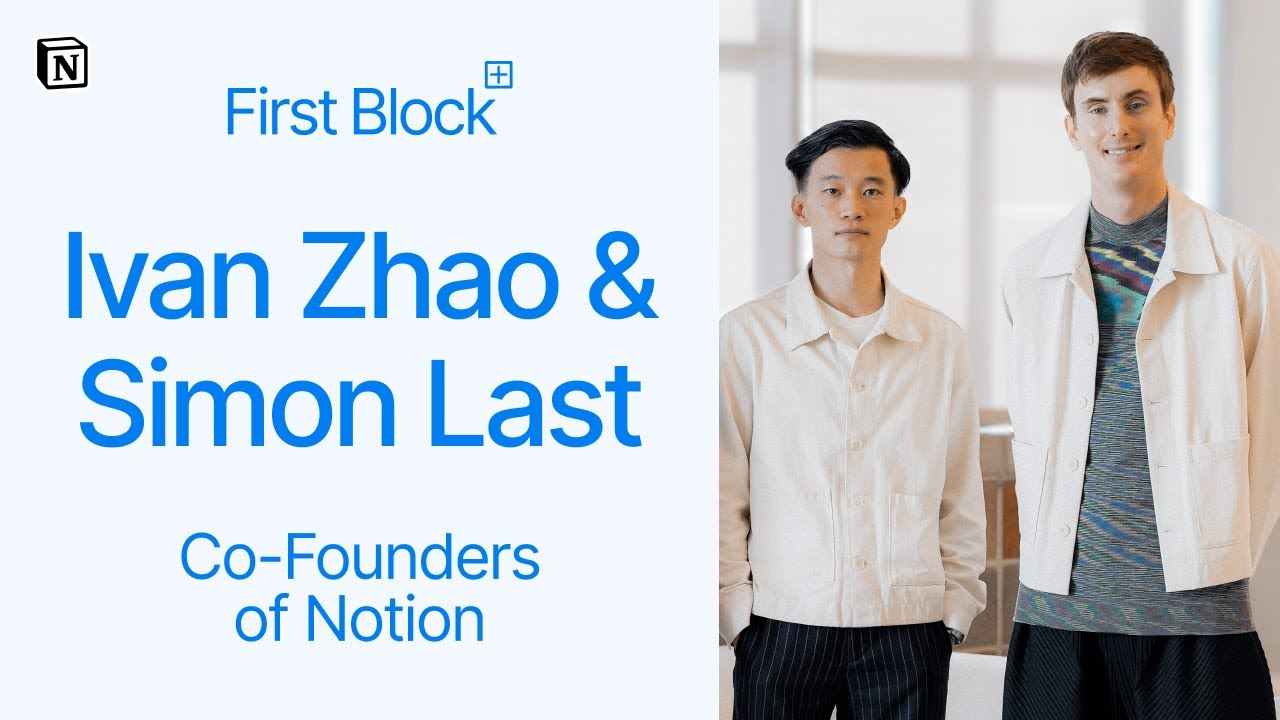
Notion’s rise wasn’t accidental. In its early years, the team struggled with product direction and nearly shut down. Instead of rushing a relaunch, they spent years strengthening the community around their vision of flexible, modular productivity.
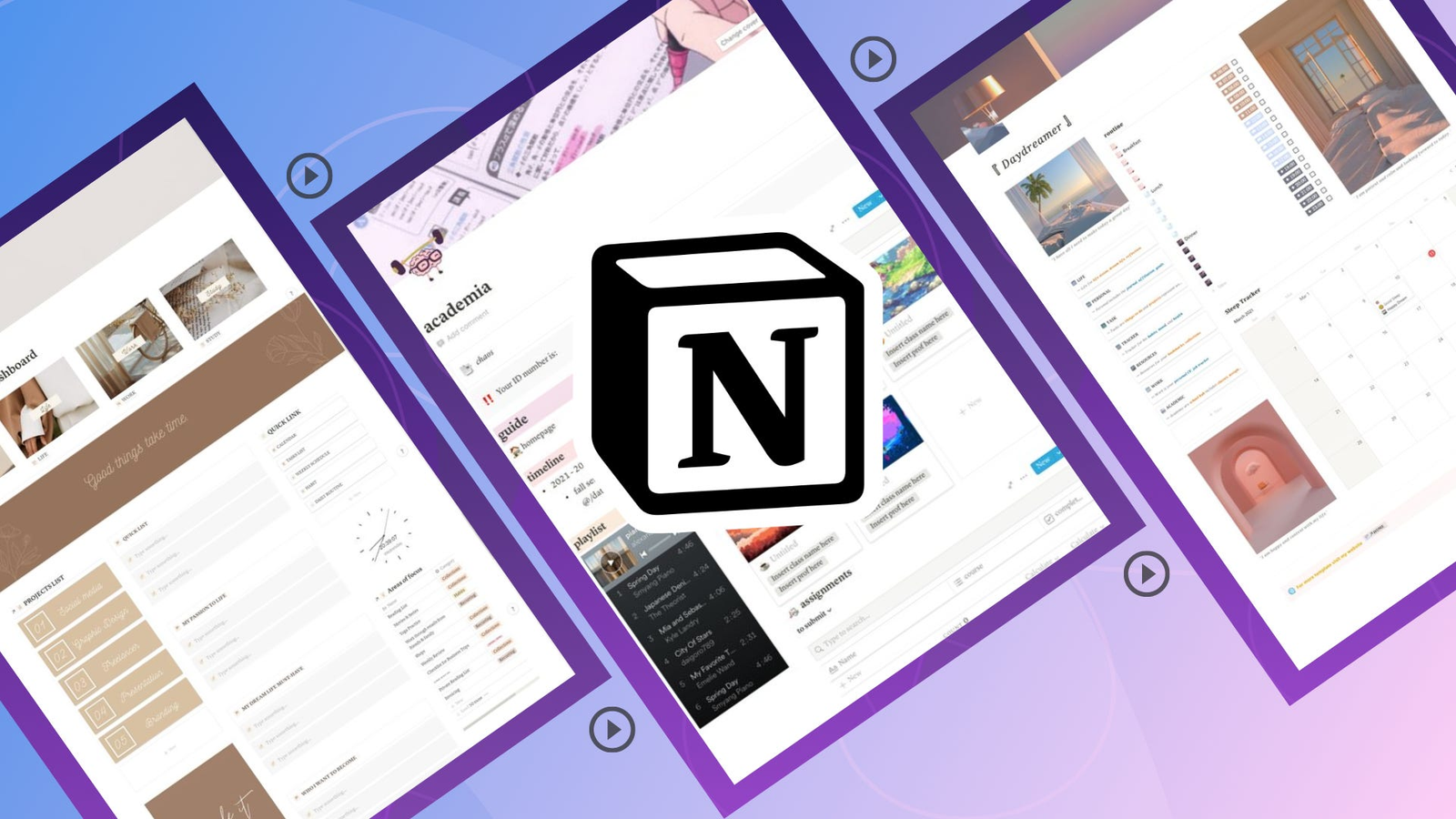
They encouraged creators to build templates, film tutorials, and share workflows. Notion’s early community became their marketing engine long before the product was refined. When the company finally relaunched, there was already massive pent-up demand. Users weren’t just curious, they were waiting.
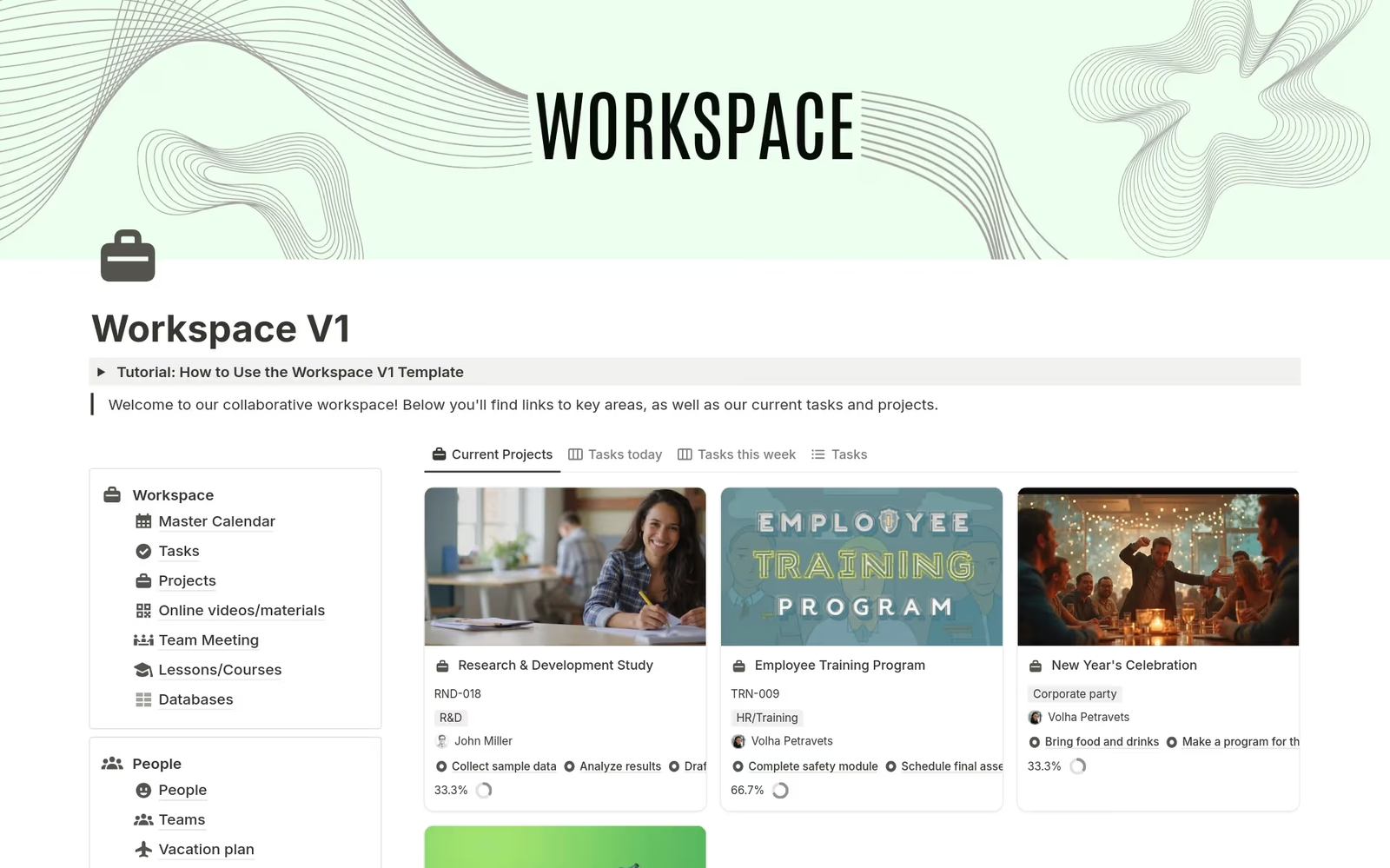
Today, Notion’s multi-billion-dollar valuation is a direct reflection of this community-first approach.
Case Study 2: Figma — Education Before Monetization
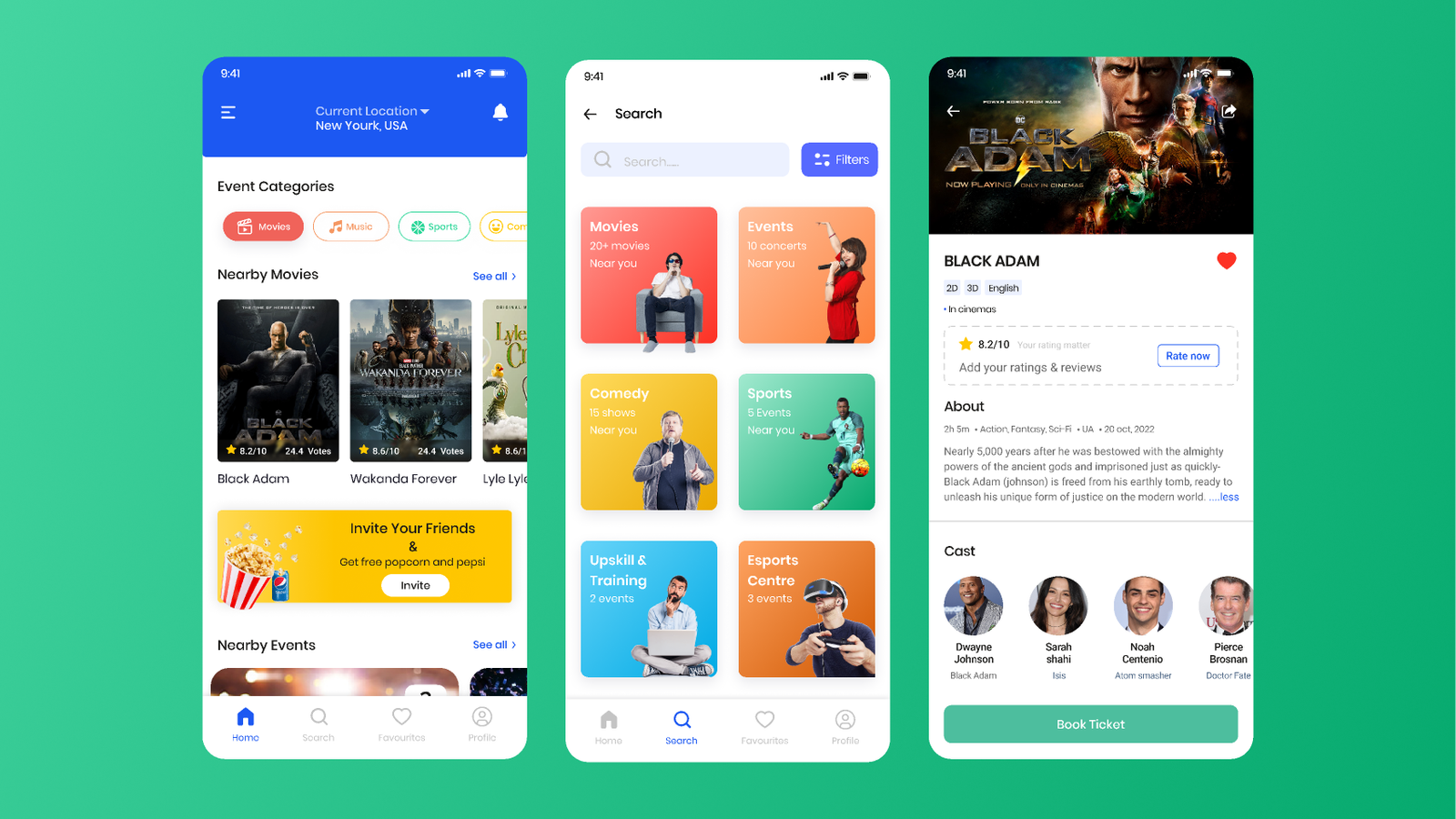
Figma didn’t try to push a product immediately. For years, they focused on educating designers. They ran workshops, design jams, free training, and community events across universities and design hubs.
They empowered designers to learn, collaborate, and experiment.
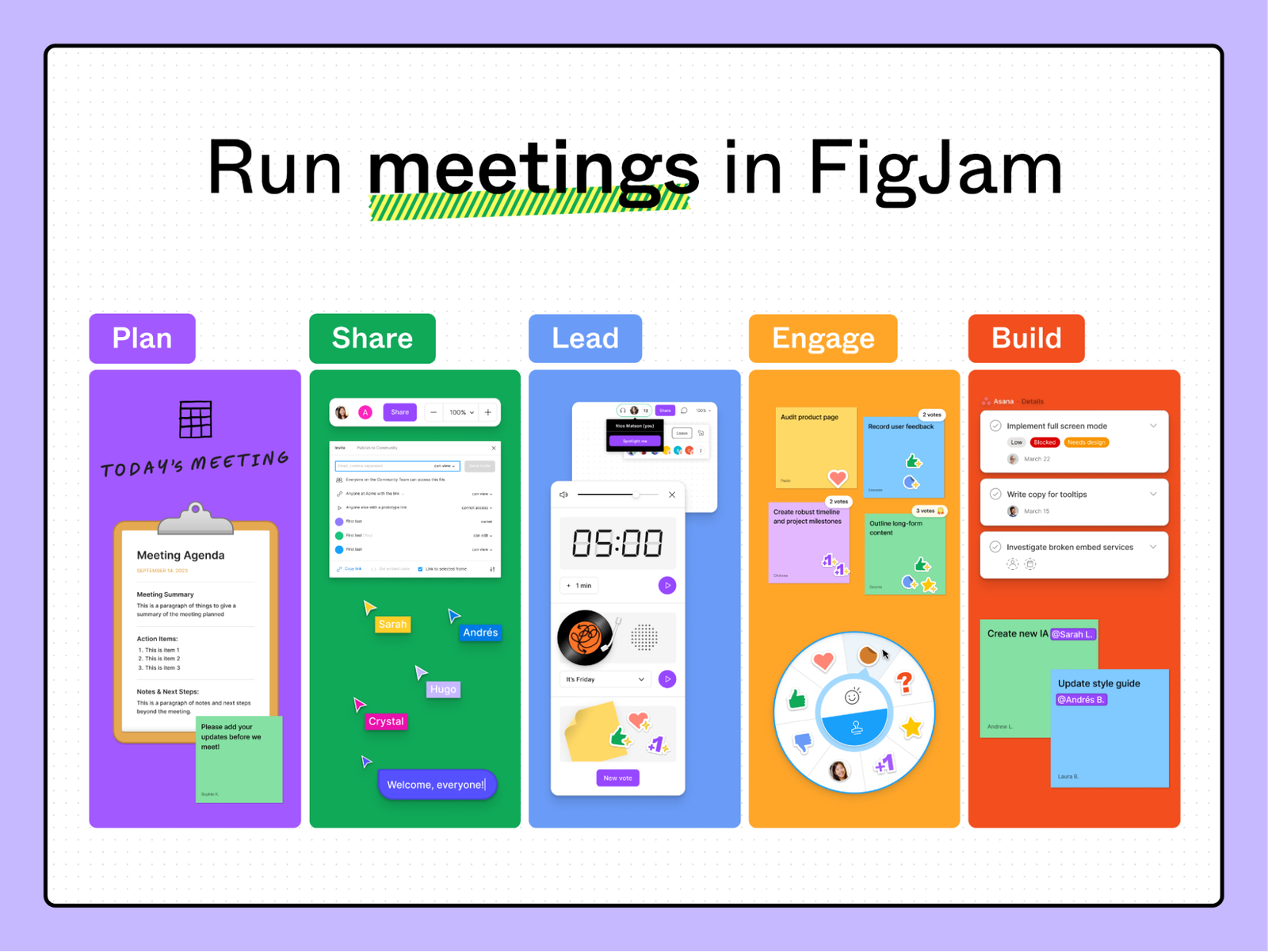
As a result, when Figma launched publicly, design communities already trusted them. Designers weren’t just users, they were advocates. With this early momentum, Figma grew organically through word-of-mouth, ultimately leading to Adobe’s record-breaking $20 billion acquisition attempt.
Conclusion: Why Your Audience Is Your First Real Advantage
Building an audience before building your product isn’t a shortcut, it’s the foundation of modern startup success. When people know you, trust you, and learn from you, launching your first version becomes dramatically easier.
Your audience becomes your early traction.
Your insights become your marketing.
Your community becomes your competitive moat.
And if you want help creating that engine. Digibble is here. We help founders build audiences, craft narratives, and create visibility systems that convert attention into customers long before launch day.
Build your audience now. Build your product next.
Send a message to Digibble. Let’s start your growth journey today.
FAQs
How soon should a startup begin building an audience?
Immediately. Ideally, months before building your first version.
What platforms should founders use first?
Where your audience already hangs out. LinkedIn, X, YouTube, or niche communities.
What type of content should I share before having a product?
Share insights, market lessons, founder updates, and problem-focused stories.
Do I need a large following?
No. Even 100 engaged followers can become your first profitable users.
Should I use paid ads before launch?
Not recommended. Organic audience-building is more trusted and cost-effective.
What does an audience-first MVP look like?
A simple landing page, prototype, PDF, or small demo is enough to validate interest.
How long does it take to build a pre-launch audience?
Around 60 -120 days with consistency.
What’s the biggest mistake founders make?
Quitting too early. Audience building accelerates right after most people give up.