
In the fast-paced world of social media, going viral isn’t just a vanity metric. It can mean the difference between brand obscurity and overnight success. But despite consistent posting, thoughtful visuals, and a solid message, many creators, brands, and small businesses are still wondering: Why aren’t my posts going viral?
According to a 2025 report by Statista, over 4.95 billion people actively use social media, and with more than 300 million posts shared daily, the competition for attention is intense. You’re not alone if your posts are falling flat.
In this blog, we break down the exact reasons your content isn’t going viral, how social media algorithms actually work, and actionable fixes to boost visibility, reach, and engagement in 2026.
About Going Viral on Social Media
To “go viral” means your content spreads rapidly across the internet, reaching audiences far beyond your usual followers. Viral content typically has a high engagement rate, sparks conversation, and is often shared, saved, or repurposed by others.
But virality doesn’t happen by accident. It results from a well-aligned combination of content quality, timing, emotional appeal, and platform algorithms.
Understanding the Platform Algorithm
Each social media platform has a unique algorithm that determines what content gets pushed to more users. Let’s break down the big ones:
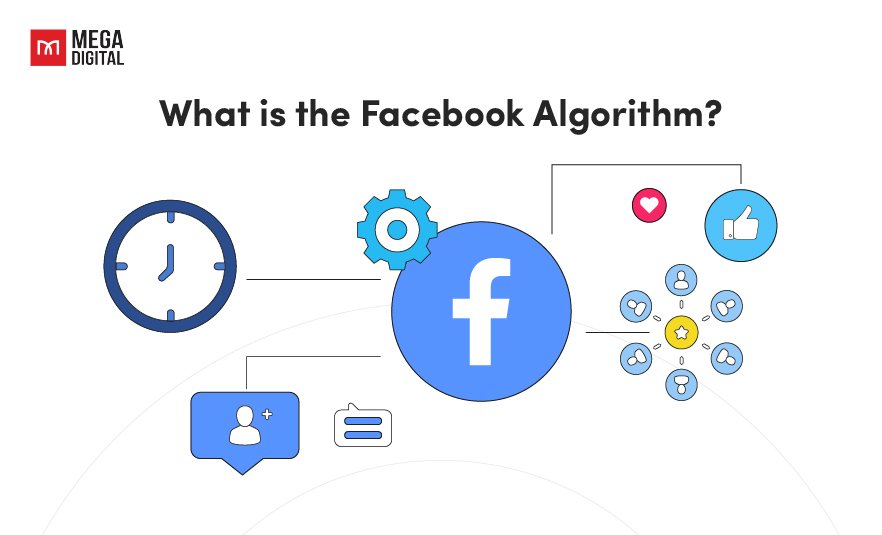
- Prioritizes content from friends, family, and groups.
- Engaging posts with lots of comments and shares perform better.
- Short-form video and carousel images see more reach.
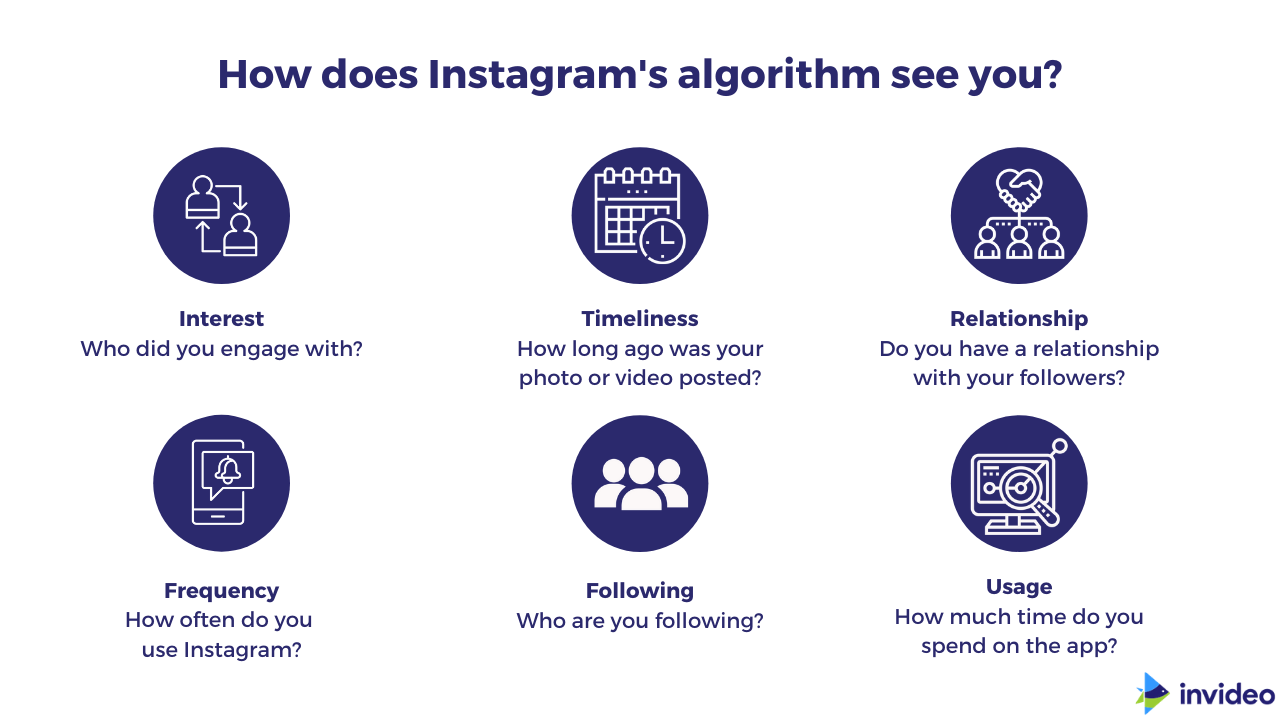
- The Reels algorithm prefers trending audio, engagement speed (likes/comments/saves in the first 30-60 minutes), and originality.
- Stories are prioritized based on DMs and interactions.
- Carousels and videos typically have higher reach than single-image posts.
TikTok
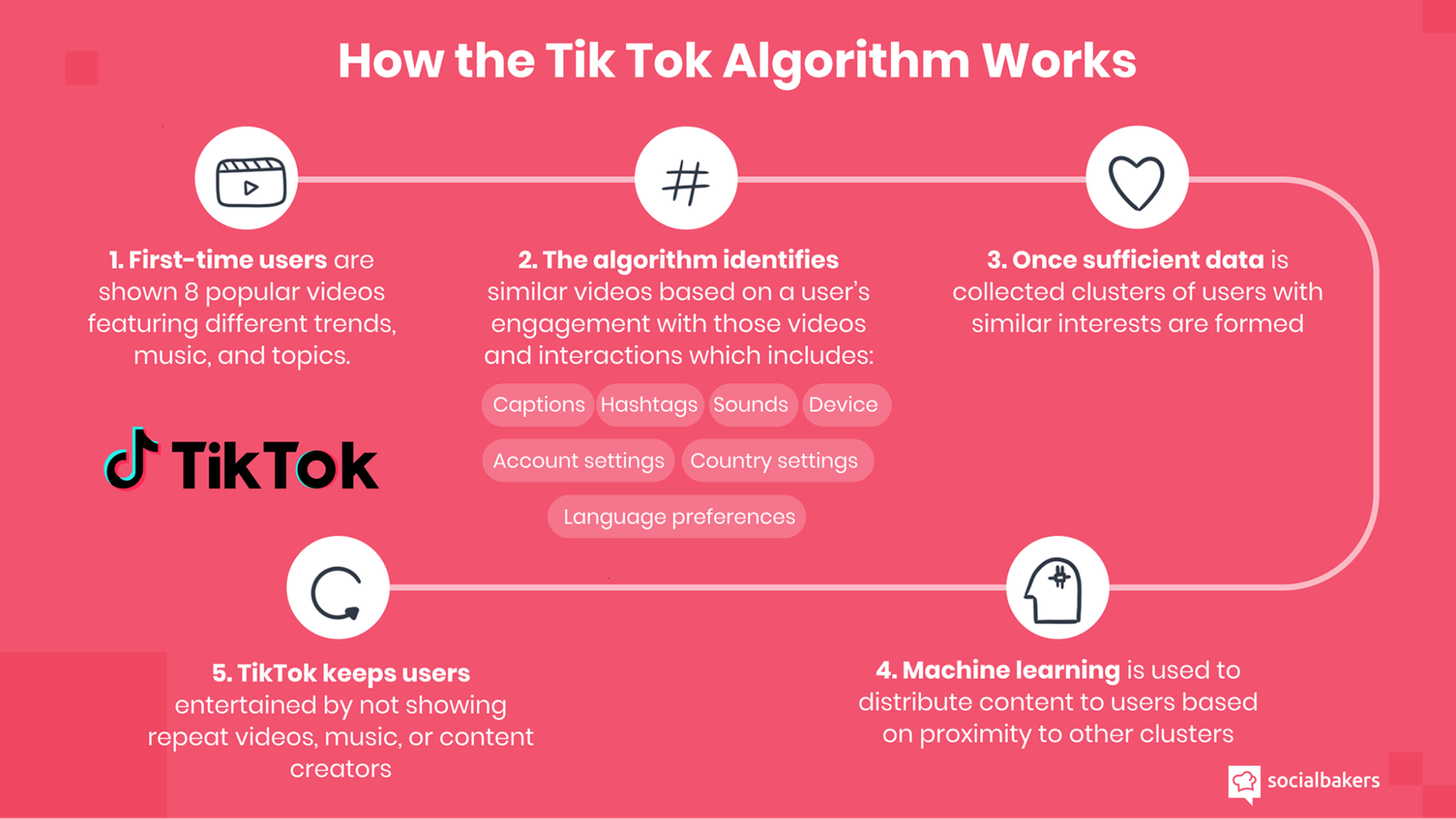
- TikTok uses interest-based and behavior-based targeting.
- The “For You Page (FYP)” algorithm emphasizes watch time, completion rate, and interactions.
- Trending sounds and challenges are prioritized.
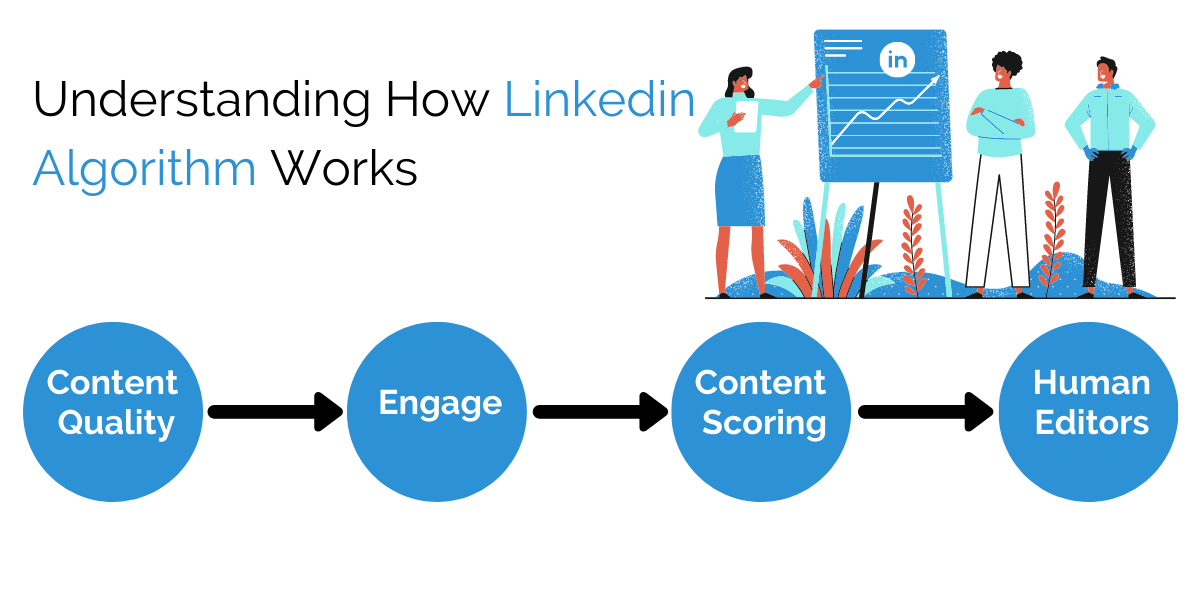
- Values native content (no external links), thoughtful comments, and shares.
- Posts with storytelling, value, or career advice see higher reach.
- Frequent engagement within the first 90 minutes is key.
YouTube
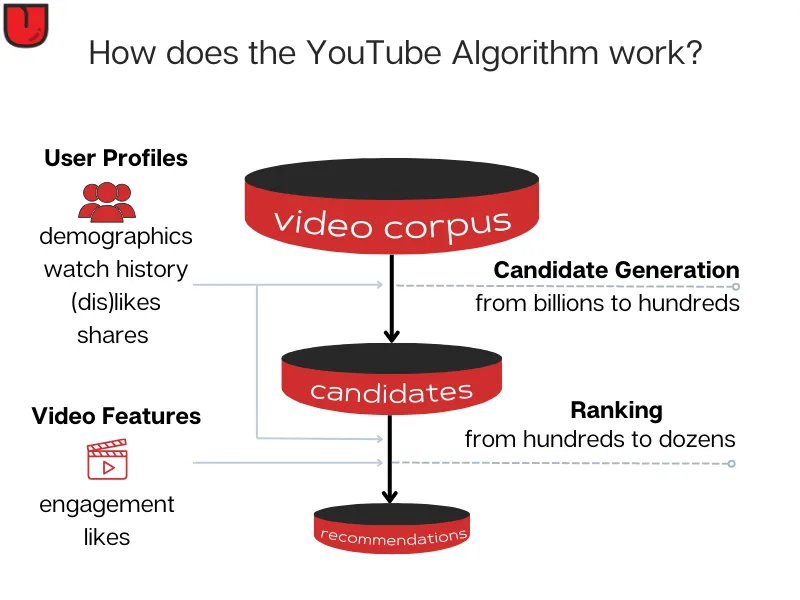
- The recommendation algorithm focuses on click-through rate (CTR), watch time, and viewer retention.
- Shorts rely on looping watch time and shareability.
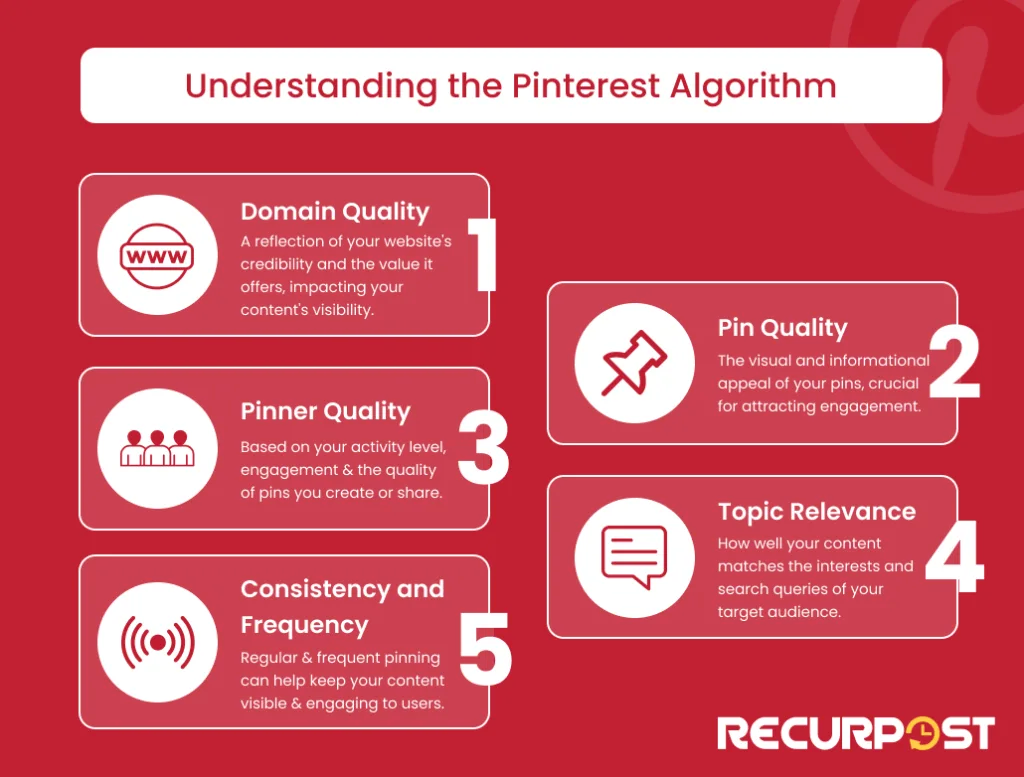
- Prefers fresh pins with keyword-rich descriptions.
- Long pins (vertical) and video pins get prioritized.
- Engagement signals like saves and outbound clicks matter most.
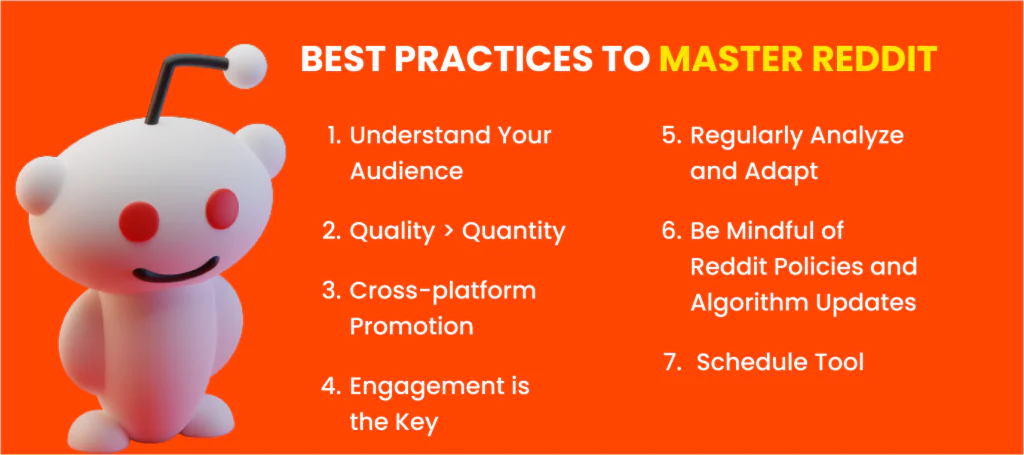
- The upvote/downvote system determines visibility.
- Posts in niche subreddits with high community interaction perform best.
- Timing matters – mornings (US time) get higher visibility.
Quora
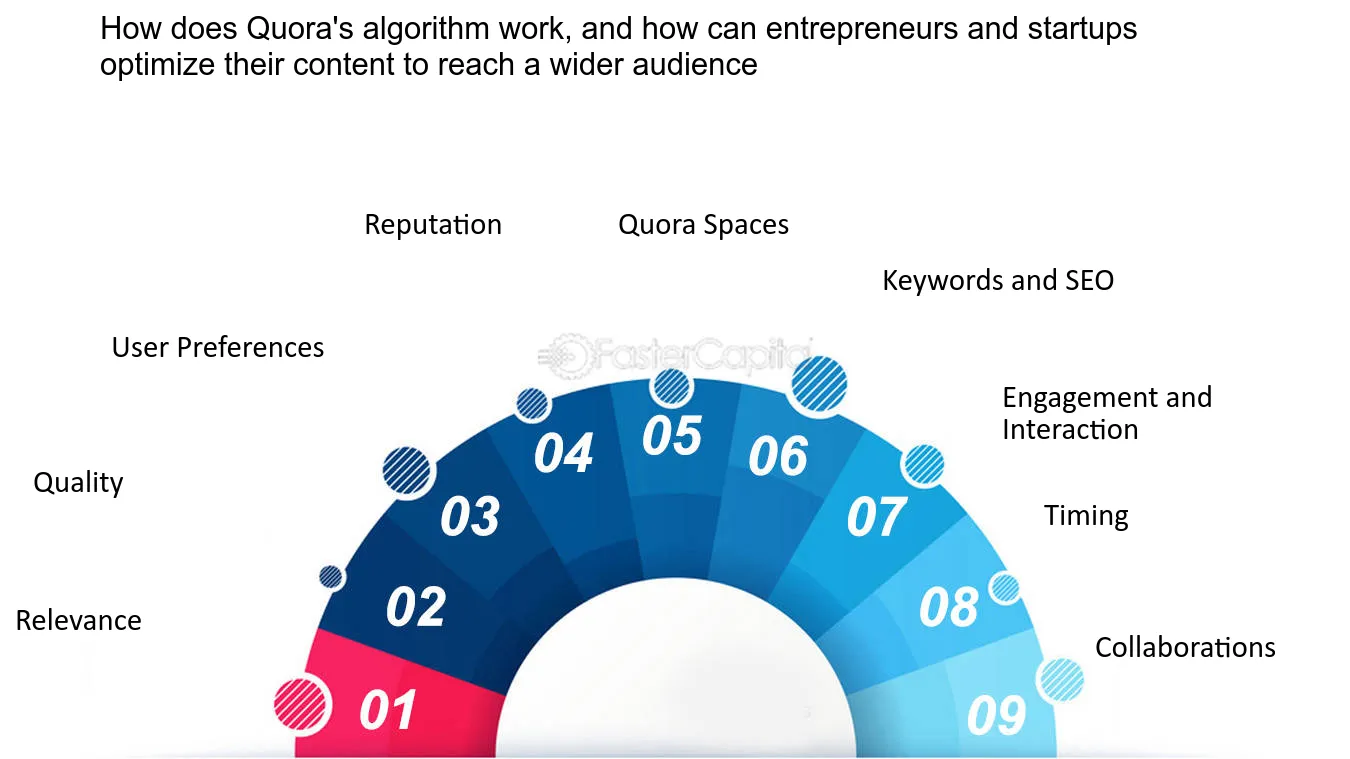
- Relevance, credibility, and helpfulness determine answer ranking.
- Posts that receive upvotes and shares are recommended more often.
How the Algorithm Determines Virality
Social media algorithms prioritize content that shows early signs of engagement. The following signals determine if a post gets pushed to a broader audience:
- High watch time (for videos)
- Comments and saves
- Share rate and reposts
- External shares (via DM or off-platform)
- Completion rate (especially for Reels and TikToks)
- Click-throughs (for stories, links, or YouTube)
Bonus Tip: Focus on your first 30–60 minutes post-publishing. This window is critical for triggering the algorithm.
Factors That Influence Your Reach
Several hidden factors can significantly affect your visibility:
- Posting time: Align with your audience’s peak online times.
- Content format: Videos, carousels, and stories generally perform better than static images.
- Emotional hooks: Use storytelling, relatability, and curiosity to draw attention.
- Platform consistency: Frequent and regular posting increases chances of visibility.
Brands that post 3–5x weekly see 2x higher engagement than those who post less often (Source: Sprout Social, 2025).
Social Media’s Most Viral Content (With Real Examples)
Example 1: Canva on Instagram Reels
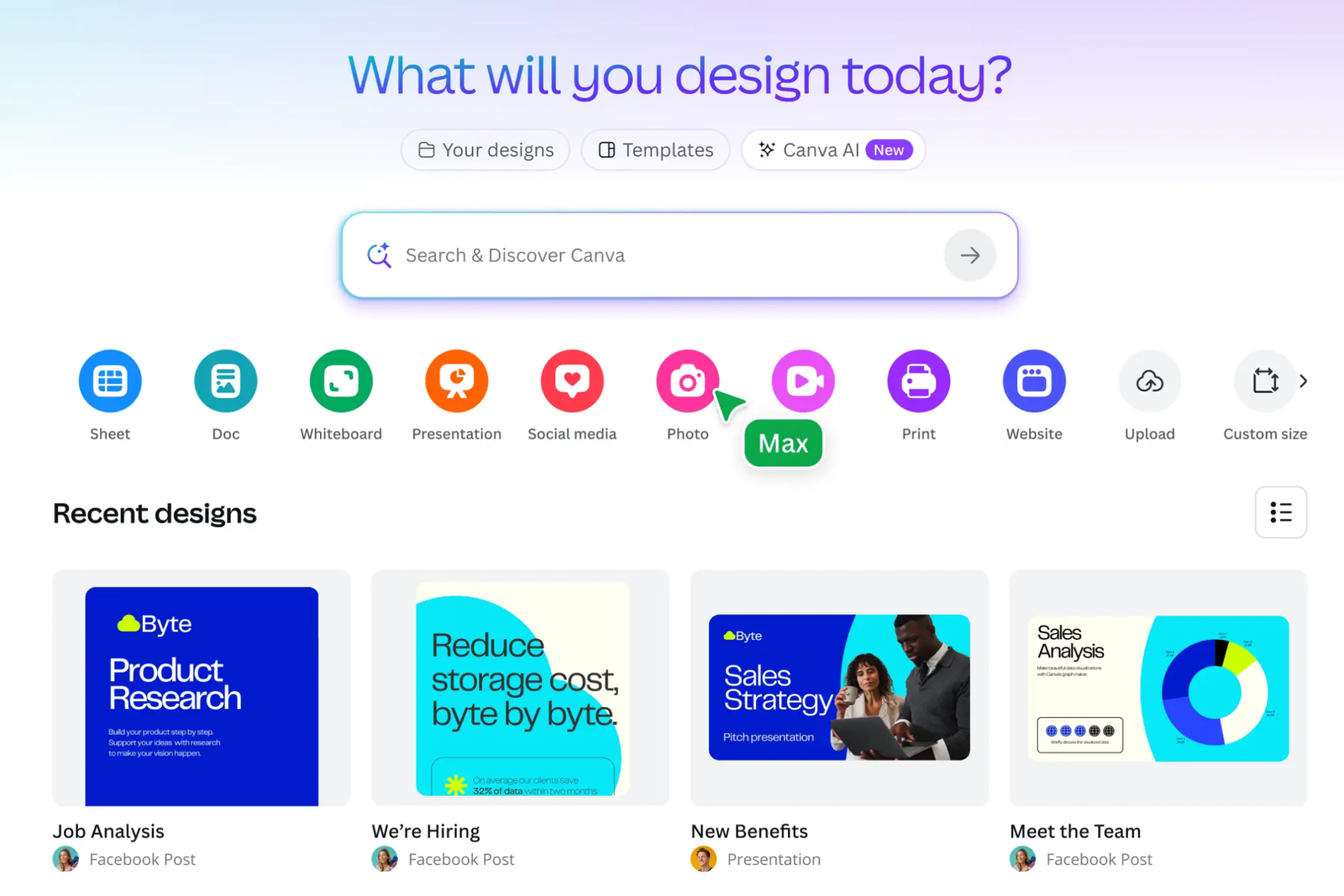
- Format: 15-second tutorials, trending audio, and relatable content
- Strategy: Educational, aesthetic-first, and shareable tips
- Result: 4x growth in engagement in under 6 months (2025–2026)
Example 2: Netflix on TikTok
- Format: Humorous edits, meme-style clips, and behind-the-scenes
- Strategy: Uses trending audio, influencer duets, and fictional characters
- Result: Over 24M followers, 1B+ likes, and highly engaged fandom
Bonus Stat: Viral Reels get shared 67% more via DMs than non-viral ones (Instagram Business, 2025).
7 Undeniable Reasons Why You Aren’t Going Viral
“How do I go viral?” – It’s easily one of the most common questions I get asked and for good reason! Going viral is exciting, rewarding, and often feels like the ultimate goal on the platform.
But here’s the truth: going viral isn’t everything. What really matters is going viral with purpose. When your content takes off for the right reasons, it draws in the right audience. People who genuinely care about your content and stick around for more.
After watching tons of viral content with millions of views and just as many that barely cross 500. I’ve noticed clear patterns that make all the difference. In this blog post, I’ll walk you through the 9 key reasons your content might not be going viral and share practical tips to help you change that.
Let’s dive in and start creating videos that actually get the attention they deserve.
- You’re relying on outdated strategies
What worked in 2021 won’t cut it in 2025. The platforms evolve constantly, and outdated tactics like posting without engagement hooks or skipping trending formats lead to poor results.
- Your video quality is low
Blurry visuals, poor lighting, or distorted audio can kill engagement fast. In an age of HD content and polished editing, quality isn’t optional, it’s expected.
- You’re not asking for engagement
Simple CTAs like “Tag a friend” or “What do you think?” can make a huge difference. Engagement-driven captions boost algorithmic reach.
- You’re not participating in trends
Trends are a shortcut to virality. Ignoring trending audio, formats, or meme styles signals to the platform that your content lacks freshness.
- You’re speaking to everyone, not someone
Viral content is often highly specific. It speaks directly to a niche audience and creates an emotional or relatable moment that resonates deeply.
- You’re repurposing content from other platforms poorly
TikTok watermarks on Instagram or non-native captions reduce trust and watch time. Native editing is a must to maintain authenticity and relevance.
- You’re using generic FYP hashtags
Hashtags like #FYP or #virals have been overused and provide no strategic benefit. You’re better off using targeted, niche, or trend-based tags.
10 Proven Ways to Go Viral on Social Media in 2026
- Keep up with the latest trends
Trends change fast. Set alerts or follow trend-watching accounts to stay updated and capitalize early.
- Use trending and relevant hashtags
Use a mix of 2–3 trending, 2 niche, and 1 branded hashtag for discoverability without overwhelming the algorithm.
- Spark curiosity
Start with open-ended statements or questions. Use pattern interrupt visuals to make users stop scrolling.
- Post consistently and at the right times
Consistency trains the algorithm and your audience. Aim for 3–5 times per week, based on your audience insights.
- Engage with your audience and others
Like, comment, and share from your community. Reciprocity builds algorithmic goodwill.
- Collaborate with other content creators
Tag and co-create with creators in your niche to cross-pollinate audiences and double your chances of going viral.
- Add value through education or insight
Teach something quick—top tools, productivity hacks, or bite-sized tips. Value-driven content is highly shareable.
- Start with a powerful hook
Use jump cuts, text overlays, or action shots to engage users within the first 3 seconds.
- Ride the meme wave
Blend trending meme templates with brand messaging. Humor + timing = viral gold.
- Use text overlays and auto-captions
Most viewers watch without sound. Auto-captions increase comprehension and accessibility.
Optimizing Your Visuals for the Scroll-Stopping Effect
Use strong contrast, bold fonts, and color psychology to make your visuals stand out. Every second a user scrolls is a chance to lose attention, optimize for eye contact and retention.
Use Emotional Marketing for Viral Impact
Content that triggers emotions like joy, nostalgia, awe, or even outrage is more likely to be shared. Use storytelling, soundtracks, and visuals that reflect strong emotional undertones to make your message unforgettable.
Turning Engagement Into Momentum
Once a post gains traction, boost it by replying to comments, pinning top replies, reposting in Stories, and encouraging shares. A well-timed reply can double your post’s life span and visibility.
Final Thoughts: Your Viral Breakthrough Starts Now
Going viral isn’t luck, it’s strategy. Once you understand how platform algorithms work and tailor your content accordingly, you set yourself up for maximum visibility and engagement.
Whether you’re a content creator, marketer, or small business owner, the key to virality in 206 is staying relevant, emotionally resonant, and algorithm-smart.
Need help with content that actually performs? Reach out today and let’s build your viral strategy together.
FAQs
Q1. How can I make my post go viral?
Focus on relevance, timing, emotional value, and interaction. Use platform-specific strategies and test often.
Q2. What is the psychology behind going viral?
People share content that makes them feel something or boosts their identity. Emotional triggers like humor, surprise, and awe work best.
Q3. How do you get 100% viral on TikTok?
Use trending audio, keep videos under 20 seconds, ensure high watch time, and create niche content.
Q4. Why is my post not going viral on Instagram?
You might be missing optimal timing, CTA, or Reels format. Poor engagement or low-quality visuals also hurt reach.
Q5. Should I use the same content on all platforms?
No. Each platform has unique preferences. Repurpose smartly, adjusting format, captions, and tone.
Q6. How do hashtags affect virality in 2026?
Niche hashtags perform better than general ones. Use 3–5 strategic ones per post.
Q7. What’s the best time to post for virality?
Mornings or evenings based on your audience location. Use platform insights to tailor your timing.
Q8. Can AI help make content go viral?
Yes, AI tools can optimize content for timing, hooks, and even generate scripts or edits.