
The digital world is moving faster than ever but audiences aren’t. In 2026, people are consuming more content than at any other point in history, yet studies show they are remembering less and trusting less. According to Statista, the average user scrolls through 6,000–7,000 pieces of content per day, but only engages meaningfully with less than 3%. This overwhelming saturation is creating a new shift in the creator economy: people prefer quality over quantity, depth over noise, and meaning over speed.
That shift has a name: The Slow Content Movement.
Slow content isn’t about posting less. It’s about posting better: content that’s editorially rich, thoughtfully crafted, emotionally resonant, and built to last. It prioritizes authentic storytelling, research-backed insights, and evergreen value instead of daily fluff that disappears in 24 hours.
In this blog, we’ll explore what slow content really means, why it’s exploding in popularity in 2026, and how creators, small businesses, and personal brands can leverage it for sustainable growth, deeper engagement, and long-term revenue.
What Is The Slow Content Movement?
The Slow Content Movement is the opposite of “posting every day just to stay relevant.” Instead of chasing algorithms, creators focus on crafting high-quality, meaningful, evergreen content that holds value for months or years.
Think of slow content as:
Research-backed
High-quality content relies on credible sources, statistics, case studies, and expert quotes. Instead of guessing what might work, you’re presenting content that your audience can trust.
Intentionally crafted
Every sentence, visual, and call-to-action is deliberate. It’s not random posting; it’s content built to communicate a purpose and drive results.
Story-driven
Stories make information digestible, relatable, and memorable. Slow content often uses narratives that resonate emotionally while delivering insights.
Emotionally engaging
Content that sparks curiosity, empathy, or excitement is far more likely to be remembered than flashy, disposable posts.
Designed for longevity
Instead of chasing fleeting trends, slow content focuses on evergreen topics that remain relevant long after publication.
Key Insight: According to HubSpot, long-form, high-value content generates 55% more engagement and 3x more shares than short, shallow content.
Slow content works because it respects attention. It gives your audience something worth slowing down for.
Why Audiences Are Tired of Fast Content
Fast content. Short Reels, TikToks, rapid-fire posts has dominated for years, but now it’s losing its magic.
Information fatigue is real
70% of social media users report feeling exhausted by constant content overload (Adobe Creative Trends Report, 2024). Endless scrolling can overwhelm audiences, making it harder for any single post to stick.
Authenticity is more important than volume
Audiences want depth, not dopamine hits. They prefer creators who think, research, and craft meaningful content rather than simply posting for the sake of staying visible.
Quality content has a longer shelf life
While a TikTok might trend for 48 hours, a well-written blog, YouTube video, or carousel can continue bringing in leads for months or even years. Slow content turns effort into long-term value.
The Slow Content Movement is a rebellion against low-effort content driven by pressure, burnout, and algorithmic anxiety. It’s content that respects both creator and audience.
Why Slow Content Works Better in 2026
Slow content aligns perfectly with modern user behavior, especially as algorithms increasingly reward watch time, saves, depth of engagement, and repeat consumption.
1. Higher Trust → Higher Conversions
In a world saturated with AI-generated fluff, well-researched content instantly stands out. Trust drives sales. Thoughtful content like detailed guides, tutorials, and case studies—positions you as an authority, making your audience more likely to take action.
2. Longer Shelf Life = Compound ROI
A single high-quality article can outperform 30 short social posts. Evergreen content compounds over time: it ranks on Google, circulates in communities, and is shared repeatedly. The ROI grows month after month.
3. Better for Mental Health & Creativity
Creators are burning out from chasing daily metrics. Slow content gives space to think, research, and produce work you’re proud of improving creativity and reducing stress.
4. Attracts a Higher-Quality Audience
People who consume long-form content, blogs, newsletters, podcasts tend to engage longer and convert higher, creating a loyal following rather than just temporary views.
Bonus Insight: Long-form content increases session duration by 40%, dramatically boosting SEO performance.
How Slow Content Builds Long-Term Brand Equity
Brand equity is built on trust, familiarity, and emotional connection, not speed. Slow content strengthens brand equity by:
- Creating memorable stories
A strong narrative helps your audience relate to your brand on a personal level. - Providing unique insights
Original research or perspectives separate you from generic content. - Solving real problems
Content that genuinely helps your audience builds authority and loyalty. - Showing expertise
Thoughtful content positions you as a go-to source for knowledge in your niche. - Building loyalty over virality
Rather than chasing short-lived attention, slow content cultivates repeat engagement and advocacy.
Brands like Nike, Apple, Basecamp, and Notion leverage slow content principles. Deep storytelling, long-form articles, community-driven content—to build iconic brand identities.
Key Point: Fast content gives visibility. Slow content builds identity.
Storytelling: The Foundation of Slow Content
The Slow Content Movement thrives on storytelling because stories are timeless.
Good storytelling:
- Makes your brand relatable
- Increases attention retention
- Enhances trust
- Converts passive followers into loyal fans
A survey by Google shows that 68% of users prefer brands that tell a story about their values, purpose, and journey, not just their products.
Bonus Tip: A simple story framework:
Problem → Journey → Lesson → Transformation, works for blogs, videos, carousels, emails, or any content format.
The Economics of Slow Content: More Value, Less Effort
Creating content constantly drains time and money. Slow content reallocates your creative energy into fewer but more powerful pieces.
A single high-quality blog can generate:
✔ Content snippets
✔ Social micro-content
✔ Videos
✔ Quote posts
✔ Repurposed LinkedIn posts
✔ Twitter threads
Slow content isn’t “less content” it’s smart content.
Repurposed long-form content is 4x more efficient than daily short posts.
Slow Content vs. Fast Content: A Clear Comparison
|
FACTOR |
FAST CONTENT |
SLOW CONTENT |
| Lifespan | 24–72 hours | Months to years |
| Depth | Low | High |
| SEO Impact | Low | High |
| Trust-building | Weak | Strong |
| Effort | High quantity | High quality |
| Virality | Short-lived spikes | Sustainable growth |
| Best For | Trends | Authority,brand-building |
Slow content builds reputation. Fast content builds temporary visibility. The best strategy uses slow content as a foundation, supplemented by lighter posts for reach.
Why Creators & Brands Are Switching to Slow Content
Burnout is killing creativity
56% of creators report burnout from daily posting pressure (ConvertKit Creator Economy Report, 2024).
AI made content cheap but quality rare
The internet is full of AI-generated content, but high-quality storytelling stands out more than ever.
Brands want deeper relationships, not vanity metrics
Meaningful engagement beats likes. Slow content builds trust, loyalty, and authority.
How to Create High-Impact Slow Content
Choose Evergreen Topics
Focus on content that remains relevant: how-to guides, case studies, industry insights, and thought leadership pieces.
Research Deeply
Cite credible statistics, include expert quotes, and use real-world examples to make your content trustworthy.
Write for Depth, Not Dopamine
Prioritize clarity, storytelling, and tangible value over short-term attention-grabbing.
Design Scroll-stopping Visuals
Carousels, infographics, diagrams, and interactive content increase shareability and engagement.
Prioritize Distribution
Slow content thrives when strategically shared across blogs, social media, newsletters, and communities.
The Role of AI in the Slow Content Movement
AI is not the enemy, it enhances slow content.
AI helps with:
- Idea generation – Quickly brainstorm topics that align with your niche.
- Research organization – Summarize studies, quotes, and insights efficiently.
- Content repurposing – Turn one long-form article into multiple social posts.
- Editing and clarity – Refine tone, structure, and readability.
Content planning – Optimize your calendar for long-term impact.
Creators using AI for long-form content report 30–50% faster production without reducing quality.
Why Slow Content Is Perfect for Small Businesses
Small businesses don’t need daily volume. They need trust, authority, and meaningful connection.
- Position as experts
- Build community loyalty
- Attract the right customers
- Generate organic leads
- Stand out in noisy markets
A deeply helpful blog or carousel can outperform months of random posting.
Case Studies: Slow Content Done Right
Case Study 1: James Clear
The King of Slow Content
- Industry: Personal Development
- Platform: Blog + Newsletter
- Famous for: Atomic Habits
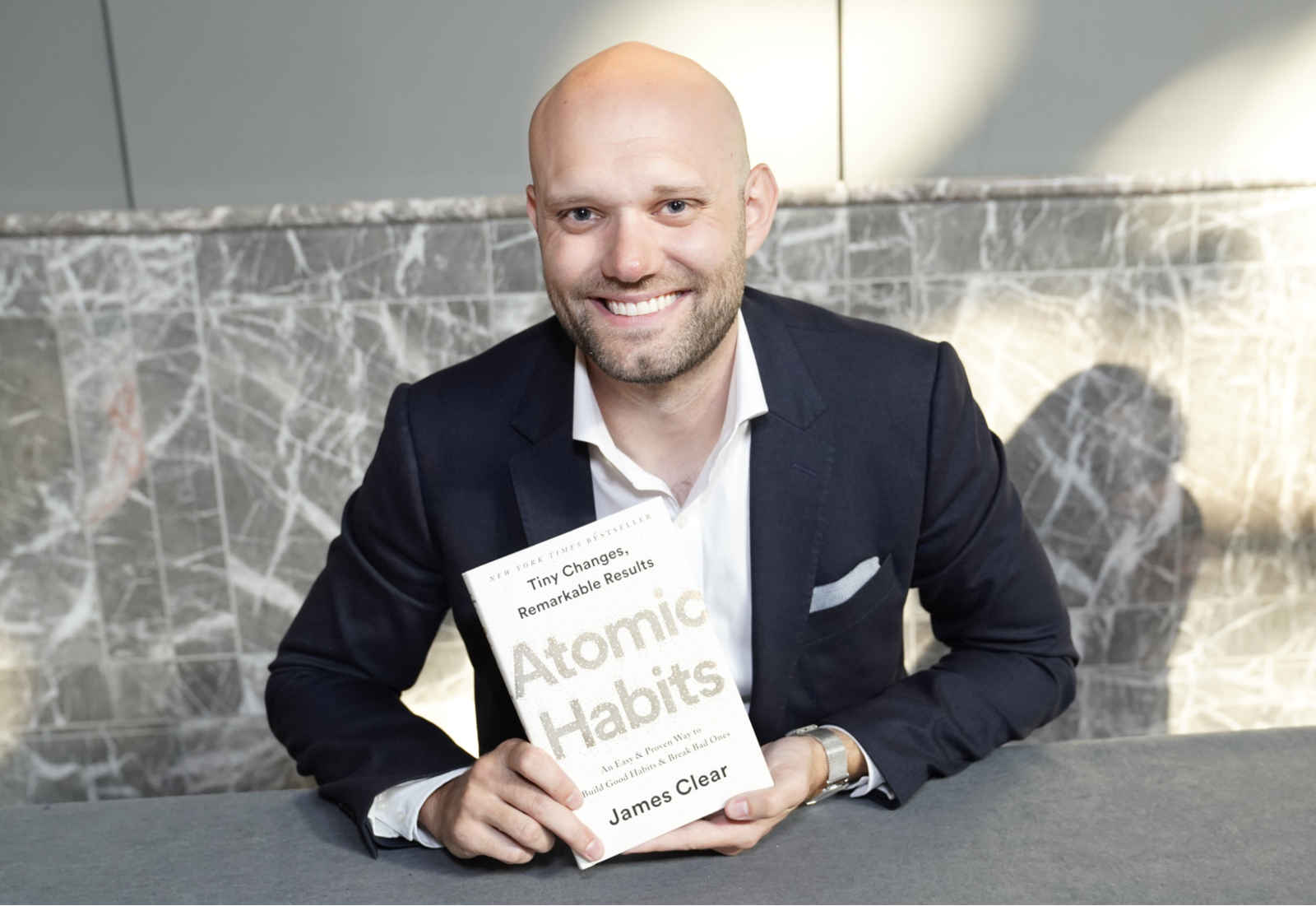
James Clear posts rarely, but every piece is a masterpiece. He publishes once every 1–2 weeks, but his newsletter reaches 2+ million subscribers, and his blog ranks for thousands of high-value keywords.
Why it works:
- Deeply researched articles
- Relatable storytelling
- Focus on evergreen topics
- Actionable, timeless value
One post generates millions of views per year, proving slow content’s power.
Case Study 2: Patagonia
Slow Storytelling as Brand Identity
- Industry: Outdoor Apparel
- Strategy: Environmental storytelling

Patagonia focuses on long-form documentaries, customer stories, environmental reports, and educational content instead of promotional posts.
Why it works:
- Builds emotional connection
- Aligns with values
- Deepens brand loyalty
- Turns customers into advocates
They aren’t chasing fast content, they’re creating culture.
Final Thoughts
Slow content isn’t anti-growth, it’s sustainable growth.
It’s not about posting less, it’s about posting with intention.
It’s not about beating algorithms, it’s about building a brand people choose to notice.
If you’re tired of the burnout cycle…
If you’re done chasing trends…
If you want to build a brand that lasts…
Then the Slow Content Movement is your path forward.
At Digibble, we help creators, entrepreneurs, and small businesses build powerful, evergreen content that grows your brand even while you sleep.
If you want storytelling, strategy, and smart content systems, not noise, Digibble is ready to help you scale with confidence.
FAQs
What is the slow content movement?
Prioritizes meaningful, high-quality, evergreen content over fast, repetitive posting.
Does slow content work for small businesses?
Yes. Builds trust, authority, and long-term relationships.
Is slow content good for SEO?
Absolutely. Long-form, research-backed content outperforms short content in rankings, engagement, and link-building.
Can I mix slow and fast content?
Yes. Slow content is the foundation; fast content adds reach and visibility.
How often should I post slow content?
Quality over frequency: 1 post per week or bi-weekly works well.
Does slow content take too long?
It takes time but saves time overall. Repurposing makes your workflow more efficient.
Is slow content better for personal brands or companies?
Both. Personal brands gain thought leadership; businesses gain trust and authority.
Will slow content reduce engagement?
No. Slow content increases meaningful engagement and loyal followers.