
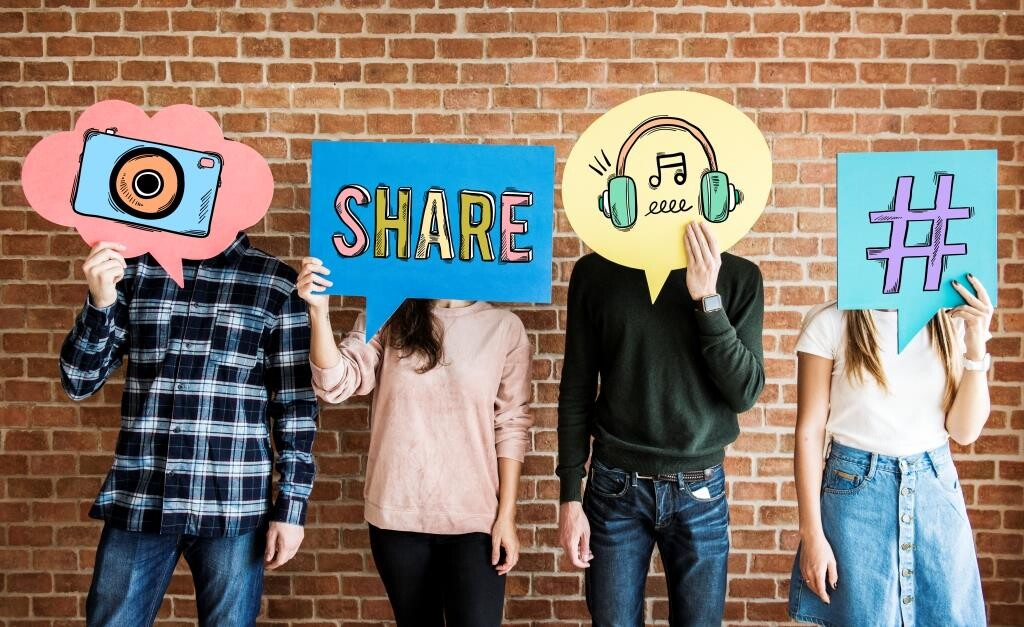
We’ve all seen it happen. A simple video, meme, or reel spreads like wildfire overnight. One moment, it’s an ordinary post; the next, it’s dominating every social feed. From Duolingo’s cheeky TikToks to MrBeast’s jaw-dropping giveaways, viral content seems almost magical. But there’s a powerful psychological structure behind it known as the viral loop.
In 2026, more than 4.9 billion people actively use social media, and over 60% of them share content weekly. Whether it’s a relatable meme, a heartfelt story, or a funny video, users share because it makes them feel something. That emotion; joy, surprise, validation, or even outrage is the key to virality.
Let’s dive deeper into the psychology behind these viral loops, how they work, why people share, and how brands can use them to build communities that do their marketing for them.
The Definition of a Viral Loop
A viral loop is the self-reinforcing cycle that turns users into promoters. Here’s how it works: someone discovers your content, enjoys it, and shares it with their network. That new audience sees it, reacts to it, and shares it again expanding reach exponentially.
The brilliance of this loop lies in built-in shareability. Think of how Dropbox famously used referral loops to grow from 100,000 to 4 million users in just 15 months. Or how Instagram Reels leverages sounds, trends, and templates to encourage replication turning every viewer into a potential creator.
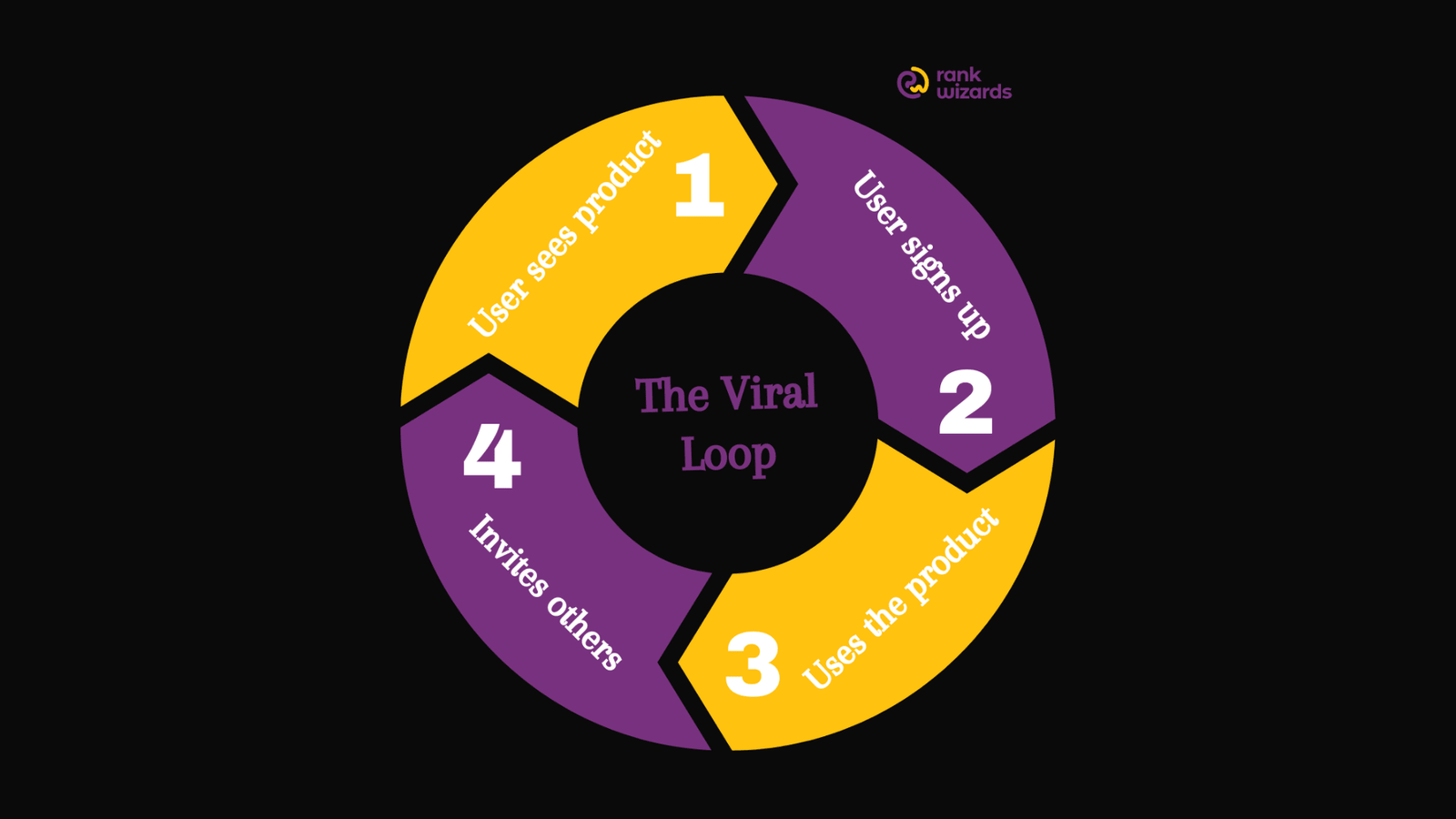
Each interaction like, comment, share feeds back into the system, triggering algorithms to amplify the content further. The more emotionally charged and easy to replicate your content is, the stronger your viral loop becomes.
Bonus Tip: Always include a “shareable trigger”, a relatable moment, phrase, or challenge that makes users feel part of something bigger.
Understanding the Power of Emotions
The foundation of virality is emotion. Studies by Harvard Business Review show that emotional content is twice as likely to be shared than neutral content.
When people share, they’re not just spreading information. They’re sharing how they feel. A viewer who laughs, cries, or feels inspired will hit “share” to let others experience that same emotional rush.
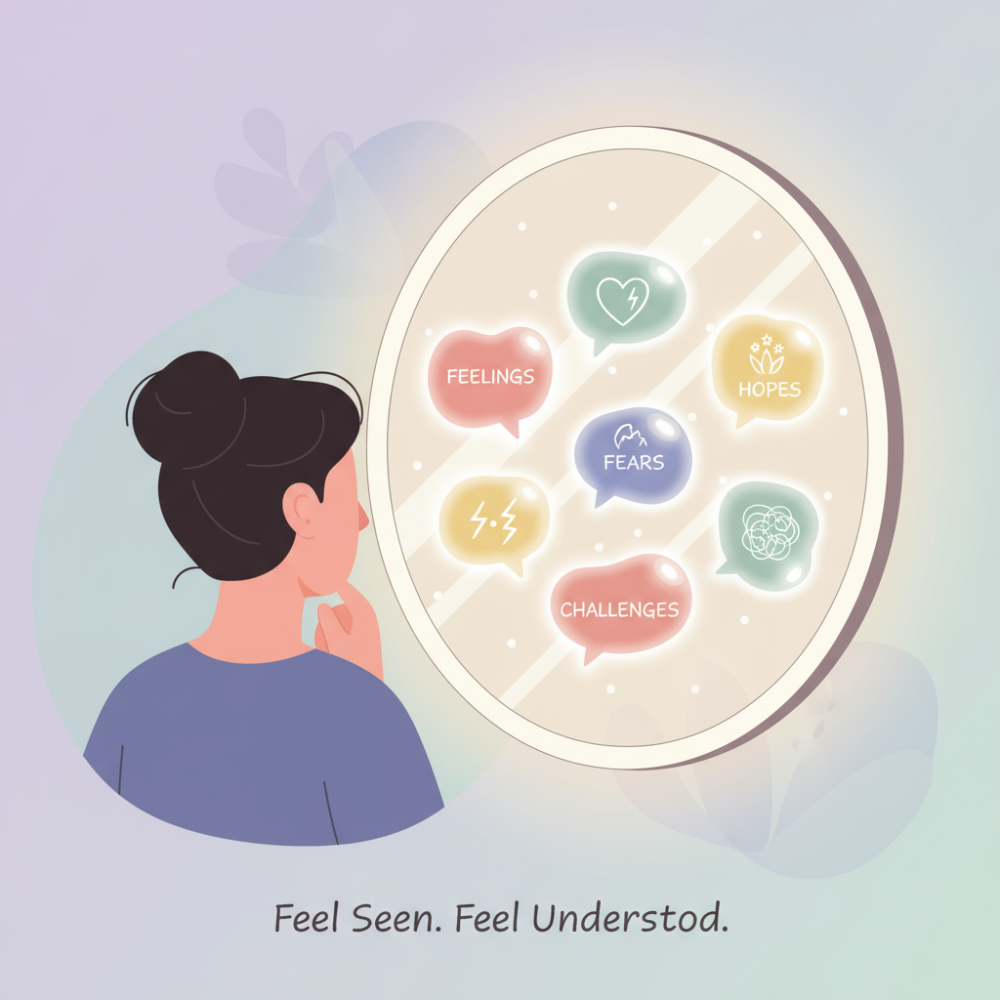
Brands like Duolingo and Ryanair thrive on this. Their humor is self-aware, sometimes absurd, but always emotionally resonant. It taps into the human desire to belong, to laugh together, and to be part of the cultural moment.
Key Point: If your content doesn’t make people feel something. Awe, pride, laughter, curiosity it won’t make them share.
The Sharing Phenomenon: Why People Share
Why do we share? Psychologists call it social currency, the idea that what we share reflects who we are.
According to the New York Times Consumer Insight Group, the top reasons people share are:
- To bring valuable content to others (94%)
- To define themselves to others (68%)
- To stay connected (73%)
- To feel involved in the world (84%)
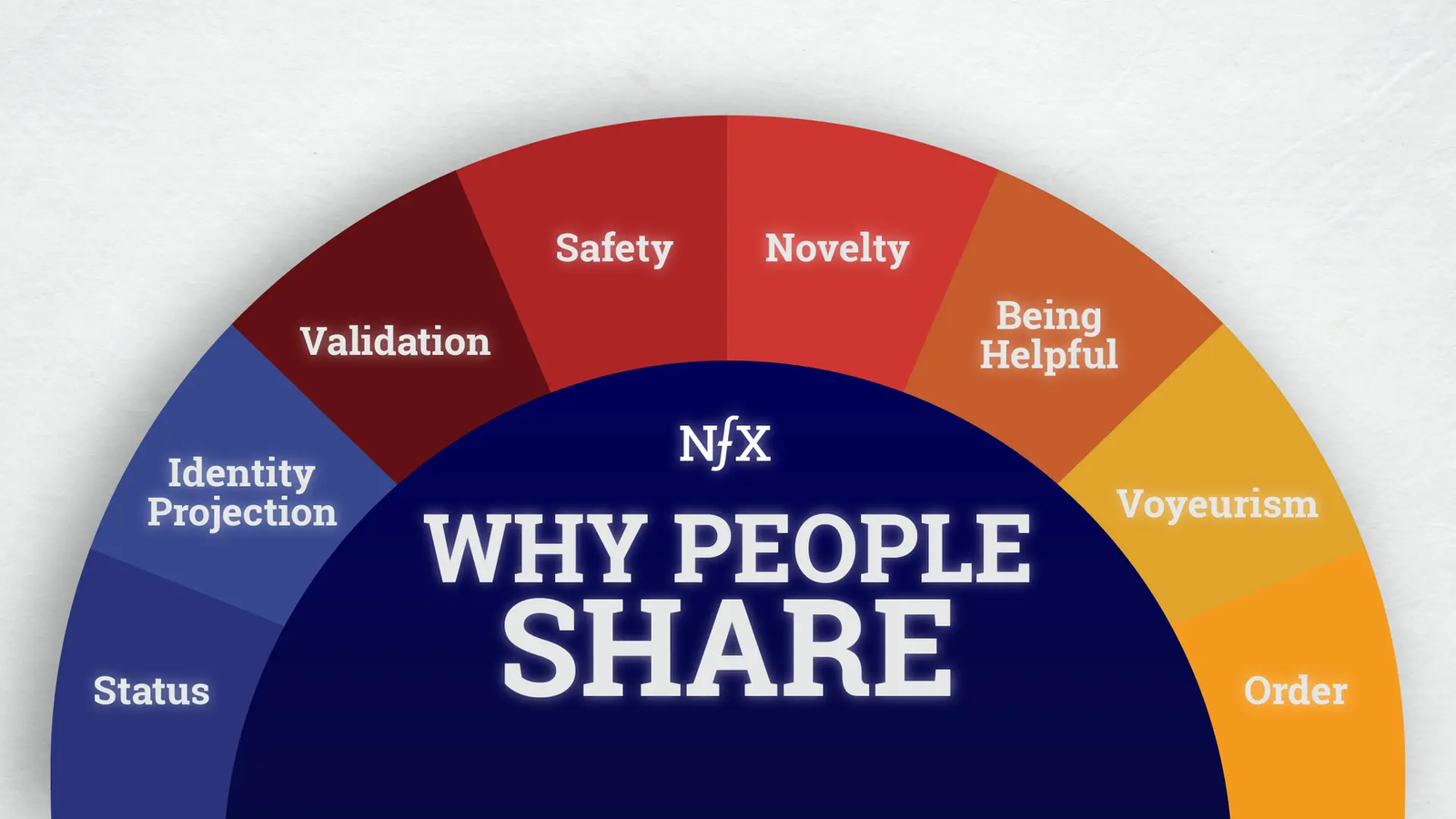
In other words, we share to connect, to express, and to belong. When someone shares your brand’s post, they’re not just promoting it. They’re aligning with it emotionally and socially.
Bonus Insight: People don’t share “content.” They share themselves through content.
The Science Behind Clicks: What Makes Content Irresistible?
Behind every viral hit lies a perfect balance of novelty, relatability, and validation.
Our brains are wired to seek dopamine spikes. The reward chemical. When content surprises us, confirms our beliefs, or offers instant gratification, dopamine floods in, and we want to share that feeling.
That’s why short-form platforms like TikTok and Instagram Reels dominate. The quick-hit content format rewards emotional engagement instantly, making it addictive, both for creators and audiences.
Pro Tip: The first 3 seconds matter most. Start with curiosity, humor, or emotional tension to instantly hook attention.
The Foundation of Trust: More Powerful Than Any Ad
Virality doesn’t just depend on emotion, it depends on trust.
A study by Edelman found that 63% of consumers trust influencers more than traditional ads, and user-generated content (UGC) drives up to 29% higher conversions.
When people see content shared by peer not brands, it feels more authentic. That’s why brands like Glossier and Gymshark built empires through community-led virality, not corporate campaigns.
Bonus Insight: Trust is the currency of the viral economy. Build it through transparency, relatability, and human storytelling.
The Role of Community and Connection
Communities amplify virality. People share more when they feel like part of a movement.
Take Red Bull. They didn’t sell energy drinks; they sold an identity: adrenaline, adventure, and community. Their videos weren’t ads; they were experiences. The same goes for LEGO, which turned user ideas into products through its Ideas platform, creating loyal co-creators instead of customers.
In 2026, community-driven virality is the new marketing funnel where relationships matter more than reach.
The Emotional Triggers That Drive Sharing Behavior
Emotionally engaging content triggers sharing far more than rational appeals. Here are four primary emotions behind virality:
- Awe: Inspiring content that amazes (like NASA’s Mars visuals).
- Amusement: Funny or ironic content that entertains (Duolingo memes).
- Anger or Outrage: Content that provokes action (brand activism posts).
- Affection: Heartwarming content that connects (Coca-Cola’s family campaigns).
Each emotional note should align with your brand voice. Mixing emotions builds deeper resonance, joy with surprise, awe with empowerment, etc.
The Role of Curiosity and Intrigue in Viral Content
Curiosity fuels engagement. Our brains crave closure when presented with incomplete information, a phenomenon called the “curiosity gap.”
Headlines like “You won’t believe what happened next” or “Most marketers miss this simple trick” exploit that gap perfectly. When done ethically, curiosity-driven storytelling can triple engagement.
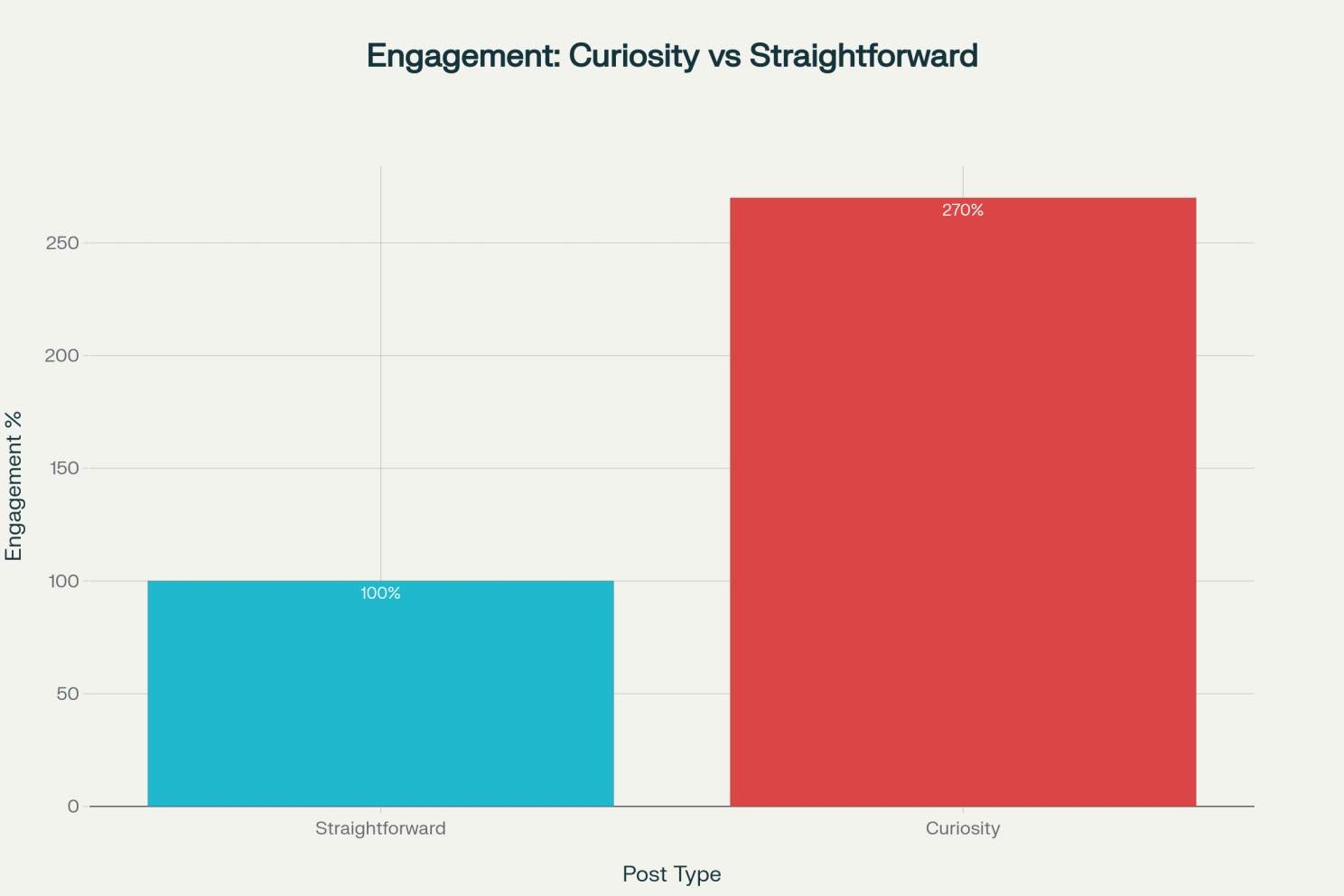
Tip: Don’t clickbait. Tease the story honestly and deliver real value.
The Impact of Humor and Entertainment on Virality
Humor humanizes brands. In 2026, the average Gen Z user engages with funny content 42% more than any other format.
Brands like Duolingo, Ryanair, and Wendy’s have mastered this, turning sarcasm into a brand personality. Humor breaks resistance, builds memory, and makes audiences want to participate.
A funny post isn’t just a laugh, it’s a share waiting to happen.
How Storytelling Sparks Emotional Responses and Shares
Storytelling transforms content into emotion. Humans remember stories 22 times more than facts, according to Stanford research.
Take Nike’s “You Can’t Stop Us” campaign. It wasn’t about shoes; it was about resilience. The seamless editing and emotional narration made it one of the most shared campaigns of all time.
A strong viral loop starts with a strong story arc setup, conflict, resolution that audiences relate to and remember.
The Importance of Timing: When to Post for Maximum Impact
Timing can make or break virality. Research shows posts shared between Tuesday and Thursday, 9 AM–12 PM, perform best globally, but more importantly, timing is emotional, not just chronological.
Viral moments often tie to trends, memes, or cultural conversations. The quicker you react authentically, the higher your chances of riding the viral wave.
8 Clusters of Motivation That Trigger Sharing
When we scroll through social media, we don’t just share content randomly. We share what reflects who we are, what we value, and how we want to be perceived. According to research by the New York Times Customer Insight Group, there are eight key motivations behind why people share content online.
1. Self-Expression: Sharing as Identity
People share what represents them.tTeir humor, beliefs, or lifestyle. A motivational quote or a relatable meme says, “This is me.” Brands like Canva nail this with designer humor memes that make audiences feel seen.
Bonus Tip: Create personality-driven content like quizzes or templates that let users express themselves easily.
2. Social Validation: The Need to Belong
Humans crave connection and approval. Likes and comments act as social proof. TikTok trends work because users want to join cultural moments and feel included.
Key Insight: Use engagement prompts like “tag your friend” or “duet this video” to foster participation and belonging.
3. Information Value: The Desire to Help Others
People love sharing helpful insights. It makes them feel useful and credible. A tutorial, stat, or tool recommendation satisfies the need to add value.
Pro Tip: Blend data with storytelling so your audience both learns and connects emotionally.
4. Emotional Stimulation: The Dopamine Effect
Emotion drives virality. Content that sparks awe, laughter, or inspiration triggers dopamine and increases shares. Nike’s “You Can’t Stop Us” ad spread because it moved people, not because it sold shoes.
Bonus Insight: Focus on feelings over features, emotions sell faster than products.
5. Social Currency: The ‘Cool Factor’ of Sharing
People share content that makes them look smart, trendy, or early to the game. It’s a subtle form of status. When ChatGPT launched, users shared “game-changing prompts” to show authority.
Takeaway: Make your audience feel “in the know” with insider content they’ll be proud to share.
Example: When ChatGPT first launched, users rushed to share “prompts that change your workflow, not just for utility, but to appear ahead of the curve.
6. Reciprocity: The Give-and-Take Principle
When you give free value like a template, guide, or tip audiences instinctively give back through shares or mentions.
Pro Insight: Free, useful resources create goodwill. The more generous your content feels, the faster it spreads.
7. Entertainment: Sharing Joy and Humor
Laughter is universal, funny, light-hearted content is instantly shareable. Brands like Ryanair and Wendy’s win online by using humor that fits their brand voice.
Tip: Inject smart, context-based humor to stay relatable while building brand personality.
8. Belonging and Collective Identity
People love being part of something bigger. A movement, trend, or fandom. Spotify Wrapped, for example, thrives on this sense of shared experience.
Bonus Tip: Build community-driven content with branded hashtags, challenges, or campaigns that unite audiences under a shared purpose.
Example: #TeamApple vs #TeamAndroid people proudly represent their side, turning brand fandom into viral identity loops.
Case Study: Spotify Wrapped:Turning Data into a Viral Identity Loop
Spotify Wrapped is a masterclass in viral loop psychology. Every December, Spotify gives users a personalized summary of their listening habits, their top artists, songs, genres, and minutes listened. It’s not just data; it’s self-expression fuel.
Here’s why it works:
- Personalization: Each Wrapped is uniqu, users feel seen.
- Social Currency: People share it to showcase their music taste and identity.
- Community Connection: It sparks conversation ; “You listen to THAT artist too?”
- Emotional Hook: Wrapped triggers nostalgia and pride.
Within 48 hours of its 2023 release, Wrapped generated over 100 million social mentions, proving that when users feel emotionally invested, your audience becomes your marketing team.
Final Thought: The Rise of Social Commerce
We’re in the era where emotion meets algorithms and viral loops are the new marketing currency.
Brands that understand why people share, not just what they share will dominate the next phase of digital storytelling. The psychology of virality isn’t about manipulation; it’s about connection, authenticity, and resonance.
If your brand is ready to create content that educates, entertains, and spreads organically.
DM us today. Let’s build your viral loop together.
FAQs
What is a viral loop in marketing?
It’s a self-sustaining cycle where users promote content to new audiences, driving exponential visibility and growth.
Why do people share content online?
People share to express identity, connect socially, and evoke emotions in others.
What makes content go viral?
Emotional impact, relatability, storytelling, and timing all influence virality.
How do brands use viral loops?
Brands design content with built-in share triggers humor, emotion, or value to encourage user promotion.
Does AI help in creating viral content?
Yes. AI tools analyze trends, predict engagement, and optimize posting times for higher shareability.
How can small businesses use viral loops?
By creating authentic, relatable, and emotionally engaging content aligned with their niche audience.
What emotion makes content most viral?
Amusement and awe consistently rank highest for shareability.
Can virality be predicted?
Not entirely. But you can increase your odds by aligning emotional triggers with audience psychology.