
Imagine having a 24/7 digital salesperson that works tirelessly, guiding your potential customers, answering their objections, and converting leads while you sleep. That’s what a well-built sales funnel does. The best part? In 2026, you don’t need an expensive tech stack or a team of marketers to make this happen. With the rise of feature-rich freemium tools, you can now build a fully functional sales funnel without spending a single dollar.
According to HubSpot, businesses that implement well-structured sales funnels experience 45% higher conversion rates than those that don’t. And as per Statista, 81% of small businesses are now using at least one marketing automation tool to streamline their customer journey. The digital playing field has leveled, and it’s your turn to take advantage.
In this blog, we’ll guide you step-by-step on how to create a complete sales funnel using only free tools, ideal for small businesses, solopreneurs, and digital creators.
What is a Sales Funnel?
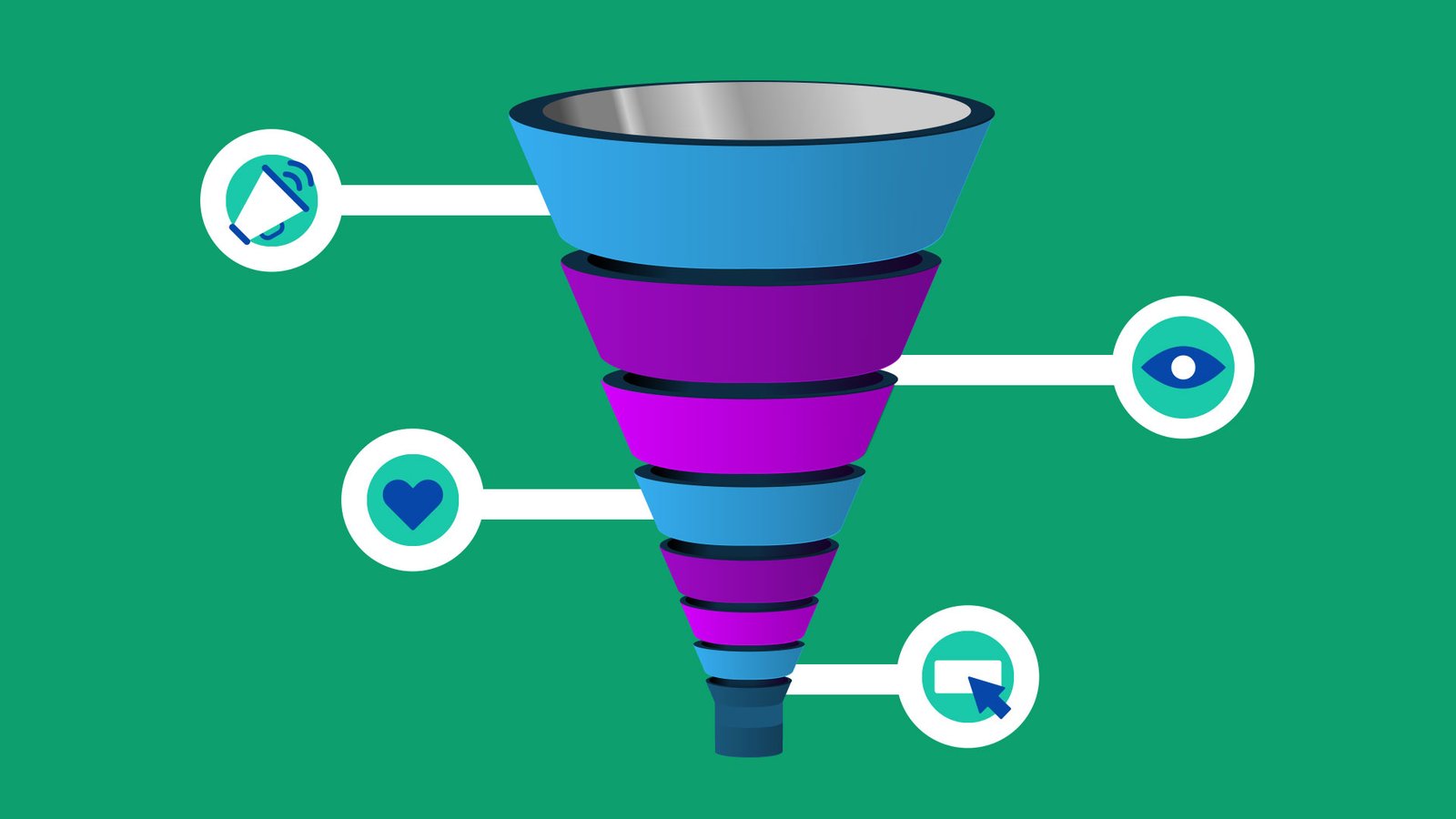
A sales funnel is a marketing framework that outlines the path a potential customer takes before making a purchase. From discovering your brand to becoming a loyal buyer, this process is broken down into stages that help businesses nurture leads and improve conversions.
It’s called a “funnel” because the pool of potential customers narrows as they move from awareness to decision. Understanding each stage helps you deliver the right message to the right person at the right time.
Stages of a Sales Funnel
To understand how a funnel works, let’s break it into three key parts using the TOFU–MOFU–BOFU model:
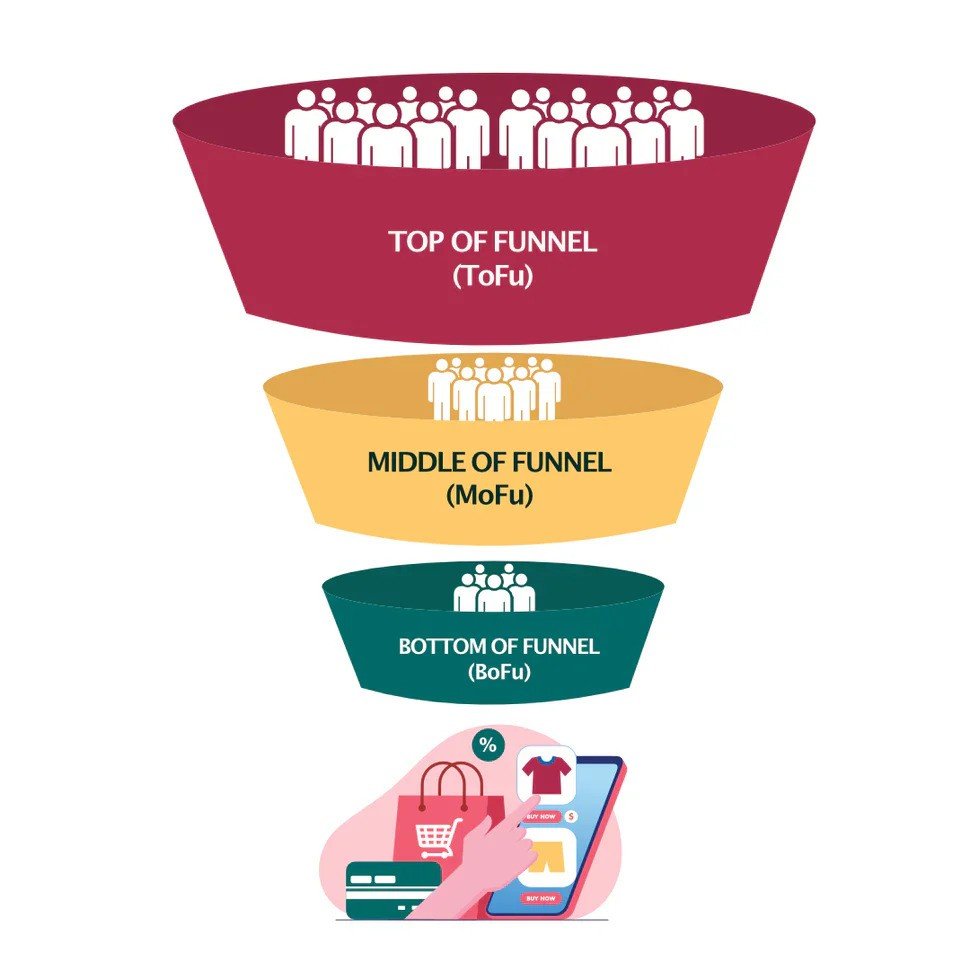
1. TOFU (Top of Funnel – Awareness Stage)
This is where you attract strangers to your brand through content marketing, SEO, social media, or ads. The goal is to spark interest and make people aware of your product or service.
Tools to Use: Google Search Console, Buffer (free social scheduling), Canva for content design.
2. MOFU (Middle of Funnel – Consideration Stage)
At this stage, users are aware of their problem and are actively seeking solutions. You nurture them with lead magnets, email sequences, case studies, and webinars.
Tools to Use: MailerLite (email sequences), Systeme.io (funnels + lead magnets), Notion (free guides).
3. BOFU (Bottom of Funnel – Decision Stage)
This is where the sale happens. Your audience is ready to buy — they just need the final nudge. Use retargeting, demos, testimonials, and strong CTAs to seal the deal.
Tools to Use: Systeme.io (checkout forms), GetResponse (landing pages + CTAs), HubSpot CRM (free).
By mapping your content and tools to each stage, your funnel can move users from curiosity to conversion effortlessly.
Why is a Sales Funnel Important?
Having a sales funnel allows you to automate and personalize your customer journey. Here’s why it’s crucial in 2026:
- Boosts Conversion Rates: Funnels optimize messaging at every stage of the buying journey.
- Saves Time: Automation tools handle follow-ups and nurturing while you focus on core business.
- Reduces Cost per Lead: With targeted content, your marketing becomes more efficient.
- Improves Customer Retention: By engaging users post-sale, you turn buyers into repeat customers.
Stat: According to Salesforce, businesses using automated sales funnels see a 53% higher lead-to-customer conversion rate.
Sales Funnel Stages: The AIDA Framework
The AIDA model aligns perfectly with the funnel structure:
- Attention: Grab attention through blog posts, social media content, or videos.
- Interest: Offer valuable content like webinars or free tools to keep them engaged.
- Desire: Highlight benefits, testimonials, and problem-solving features.
- Action: Encourage a purchase, download, or sign-up with strong CTAs.
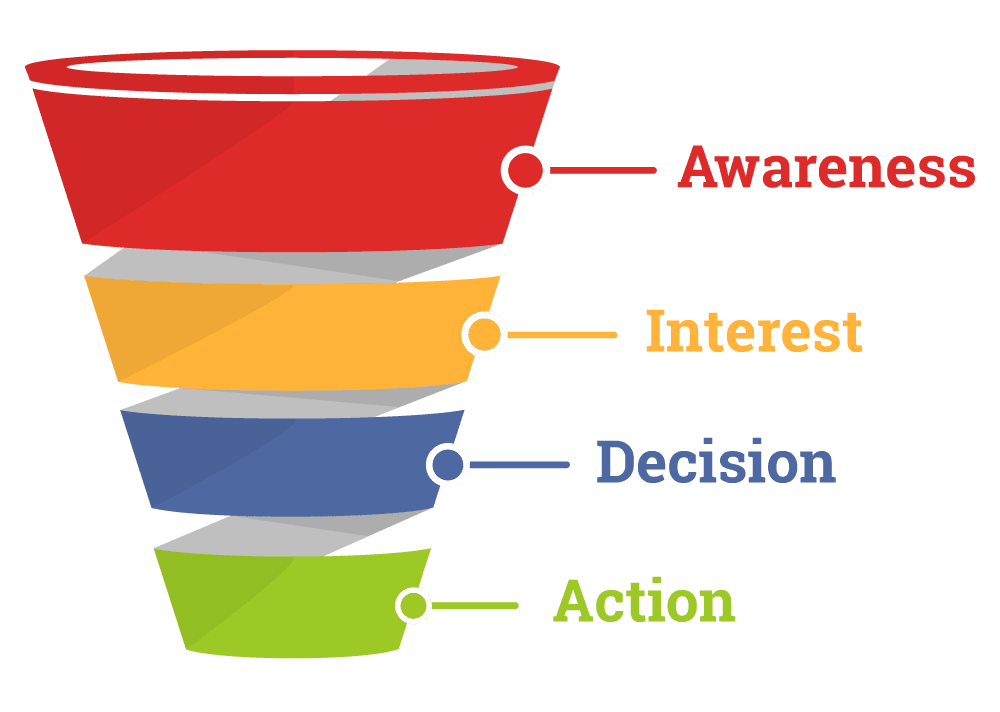
Combining AIDA with TOFU–MOFU–BOFU ensures each piece of your funnel is strategically placed.
What to Consider When Choosing a Free Tool to Build Sales Funnel in 2026
When selecting free tools to build your funnel, think beyond just price. Consider:
- Budget: Free tools are great starters. However, evaluate upgrade costs as you scale.
- Ease of Use: Choose platforms with drag-and-drop builders and templates.
- Key Features: Do you need email marketing? CRM? Landing page hosting? Automation?
- Integration: Can it connect with other platforms you use?
- Scalability: Will the free plan grow with your business?
Your toolkit should be lean yet powerful.
How to Create an Effective Sales Funnel for Your Business
Here’s a six-step framework to build a results-driven sales funnel with zero cost:
- Analyze Your Audience: Use Google Analytics or HubSpot CRM to understand demographics and behavior.
- Capture Attention: Use Buffer or Canva to publish content that solves problems.
- Build a Landing Page: Create one with Systeme.io and offer a free lead magnet.
- Nurture Leads: Use MailerLite for drip campaigns with helpful tips and free offers.
- Convert: Create scarcity with limited-time offers or exclusive content.
- Retain: Follow up via email and build a community using tools like Substack or Beehiiv (both offer free plans).
Best Sales Funnel Software 2026 (Free Plans Only)
1. Systeme.io
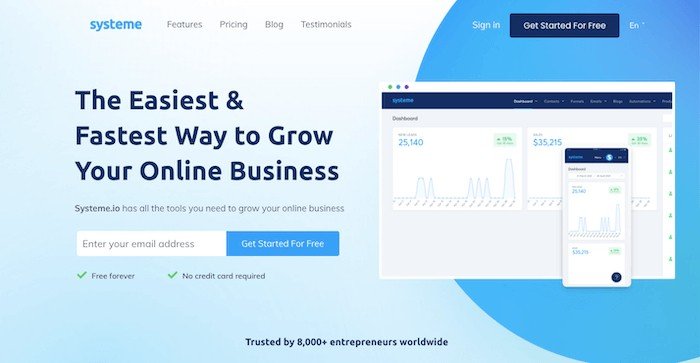
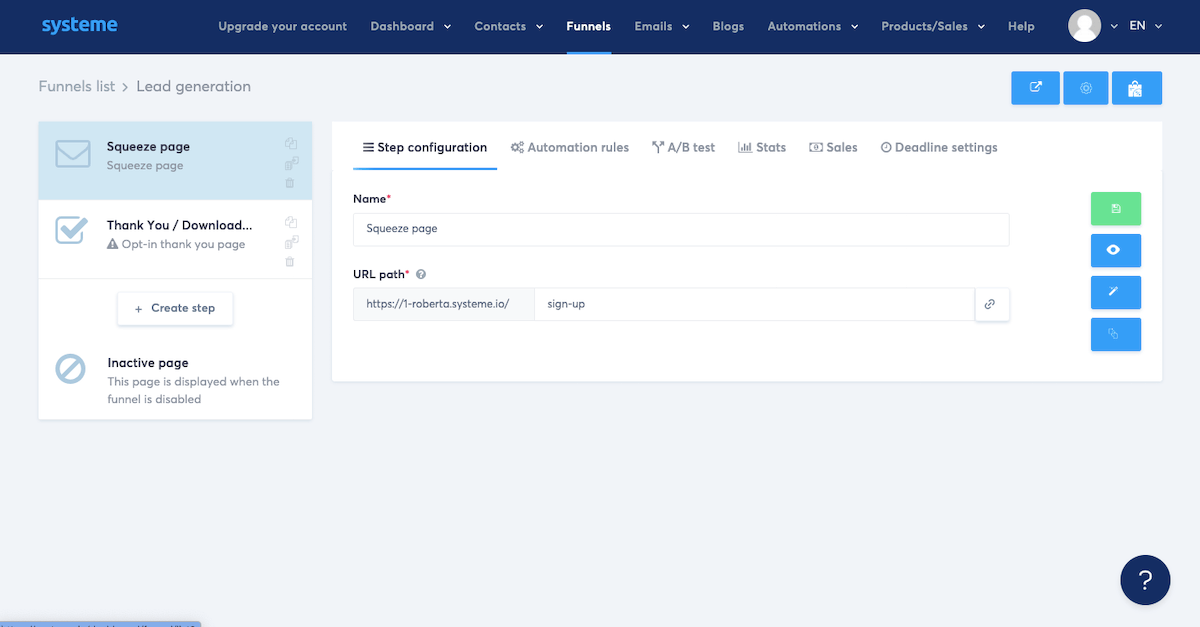
Systeme.io is an all-in-one platform that allows users to build funnels, automate emails, and host courses.
- Free Plan: Includes 3 sales funnels, 2,000 contacts, 1 blog, unlimited emails.
- Pros: All-in-one tool, beginner-friendly, excellent for solopreneurs.
- Cons: Limited integrations; no A/B testing on the free tier.
2. Involve.me
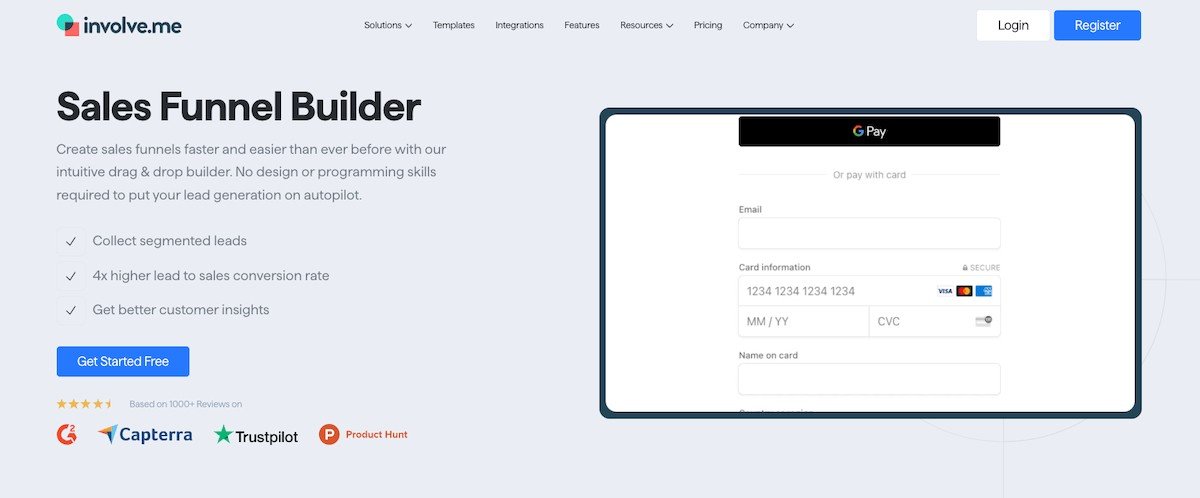
Involve.me offers interactive tools like quizzes, surveys, and forms to help you engage leads in creative ways.
- Free Plan: 100 submissions/month, 3 projects, basic templates.
- Pros: Boosts user engagement; ideal for MOFU stage.
- Cons: Limited branding control; advanced analytics require a paid plan.
3. GetResponse
Best for email marketing beginners, GetResponse also offers landing pages and simple funnel templates.
- Free Plan: 500 contacts, 2,500 monthly emails, 1 landing page.
- Pros: Built-in webinar tool, automation templates.
- Cons: Few automation features on the free plan.
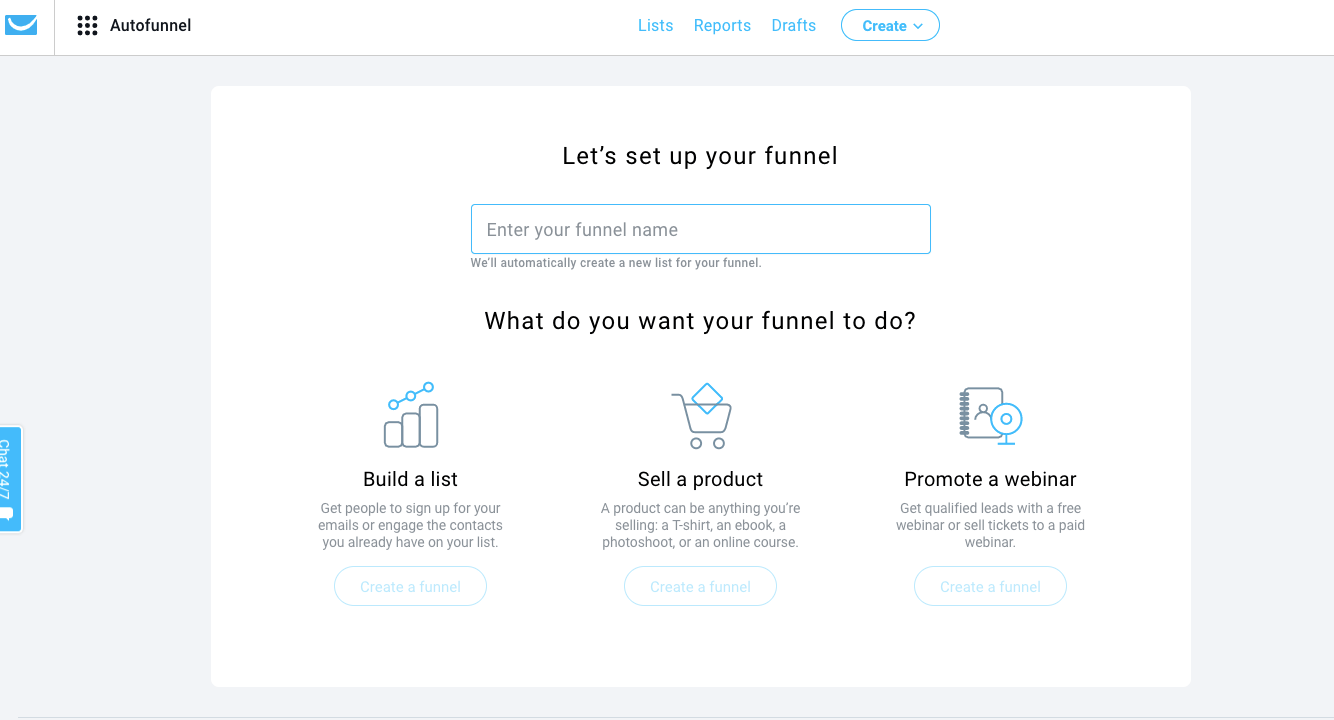
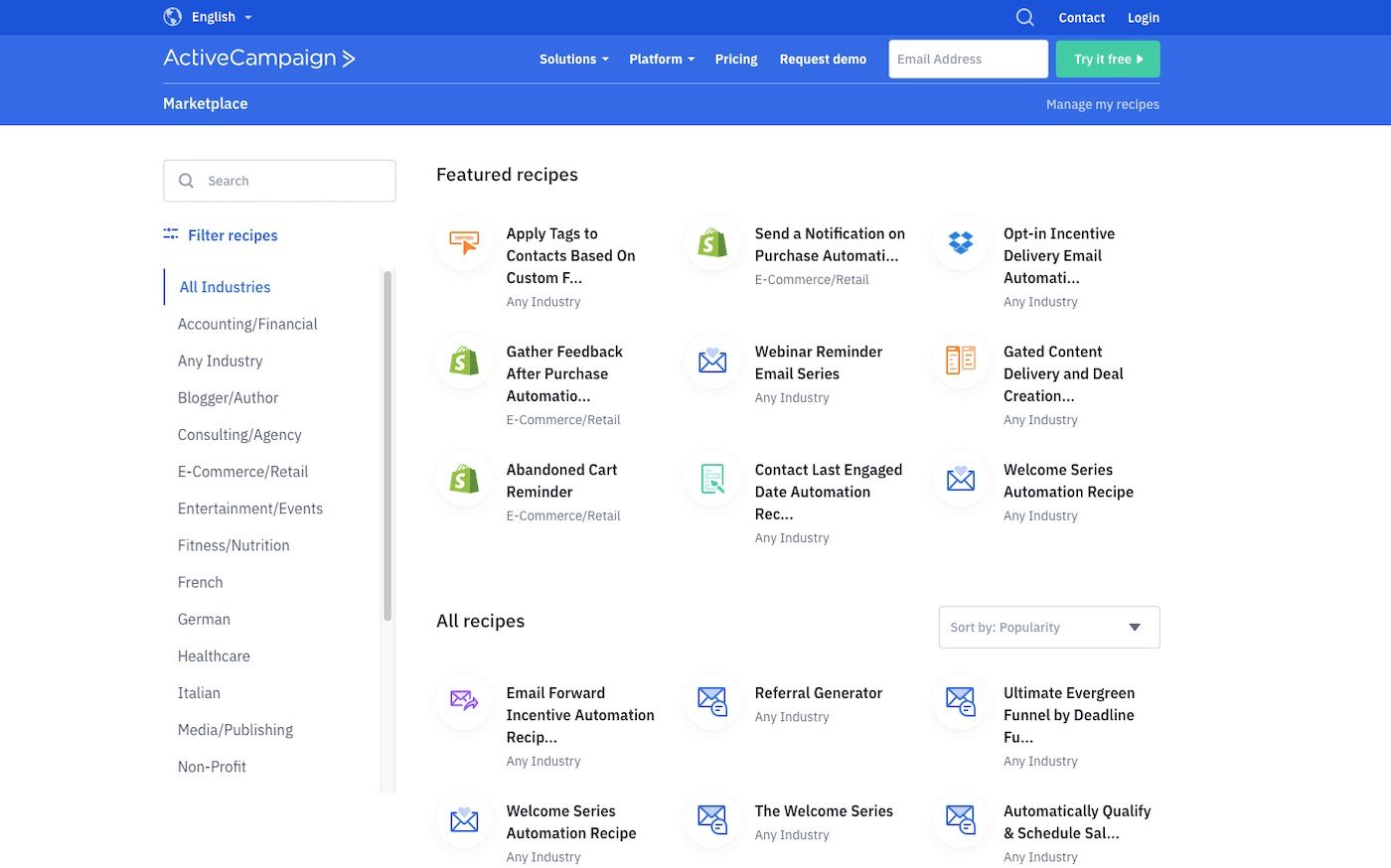
4. ActiveCampaign (14-Day Free Trial)
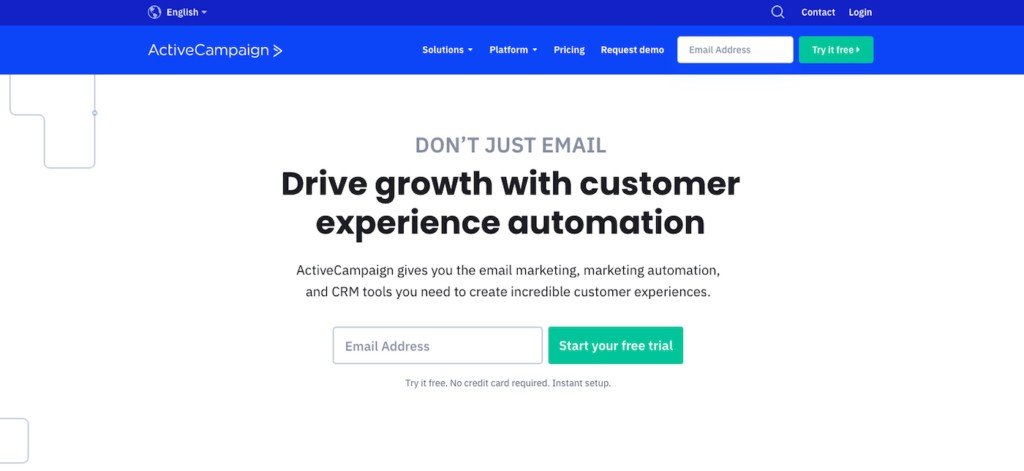
ActiveCampaign is a robust CRM and automation platform with deep segmentation.
- Free Plan: Only a 14-day trial.
- Pros: Extremely powerful automation and audience insights.
- Cons: No true free plan; complex for beginners.
5. ClickFunnels (14-Day Free Trial)
A premium funnel builder trusted by marketers worldwide.
- Free Plan: 14-day trial only.
- Pros: Proven templates and funnel flows.
- Cons: Very expensive post-trial; not ideal for long-term free use.
Sales Funnel Examples
Example 1: Lead Magnet Funnel for Coaches
- TOFU: Instagram reels about personal growth.
- MOFU: Free downloadable habit tracker via Systeme.io.
- BOFU: Automated emails with testimonials + booking link for discovery call.
Example 2: Ecommerce Funnel for Digital Products
- TOFU: Pinterest pins driving traffic to blog.
- MOFU: Free eBook or Notion template download.
- BOFU: Upsell on checkout for a bundle offer.
Example 3: Course Launch Funnel
- TOFU: YouTube videos about the course topic.
- MOFU: Free email course using MailerLite.
- BOFU: Cart open emails with bonuses + countdown timer.
Example 4: Affiliate Funnel
- TOFU: SEO blog with reviews.
- MOFU: Free checklist PDF.
- BOFU: Email pitch with affiliate links and product walkthrough.
Conclusion: Let Your Sales Funnel Lead You to Success
In 2026, building a sales funnel no longer requires a big marketing budget or a full development team. With the right free tools and a clear strategy, anyone can build a digital path that nurtures leads and converts visitors into paying customers.
Whether you’re a solo creator, startup founder, or small business owner, the tools are out there, and the process is simpler than ever. By understanding your funnel stages, aligning tools to each phase, and automating touchpoints, you’ll save time, grow revenue, and scale sustainably.
Ready to take control of your customer journey? Start today with a free funnel toolkit and join thousands of marketers building smarter, not harder!
FAQs
What is a sales funnel system?
A structured path designed to convert leads into customers through targeted content and automation.
What metrics should I monitor in my sales funnel?
Landing page conversions, email open rates, click-through rates, bounce rate, and cost per acquisition.
How to create a free sales funnel?
Use tools like Systeme.io, GetResponse, and involve.me to build, automate, and track your funnel.
How to build a sales funnel for beginners?
Start with a simple landing page + email opt-in form, connect MailerLite for follow-ups, and scale over time.
How to create a sales funnel using AI?
Use ChatGPT or Copy.ai to generate email content, landing page copy, and customer response flows.
What are the essential components of a free sales funnel?
Landing page, lead magnet, opt-in form, automation system, email follow-up, and conversion page.
Can I create a sales funnel in Canva?
Canva is not a funnel builder, but it’s excellent for designing visuals, PDFs, and social media assets used in funnels.
Is it possible to automate the entire funnel with free tools?
Yes. Tools like Systeme.io and MailerLite allow full automation from lead capture to conversion.