

The creator economy has exploded in the past five years, and 2026 is no exception. Today, there are over 200 million content creators worldwide, ranging from full-time influencers to part-time side hustlers. According to Goldman Sachs, the creator economy could be worth $480 billion by 2027, with brands increasingly shifting budgets away from traditional ads and into creator-led campaigns.
But monetization isn’t just for mega-influencers. A study by Linktree revealed that 46% of creators earn under $1,000 annually, while 12% earn more than $50,000 per year. This means the opportunity is vast, but so is the competition.
Whether you’re a YouTuber, TikTok creator, blogger, podcaster, or social media strategist, turning posts into profits comes down to strategy, persistence, and diversification.
Key Point: Content creation in 2026 isn’t just about going viral, it’s about building sustainable income streams and turning followers into paying customers.
What’s the Difference Between Creators and Influencers?
Many people use the terms creator and influencer interchangeably, but there’s a subtle distinction:
- Creators produce content (videos, blogs, podcasts, tutorials) for educational or entertainment value. Their primary goal is expression and audience engagement.
- Influencers are creators who leverage their reach to influence purchase decisions, often focusing on brand partnerships and promotions.
In simple terms:
All influencers are creators, but not all creators are influencers.
Stat: According to HubSpot, 72% of brands prefer to work with micro-creators (10K–100K followers) because their content feels more authentic than traditional influencer ads.
What is the Earning Potential of a Content Creator?
Earning potential depends on niche, platform, and monetization strategy. For example:
- YouTubers earn between $3–$5 per 1,000 ad views (CPM), with additional income from sponsorships and merchandise.
- Instagram creators earn roughly $100–$500 per 10,000 followers per post, depending on engagement.
- TikTok pays less in ad revenue but offers viral reach and brand sponsorship opportunities.
Stat: The average content creator earns $61,000 per year (ZipRecruiter 2024 data), but top creators can make millions annually through diversified streams.
Bonus Tip: Don’t rely on one platform. Multi-channel presence boosts both reach and revenue stability.
From Productization to Monetization
Monetization begins when creators stop seeing content as “just posts” and start treating it as products and services.
- Productization: Turning your skills, knowledge, or art into something sellable (e.g., an ebook, digital template, online course).
- Monetization: The process of earning money from this product via distribution, marketing, and audience engagement.
Example: A fitness creator could productize workouts into a digital course, then monetize through memberships, sponsorships, and merch.
Key Insight: To profit, you need to shift from views to value, focus on how your content solves problems, entertains, or educates.
How to Make Money With Content in 2026
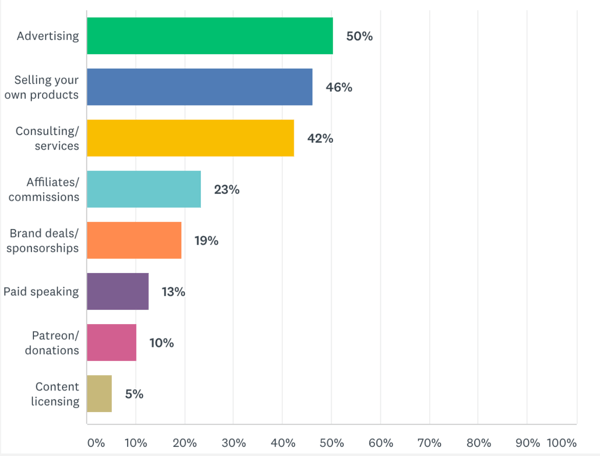
Creators have multiple income streams. Here are the most popular:
1. Advertising (AdSense, TikTok Creator Fund, etc.)
Creators can earn money through ads, though revenue depends heavily on views. For instance, YouTube AdSense pays $3–$5 per 1,000 views.
Key Point: Ads work best when you have consistent high traffic but shouldn’t be your only source.
2. Brand Deals & Sponsorships
One of the most profitable avenues—sponsorships often pay more than ad revenue. Brands collaborate with creators for authentic promotion.
Stat: 69% of creators say brand partnerships are their top income source (Influencer Marketing Hub, 2024).
3. Digital Products (Courses, eBooks, Templates)
Creators package expertise into sellable assets. For example: Canva template packs, photography presets, or masterclasses.
Bonus Tip: Digital products scale infinitely, create once, sell forever.
4. Affiliate Marketing
By promoting tools, apps, or products, creators earn commissions per sale. Amazon Associates, ShareASale, and Impact are common networks.
Key Insight: Works best when tied to authentic recommendations instead of spammy links.
5. Premium Content & Memberships
Patreon, BuyMeACoffee, and Substack allow creators to charge subscribers for exclusive access.
Example: Many podcasters release ad-free or bonus episodes for paying members.
6. Consulting & Services
Freelancers and entrepreneurs can monetize their expertise through 1:1 coaching, workshops, or consulting calls.
Stat: 43% of full-time creators now offer paid services alongside content (ConvertKit, 2024).
How to Craft a Compelling Value Proposition
To succeed as a content creator, you need more than just good content, you need a value proposition that makes your audience choose you over others.
Understand Your Audience’s Needs
Every great value proposition starts with audience research. What keeps your audience awake at night? What problems are they facing? For instance, a finance creator might identify that their audience struggles with budgeting, while a fitness influencer’s followers may want quick 15-minute workouts. The better you understand their pain points, the easier it is to position your content as the solution.
Create High-Value Content
Your content should do one of three things: educate, entertain, or inspire. A strong value proposition means that your audience instantly recognizes your unique offering. For example, if you’re a tech creator, your promise might be: “Simple tech tutorials for non-techies.” This kind of clarity sets you apart from the competition.
Align Your Offering With Their Needs
Once you know what your audience wants, align your monetization with their expectations. For example, if your audience wants hands-on learning, you can launch a step-by-step paid course. If they prefer quick insights, you might sell downloadable cheat sheets or templates. Your value proposition must communicate why your solution is the best, fastest, or most trusted way to solve their problem.
Key Point: A compelling value proposition is the bridge between free content and paid monetization, it makes your audience feel that paying for your content is not just an option but a necessity.
Bonus Tip: A clear value proposition = higher conversions and stronger brand loyalty.
How Long Does It Take to Make Money Blogging?
Many new creators wonder, “How fast can I start making money from my blog?” The truth is; it depends on several factors such as your niche, traffic growth, and monetization strategy.
- On average, it takes 6–12 months for a new blog to start generating consistent income.
- According to GrowthBadger, 81% of bloggers earn less than $100 per month in the first year, but income potential grows significantly with persistence.
- Bloggers who focus on SEO, consistent publishing, and audience building are more likely to start earning faster.
For example, a blog in a high-demand niche like personal finance or health can start attracting traffic quicker than a blog in a low-interest niche. Bloggers who combine multiple monetization methods, such as affiliate marketing + sponsored content + digital products—can reach profitability faster.
The most important ingredient is consistency. Many successful bloggers who now earn six figures started with zero readers and stuck with it until their traffic and monetization scaled.
Stat: 68% of bloggers making $50K+ annually have been blogging for over 4 years (GrowthBadger 2023).
Real-World Examples of Creator Earnings
Understanding real-life creator journeys helps put monetization into perspective. Let’s break down three case studies:
Matt Upham – TikTok Content Creator
Matt Upham, a software engineer, built a side hustle by sharing tech-related content. By September 2022, his audience included 500K TikTok followers, 113K Instagram followers, and 56K YouTube subscribers.
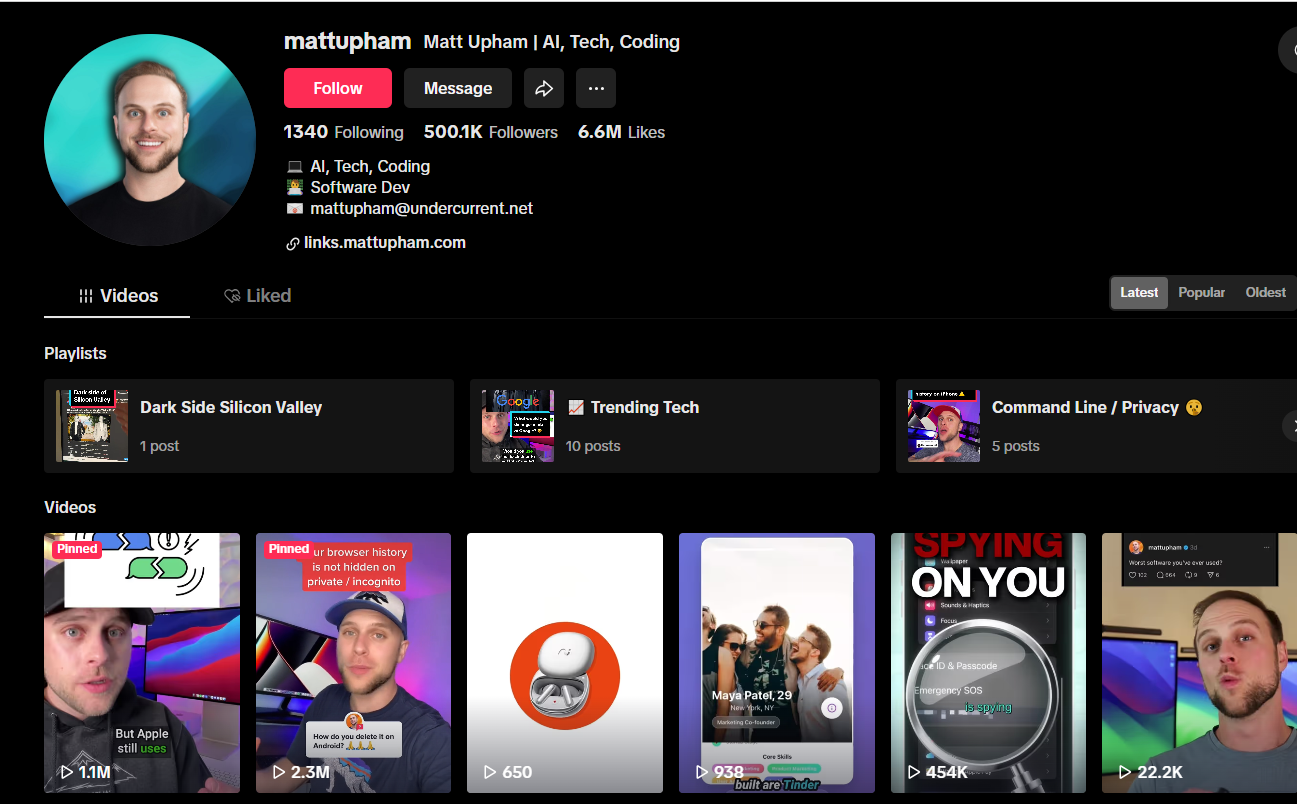
Earnings Breakdown:
- Brand deals – $8,863.34
- Speaking engagement – $485.05
- YouTube AdSense & Shorts Fund – $442.31
- Instagram Reels bonus – $254.66
- Tutoring – $100
Takeaway: Matt diversified his income streams, proving that even smaller creators can earn over $10,000 per month by combining sponsorships, ads, and side gigs.
Charli Marie Prangley – YouTuber
Charli Prangley, a designer and YouTuber, shared her 2024 income report with her 235K YouTube subscribers. Despite creating part-time, she earned GBP 11,201 (around $14,199) in 2024.
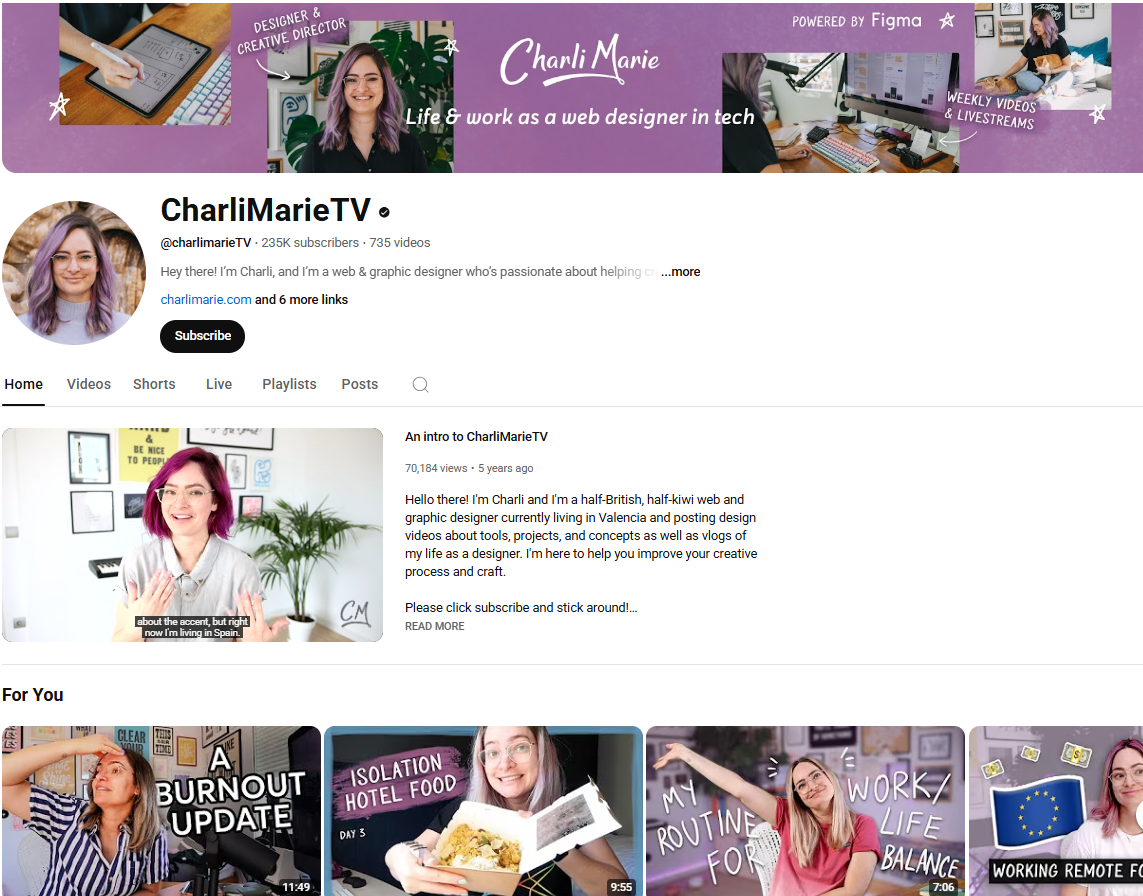
Earnings Breakdown:
- Content (sponsorships, AdSense, affiliate commissions) – GBP 6,158
- Products & services (custom fonts, vector pack, mentorship, workshops) – GBP 4,845
- Patreon & YouTube memberships also contributed.
Takeaway: Charli shows that even part-time creators can generate a healthy side income by mixing digital products, sponsorships, and memberships.
Humphrey Yang – YouTuber
Humphrey Yang, a personal finance YouTuber, grew to over 1M subscribers and 200M lifetime views. In 2023, he earned $274,374.56 from YouTube alone.
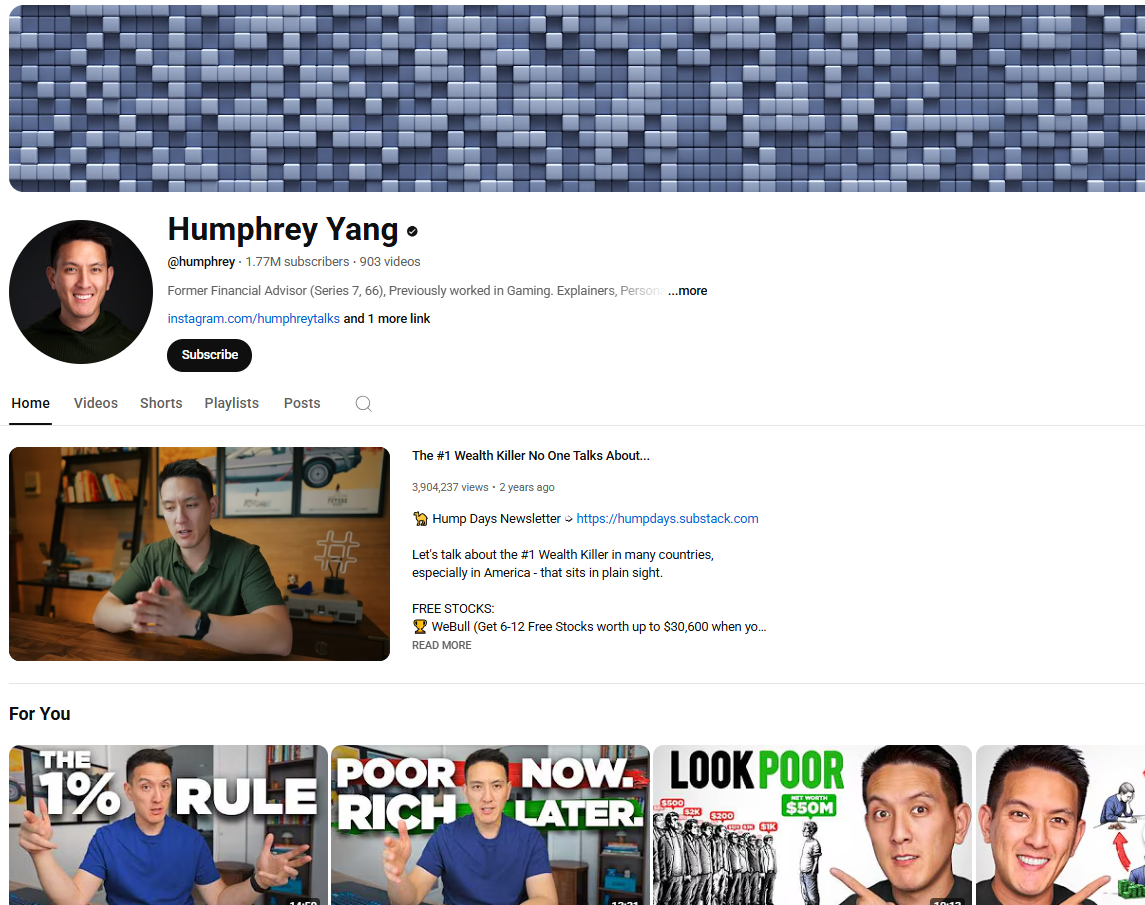
Earnings Source:
- AdSense revenue from millions of video views.
- While he didn’t disclose sponsorship figures, his brand partnerships likely boosted his income further.
Takeaway: Once a creator scales, ad revenue alone can generate six-figure incomes, but diversifying into sponsorships and digital products can multiply earnings.
The Future of Content Monetization in 2026
In 2026, creators are shifting towards community-driven monetization:
- Private communities (Discord, Circle)
- Decentralized ownership via NFTs
- AI-powered personalized content delivery
Stat: 40% of Gen Z consumers say they’d rather buy directly from a creator than a brand (Forbes Report 2024).
Conclusion: Turn Your Content Into a Moneymaker
The path from posts to profits is no longer limited to influencers with millions of followers. In 2026, any creator with consistency, strategy, and creativity can build income streams from their content.
Whether you choose ads, sponsorships, digital products, or consulting, the opportunities are endless, if you treat your content like a business.

Imagine waking up every morning to see your posts not just gaining likes but also generating income. That’s the power of monetization done right.
If you’re ready to turn your content into profit, let’s work together.
Our content strategy and monetization services help creators, freelancers, and businesses maximize revenue while building an authentic brand. Contact us today to start monetizing smarter.
FAQs
How do content creators monetize?
Through ads, sponsorships, affiliate marketing, product sales, memberships, and services.
How do social media platforms pay creators?
Platforms like YouTube, TikTok, and Facebook pay via ad revenue sharing, creator funds, or bonuses.
How much does Instagram pay for 1,000 views?
Rates vary, but creators can earn $0.01–$0.05 per view depending on engagement and monetization program.
How does Facebook pay creators?
Through in-stream ads, subscriptions, and branded content partnerships.
What’s the easiest way to start monetizing?
Affiliate marketing and digital products require little to no upfront investment.
How much money can small creators make?
Micro-creators (10K–100K followers) can make $500–$5,000/month depending on niche and engagement.
Do you need millions of followers to monetize?
No. Even 1,000 loyal fans can generate full-time income if you provide high-value offerings.