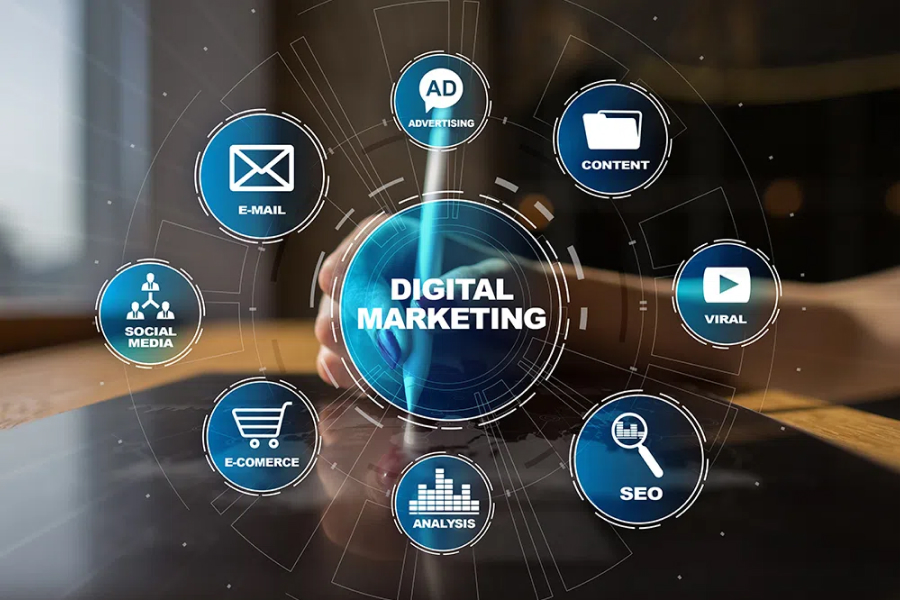
Did you know that over 90% of small businesses plan to increase their digital marketing budget in 2026? In today’s fast-paced digital world, leveraging online marketing isn’t just an option, it’s a necessity. This blog explores 12 powerful benefits of digital marketing that can help your small business thrive! Digital marketing has levelled the playing field, allowing startups and small businesses to compete with larger brands. But why is digital marketing so important for small businesses?
From cost-effective advertising to focused customer reach, digital marketing provides various advantages that can greatly impact small business growth strategies.
What Is Digital Marketing?
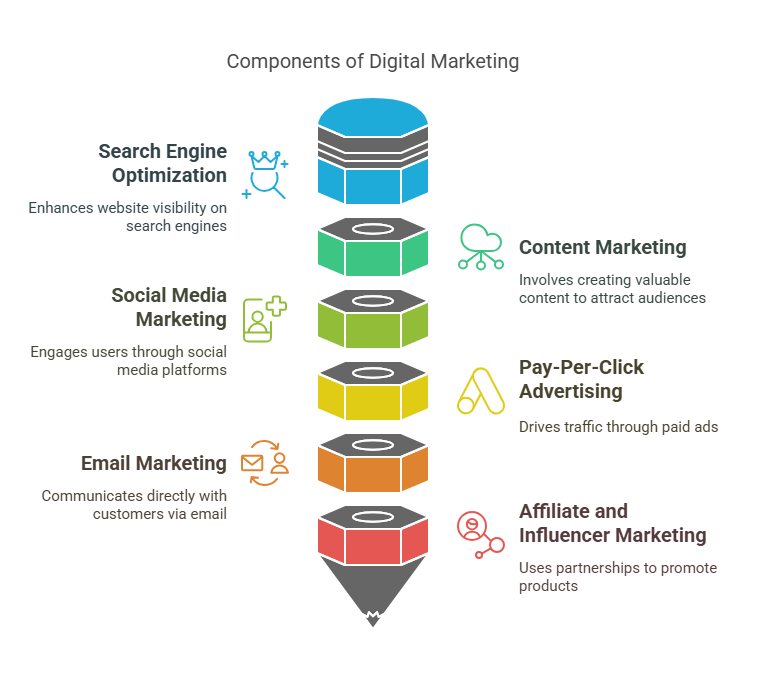
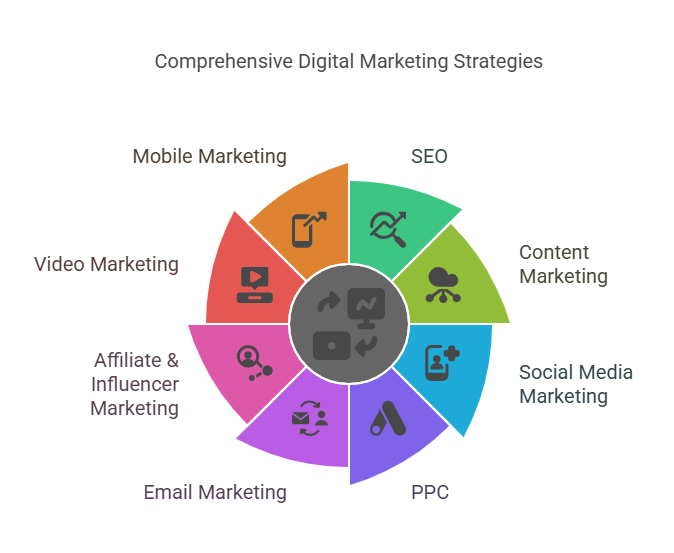
Digital marketing refers to online techniques for promoting products and services via various digital platforms. Unlike traditional marketing, which is based on TV, radio, and print media, digital marketing focuses on:
- Search Engine Optimization (SEO)
- Content Marketing
- Social Media Marketing (SMM)
- Pay-per-click Advertising (PPC)
- Email Marketing
- Affiliate and Influencer Marketing
By utilising these platforms, businesses may reach a larger audience, generate leads, and increase sales with tangible outcomes.
Why Is Digital Presence Important In Today’s World
With approximately 5.35 billion internet users worldwide (Statista, 2024), having a strong digital presence is no longer an option, it’s a necessity. Here’s why:
- Consumers are Online: 81% of shoppers conduct online research before making a purchase.
- 24/7 Availability: Your business remains accessible even after hours.
- Cost-effective Branding: Social media and content marketing help you create brand authority without incurring significant costs.
- Competitive Edge: Your competitors are online, and so should you be.
Small firms that lack a digital presence risk being overshadowed by competitors with greater online visibility.
The Growth Rate Of Digital Marketing
The compound annual growth rate of digital marketing from 2020-2026 is projected at 9%.
- Digital display is projected to grow at a 15.5% CAGR, while search is projected to grow at 12.2%. Search accounts for 40.9% of the global digital advertising and marketing market.
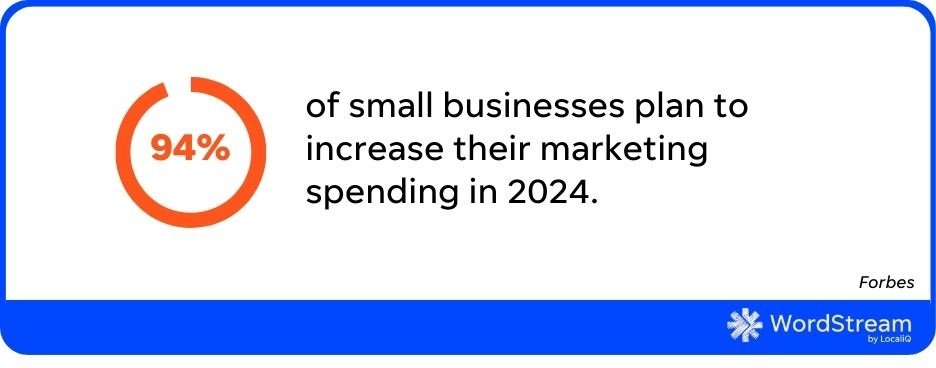
- 63% of businesses have already increased their digital marketing budgets in recent years. On top of this, 94% of small businesses plan to increase their marketing spending in 2024.
- Between 2023 and 2024, there was a 10% growth rate in digital marketing budget spending across businesses.
How Digital Marketing Is Taking a Leap In Today’s World
The fast transition to digital platforms has altered how firms interact with clients. AI-powered marketing, automation, and data analytics have altered the sector, increasing marketing efficiency and personalization. Key trends include:
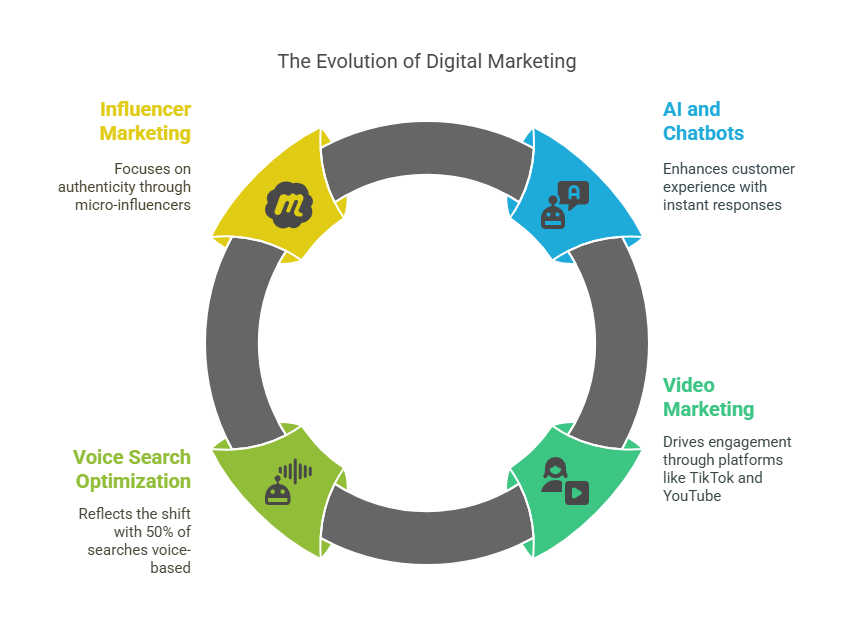
- AI and Chatbots: Provides personalized consumer experiences with rapid responses.
- Video Marketing: TikTok and YouTube are popular video marketing platforms with high reach and engagement.
- Voice Search Optimization: Currently, 50% of searches are voice-based.
- Influencer Marketing: Involves collaborating with micro-influencers to ensure authenticity.
Digital marketing is continuously evolving, reshaping how businesses operate and expand.
Types Of Digital Marketing & Examples
SEO (Search Engine Optimization)
Improving website rankings (e.g., Google search results for “best coffee shop in NYC”).
Content Marketing
Blogs, videos, podcasts and infographics to educate customers (e.g., a salon posting beauty tutorials).
Social Media Marketing (SMM)
Promoting products or services on Facebook, Instagram, X, LinkedIn, Pinterest etc.
Pay-Per-Click Advertising (PPC)
Paid ads on Google and social platforms (e.g., Google Ads for a shopify store).
Email Marketing
Sending newsletters and product/sale promotions (e.g., Amazon’s weekly deals emails).
Affiliate & Influencer Marketing
Collaborations to promote business (e.g., YouTubers reviewing gadgets).
Video Marketing
Viral video content on platforms like YouTube and TikTok.
Mobile Marketing
SMS and WhatsApp campaigns and mobile-friendly advertisements.
12 Benefits Of Digital Marketing For Small Businesses
1. Cost-Effective Marketing
PPC, social media ads, and content marketing are all examples of low-cost digital marketing strategies. Small Businesses can optimize expenditure based on performance to get cost-effective results. To achieve maximum effectiveness, regular monitoring and adjustments are required.
2. Targeted Audience Reach
Businesses can reach certain demographics using tools such as Google Ads and social media targeting, resulting in increased engagement and conversion rates. However, audience analysis and strategy refinement are crucial for success.
3. Higher ROI (Return on Investment)
Digital marketing offers a high ROI for a minimal investment, notably SEO and email marketing, which generate long-lasting rewards. However, patience and strategic planning are required to get consistent results.
4. Measurable Results and Analytics
Unlike traditional marketing, digital marketing provides real-time data via tools such as Google Analytics and social insights, allowing small businesses to track performance and modify strategies. However, understanding these tools requires technical expertise.
5. Better Engagement & Brand Awareness
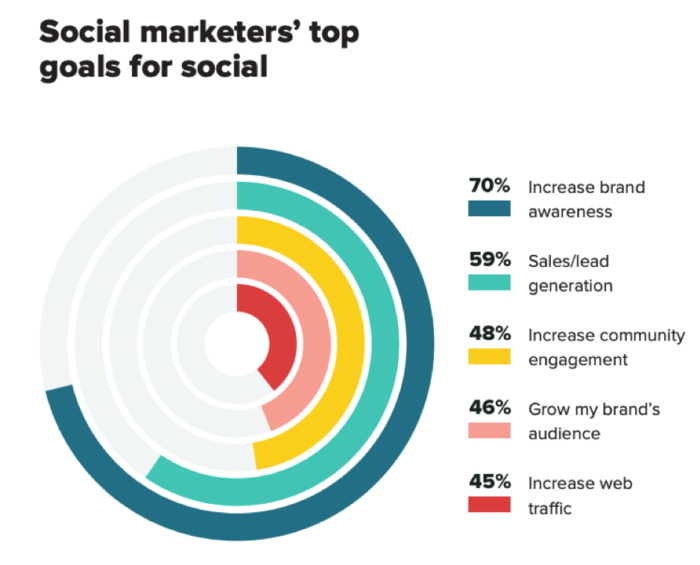
Social media provides you direct interaction with clients, which boosts engagement and trust. Small Businesses can increase brand awareness by creating compelling content, but negative comments must be managed efficiently to preserve a positive reputation.
6. Mobile Marketing Benefits
With 90% of consumers using mobile devices, businesses can stay accessible with mobile-optimized websites, SMS and WhatsApp marketing, and mobile adverts. A seamless mobile experience is essential for success.
7. Global Reach
Digital marketing allows small firms to go beyond their local markets. Over 63.8% of the world’s population is online, including 5.22 billion active social media users. However, rising global competitiveness demands a robust differentiating approach.
8. Increased Sales & Lead Generation
SEO, PPC, and retargeting ads increase sales by converting leads into customers. A well-optimized sales funnel increases conversion rates, but small businesses must implement effective lead nurturing tactics.
9. Competitive Edge Over Bigger Brands
Small businesses may compete with larger brands by focusing on niche marketing, personalization, and innovative content. However, staying competitive requires constant creativity and adaptability.
10. Flexibility & Automation
Digital marketing enables organisations to rapidly modify and scale strategies. Automation applications such as AI chatbots and email marketing save time, but they must be properly set up and optimized for maximum productivity.
11. Customer Relationship Building
Email marketing, social media engagements, and loyalty programs all help to strengthen customer relationships and increase retention. However, staying engaged requires consistent and personalized efforts.
12. Scalability & Business Growth
Digital marketing allows businesses to start small and flourish over time. SEO and email marketing strategies evolve alongside the business, but ongoing learning and trend adaptation are critical for long-term success.
Conclusion
Imagine you own a little shop in your neighbourhood. You rely on foot traffic and word of mouth to attract clients. Consider placing that same shop online, where millions of people can find you, learn about your products, and place orders instantly.
This demonstrates the power of digital marketing for small businesses.
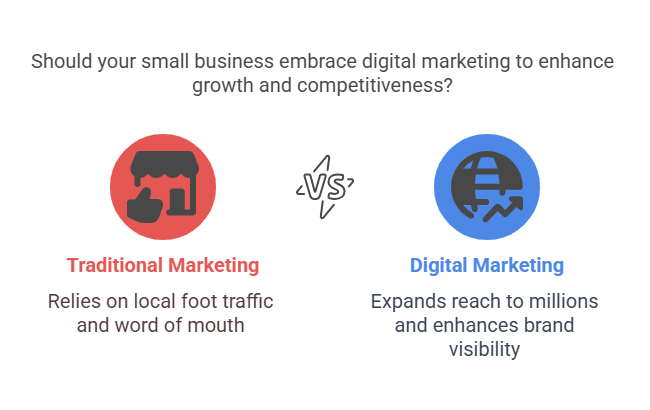
For small business growth strategies, digital marketing is more than simply a choice; it is a game changer. Businesses can use SEO, social media, or PPC ads to develop a strong brand, generate leads, boost sales, and compete with industry titans.
Are you willing to grow your small business to new heights? Begin adopting these digital marketing growth strategies to upscale your business!
FAQs
Why is blogging important in digital marketing?
Blogging improves SEO, increases traffic, and builds business authority.
How do I start digital marketing for my small business?
Set up a website, SEO, social media, and email marketing.
What is the scope of digital marketing?
It provides multiple opportunities for SEO, content marketing, PPC, and more.
Which digital marketing strategy is best for small businesses?
SEO, social media marketing, and email campaigns offer the highest ROI.
How much does digital marketing cost?
Costs vary, but many skills, such as SEO and social media, can be relatively affordable and low-cost.
What are the most in-demand digital marketing skills?
Social media marketing, content writing, graphic designing, SEO, and PPC management.
Is social media marketing enough for small businesses?
No. It should be paired with SEO, PPC, and email marketing to achieve better results.
How long does it take to see digital marketing results?
SEO can take 3-6 months, whereas PPC ads and social media campaigns produce faster results.