
The Hard Truth About Startups in 2026
Startup Genome data shows that almost 21.5% of firms fail during the first year. And as we approach 2026, the demand to establish sustainable businesses grows more than ever, particularly for small businesses run by entrepreneurs and freelancers navigating the congested digital economy.
So, why do so many excellent ideas perish prematurely? More importantly, how do you establish one of the finest startups in 2026 without repeating those mistakes?
If you’re one of those dreamers ready to join the ranks of top businesses, this guide will help you progress towards long-term success and a foolproof startup plan, even if you’re beginning a startup with no money in hand!
False Starts – Reasons That Kill Startups
One of the most common but underrated reasons new ventures fail is launching too soon without validation, customer research, or a real understanding of product-market fit.
Many small businesses in 2026 begin with passion but lack strategy. This “false start” causes them to burn through resources before finding a viable path.
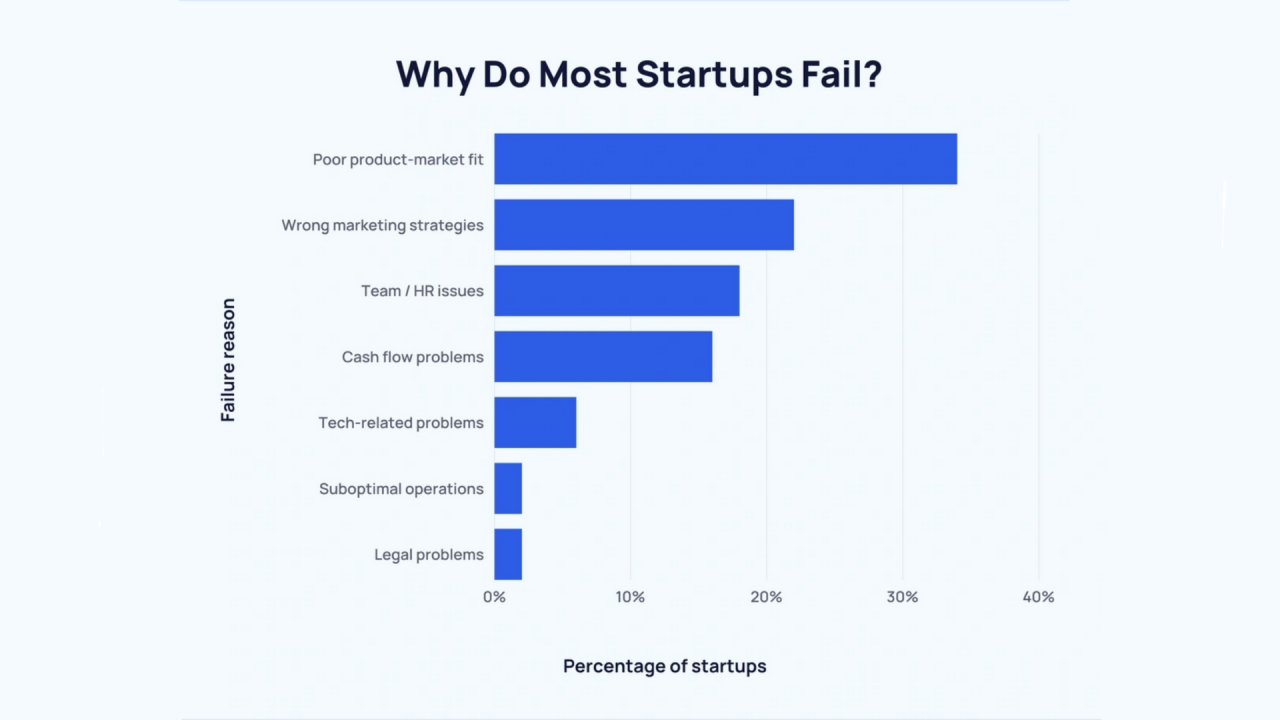
There is no single villain here. Failure is typically caused by a combination of issues, including insufficient cash flow, an unclear value proposition, a lack of market demand, poor product, team dysfunction, poor timing, or simply burnout.
In 2026, startups face severe competition, and consumers are more aware than ever. A brilliant idea without a solid execution plan is just noise.
Key takeaway: Success doesn’t come from just starting, it comes from testing, validating, and building based on real customer feedback. A strong foundation saves money, time, and sanity.
How Many Businesses Fail in the First Year?
According to the U.S. Bureau of Labor Statistics:
- 20% of new businesses fail within the first year.
- 45% fail within the first five years.
- Only 25% survive beyond 15 years.
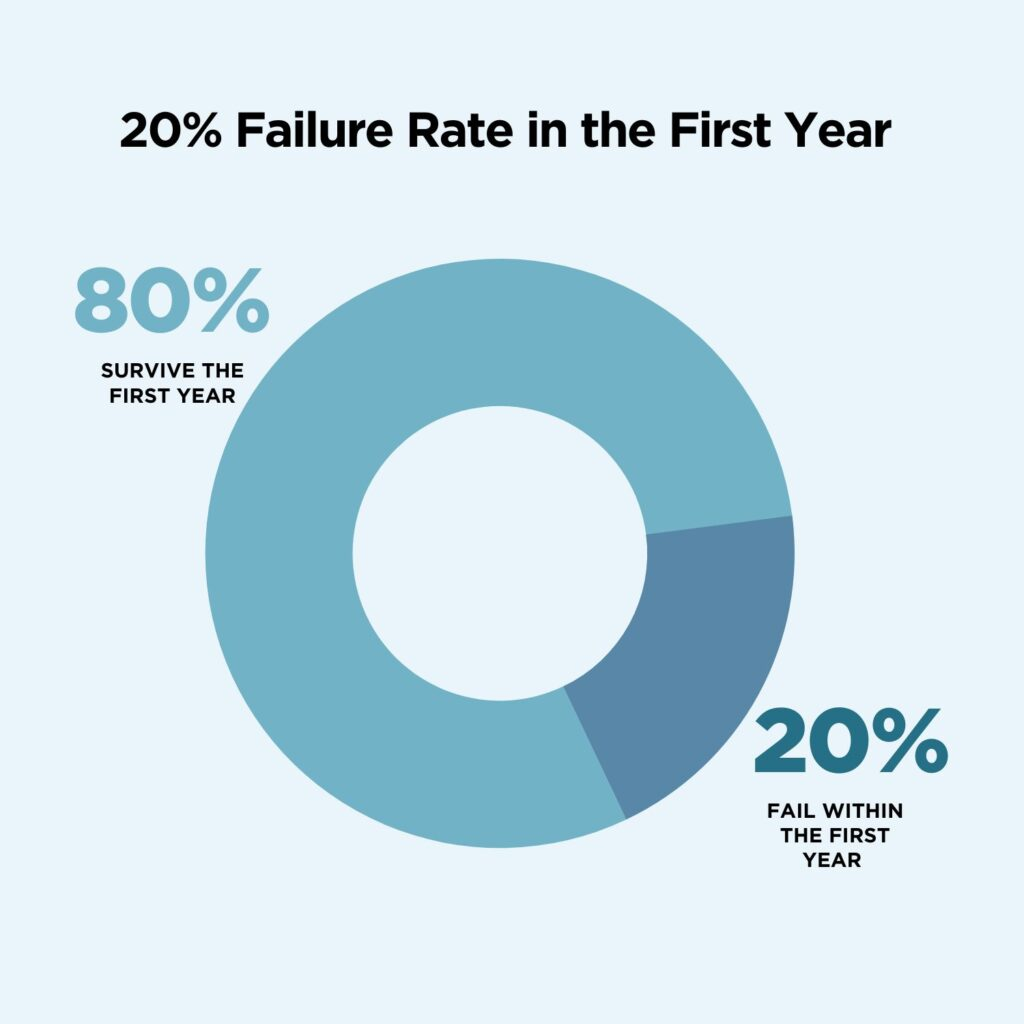
These figures reflect global patterns too. With the rapid growth of the creator economy and e-commerce, startup ideas in 2025 may look exciting, but the survival rate depends on strategy, not luck.
What Does It Cost a New Entrepreneur to Launch Their Startup?
Starting costs vary, but here’s a rough idea for startups with no money looking to bootstrap:
- Domain + Hosting: $50–$100/year
- Branding & Website Tools: $0–$500 (thanks to freemium tools like Canva, Wix)
- MVP Development: $500–$5,000 (if outsourced or DIY)
- Marketing + Ads: Optional, but even $100 can be useful

Low-cost tools and AI automation in 2026 have made it possible to start lean, but lean doesn’t mean lazy. A small investment in planning goes a long way.
Top 10 Reasons Startups Fail and What to Do About It
Let’s break it down by emotional cause and actionable solution:
1. Lack of Passion

Cause: Many startup founders enter the market to capitalize on trends or financial returns, rather than because they are truly passionate about the problem they are solving. Without an emotional investment in the purpose, it’s easy to lose drive during difficult times – which are unavoidable. Passion is the fuel that drives you through difficult hours, unidentified results, and countless rejections.
How to Avoid It: Begin with a problem that is very important to you. Think about the question: “Would I still work on this if it didn’t pay me for a year?” Passion is more than simply an emotion; it leads to improved product insight, stronger communications, and long-term resilience. If you’re launching a startup in 2026, this inner desire will distinguish you from hobbyist founders and fad chasers.
2. No Market Need
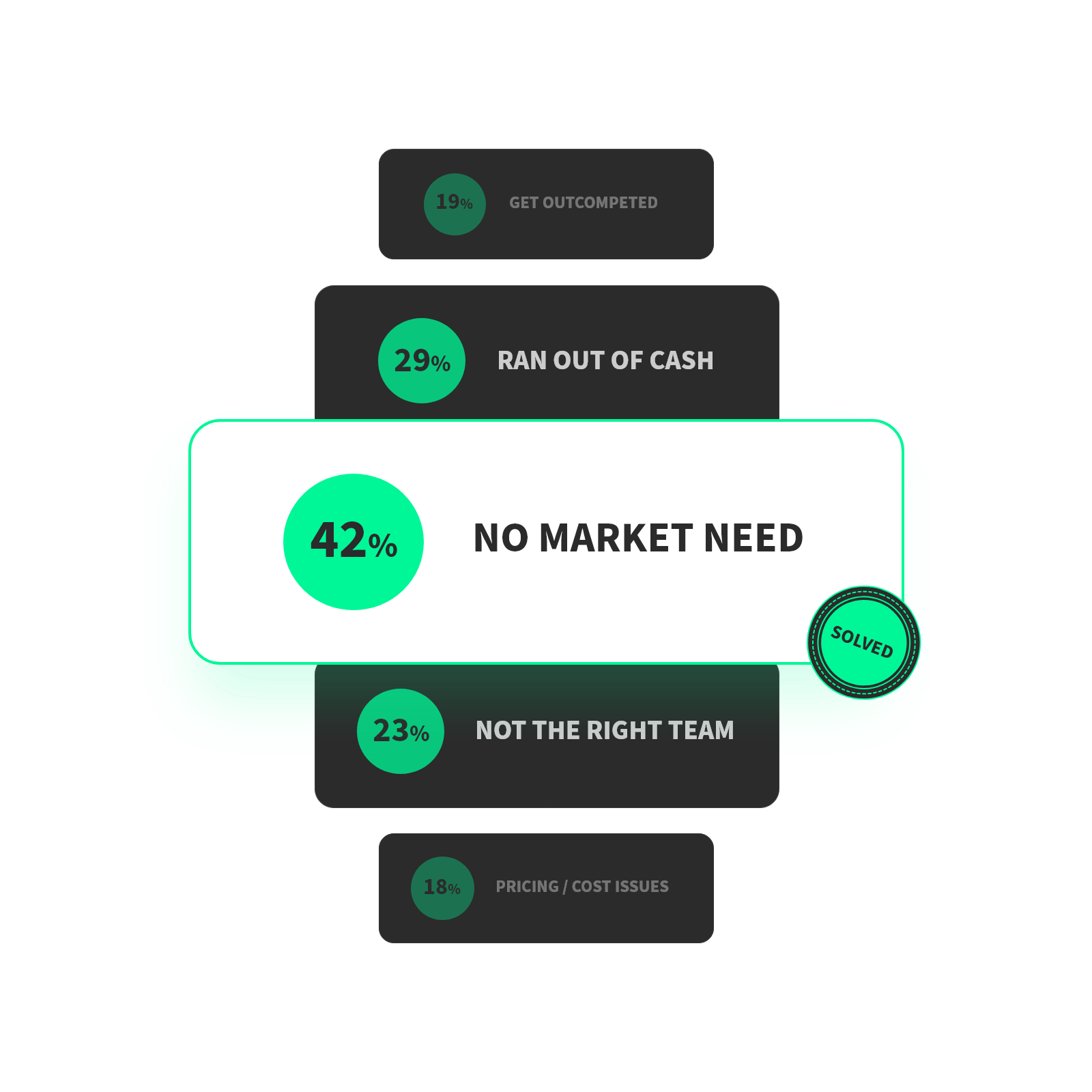
Cause: According to CB Insights, 42% of startups fail because there’s simply no market demand for their product. Founders often fall in love with their idea and skip the crucial step of validating it with real customers. They build in a vacuum, assuming people will want what they’ve made.
How to Avoid It: Before writing a single line of code or designing a logo, talk to at least 50 potential customers. Use surveys, Reddit forums, or one-on-one calls to understand pain points. Only proceed if a consistent, painful problem emerges from your interviews. This ensures you’re not just launching a product, you’re solving a real need.
3. Running Out of Cash

Cause: Many startups don’t have a clear financial plan, and they overestimate revenue or underestimate costs. They spend too much on branding, product development, or paid ads too early without tracking ROI. Once the cash is gone, there’s no backup plan.
How to Avoid It: Create a lean budget and monitor every expense. Use free and freemium tools as much as possible. Focus spending on things that directly generate revenue or improve customer experience. Keep your burn rate low, and always maintain at least three months of runway. Even startups with no money can thrive if they prioritize smart spending and cash flow management.
4. Weak Marketing and Visibility
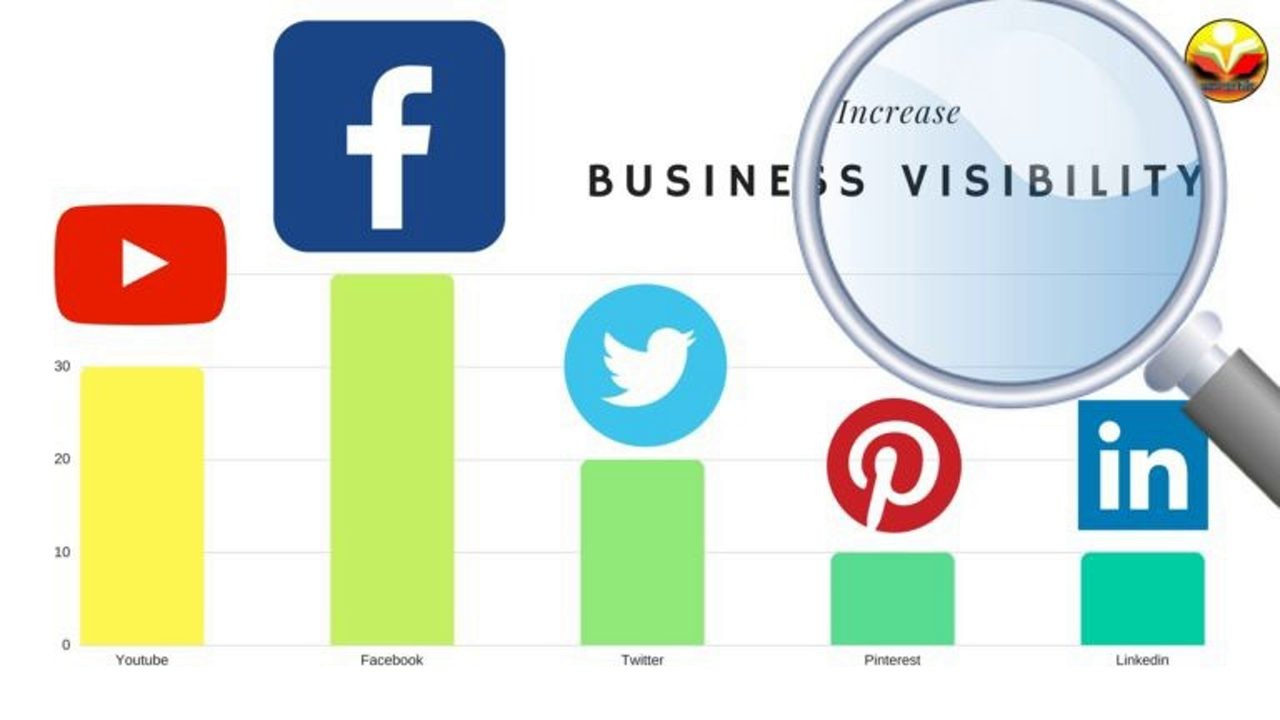
Cause: Some of the best products fail because no one knows they exist. Founders often think their product will “sell itself,” which rarely happens. With so many small businesses in 2026 launching daily, visibility is everything.
How to Avoid It: Start marketing before launch. Build an email waitlist, post teaser content, or share your journey on social platforms. Use organic marketing like SEO, blogging, and community-building to create buzz. Consider AI-powered marketing tools that can help automate outreach and engagement without a big team or budget.
5. Team Dysfunction
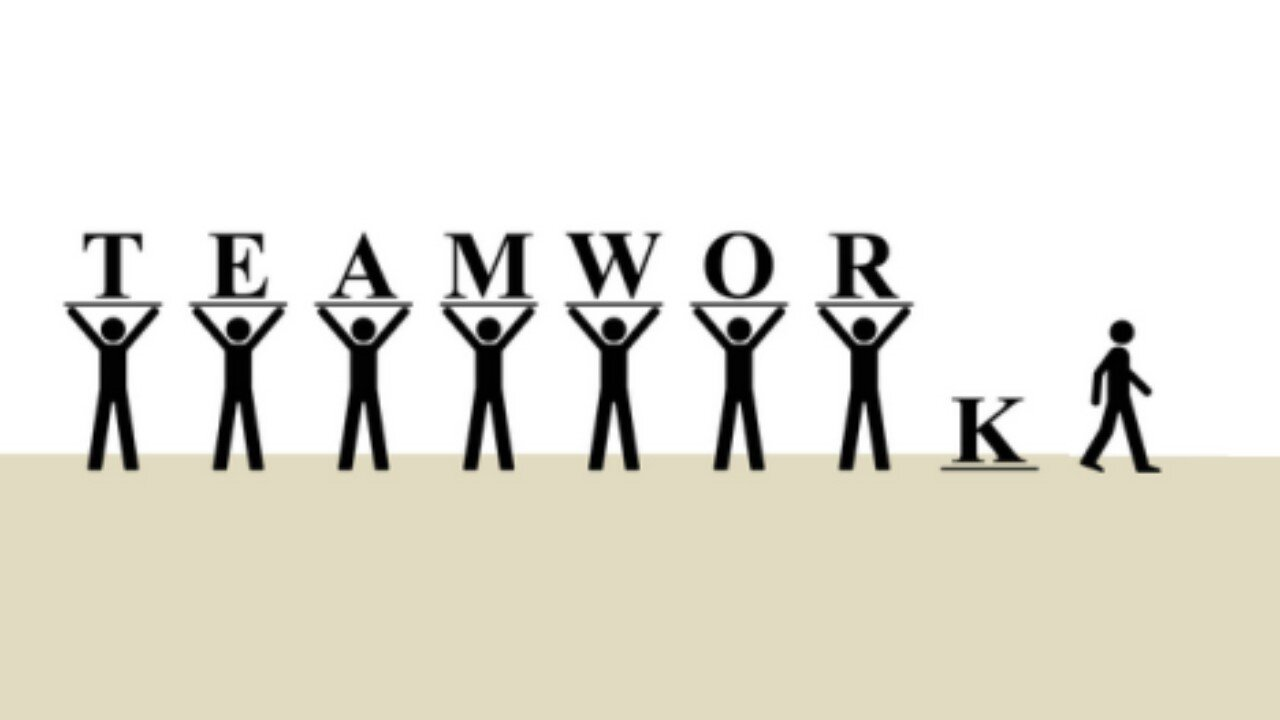
Cause: Many startups are undone by poor communication, mismatched expectations, or unclear roles among founders or early team members. Trust and collaboration issues can cripple progress even when the idea is great.
How to Avoid It: Choose co-founders and hires who complement your strengths and share your vision. Define responsibilities early, document decisions, and have regular check-ins. If you’re a solo founder, build a network of advisors or freelancers who can fill your skill gaps. Emotional intelligence and team alignment are as important as the product itself.
6. Refusing to Adapt

Cause: Startups that cling to their original idea, despite data showing it’s not working, often fail. This is usually due to ego or fear of starting over. Pivoting is seen as failure when in fact, it’s a sign of adaptability.
How to Avoid It: Track your user behavior, gather feedback continuously, and be willing to evolve. Twitter, Instagram, Slack, and YouTube all pivoted from their original ideas. In 2026, where markets shift quickly, the ability to pivot is more important than ever. Don’t fall in love with your solution, fall in love with solving the problem.
7. Scaling Too Early
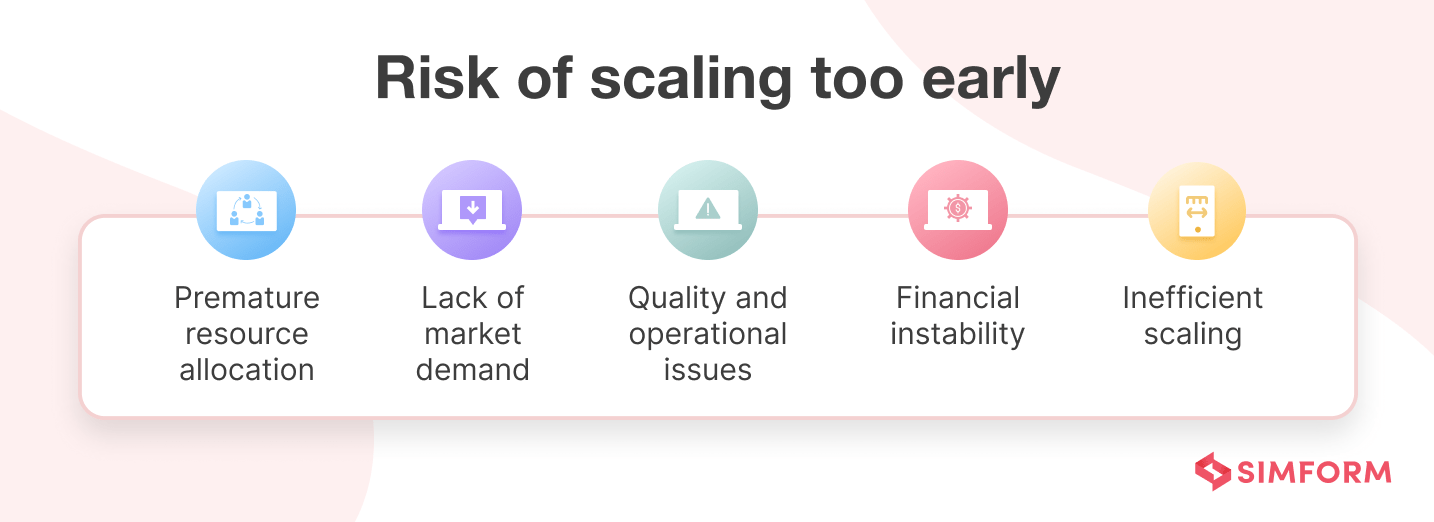
Cause: Some startups mistakenly expand operations, hire staff, or increase ad spend too soon, before their product-market fit is stable. This leads to high overhead without matching revenue, creating a dangerous imbalance.
How to Avoid It: Focus on small, sustainable wins before scaling. Ensure customer retention, positive reviews, and repeat usage before increasing your growth efforts. Use key performance indicators (KPIs) to track readiness. If your conversion rate is still inconsistent, it’s not time to scale.
8. Poor Timing

Cause: Even the best idea can fail if launched at the wrong time, too early (market not ready) or too late (market saturated). Timing is crucial, especially in fast-evolving niches like tech or health.
How to Avoid It: Research trends using tools like Google Trends, Product Hunt, and Exploding Topics. Validate your assumptions with real users and study the competitive landscape. Being “first” isn’t always best, being relevant at the right moment is what counts.
9. Ignoring Legal and Compliance

Cause: Many founders skip registering their business properly, ignore contracts, or neglect taxes and trademarks. One lawsuit or fine can cripple a startup financially and legally.
How to Avoid It: Use services like Stripe Atlas or Clerky to get legally compliant from day one. Get contracts in place with clients, freelancers, and co-founders. Speak with a legal consultant if needed, it’s cheaper than fixing a mess later.
10. Neglecting Customer Support

Cause: Ignoring user feedback, providing slow responses, or failing to resolve issues can destroy trust. In a competitive market, customer experience is often a bigger differentiator than product features.
How to Avoid It: Treat customer service as marketing. Use tools like Intercom, Crisp, or even AI chatbots to provide timely support. Collect feedback regularly and actually act on it. A great support experience can turn users into promoters, and haters into loyalists.
Pro Tips to a Fool-Proof Startup Launching Strategy
Starting strong does not ensure success, but it does significantly boost your chances. Here’s a more detailed step-by-step method to build a great launch plan.
1. Start with a Painful Problem
Don’t chase trends; instead, address a genuine, painful issue for which people are actively looking for solutions. A smart idea addresses a specific need, not merely a curiosity.
2. Validate with Real People
Engage your target audience early on. Before beginning any project, conduct surveys, ask questions in communities, and solicit honest feedback. Interest does not imply purpose; look for folks willing to pay.
3. Build a Minimum Viable Product (MVP)
Launch with just enough features to address the core problem. Use no-code tools to generate quick prototypes and discover what people genuinely require.
4. Build an Audience Before You Launch
Begin marketing while you build. Share information, educate your audience, and expand your email list or social media presence. Launching to a crowd outperforms launching to silence.
5. Focus on Early Users, Not Vanity Metrics
Avoid being obsessed with your number of followers or likes. Prioritise your first few users by collecting feedback, making alterations, and converting them into dedicated advocates.
6. Track Everything and Learn Fast
Use analytics tools to track what works. Review analytics weekly, make small changes, and iterate until you reach product-market fit.
7. Automate What You Can
Automate tasks with platforms like Zapier, ChatGPT, or Notion to save time and keep things lean. Work smarter, not harder, especially as a solo founder.
8. Prepare for Emotional Highs and Lows
Expect setbacks. Stay grounded, celebrate small wins, and seek encouragement from other businesses. Mental clarity is your secret weapon.
Conclusion: Build a Startup That Survives
The startup world in 2026 is full of opportunities, but only for those who take the time to launch smart. The graveyard of failed startups is full of brilliant ideas, poorly executed. Be the one who’s prepared!
Whether you’re building small businesses for entrepreneurs and freelancers in 2026 or trying your luck with startup ideas in 2026, now is the time to act with urgency. The tools are at your fingertips, the market is evolving, and waiting could cost you your spot.
Start learning!
Stay agile!
This is your year to join the ranks of top startups, even if you’re starting from scratch.
Need help planning your startup journey? Don’t wait. Just get in touch with us to get help in your journey.
FAQs
Why do most startups fail in the first year?
Most startups fail due to poor market research, cash flow issues, and lack of product-market fit.
What are the best startups to launch in 2026?
In 2025, AI tools, digital services, remote team platforms, and creator economy products are hot startup ideas.
Can a beginner launch a startup with no money?
Yes, many startups with no money begin using free tools, no-code platforms, and lean marketing strategies.
What is a realistic budget for starting a small business in 2026?
Anywhere between $500 and $5,000 depending on the niche and your tech needs.
What makes a startup idea successful in 2026?
Ideas that solve real problems, leverage tech smartly, and build communities are winning.
How do a beginner market startup with a small budget?
Use organic content, SEO, community building, and AI automation for lean but effective marketing.
What’s one thing every startup should do before launch?
Talk to potential customers and make sure your product solves a real, urgent problem.