
You don’t need a studio setup, a perfect smile, or on-camera charisma to build a memorable brand. In 2026, 5.41 billion people will use social media, that’s 65.7% of the planet so there’s room for every format and every comfort level, including creators who never show their faces. (DataReportal – Global Digital Insights).
Faceless content is no longer a hack; it’s a mainstream strategy. The rise of VTubers (virtual YouTubers) proves this. Agencies like hololive manage dozens of faceless creators whose combined subscribers top 80–90 million on YouTube. In early 2025, one of its stars, Mori Calliope, even sold out a concert in Los Angeles. This shows that audiences don’t just connect with a face. They connect with a voice, story, and consistent style.
A bonus stat makes the case even stronger: short-form, story-led formats such as voiceovers, animations, and carousels dominate attention and influence purchases across social media. For creators who want growth without showing their face, this trend is a golden opportunity.
Is a Faceless Brand Possible?
Absolutely. A brand isn’t your headshot, it’s the promise and personality behind your content. If you communicate clearly and deliver value, your audience won’t care whether they see your face or not. What matters most is consistency: your voice, values, and visuals must stay recognizable across platforms.
The rise of VTubers is proof of this concept. Their massive growth, sold-out shows, and merchandise sales highlight that presence ≠ face. Audiences follow a consistent experience more than an image. If you publish regularly with a recognizable voice and visual identity, people will begin to treat your logo, avatar, or character the same way they’d treat your real face.
Key point: People follow patterns of value and style, not just people.
What Exactly Is Faceless Branding?
Faceless branding means building recognition through creative assets instead of your physical appearance. Think of it as replacing your face with repeatable systems like tone of voice, color palettes, mascots, or motion graphics. Instead of relying on personal charm, you create a brand personality that audiences can latch onto.
For example, faceless branding often takes the form of: animated explainers, POV tutorials, text-on-screen reels, or logo-driven storytelling. These methods allow creators to scale content without worrying about lighting, appearance, or personal exposure.
Quick checklist for faceless branding:
- Consistent voice (tone, vocabulary, catchphrases).
- Consistent visual language (colors, fonts, templates).
- Repeatable content formats (series, frameworks, video styles).
- Clear promise (the transformation or value your audience always gets).
What Does Faceless Content Mean on Social Media?
On social media, “faceless content” covers a wide variety of formats that hide the creator’s face but showcase the value. This can include voiceover reels, carousel posts, animations, screen recordings, and whiteboard explainers. Platforms like TikTok and Instagram have made text-on-screen and faceless reels extremely popular because they are easy to produce and highly shareable.
What makes faceless content especially powerful is that it lowers the barrier to entry. You don’t need professional photography, makeup, or advanced equipment. You can record a voiceover, create a slideshow, or post an infographic and still attract thousands of followers.
Pro tip: Start with one faceless format that you can reliably publish once per week. Once you understand what your audience resonates with, expand to other formats.
Why Faceless Content Works
Faceless content works because it forces people to focus on value instead of vanity. Instead of relying on charisma or looks, you rely on ideas, education, or entertainment. This makes your content scalable, repeatable, and often faster to produce.
Several factors explain its effectiveness:
- Focus on value: Without a face, the message carries the post.
- Production speed: Easier to batch, edit, and repurpose.
- Algorithm-friendly: Short, native formats like reels and carousels tend to perform best.
- Privacy & safety: Protects creators in sensitive roles.
- Scalability: Teams can manage the same brand voice across content.
Bonus stat: Short-form videos generate 2× more engagement than longer formats, which is perfect for faceless explainers, reviews, and tutorials.
How to Build a Faceless Personal Brand
Building a faceless personal brand takes strategy. Instead of depending on appearance, you’ll need to refine your voice, formats, and storytelling. Let’s break it down:
1. Define Your Voice: It’s What You Say, Not How You Look
Your voice is your brand’s “face.” Choose a tone (friendly teacher, sharp analyst, witty storyteller) and stick to it. Draft a Voice & Values guide so that every piece of content feels aligned.
- Write a one-page Voice & Values doc.
- Pick 3 niche topics you’ll always cover.
- Create 1–2 signature hooks or sign-offs.
2. Master Content Formats: Show Value, Not Faces
Pick a “hero” format for each platform. On LinkedIn, this might be carousels. On TikTok, voiceover reels. On YouTube, animations. Consistency in format makes you more memorable.
- Use a series name (e.g., “30-Second Fix”).
- Keep intros under 3 seconds.
- Repurpose across platforms (e.g., script → carousel → reel).
3. Create Your Brand Story
Even faceless brands need a story. Share your origin, mission, and transformation promise. This helps people understand your purpose and trust your content.
- Write a 100-word origin story + 10-word promise.
- Share case studies or “before/after” outcomes.
Pin a manifesto or mission statement on your profiles.
4. Harness Interactive Content Marketing
Faceless branding doesn’t mean silent branding. Engagement is key. Use polls, quizzes, Q&As, and prompts to spark conversation.
- End posts with micro-CTAs (“Pick 1, 2, or 3”).
- Run weekly polls; share results.
- Let your community vote on your next topic.
5. Leverage Anonymous Content Creation
You can narrate content via voiceovers, avatars, or text-to-speech tools. VTubers and avatar-based influencers are proof this works at scale.
- Try AI voice tools for consistency.
- Build a simple 2D avatar.
- Use screen-only tutorials for education.
6. Monetize Without a Face
Monetization doesn’t require personal photoshoots. You can sell digital products, affiliate links, memberships, or courses. Successful channels like BabyBus (China, 42M+ subs) and It’s AumSum Time (India, 4.5M + subs) thrive without ever revealing their owners.
- Start with one monetization model (e.g., affiliate + email list).
- Build lead magnets (guides, checklists).
- Pitch sponsors with audience data instead of selfies.
Is Faceless Branding Right for You?
Faceless branding is ideal if you want privacy, work in content-driven niches, or prefer to scale as a team. If you’re in coaching or therapy, however, you may need a hybrid approach: faceless marketing + personal trust-building on private calls.
Decision cues:
- Privacy and safety = faceless.
- B2B education = faceless-friendly.
- Personality-driven coaching = hybrid model.
Benefits of Faceless Social Media
Faceless branding isn’t just about avoiding cameras, it creates strategic advantages.
- Privacy & anonymity: Stay safe while still publishing at scale.
- Content-first growth: People focus on your ideas, not your looks.
- Broad relatability: Neutral voices/characters appeal across cultures.
- Lower pressure: Publish without performance anxiety.
- Creative flexibility: Use animation, narration, or graphics.
- Higher engagement: Curiosity around faceless content often boosts interaction.
- Lower costs: No need for studios or photo shoots.
Bonus proof: Short videos are now the dominant format for discovery and ads, making faceless explainer videos more powerful than ever.
The Dark Side of Faceless Content: Challenges & Risks
Of course, going faceless isn’t perfect. There are risks:
- Trust issues: Without a face, people may doubt credibility.
- Cultural sensitivity: Anonymous posts can backfire if misinterpreted.
- Impersonation risks: Others may copy your faceless style.
How to Mitigate These Risks
The solution isn’t showing your face, it’s building trust through transparency and consistency.
- Over-communicate values: Your tone and replies become your handshake.
- Vet content: Be aware of cultural sensitivities before posting.
- Transparency tools: Share analytics, testimonials, and use tools like ZoomSphere to measure engagement.
Choose the Right Platforms
1) Instagram – Quotes, Carousels, Hand-only Demos
Best for: snackable tips, visual frameworks, quotes.
What to post: branded carousels, faceless reels (voiceover, text), before/after slides.
Pro tip: Hook frames + bold headers + a clear next step.
2) YouTube – Voiceover Tutorials & Animation
Best for: guided how-tos, evergreen education, avatar/VTuber content.
What to post: 6–10 minute explainers, animated case studies, series playlists.
Pro tip: Create repeatable segments and chaptered videos.
3) TikTok – Trend-Driven, Faceless Short Form
Best for: quick frameworks, objections handling, behind-the-scenes (screen-only).
Pro tip: Batch scripts; film b-roll and add text-to-speech.
4) Pinterest – Evergreen Boards & Idea Pins
Best for: templates, checklists, infographics.
Pro tip: Link Idea Pins to email opt-ins for compounding traffic.
5) Facebook – Groups, Reels & Community
Best for: niche communities and shareable shorts.
What to post: faceless reels, swipeable album “guides,” long-form text posts in Groups.
Pro tip: Seed a private Group; treat it like your owned forum.
Success Stories: Faceless Personal Brands from Asia
Kizuna AI (Japan) – The Pioneer VTuber

- What they did: Popularized the virtual avatar model, pre-recorded and live content with a signature voice and persona.
- Why it worked: Novelty + strong character + consistent upload rhythm.
- Proof: Widely credited as pioneering VTubers, with major subscriber milestones and mainstream recognition.
Mori Calliope (hololive, Japan-based agency) – Music, Merch, and Sold-Out Shows

- What they did: Built a rapper-idol persona; expanded into music, concerts, and merch, all with an animated identity.
- Proof: Sold-out Hollywood Palladium concert (2025); 2.5M + subscribers; part of hololive’s massive multi-language footprint.
Kuzuha (NIJISANJI, Japan) – Faceless Gaming Star
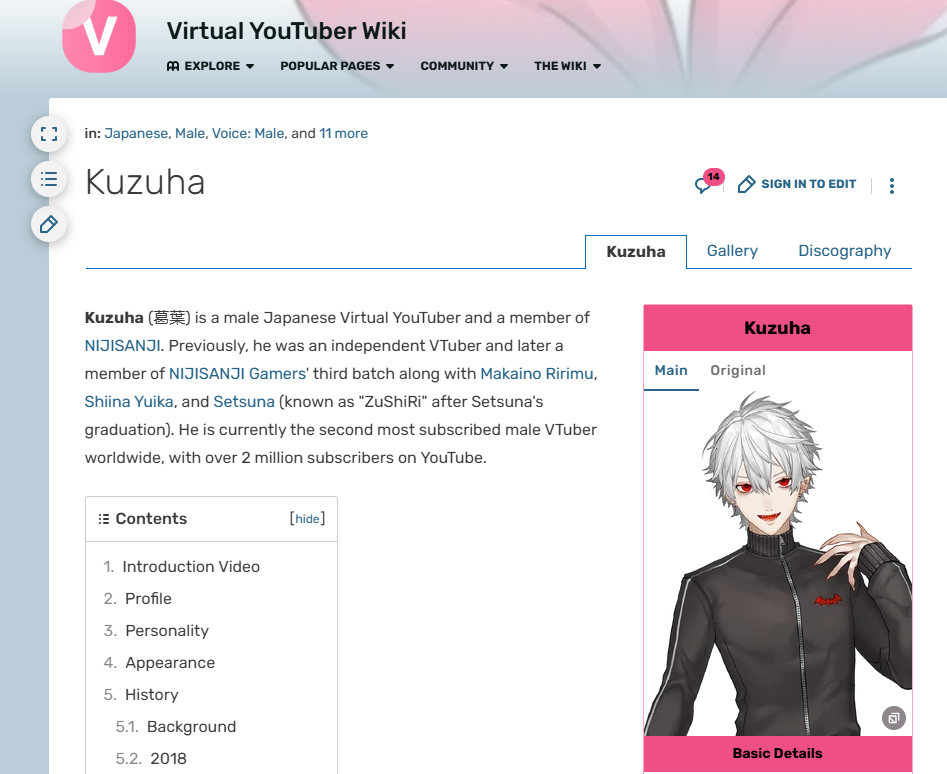
- What they did: Streams gaming behind a vampire-avatar persona; zero reliance on a real-world face.
- Proof: 2M+ subscribers and top-ranked watch-time in multiple periods.
It’s AumSum Time (India) – Animated Education at Scale
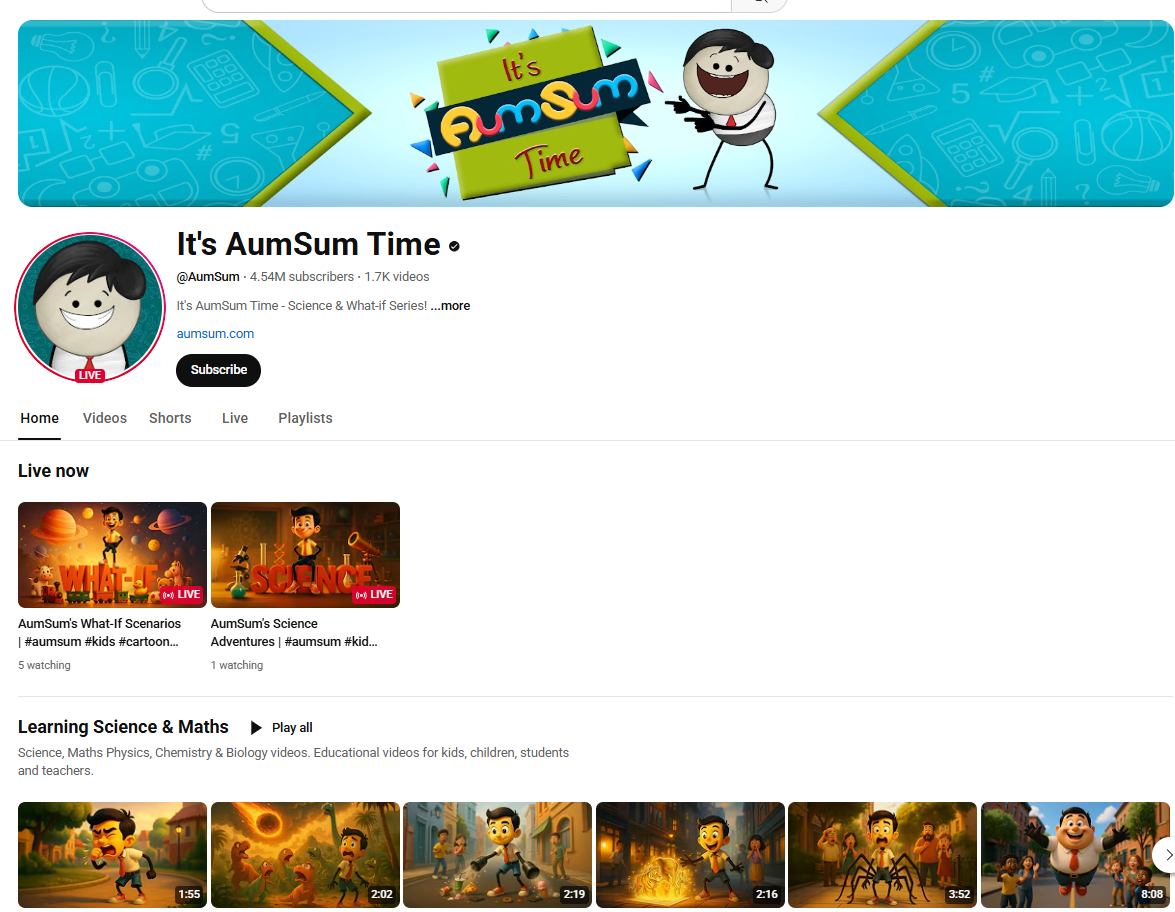
- What they did: Fully animated explainers for kids and curious adults.
- Proof: ~4.5M subscribers and billions of views, a faceless Indian channel with global reach.
BabyBus (China) – Character-Led Kids Universe
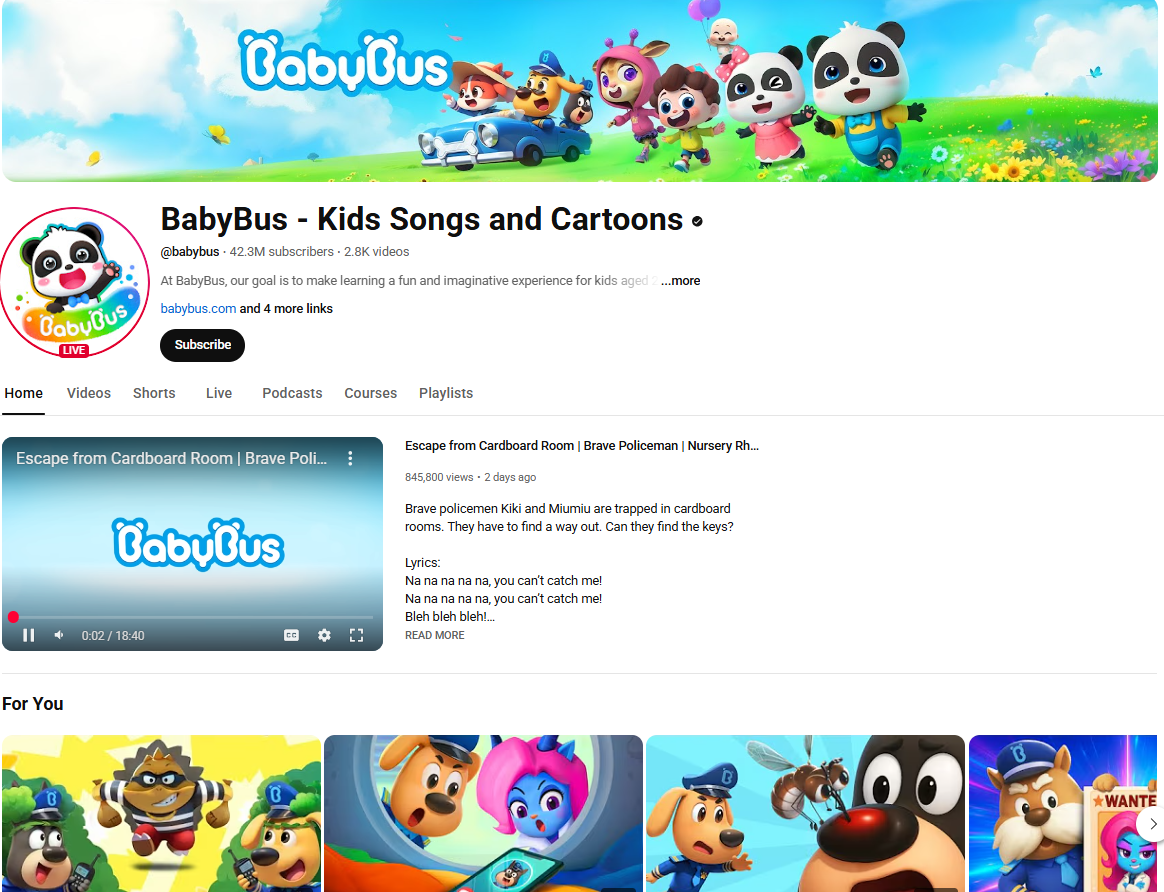
- What they did: Built a children’s IP via songs, stories, and characters, no founder face needed.
- Proof: 42M+ subscribers and 33B+ views on the flagship channel, with a larger network beyond it.
Conclusion – It’s Time to Go Live (Without Going On Camera)
Your ideas shouldn’t wait for perfect lighting.
A faceless brand lets you ship faster, protect your privacy, and scale on your terms. Start with one format, one promise, and one consistent voice, then compound with templates, email capture, and weekly publishing.
If VTubers can sell out concerts and animated channels can rack up billions of views, you can certainly build demand, no selfies required.
Want a faceless content system? We’ll help you define your voice, pick formats, and ship a month of assets, done-with-you in 14 days.
DM or email us “FACELESS” to get your free audit + first content calendar.
FAQs
Can I build a personal brand without showing my face?
Yes! Use voiceovers, carousels, animations, or avatars; focus on consistent value.
How do I build a faceless brand from scratch?
Define voice, pick one format, publish weekly, collect emails, and iterate.
What is the 3-7-27 rule of branding?
A popular heuristic: people judge in ~3 seconds (look), 7 (sound), 27 (message), useful as a reminder to hook fast. (Rule of thumb, not a scientific law.)
How do I promote my business without showing my face?
Focus on short videos, carousels, case studies, email, and communities (Groups/Discord).
Does faceless content hurt trust?
Not if you show proof: testimonials, demos, transparent results, and consistent replies.
Which platforms are best for faceless creators?
YouTube (voiceovers/animation), TikTok/IG (shorts/carousels), Pinterest (evergreen).
How can I monetize without a personal image?
Affiliates, sponsors, digital products, courses, memberships, and client services.
What tools help manage faceless brands?
Schedulers/analytics like ZoomSphere, Google Analytics or Buffer plus a template library and style guide.