
In a world where attention spans are shrinking by the second, grabbing your audience’s interest has never been more crucial. Social media is no longer about just showing up. It’s about stopping the scroll. According to a 2025 report by SocialInsider, users spend an average of 1.7 seconds per post on mobile. That means you have less than two seconds to grab attention, spark curiosity, and drive interaction.
Whether you’re a content creator, small business, or marketer, your hook is the gateway to engagement. In this blog, we’ll explore what hooks are, why they work, how to craft compelling ones, and 50 proven examples you can plug and play into your next post in 2026.
What is a Social Media Hook?
A social media hook is a powerful opening line or visual that instantly grabs attention and compels users to engage with your content. Think of it as the headline of your post, the first impression that makes someone decide whether to scroll past or stay.
Hooks can take many forms. Questions, shocking statements, fun facts, emotional triggers, or bold visuals. Their main job? To spark curiosity and invite interaction.
Effective hooks are short, punchy, and specifically tailored to your platform and audience. A good hook stops the scroll. A great hook drives likes, shares, comments, and even conversions.
Why Businesses Need Well-Crafted Hooks
In the digital economy, attention is currency. Without a strong hook, your carefully curated content risks going unnoticed.
Here’s why hooks matter for business:
- Increased Engagement: Posts with compelling hooks see 47% more interaction (HubSpot, 2025).
- Higher Reach: Algorithms favor content that gets quick engagement, and hooks trigger that interaction.
- Brand Recall: Catchy openers improve memorability, which helps position your brand as memorable and authoritative.
- Conversions: Every funnel starts with attention. Hooks are the top of the funnel for your content.
Without effective hooks, even your best content can fail to connect.
The Six Essential Elements of Scroll-Stopping Hooks
To write irresistible hooks, you need a recipe. Here are the six key ingredients:
1. Emotional Appeal
Tapping into emotions like fear, curiosity, excitement, or nostalgia makes content more relatable and shareable. Posts that evoke strong emotions see a 2.5x increase in shares (HBR, 2024).
Example: “You’re not broke. You’re just financially miseducated.”
2. Relevancy to the Audience
Tailor your message to what your audience cares about. Niche-specific hooks outperform generic statements.
Example: “Freelancers, stop chasing clients, do this instead.”
3. Specificity and Credibility
Be precise. Specific numbers or facts build trust and trigger curiosity.
Example: “The one strategy that got me 8,527 new followers in 3 weeks.”
4. Clear Value Proposition
Tell people exactly what they’ll gain. Your audience needs a reason to keep reading.
Example: “Here’s how to double your content output without burning out.”
5. Visual Appeal
Pairing a strong hook with a striking visual amplifies impact. Use contrast, bold text, and expressive faces.
Bonus Tip: Canva and Adobe Express offer templates specifically for scroll-stopping design.
6. Platform-Appropriate Formatting
Each platform favors different formats:
- Instagram: Use image + bold headline in first line of caption.
- TikTok: Visual + audio hook within first 2 seconds.
- LinkedIn: Long-form story or insight with a compelling first sentence.
- Twitter/X: Bold, opinionated statements or thought leadership in under 280 characters.
Real-World Example:
TikTok creator @kristinacreatesuk grew from 0 to 19K by starting videos with “Stop scrolling if you struggle with content ideas.”
6 Practical Tips for Creating High-Engagement Hooks
1. Start with a Question
Asking a relatable or challenging question immediately involves the reader and makes them curious to see the answer.
Example: “Do you know what’s really holding your content back?”
2. Use Contrast or Contradiction
Contrasting ideas or surprising contradictions catch attention quickly by defying expectations.
Example: “The less I posted, the faster I grew.”
3. Insert Numbers or Data
Quantifiable hooks enhance trust and curiosity. Numbers signal specifics and results.
Example: “This $0 strategy helped me hit 100,000 views in 10 days.”
4. Write Like You Speak
Conversational language feels more personal and easier to consume.
Example: “Okay, real talk, this one hack saved me hours.”
5. Invoke Curiosity With ‘What If’ Scenarios
This triggers the brain’s natural curiosity loop and makes the audience need closure.
Example: “What if you could grow without going viral?”
6. Test and Tweak
What works for one audience might flop for another. Use analytics to A/B test different styles.
Example: Try two Reels with different hooks, track views and comments to find the winner.
50 Proven High-Engagement Social Media Hooks
Curiosity Hooks
- “Nobody talks about this, but…”
- “I thought this was a scam. I was wrong.”
- “This tiny change 10x-ed my results.”
- “You’re doing this wrong and it’s costing you.”
- “Here’s what I wish I knew before I started…”
Question-Based Hooks
- “Do you struggle with [insert problem]?”
- “What if I told you…?”
- “Have you ever wondered why…?”
- “What’s the biggest mistake you’ve made as a [job/role]?”
- “Would you try this even if it sounds crazy?”
Bold or Controversial Statements
- “Content isn’t king. Distribution is.”
- “Your morning routine is wasting your time.”
- “Nobody cares about your product yet.”
- “Traditional marketing is dead.”
- “Yes, you’ve been lied to.”
Tips & Advice Hooks
- “Here’s how to [solve a problem] in 10 minutes a day.”
- “This is the only strategy I use to grow on LinkedIn.”
- “Stop doing this if you want more followers.”
- “A simple tip I use to get 10k views on every Reel.”
- “Here’s a better way to start your workday.”
Story-Based Hooks
- “In 2021, I was broke. Today, I run a 6-figure business.”
- “This client fired me and it was the best thing that happened.”
- “I cried after this email. Here’s why…”
- “My first post flopped. Then I learned this…”
- “3 lessons I learned from failing at [project].”
Humor Hooks
- “POV: You’re trying to be productive on Monday.”
- “Me pretending I know what I’m doing in life.”
- “Why do we all have that one client who…”
- “If procrastination was a sport, I’d be a world champ.”
- “When your ‘5-minute break’ turns into 3 hours.”
Engagement Prompts
- “Agree or disagree?”
- “Tag someone who needs to hear this.”
- “What’s your unpopular opinion on [topic]?”
- “Drop your #1 tip below.”
- “Save this for later. You’ll need it.”
Fun Facts or Stats
- “Only 3% of marketers do this and it works.”
- “Did you know 80% of viewers watch with sound off?”
- “The average user spends 2.5 hours on social media daily.”
- “Most viral videos are under 20 seconds.”
- “Video thumbnails can boost CTR by 30%.”
Visual Prompts
- A before/after transformation with a “Swipe to see how.”
- A bold statement on a colorful background.
- Zoomed-in photo with a “Guess what this is?” caption.
- Behind-the-scenes teaser.
- Carousel cover slide: “Here’s how to fix your content game.”+
Challenge-Based Hooks
- “Try this 7-day content challenge.”
- “I dare you to post this and not go viral.”
- “Want to double your reach this week? Let’s go.”
- “Copy this strategy and thank me later.”
- “Use this hook, see what happens.”
Bonus Section
Where to Use These Hooks Effectively
Instagram: Use hooks in Reels captions, carousel cover slides, and Stories to encourage replies or sticker taps.
TikTok: Hook your viewer in the first 2 seconds with a voiceover or text overlay that sparks curiosity.
LinkedIn: The first line of your post should be a bold statement, stat, or insight to encourage “See More” clicks.
Twitter/X: Start strong with one-line opinions, humor, or facts that beg to be shared or replied to.
Threads & Facebook: Use hooks in the first line of a thread or post to drive interaction and discussion.
YouTube Shorts: Use a strong opening question or shock statement to prevent early drop-off.
Repurpose Hooks Across Platforms Strategically
Don’t just copy-paste your hook. Reframe it based on the platform’s tone. A playful TikTok hook can be reshaped into a professional insight on LinkedIn.
Example: TikTok: “I made this mistake so you don’t have to.”
→ LinkedIn: “The painful lesson that helped me grow 40% last quarter.”
Real-World Brands That Went Viral With Irresistible Hooks
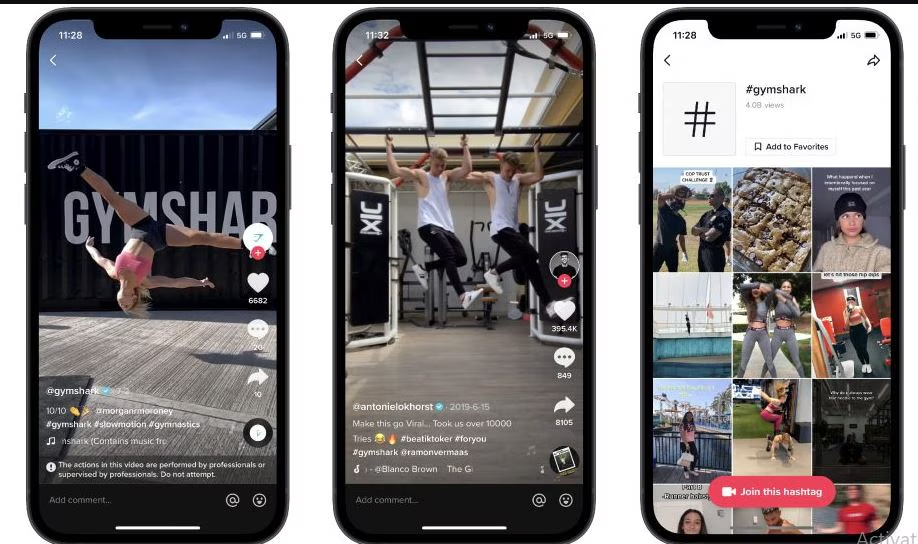
1. Gymshark
Their TikTok video titled, “We asked 10 people how they REALLY feel after leg day…” turned into a viral content series. The relatable and curiosity-inducing hook led to over 4.3 million views and drove major engagement in the fitness niche.
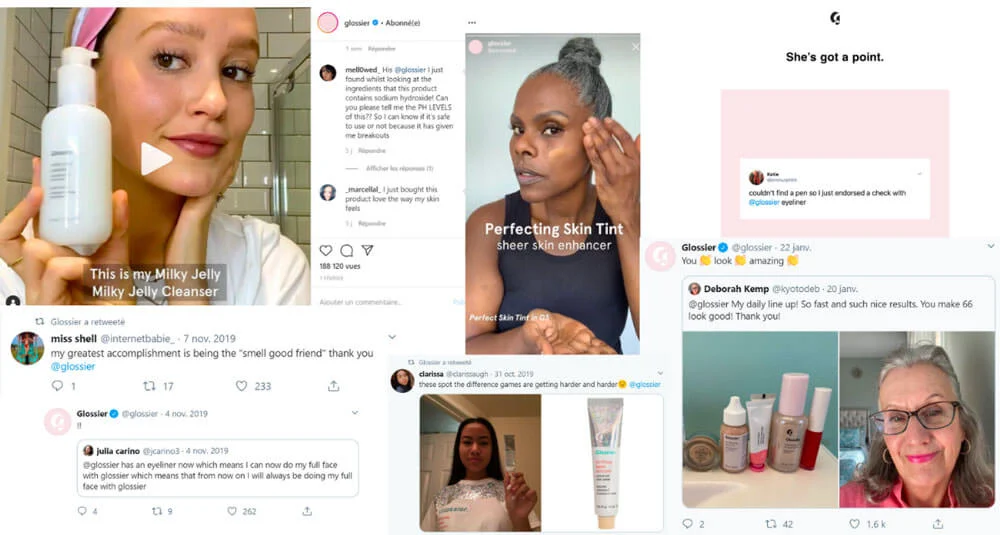
2. Glossier
The beauty brand often uses user-generated content with hooks like, “She ditched the foundation for this one product.” The emotional appeal plus personal transformation format has driven thousands of shares and consistent brand buzz.
3. Notion
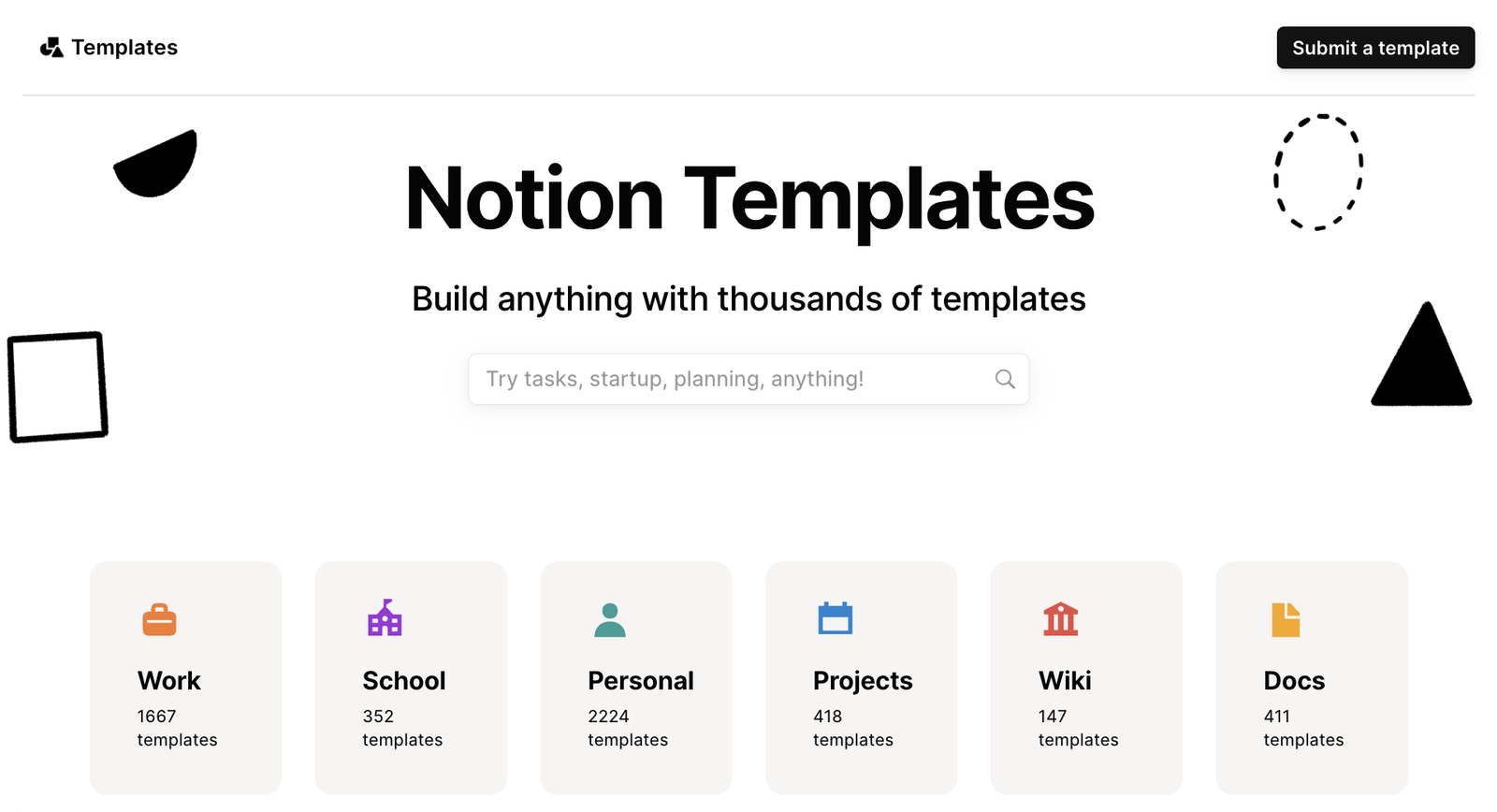
Notion’s viral tweet: “I planned my whole life using one template. Here’s what it looks like” hooked productivity lovers and led to massive carousel reposts on LinkedIn and Instagram. The blend of storytelling, curiosity, and relatability made it go viral across platforms.
Final Thoughts: Get Your Audience to Pay Attention!
Writing scroll-stopping hooks isn’t just a skill. It’s an essential ingredient in content that converts, connects, and grows your brand.
The good news? It’s completely learnable!
If you want to win on social media in 2026, mastering the art of the hook is non-negotiable. In a sea of noise, your opening line is your only chance to stand out.
Use this guide and these 50 hooks to supercharge your content, build deeper engagement, and grow your brand with confidence.
Want scroll-stopping content that converts? Reach out to us and let’s craft hooks that actually get noticed!
FAQs
Q1. How do you write a hook for social media?
Start with a clear purpose, use emotion, curiosity, or value. Be specific and relatable.
Q2. What makes a social media hook effective in 2026?
Hooks that evoke emotion, solve a problem, or tell a story perform best. Use data-backed statements and match your hook format to the platform.
Q3. Are hooks more important than visuals?
Both are crucial. A visual grabs attention, but the hook keeps it and converts it into engagement.
Q4. Can I use these hooks in paid ads?
Yes! These hooks are especially effective in cold audience ads to drive curiosity and engagement.
Q5. How often should I change up my hooks?
Test at least 2-3 hook styles per week. Track what performs best with your audience and optimize accordingly.
Q6. Do hooks work on all platforms equally?
Different platforms prioritize different formats, but hooks work universally. Just tweak based on the platform (video, caption, tweet, etc.).
Q7. What’s the ideal length of a social media hook?
Aim for 5–15 words. TikTok and Reels: under 3 seconds. LinkedIn: The first line must trigger curiosity.
Q8. Should I use emojis in hooks?
Yes, if it aligns with your tone. Emojis can help convey emotion and draw attention.