

Have you ever noticed how some brands can sell almost anything, even before their product hits the market? Think about Tesla, Apple, or even smaller startups that suddenly become the talk of the town. The secret often isn’t just in the product, it’s in the story behind the founder.
This phenomenon is called the Founder Effect, and it’s changing the way businesses build trust, attract customers, and scale faster than ever. In this blog, we’ll break down what the Founder Effect is, why it works, how to leverage it for your brand, and answer common questions about it.
What is the Founder Effect?
The Founder Effect is simple: people buy into the person behind the product before they even consider buying the product itself.
It’s rooted in human psychology. We connect with stories, struggles, and visions. A compelling founder story can create loyalty, trust, and anticipation for a product even if that product is brand new or unproven.
Example: When Elon Musk talks about colonizing Mars, people don’t just hear about rockets, they buy into his vision, his journey, and the audacity of his mission. That excitement spills over into Tesla, SpaceX, and every venture he touches.
Whitney Wolfe Herd, the founder of Bumble, shared her journey from heartbreak, betrayal, and discrimination in the dating app industry to creating a female-first dating platform. Her story resonated with millions, giving Bumble an identity beyond just an app, it became a movement.
Why the Founder Story Matters More Than You Think
Your founder story is more than a marketing tool. It’s your brand’s personality. Let’s dive deeper into why it matters:
1. People Trust People, Not Logos
A logo or product description can only do so much. But a founder story? That’s real, relatable, and human. Customers resonate with passion, struggle, and authenticity.
Example: Sara Blakely, the founder of Spanx, built a billion-dollar brand starting with just $5,000. Her story of persistence, rejection, and eventual breakthrough made people root for her and buy her product.
Even smaller brands can leverage this. For example, a local bakery that shares its founder’s love for family recipes or a clothing brand that talks about its sustainable sourcing can create more trust than just a polished ad campaign.
2. It Creates Emotional Connection
Humans are emotional buyers. When customers feel connected to the founder’s journey, their purchase becomes about more than just the product. It becomes part of a story they want to support.
Example: Patagonia doesn’t just sell jackets. They sell Yvon Chouinard’s story of environmental activism. Customers buy into the brand’s mission because they buy into him.
When your audience feels your passion, struggles, and vision, they become emotionally invested. That emotional connection often translates into repeat purchases, brand loyalty, and word-of-mouth marketing.
3. It Helps You Stand Out in a Crowded Market
In today’s saturated market, products often look the same. The differentiator? Your story.
A compelling founder story can elevate a simple product from “just another item” to a symbol of innovation, resilience, or purpose. Even if your product is a simple service, your story can make it memorable.
Example: Warby Parker, a glasses brand, didn’t just sell affordable eyewear. They shared their story of wanting to provide stylish, affordable glasses while giving back to communities in need. That founder vision became the brand’s identity and gave them a competitive edge.
How to Craft a Founder Story That Sells
Creating a story that resonates doesn’t mean you need a billionaire-level journey. Here’s a step-by-step guide to crafting a founder story that connects and converts:
Step 1: Show Your “Why”
Your “why” is your purpose, motivation, and problem-solving mission. It’s what gets people on board with your journey.
Example: “I started my candle business because I wanted homes to feel cozy and stress-free without spending a fortune.”
Your “why” should answer these questions for your audience:
- Why did you start this business?
- What problem were you trying to solve?
- What makes your approach unique?
Step 2: Share Your Struggle
People love underdog stories. Share failures, obstacles, or moments of doubt. Authenticity builds trust.
Example: Ben Francis, founder of Gymshark, documented his struggles creating gym apparel from his garage and selling it online while balancing college life. His honesty made early supporters root for him.
Struggle is relatable. Everyone faces challenges, and showing how you overcome them makes your audience see you as real, determined, and inspiring.
Step 3: Highlight Your Vision
Your vision is your future roadmap. Show where you’re headed, and why your product is part of a bigger mission.
Tip: Even if your product is small, a big vision inspires big belief. People want to be part of something larger than themselves.
Example: SpaceX isn’t just about rockets, they’re about making humanity multiplanetary. That vision alone attracts fans, investors, and early adopters.
Step 4: Keep It Relatable
Your story should be human, simple, and relatable. Avoid exaggeration or overly glamorous narratives. Your audience should see themselves in your journey.
Example: A small online clothing store can share its founder’s story about learning design, sourcing materials on a budget, and experimenting with styles, simple but authentic storytelling.
Case Study: How Gymshark Used the Founder Effect to Grow
Background: Gymshark started in 2012 as a small fitness apparel brand founded by Ben Francis in his garage.
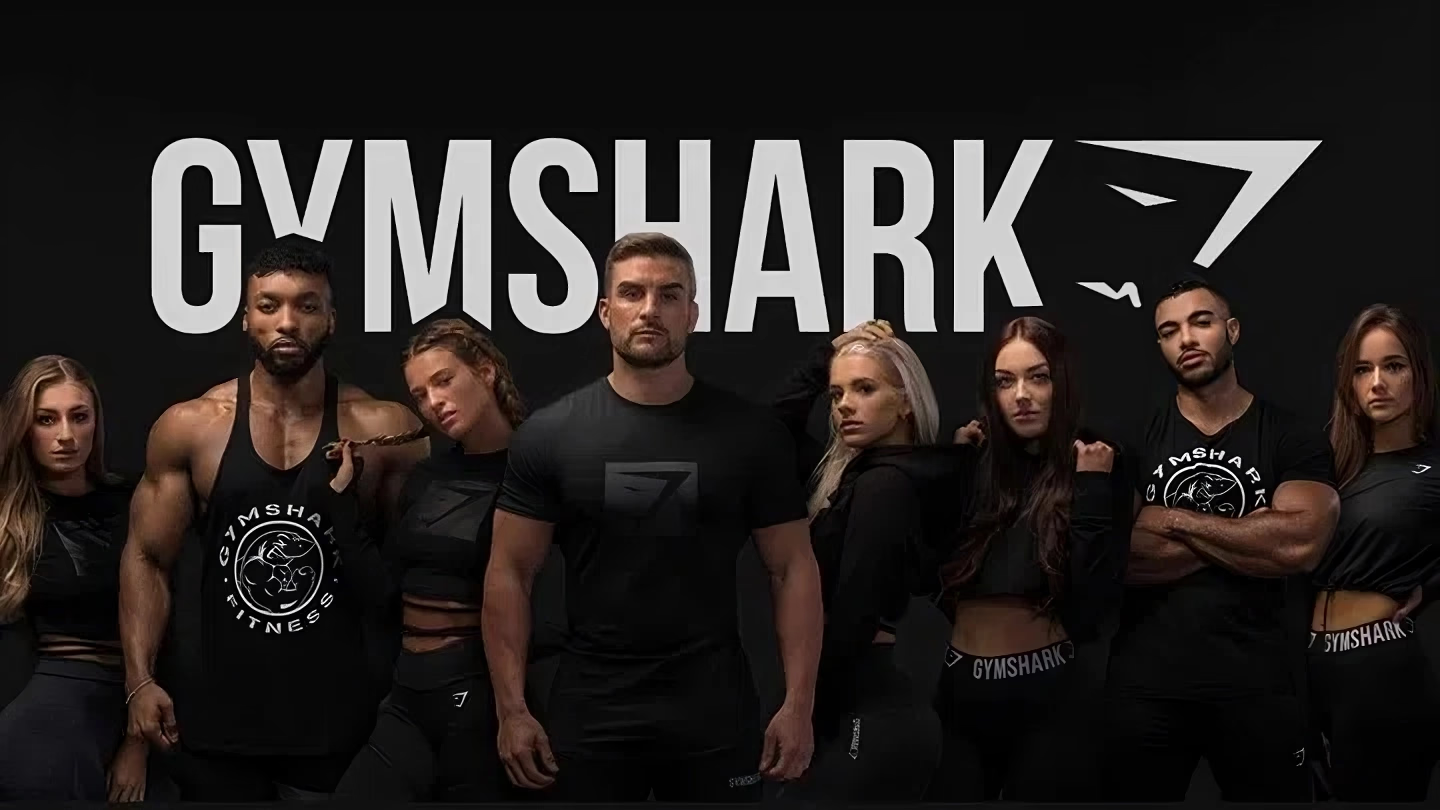
Founder Story: Ben shared his journey as a young entrepreneur who loved fitness, struggled to find the right gym wear, and decided to create it himself. He documented the process on social media, showing his failures, prototypes, and growth.
Strategy: Gymshark didn’t just post product photos. They shared the founder’s journey, creating relatability and excitement.
Result: By 2018, Gymshark was valued at over $1 billion. Customers didn’t just buy the gym wear. They bought into Ben’s story, vision, and authenticity. The founder effect created massive loyalty and word-of-mouth marketing.
Key Takeaway: Even small brands can turn their founder story into a powerful marketing engine.
Common Mistakes to Avoid
- Overhyping Your Story: Exaggeration breaks trust. Authenticity wins.
- Ignoring the Audience: Make sure your story resonates with your ideal customer.
- Hiding Behind the Product: Don’t let the product overshadow the story, you are the brand.
- Being Inconsistent: Share your story consistently across all platforms, social media, website, and emails.
- Neglecting Visual Storytelling: Pair your story with photos, videos, or behind-the-scenes content to make it real.
How to Leverage the Founder Effect for Your Business
Here are actionable ways to use the Founder Effect to boost your brand:
Share Behind-the-Scenes Content
Show your team, your workspace, or your process. People love to see real people building a business.
Use Storytelling in Marketing
Highlight your founder story in newsletters, ads, and social media.
Engage on Social Media Personally
Reply to comments, share struggles, and celebrate wins with your audience.
Collaborate with Influencers or Early Adopters
Let them share your founder story, it amplifies credibility.
Document Your Growth: Post regular updates on challenges, milestones, and product iterations.
Why Storytelling is the Future of Marketing
Marketing is no longer just about flashy ads or discounts. Today, consumers crave authenticity, relatability, and purpose. Brands that can tell their story starting with the founder, capture attention and build trust far faster than brands relying solely on products.
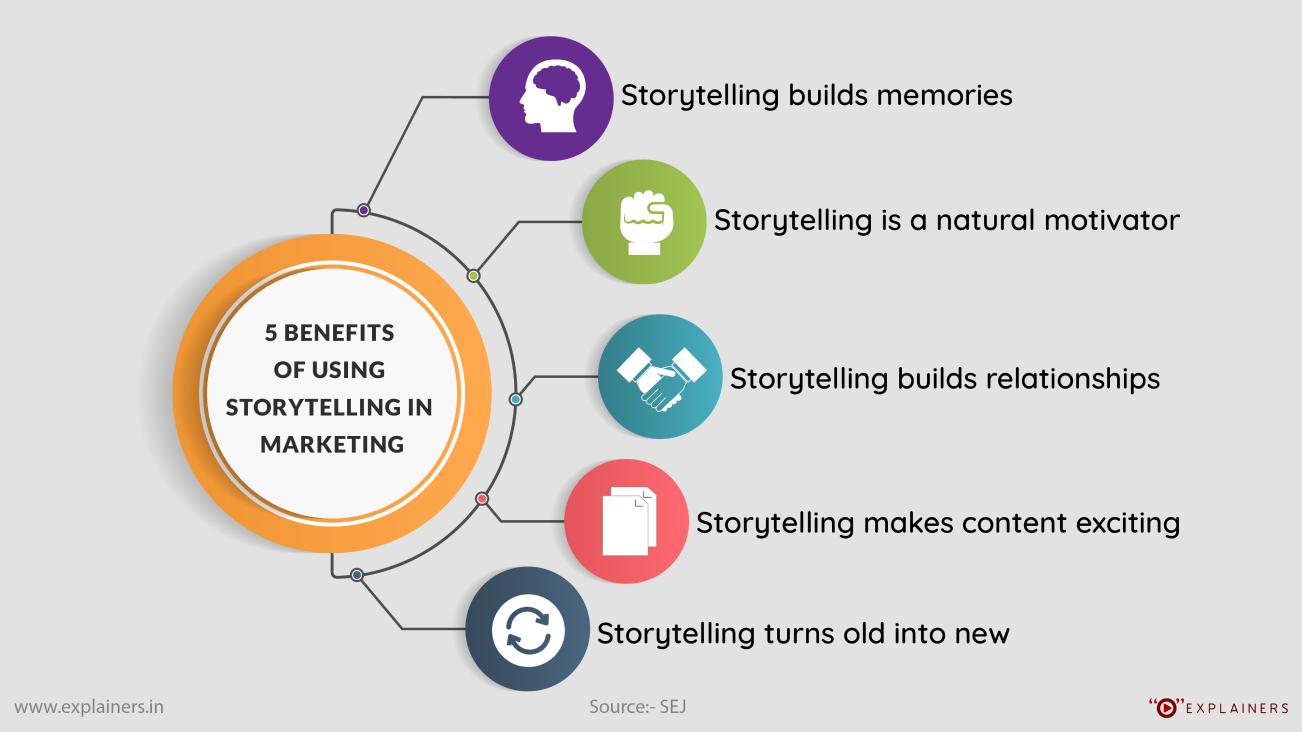
Stories are memorable. Products can be copied, but your journey, struggles, and vision are uniquely yours. When you share it authentically, people don’t just buy, they become evangelists for your brand.
The Role of Social Media in Amplifying the Founder Effect
Social media has made the Founder Effect more powerful than ever. Platforms like Instagram, LinkedIn, and X allow founders to personally connect with their audience, share real-time updates, and humanize their brand.
- Behind-the-scenes videos create relatability.
- Live sessions allow real-time interaction.
- Story features let you share authentic moments, struggles, and wins.
By using social media strategically, even small brands can make their founder story a central marketing engine.
Turning Your Founder Story Into a Marketing Strategy
Your founder story is not just content. It’s a marketing strategy. Every post, email, or ad that references your journey reinforces your brand identity and builds credibility.
Here’s a mini checklist to turn your story into a strategy:
- Include your story in your website’s About page.
- Share snippets in social media posts and reels.
- Highlight milestones and lessons learned in newsletters.
- Collaborate with micro-influencers who resonate with your story.
This approach transforms storytelling into a measurable business tool that drives engagement, loyalty, and sales.
Conclusion: Build Your Brand by Sharing Your Story
The Founder Effect proves one simple truth: people buy into the person before the product. By sharing your journey, struggles, and vision, you’re not just selling a produc. You’re creating a community of loyal supporters who believe in you as much as your brand.
Even small businesses or personal brands can leverage this principle. You don’t need a billion-dollar idea or a viral product; your story, authenticity, and vision can be enough to create deep connections and drive growth.
Start leveraging the Founder Effect today!
Share your story, connect with your audience, and watch how people start buying the journey before the product.
Need help crafting a story that sells? Digibble can guide you, turn your founder journey into your brand’s strongest marketing tool.
FAQs
What is the Founder Effect in marketing?
It’s when people connect with the founder’s story, vision, or personality before buying the product.
Can small businesses benefit from the Founder Effect?
Absolutely! Even local businesses, startups, and personal brands can use their story to build trust and attract loyal customers.
How do I start crafting my founder story?
Focus on your “why,” share struggles, highlight your vision, and make it relatable.
Is it necessary to have a dramatic story?
No. Authenticity matters more than drama. Real struggles and genuine motivation resonate the most.
Can the Founder Effect replace traditional marketing?
Not entirely. It complements traditional marketing by building trust, loyalty, and emotional connection.
Should I always share my story publicly?
Yes, but strategically. Use your story in social media posts, website content, email campaigns, and product launches.
How long should my founder’s story be?
It depends. Short versions work on social media; detailed versions work on your website or pitch decks.
How do I measure the impact of my founder’s story?
Look at engagement metrics, conversion rates, customer loyalty, and feedback. Stories that resonate will naturally drive growth.