Marketing in 2026 no longer works the way it used to. You can run ads, publish content, track clicks, and obsess over dashboards, but still have no real idea how someone discovered your brand. And that isn’t your fault. It’s the new reality of the dark funnel.
Today, customers don’t follow a clean, trackable funnel. They discover brands in private DMs, WhatsApp groups, Slack communities, podcasts, screenshots, Reddit threads, emails forwarded three times, or a friend casually mentioning a product during a voice note. None of these touchpoints show up in Google Analytics. Yet they drive most buying decisions.
A recent study revealed that over 70% of a B2B buyer’s journey now happens anonymously, before they ever click something you can measure. And in B2C? The path is even more chaotic, completely decentralized across micro-communities and private networks.
The result?
Your brand is being discussed, recommended, and evaluated long before you ever see a lead in your CRM.
This is the heart of dark funnel marketing and it’s reshaping how growth really works.
What Is the Dark Funnel?
The dark funnel refers to all the invisible, untrackable interactions that influence a buyer’s decision before they officially “enter” your measurable funnel.
These include:
• Private WhatsApp and Messenger shares
• Slack or Discord groups
• Peer-to-peer DMs
• Email forwards
• Private online communities
• Podcast mentions
• YouTube summaries
• Screen recordings shared between friends
• Google Drive resources passed around teams
• Replies to Instagram stories
• Word-of-mouth recommendations
• Personal conversations
These channels don’t allow tracking pixels, UTMs, or attribution tools. That means your customers are discovering you in ways you cannot see, measure, or control.
This is why marketers increasingly say:
“What shows up in analytics is only half the story. The real magic happens behind closed doors.”
Why the Dark Funnel Exists (The Shift in Consumer Behavior)
To understand the dark funnel, you need to understand one thing:
People trust people not brands.
Modern buyers prefer:
- recommendations over ads
- conversations over landing pages
- screenshots over sales decks
- peer reviews over brand claims
- social proof over marketing claims
And 2025 data backs this up:
- 86% of consumers trust people they know over brand messaging.
- More than 65% of content sharing happens privately, not publicly.
- 92% of B2B buyers are influenced by word-of-mouth.
- Zero-click content has increased by 45%.
This means buyers are actively avoiding the traditional funnel and choosing to research on their own quietly.
Dark Funnel vs Traditional Funnel: What’s the Difference?
A traditional funnel measures:
- Clicks
- Page visits
- Ad impressions
- Lead forms
- Product demos
The dark funnel measures something deeper:
- Trust
- Reputation
- Community conversations
- Social proof
- Private recommendations
Traditional funnel = trackable actions
Dark funnel = invisible influence
One is measurable.
The other is unstoppable.
How Buyers Actually Move Through the Dark Funnel (The Real Journey)
A typical real buyer journey in 2026 might look like this:
- They hear about your brand on a podcast.
- Someone in a private Slack group shares your link.
- A friend DMs a screenshot of your product to them.
- They see a comment about you in a Facebook group.
- A micro-influencer mentions you casually.
- They watch a short YouTube review.
- They Google you and finally land on your website.
But your analytics only shows:
“1 new organic visit.”
You see the last step.
You miss the six steps that mattered.
The Rise of Dark Social: Where the Dark Funnel Lives
The dark funnel largely lives inside dark social the private areas of the internet where traditional analytics cannot track.
These include platforms like:
- Messenger
- Instagram DMs
- Telegram
- Reddit chats
- TikTok saves
- Slack communities
- Discord servers
A report from Gartner estimates that over 84% of brand recommendations happen inside dark social.
That means most of your future customers are learning about you in places you cannot see.
How to Influence the Dark Funnel (Even If You Can’t Track It)
If you cannot track the dark funnel, you must feed it.
Here’s how brands do it:
1. Create Content People Want to Share Privately
People only share content that makes them look:
- Smart
- Helpful
- Funny
- Insightful
Examples of dark-funnel-friendly content:
- Quick frameworks
- Memes that explain an idea
- Short checklists
- One-line insights
- Swipe-worthy posts
- Controversial but true statements
- Industry cheat sheets
- Case studies with real numbers
The goal is simple:
Become the screenshot people keep forwarding.
2. Build a Reputation, Not Just Awareness
Awareness gets you in front of people.
Reputation makes people talk about you when you’re not in the room.
Strong reputation = strong dark funnel presence.
Invest in:
- thought leadership
- transparent communication
- consistent brand voice
- customer-first behavior
- high-quality content
People remember behaviors, not slogans.
3. Be Present in Micro-Communities
Modern buyers aren’t on one platform, they’re everywhere.
Community hotspots include:
- niche Facebook groups
- Slack communities
- Reddit threads
- Discord servers
- WhatsApp groups around professions
Your brand needs to show up where conversations already happen—not force people into spaces you own.
4. Turn Customers Into Evangelists
The strongest dark funnel driver = people talking about you without being asked.
This happens when:
- your product genuinely solves a problem
- your customer service delights users
- your brand feels human
- you build relationships, not transactions
Happy customers talk.
Unforgettable brands get shared.
The dark funnel amplifies both.
5. Zero-Click Content Strategy (The Golden Rule of the Dark Funnel)
Zero-click content gives the user value without asking them to leave the platform.
Examples:
- LinkedIn posts written like mini blog articles
- Instagram infographics
- Carousel summaries
- Twitter/X threads breaking down an idea
- YouTube shorts with insights
- TikTok explanatory videos
The more value you give up front, the more your content spreads privately.
Case Study 1: How Notion Dominated the Dark Funnel
Notion is a perfect example of a brand that grew through invisible channels.
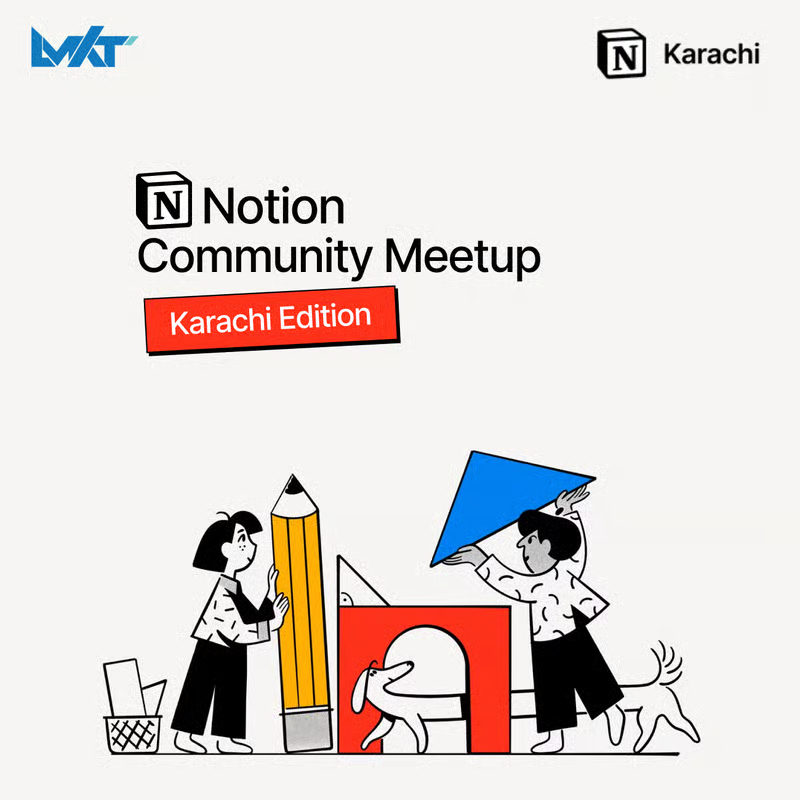
Notion didn’t rely on ads. Instead, they built:
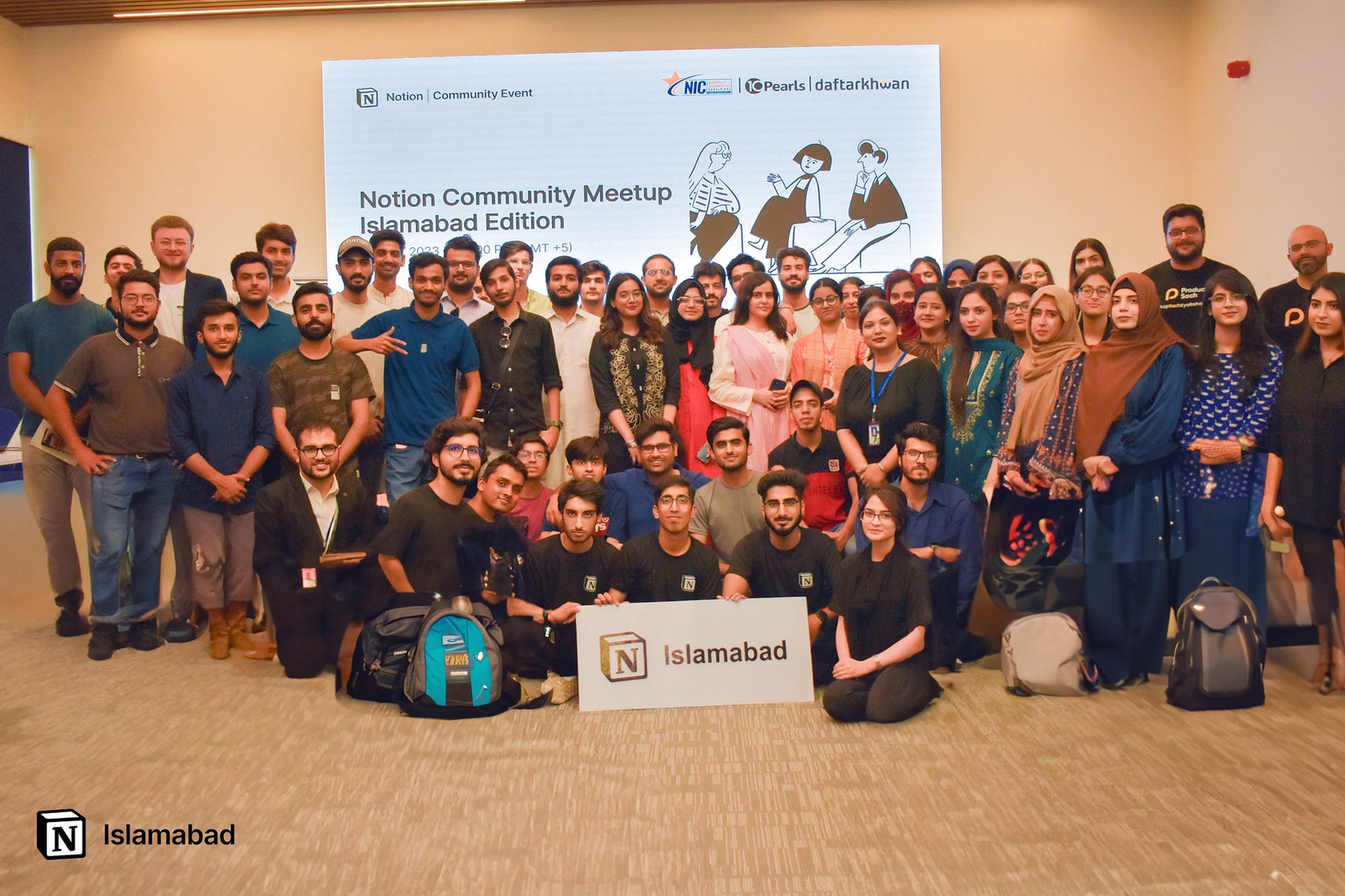
- A passionate community
- Ambassador programs
- User-generated templates
- Educational YouTube videos
- Micro-influencer collaborations
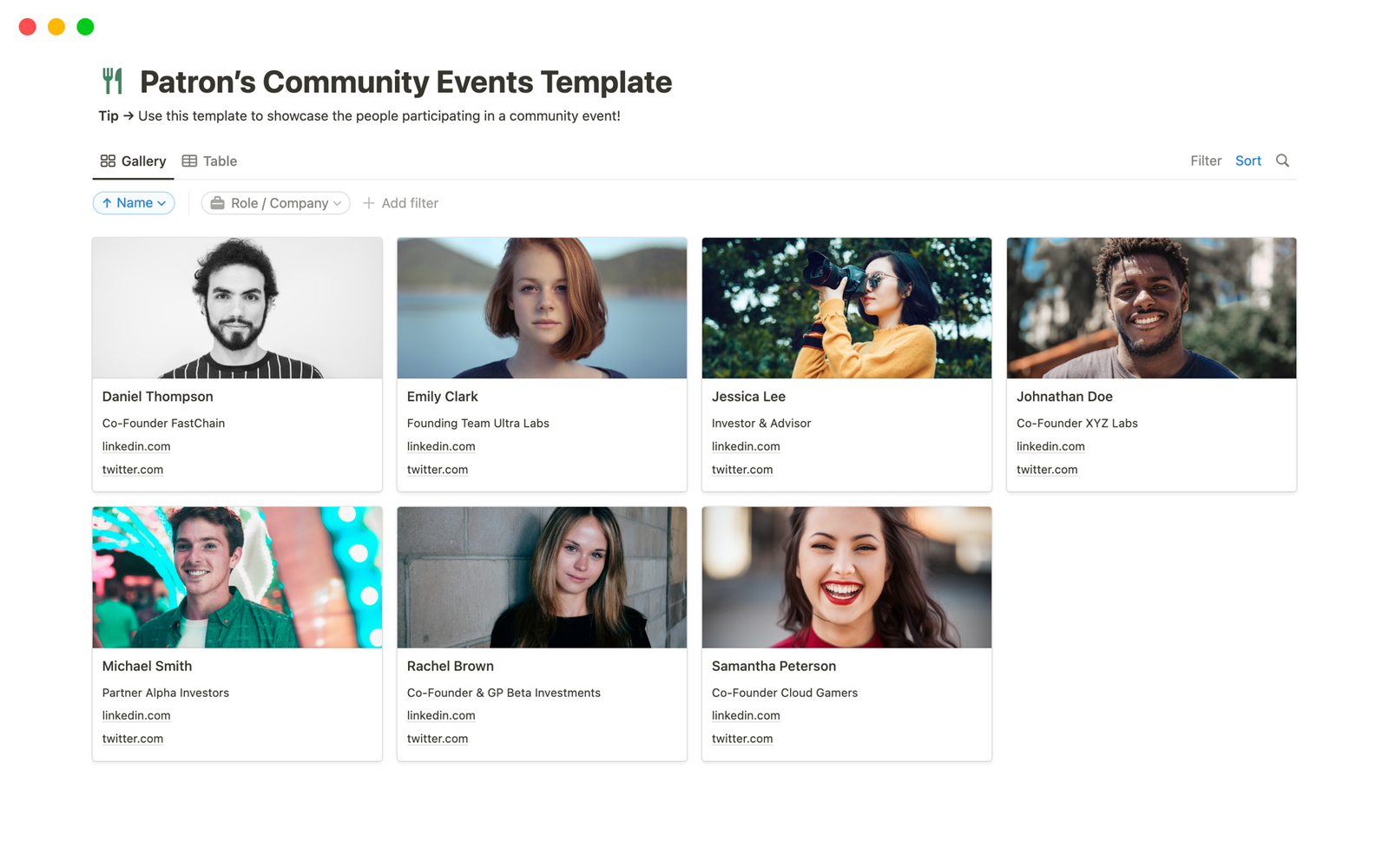
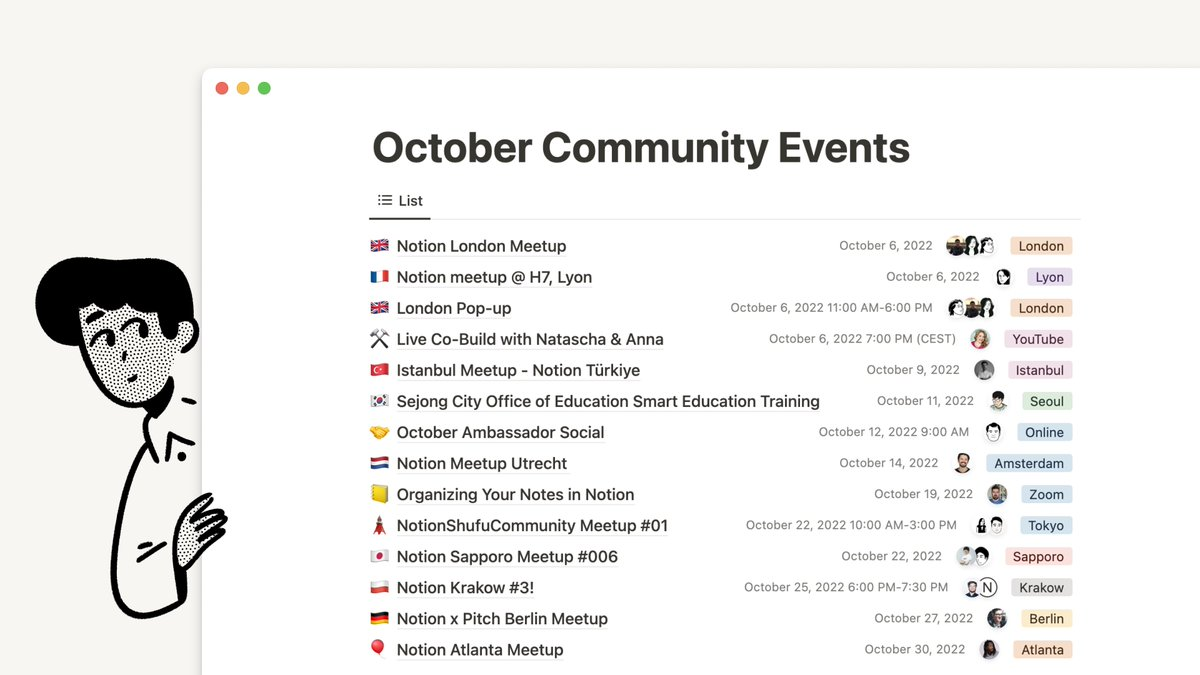
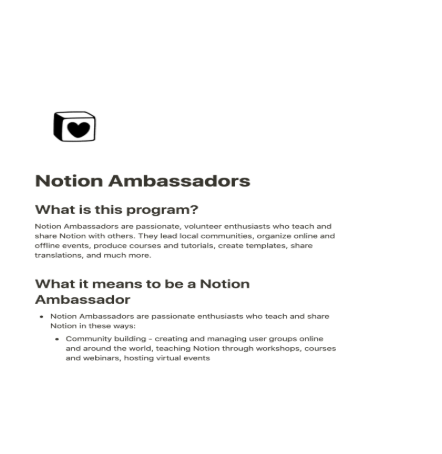
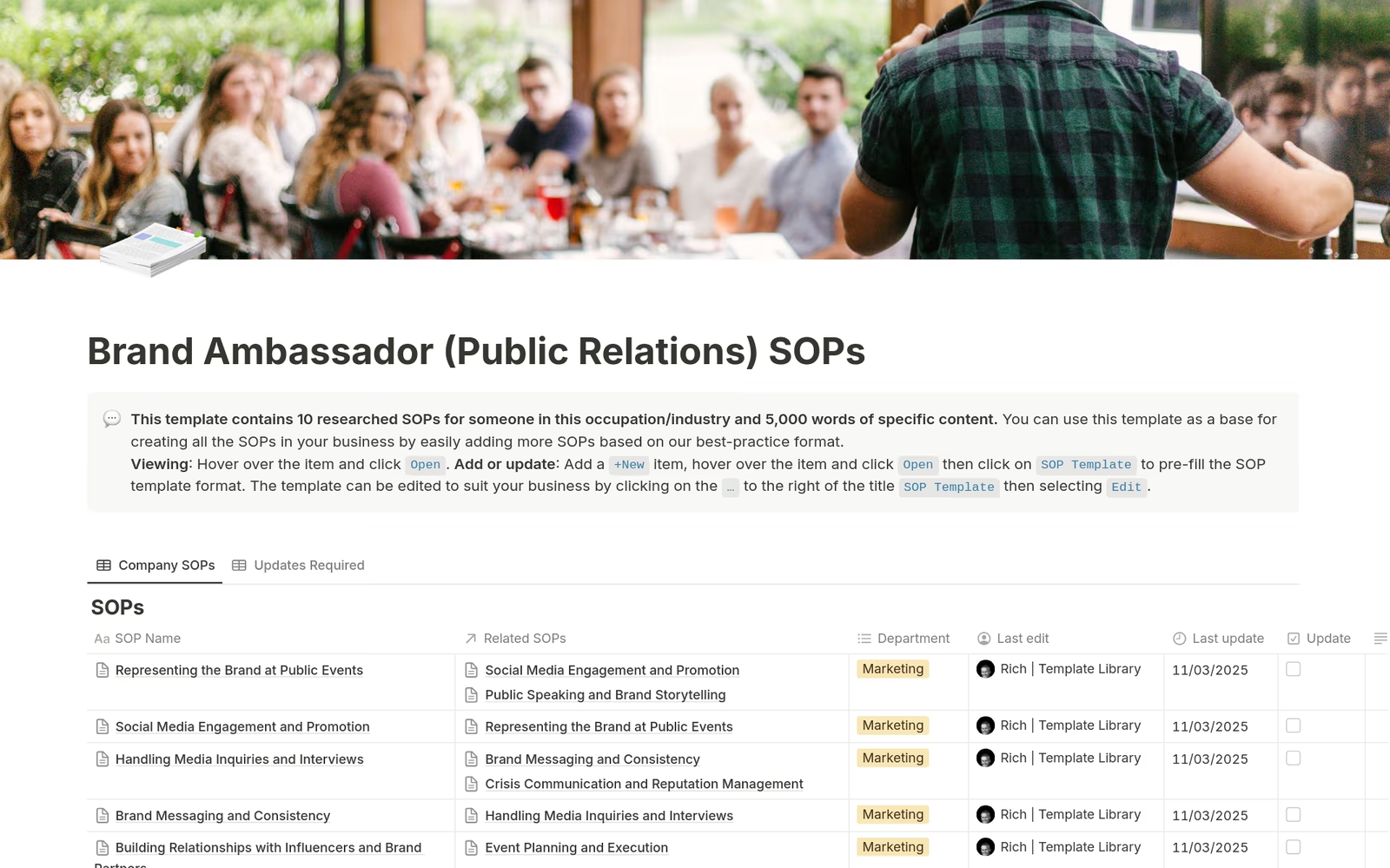
People shared templates privately, recommended Notion to colleagues, and sent dashboards to friends.
Most of Notion’s growth came from private sharing not public marketing.
Notion understood something early:
If people share your product privately, you win even if analytics never tells you how.
Case Study 2: How Figma Won Through Community-Led Dark Funnel
Figma didn’t rely on ads to become a design giant.
Instead, they created:
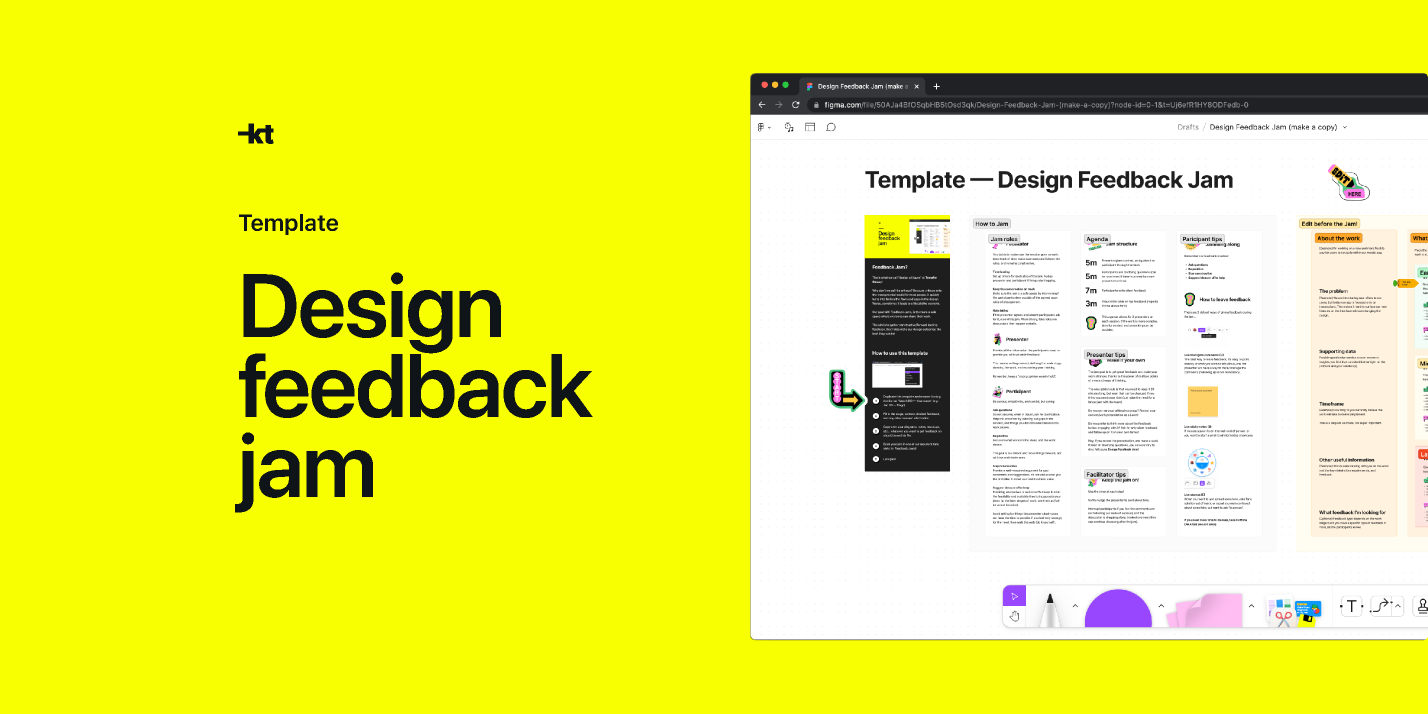
- Community files
- Collaborative templates
- Live design jams
- Word-of-mouth among designers
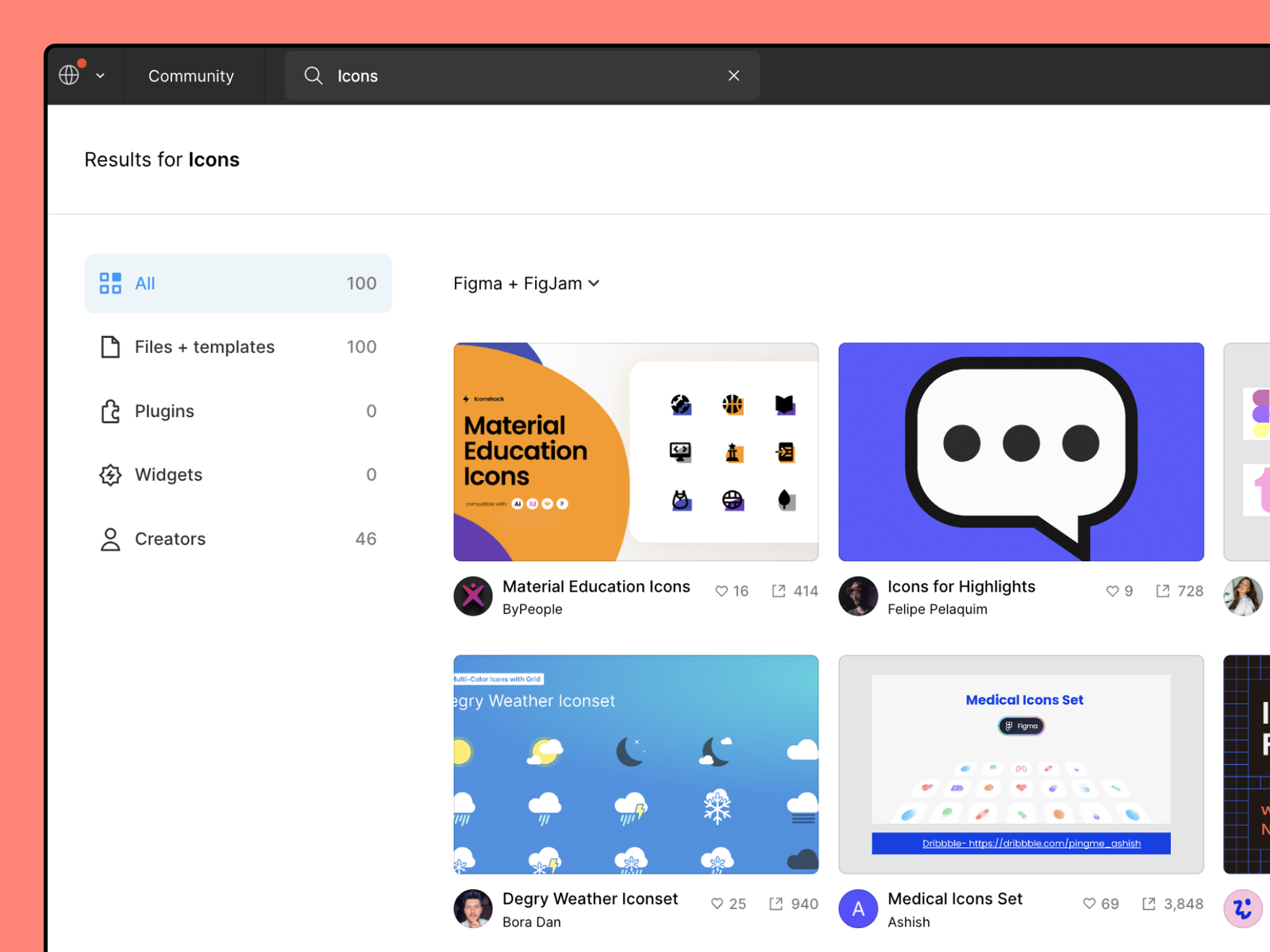
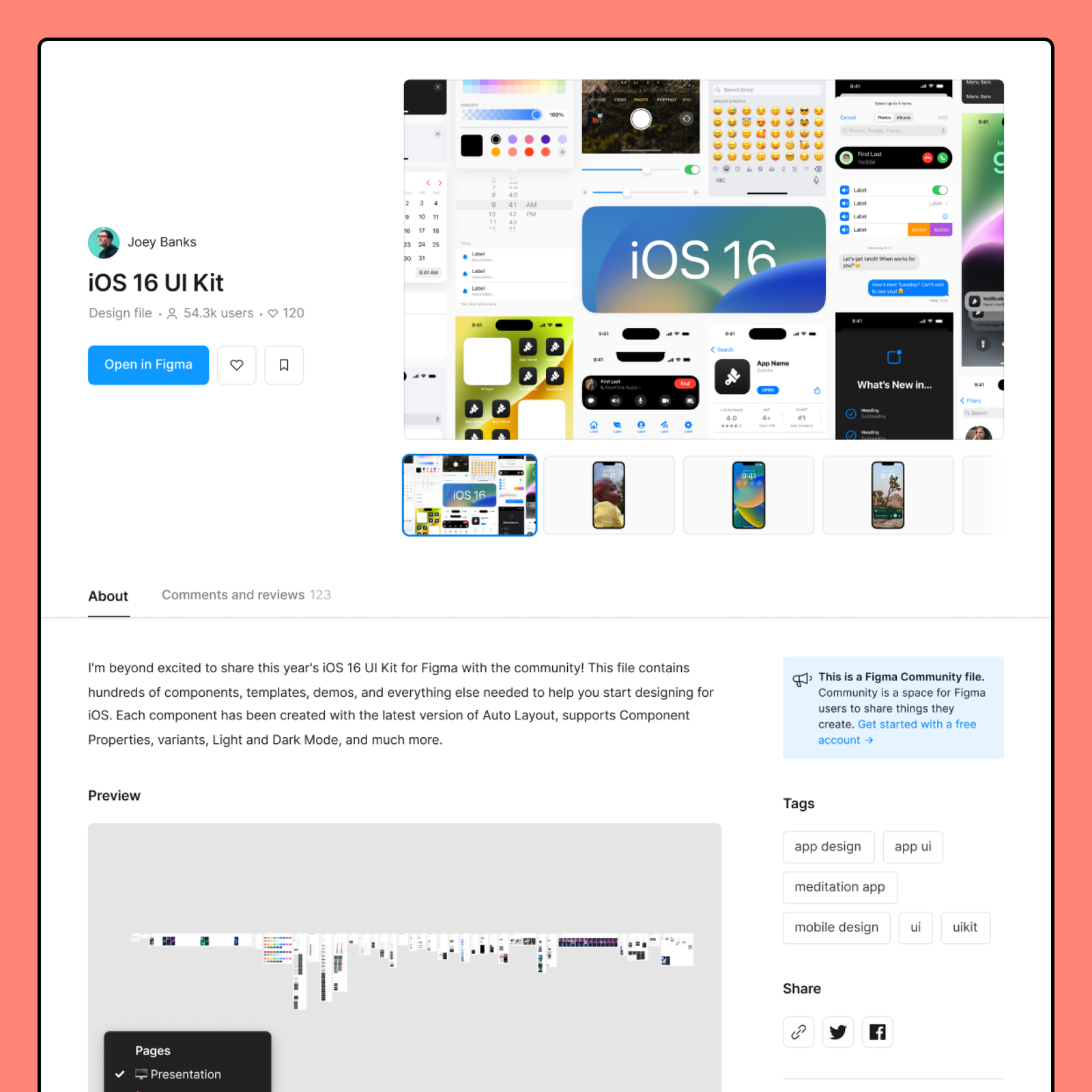
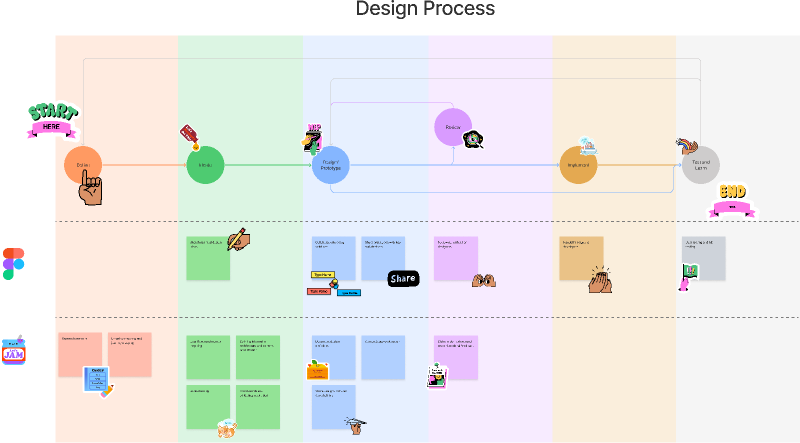
Designers started sharing files in private groups, critiques, and collaborative workspaces.
By the time these users visited Figma’s website, they were already sold.
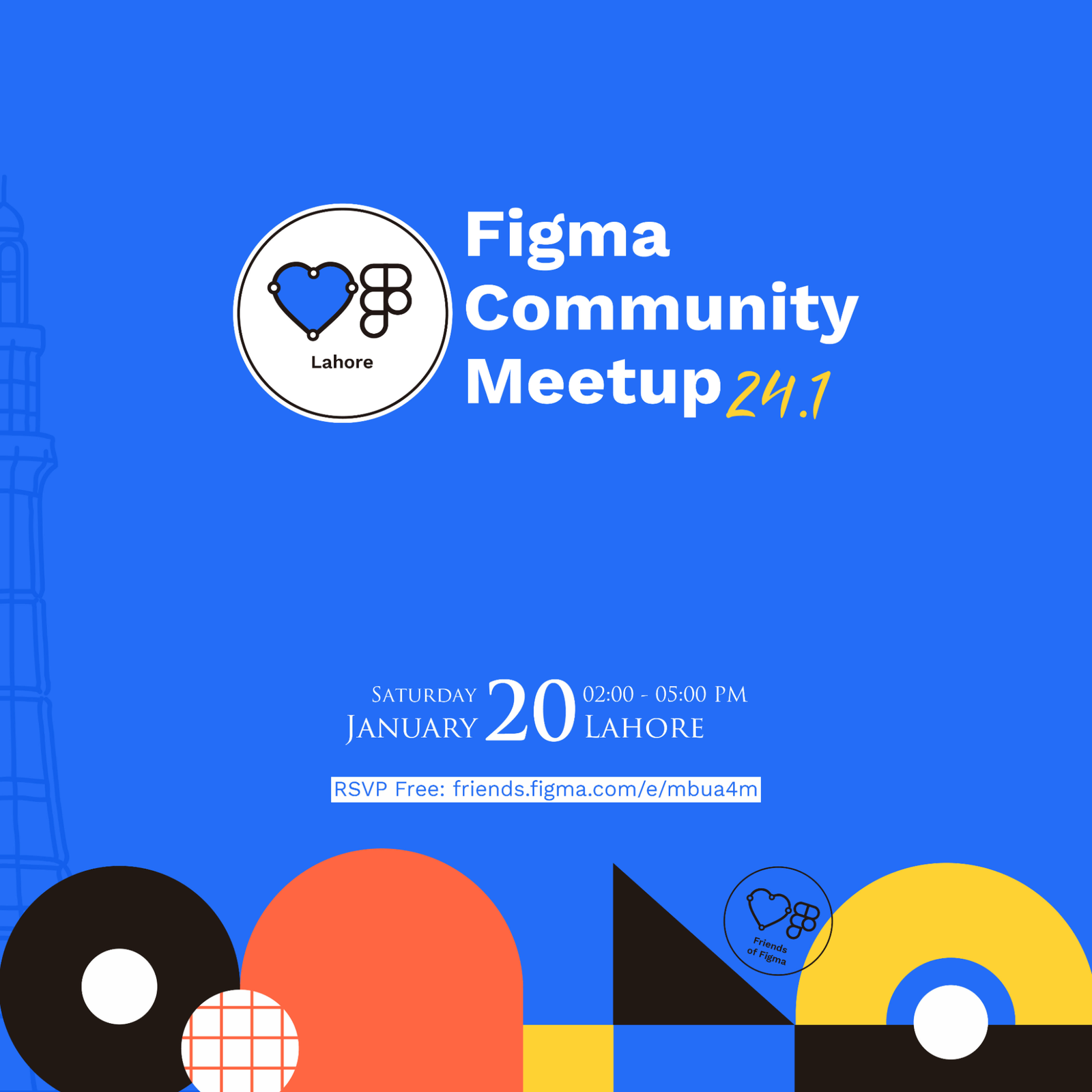
Figma hacked the dark funnel by making content easy to copy, share, remix, and distribute privately.
The Death of Attribution in 2026
Marketers have spent the last decade chasing “perfect attribution.”
But the truth is perfect attribution no longer exists.
Today’s customer journey is:
- Fragmented
- Nonlinear
- Unpredictable
- Private
- Anonymous
This means dashboards will become less accurate each year.
The brands that win won’t be the ones with the best analytics but the ones with the best influence.
Why Traditional Funnels Are Failing
Traditional funnels depend on tracking:
- pixel data
- UTMs
- paid traffic
- cookies
- form fills
But consumers now use:
- ad blockers
- private browsers
- VPNs
- cookieless devices
- private social sharing
That’s why your funnels look broken because they are.
Not because marketing doesn’t work.
But because people don’t move the way funnels expect them to.
The Future of Outbound in a Dark Funnel World
Outbound marketing used to be:
- Emails
- Ads
- Cold calls
Now outbound must become:
- Conversations
- community engagement
- personalized micro-content
- DM-first outreach
- influencer-led communication
The brands who master relationship-first outbound will dominate the dark funnel.
Dark Funnel for Small Businesses
Small businesses have a huge advantage:
They can build relationships faster than big brands.
You don’t need a massive budget.
You need:
- valuable content
- consistent brand presence
- customer love
- community engagement
When people love your brand, they share it privately.
And that is the ultimate growth engine.
Final Thoughts: The Funnel Has Gone Dark: But Your Opportunity Has Never Been Brighter
The dark funnel isn’t a threat.
It’s the truth marketers have been avoiding, buy based on trust, not tracking.
Your customers are talking about you in places you’ll never see.
Your job is to give them something worth talking about.
Brands that embrace this new reality will grow faster, organically, and more sustainably than those still clinging to dashboards from 2015.
If you want Digibble to help you stand out, build influence where it matters:
- in conversations,
- in communities,
- in private shares,
- in trust.
Ready to build marketing that spreads even where analytics can’t see?
Let’s create it together.
FAQs
What is dark funnel marketing?
It refers to the invisible, untrackable touchpoints where customers discover and research your brand before you ever see them in your analytics.
Why is the dark funnel important in 2026?
Because over 70% of buying decisions now happen privately outside of measurable channels.
How do you measure the dark funnel?
You can’t track it perfectly, but you can observe patterns using surveys, attribution lift, and qualitative insights.
What influences the dark funnel the most?
Community conversations, private shares, word-of-mouth, and content that gets forwarded in DMs.
How can small businesses use the dark funnel?
By creating helpful content, building relationships, nurturing micro-communities, and encouraging customer referrals.
Is dark funnel the same as dark social?
Dark social is a major part of the dark funnel, but the dark funnel also includes offline conversations and anonymous research.
Can ads influence the dark funnel?
Yes! Ads can spark awareness that people later discuss privately, even if the ad doesn’t get a click.
How do I know if my brand is winning in the dark funnel?
If people start saying things like “I’ve been hearing about you everywhere,” you’re winning.