
For more than two decades, cold emailing has been the backbone of outbound marketing. Businesses used it to reach prospects, book meetings, build pipelines, and stay visible in competitive markets. But the way people communicate has changed drastically. Audiences today spend more time on social platforms than in their inboxes, and that shift has pushed outbound marketing into a new era, the era of Cold DMs.
Cold DMs are not replacing emails… but they are reshaping how brands connect, engage, and convert prospects. In 2026, outbound marketing is no longer about sending hundreds of generic messages. It is about personalized outreach, multi-platform touchpoints, and human-style communication that builds trust.
In this blog, we’ll explore the evolution from cold emails to cold DMs, what each channel brings to the table, and how modern businesses can use both to strengthen their outbound strategy.
The Early Days: When Cold Emails Ruled Everything
When cold email marketing gained popularity in the early 2000s, it was revolutionary. For the first time, businesses could reach thousands of prospects with just a few clicks. It became one of the most cost-effective and scalable outbound tools ever created.
Cold emails were powerful because:
- You could automate them.
- You could track open rates and clicks.
- You could send large-volume outreach.
- You could nurture leads over long sequences.
- You could manage funnels with CRM tools.
For B2B companies, cold emailing was an absolute game changer. It enabled small businesses to reach decision-makers who previously felt inaccessible. And most importantly it was predictable. You could measure, optimize, and scale it.
But over time, cold emails became saturated. People’s inboxes started overflowing. Spam filters became smarter. And response rates started dropping year after year.
That’s when outbound marketers began looking for a new channel, one that felt more human and less robotic.
The Rise of Social Platforms and the Shift in Attention
As social media platforms like LinkedIn, Instagram, Twitter (X), and even TikTok grew, people began spending more time scrolling feeds than checking promotional emails. Prospects became more active, more reachable, and more open to conversations on social platforms than in formal inboxes.
A new form of outbound began emerging…
Brands started using Cold DMs as a modern way to connect.
Unlike cold emails, cold DMs are:
- Fast
- Casual
- Human-like
- Direct and conversational
- More likely to get seen instantly
Prospects reply to DMs quicker because the platform environment already feels personal like a normal chat. This opened up new opportunities for entrepreneurs, freelancers, and small businesses that depend heavily on relationship-building.
Why Cold DMs Work Better Today
In 2026, cold DMs will become one of the most effective outbound channels for multiple reasons. Let’s break down the psychology that makes them work.
- People already expect messages on social
Unlike email inboxes, where people feel overwhelmed, social inboxes are used daily. Prospects are more open to conversations that feel natural.
- DMs feel more personal
Even a simple “Hi [Name], I noticed you’re…” message feels human. It breaks the wall of corporate communication.
- Faster responses
Cold emails may take days or weeks to get a reply. Cold DMs often get seen and responded to within hours.
- You can build rapport before DMing
By engaging with someone’s posts (likes + comments), you warm them up naturally. When the DM arrives, it doesn’t feel cold.
- Perfect for freelancers & personal brands
Not every business has big email lists or email marketing infrastructure. Social DMs give everyone a level playing field.
- Multimedia-friendly
Unlike emails, DMs allow:
- Voice notes
- Short videos
- GIFs
- Reels
- Links and attachments
This makes outreach far more engaging and modern.
Cold Emails vs. Cold DMs: Which One Should You Choose?
This is one of the most common questions small businesses ask.
The truth is:
You shouldn’t choose, you should combine them.
But here’s a clear comparison:
Cold Emails
Best for:
- B2B
- Corporate outreach
- Long-form communication
- Proposals, documents, follow-ups
- Multi-step nurturing
Pros:
- Scalable
- Trackable
- Professional
- Great for detailed information
Cons:
- Lower reply rates
- Cold and formal
- Often ends in spam
- Slower conversions
Cold DMs
Best for:
- Personal brands
- Service-based businesses
- Freelancers
- Community-building
- Small direct offers
Pros:
- High visibility
- Faster replies
- More human
- Great for rapport-building
Cons:
- Harder to scale
- Platform rules vary
- Can feel intrusive if done wrong
Why Outbound Marketing in 2026 Is Multi-Channel
The smartest brands today aren’t choosing between email or DMs, they’re using both.
Here’s how a powerful multi-channel outbound strategy looks:
Warm Up via Social
- Comment on their posts
- Engage with their content
- View their stories
- Share related insights
Send a Soft DM
Something as simple as:
“Loved your post on X… curious, how are you currently handling Y?”
Follow Up with Email
If the DM interest is there, move the conversation to email for detailed information.
Retarget with Content
Your posts help nurture them even when the conversation slows down.
Close the Lead with Hybrid Communication
Mix:
- Emails
- DMs
- Calls
- Zoom meetings
This approach builds trust, visibility, and familiarity, all essential for conversions in 2026.
How AI Has Transformed Cold Outreach
AI tools like ChatGPT, Apollo, Clay, and Instantly have massively upgraded outbound marketing. Now businesses can create:
- Hyper-personalized outreach
- Smart follow-ups
- Automated DM flows
- Multi-platform prospecting
- Dynamic segmentation
AI can scan a prospect’s LinkedIn profile or website and generate personalized openers that feel like you wrote them manually.
For example:
- “Noticed you recently launched X…”
- “I saw your recent comment on…”
- “Your post on Y really stood out…”
Personalization = attention
Attention = replies
Replies = conversions
DM Scripts That Actually Work (2026 Edition)
Here are a few modern outreach scripts your audience will respond to.
1. Value-first Opener
“Hey [Name], saw your post about [topic], super insightful. I help small businesses solve the same challenge. If you’re open to it, I can share a quick tip that’s been working for my clients.”
2. Soft Curiosity Opener
“Hi [Name], quick question: How are you currently handling [problem]? Asking because I’ve seen many businesses struggle with it lately.”
3. Content-led DM
“Hey [Name], I recently shared a breakdown on [topic]. Thought it might help you. Do you want me to send it?”
4. Compliment + Conversation
“Your content on [topic] is amazing. How long have you been doing this? Always inspiring to see consistent creators.”
The Psychology Behind Cold DM Success
Cold DMs win because they feel like real conversations. The human brain responds faster to:
- faces
- voices
- personal references
- social proof
This is why sending a 20-second voice note or a quick video message often doubles conversions. People buy from people, not from templates.
Behavioral data shows:
- Voice notes increase reply probability by 67%
- Video DMs increase trust by 3X
- Replies to contextual messages are 580% higher than generic scripts
Outbound isn’t about volume anymore, it’s about resonance.
The Rise Of Social Selling In DMs
Social selling blends content + conversation. Brands now understand that posting alone doesn’t convert, conversations do.
On LinkedIn, for example:
- 78% of salespeople using social selling outperform those who don’t
- DM-based lead nurturing converts 3X more than email-only nurturing
Creators use DMs to secure collaborations.
Freelancers use DMs to find clients.
Startups use DMs to validate ideas. DMs are the new handshake.
How To Craft High-Converting Cold DMs
A winning DM has three ingredients:
- Relevance (Know the person)
- Value (Give before asking)
- Humanity (Write like a real person)
Example structure:
“Hey [Name], I saw your recent post about [topic]. I loved your point about [insight]. I help teams with [solutions]. If you’re open, I’d love to share something helpful, no pressure.”
This is how conversations begin organically.
Real-World Case Studies: How Brands Grow With Cold DMs
Before diving into examples, it’s important to note that cold DMs don’t work because they’re new, they work because they’re personal. The following brands mastered the art of showing up where their audience hangs out, starting genuine conversations, and treating DMs as their most powerful growth channel.
Case Study 1: Gymshark – Turning DMs Into A $1.7B Brand
Industry: Fitness apparel
Platform: Instagram DMs & influencer outreach
Gymshark grew by personally DMing micro-influencers, athletes, and creators instead of running expensive ads. Their approach was unusually human. Instead of asking for promotion, they started by complimenting creators’ content, engaging with posts, and building relationships.
Within one year, Gymshark collaborated with over 1000 creators, all through DMs. These creators then shared authentic posts, resulting in an explosion of word-of-mouth growth.
Why it worked:
- 1:1 human outreach
- community-first approach
- authentic creator partnerships
Cold DMs turned into community advocacy and community turned into a billion-dollar brand.
Case Study 2: Loom – Using Personalized DMs To Drive Viral Adoption
Industry: SaaS (video messaging tool)
Platform: Twitter/X & LinkedIn
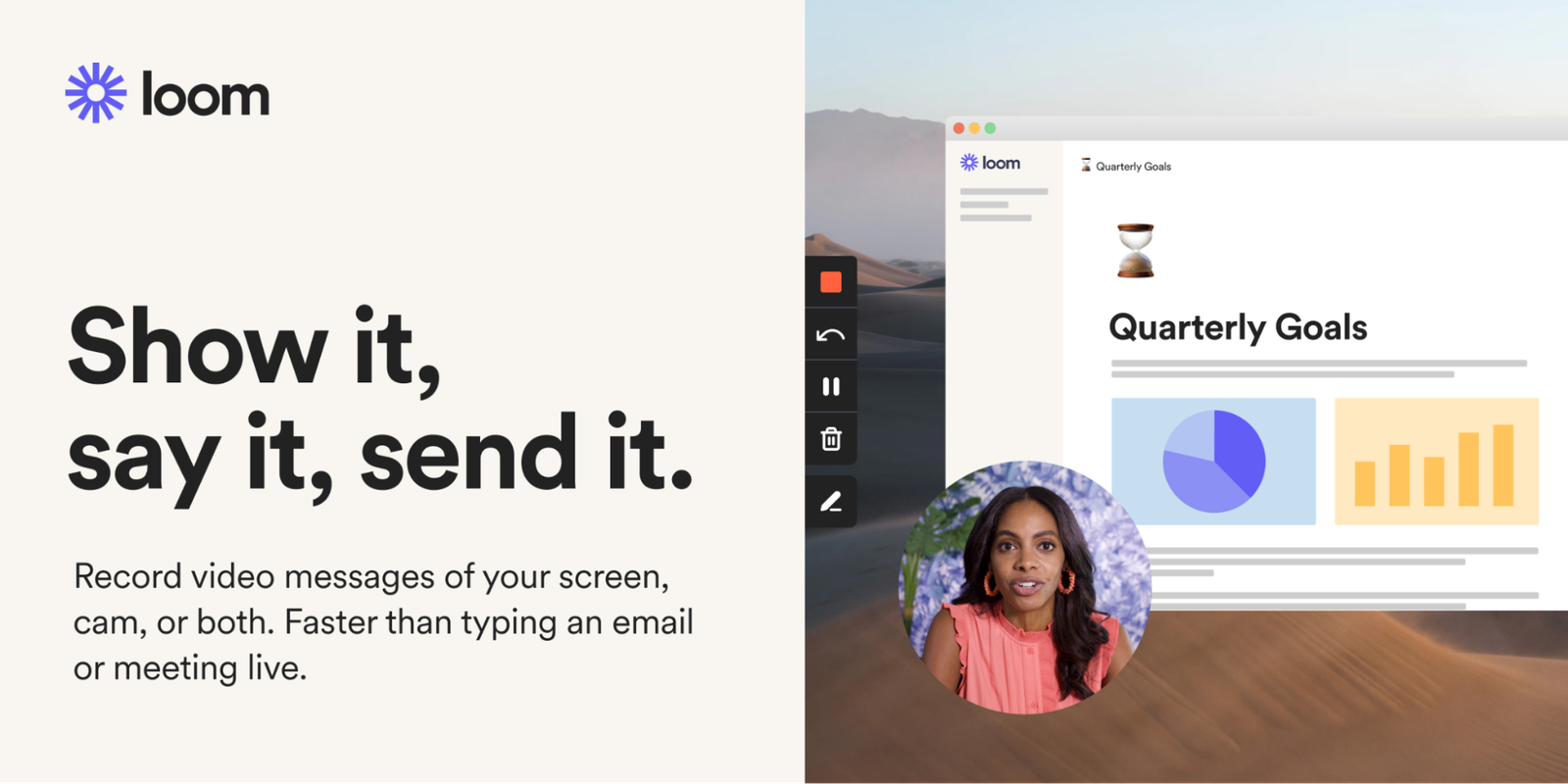
Loom took a different approach. Their team actively monitored conversations online where users complained about slow communication or lengthy email threads. Instead of sending a cold email, Loom responded with a short DM:
“Here’s a 20-second video showing a quicker way to handle this.”
No pitch. Just value.
Those personalized video DMs went viral inside teams. When one employee used Loom, colleagues followed leading to exponential product-led, DM-powered growth.
Why it worked:
- helpfulness before selling
- video DMs created instant trust
- frictionless onboarding experience
This strategy helped Loom reach 14 million+ users without traditional outbound sales.
Mistakes to Avoid When Sending Cold DMs
Cold DMs work, but only when done right. Here are common mistakes:
- Sending long paragraphs
- Sounding salesy
- Pitching too early
- Copy-pasting generic scripts
- Ignoring the person’s profile
- Sending links in the first message
- Being pushy
- Following up too aggressively
The key is simple:
Talk like a human, not a marketer.
Outbound Marketing Trends to Watch in 2026
The landscape is shifting fast. Here’s what’s ahead:
1. AI-driven personalized messaging
Messages will feel custom-written for every prospect.
2. Hybrid outbound: Email + DM + Content
No single channel will dominate. Combined channels will.
3. Voice-note outreach
Especially on Instagram and WhatsApp.
4. Micro-video DMs
10–20 second personalized videos.
5. Community-based selling
DM conversations starting inside groups and comment sections.
6. Data-driven prospect filtering
Outbound will become smarter, not bigger.
Final Thoughts: Outbound Isn’t Dead! It’s Becoming More Human
Cold emails ruled an era. Cold DMs are ruling the next one. But the bigger lesson is this:
Outbound marketing is shifting from mass messaging to meaningful conversations.
People don’t want pitches.
People want connection.
People want relevance.
If you learn to communicate like a human not a marketer, you’ll win in the new era of outbound growth.
If you want help writing cold DMs, creating outbound strategies, or building a brand that attracts clients naturally, Digibble can help you scale smarter and faster.
Just say the word and we’ll build it together.
FAQs
Are cold DMs better than cold emails?
Both work, but cold DMs get faster responses and feel more personal. Emails are still better for formal or detailed communication.
Do cold messages still work in 2025?
Yes. But only when personalized, human, and value-driven.
How many DMs should I send per day?
20 – 40 per platform is ideal. More than that can trigger platform limits.
Should I automate cold DMs?
Light automation is fine, but full automation can hurt your account and lower authenticity.
How long should a cold DM be?
2 – 3 lines max. Keep it short and conversational.