

2026 is shaping up to be a transformational year for B2B marketing. With emerging technologies like generative AI, evolving buyer behavior, and rising expectations for personalization, marketers can no longer rely on outdated strategies.
According to a 2024 Forrester report, 70% of B2B buyers now prefer digital interactions over traditional sales conversations, while 68% say personalized content greatly influences their purchasing decisions. These stats aren’t just numbers, they’re a call to action for B2B marketers to evolve or risk falling behind.
We’re entering a new age where creativity, automation, community-building, and value-first communication are key pillars. Whether you’re a marketer at a SaaS startup, enterprise software company, or B2B service provider, these trends will redefine how you attract, engage, and convert your audience in 2026
What is B2B Marketing?
B2B (Business-to-Business) marketing refers to strategies and practices used by one business to sell products or services to another business. Unlike B2C (Business-to-Consumer) marketing, B2B marketing focuses on logic, value, return on investment (ROI), and longer decision-making cycles.
In 2026, B2B marketing has become more customer-centric, content-driven, and digitally focused, bridging the gap between data and human connection. It’s no longer just about pushing products, it’s about solving problems, offering value, and building relationships that drive trust.
Why Are Marketing Trends Important for B2B?
Staying on top of B2B marketing trends helps companies:
- Adapt to changing buyer behaviors
- Implement efficient tools and channels
- Improve marketing ROI and lead generation
- Maintain competitive advantage
- Align with evolving digital platforms
B2B buyers are now digitally savvy, research-driven, and expect real-time, personalized experiences. If you’re not innovating your marketing approach, you’re missing out on potential leads and revenue.
7 B2B Marketing Trends to Follow in 2026
As we head deeper into 2026, the B2B landscape is shifting dramatically. The dominance of AI, demand for snackable content, and community-based strategies have given rise to new marketing playbooks. These are not short-lived fads but long-term trends shaping buyer expectations and digital strategies.
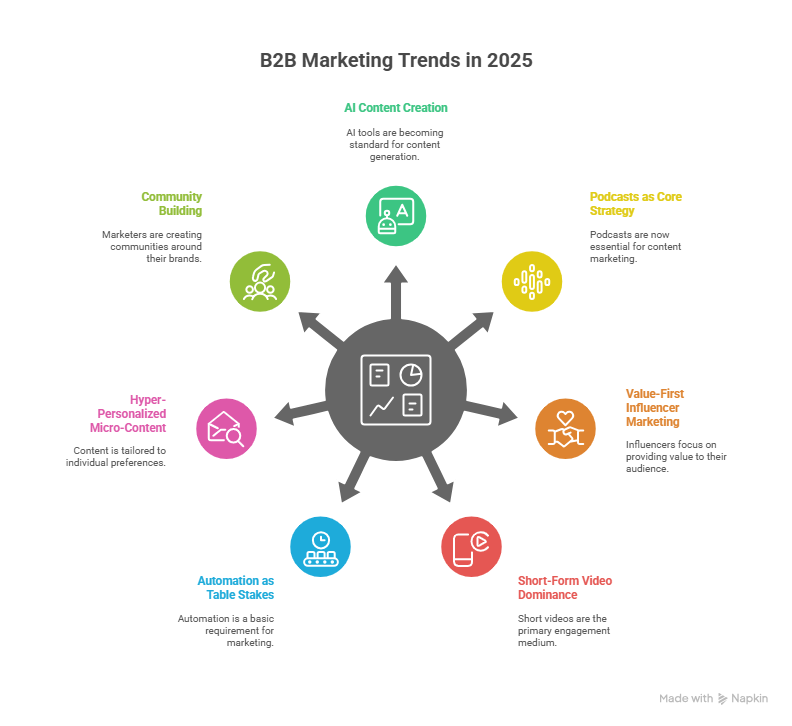
Let’s explore the 7 B2B marketing trends to jump on this year:
Trend 1: AI Content Creation Becomes the Norm
AI tools like ChatGPT, Jasper, and Copy.ai are now mainstream in B2B content creation. According to HubSpot’s 2025 State of Marketing Report, 58% of B2B marketers are using AI to generate blog posts, emails, social media content, and sales enablement material.

AI allows marketers to generate personalized content at scale from email drip campaigns to industry-specific landing pages. But AI alone isn’t enough. The winning strategy combines human creativity with AI speed to ensure your brand voice and depth remain intact.
Bonus Tip: Use AI to analyze past campaign data and identify which formats drive the most conversions for your niche.
Trend 2: Podcasts Are Now a Core Content Strategy
Audio content is booming in B2B. Podcasts allow brands to showcase expertise, build thought leadership, and reach decision-makers during commutes or workouts.
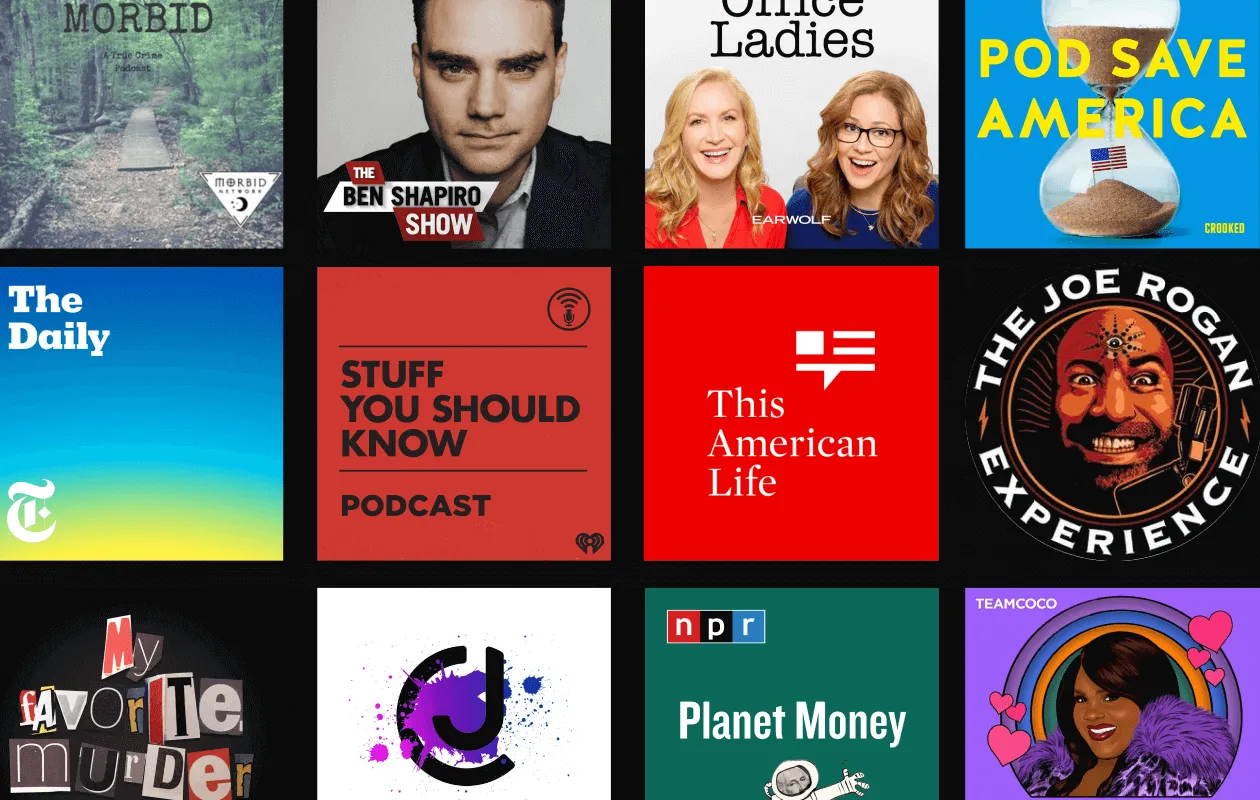
B2B podcast listeners increased by 25% year-over-year in 2024, according to Edison Research. It’s not about the number of downloads but the quality of the listeners, key decision-makers who listen for insights.
Starting a podcast series featuring industry leaders, clients, or product experts is a high-engagement, low-cost way to build trust.
Trend 3: Value-First Influencer Marketing Is on the Rise
B2B influencer marketing is becoming more credible and ROI-driven. Micro-influencers and niche thought leaders are now collaborating with brands to deliver educational, not salesy, content.
Instead of pushing products, these influencers provide value via webinars, case studies, and authentic reviews.
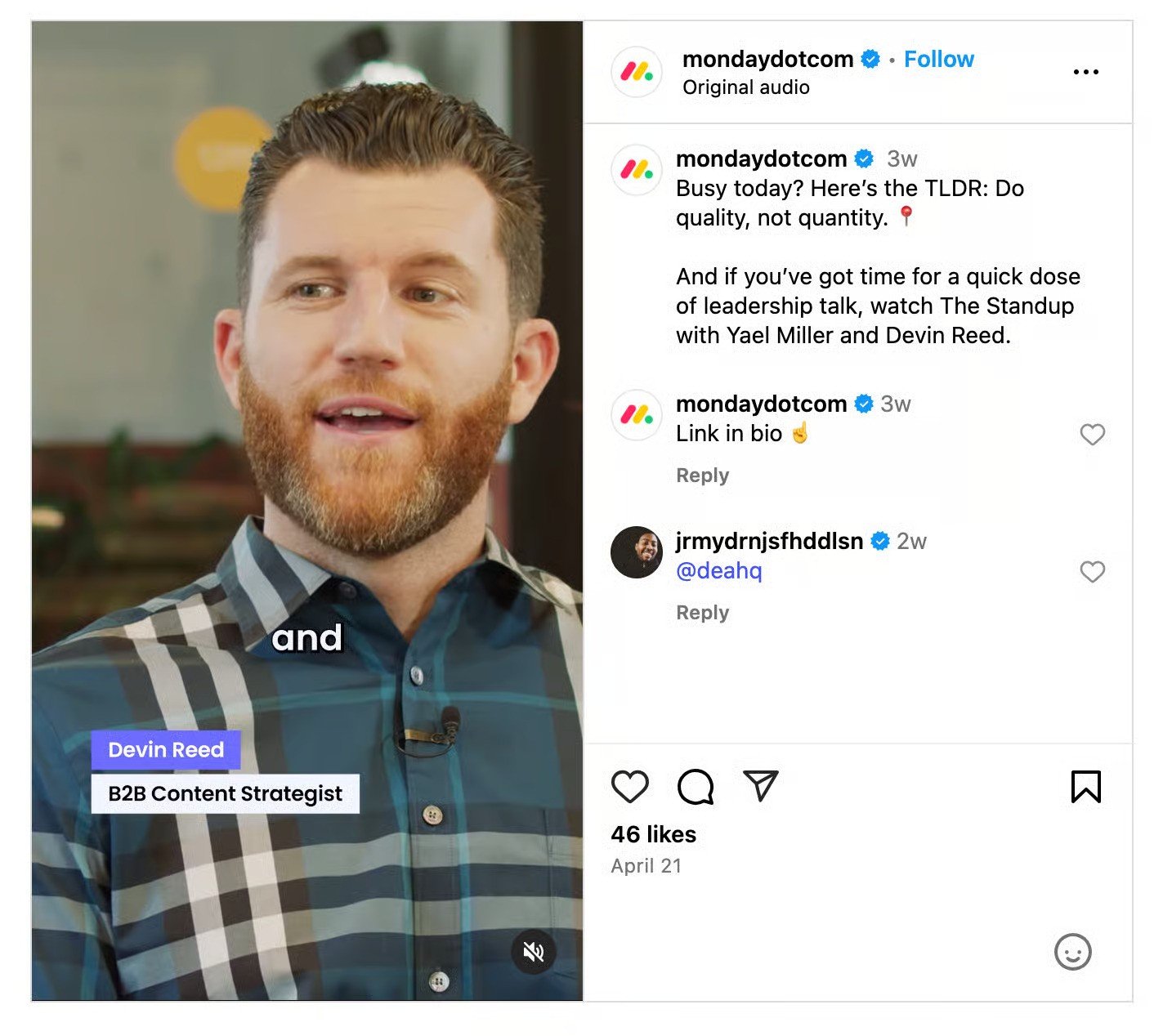
LinkedIn reports a 32% increase in B2B brands using influencer campaigns in 2024, with a 22% average increase in engagement.
Pro Tip: Focus on long-term influencer partnerships over one-off promotions to build credibility.
Trend 4: Short-Form Video Dominates Engagement
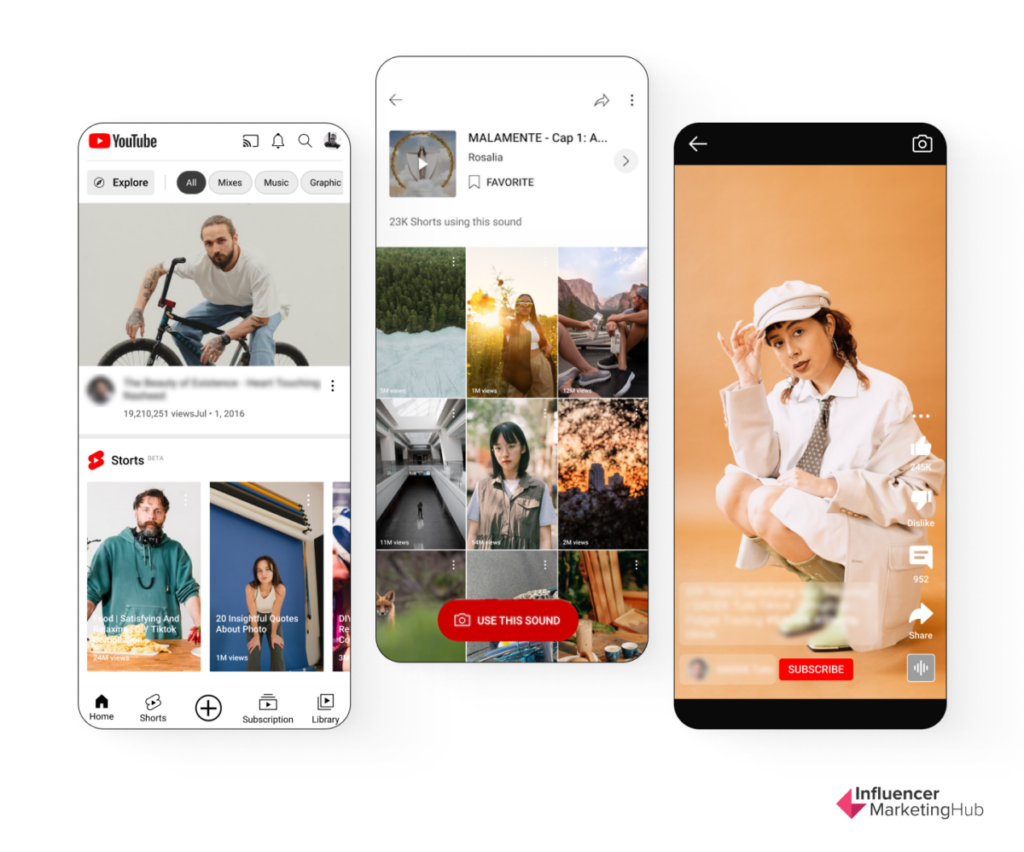
Platforms like LinkedIn, YouTube Shorts, and even Instagram Reels have become core for B2B awareness. Short-form videos under 90 seconds are driving 3x more engagement compared to text posts, especially in explaining complex solutions quickly.
These videos can be used to:
- Explain product benefits
- Share quick customer testimonials
- Summarize webinars or whitepapers
Repurpose long-form content into bite-sized videos to maintain content freshness.
Trend 5: Automation is Table Stakes
If you’re still manually handling lead nurturing or email campaigns, you’re behind. Automation tools like HubSpot, Mailchimp, and Brevo are standard for scalable growth.
In 2026, B2B marketers are automating:
- Welcome sequences
- Lead scoring
- Follow-ups
- Retargeting workflows
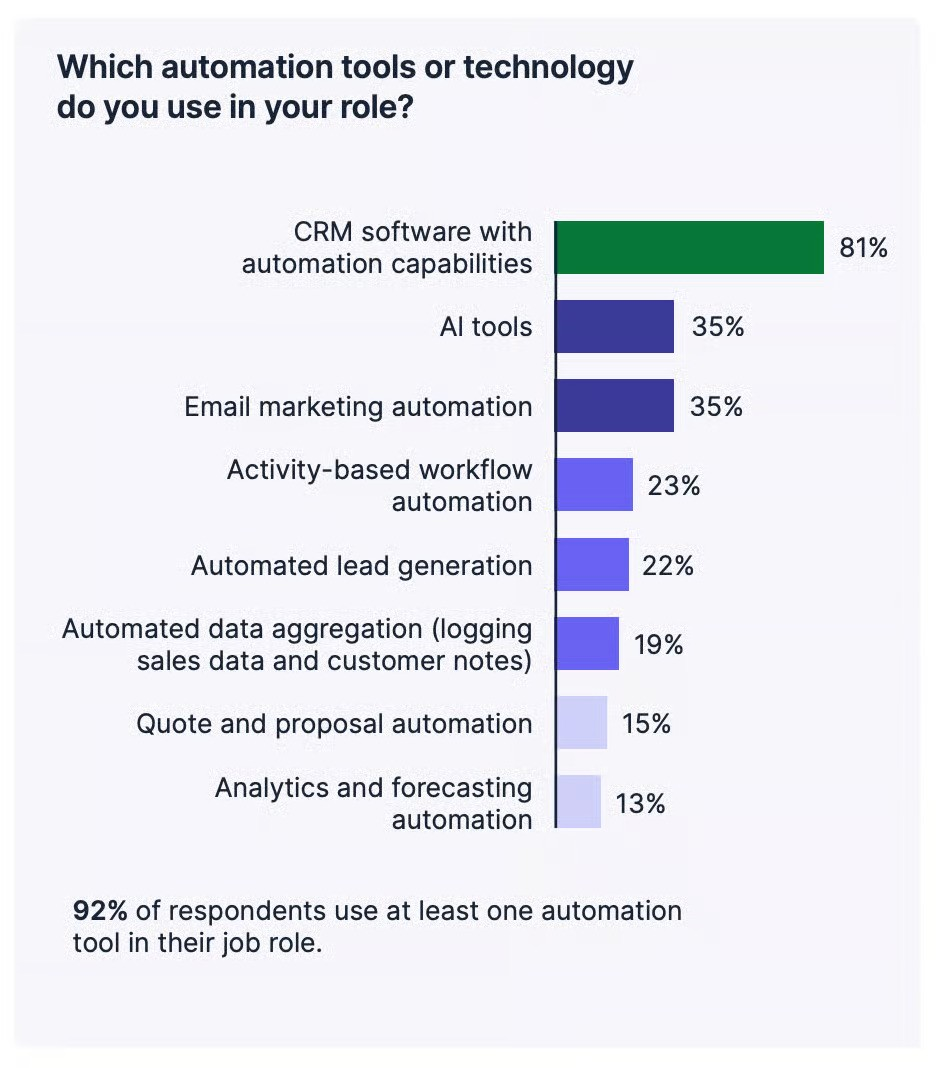
Salesforce notes that 80% of high-performing B2B marketers use marketing automation, improving efficiency and reducing human error.
Trend 6: Hyper-Personalized Micro-Content
B2B buyers expect personalization at every touchpoint. Micro-content, personalized snippets based on user behavior is leading to 20-30% higher engagement rates, according to Gartner.
Examples include:
- Dynamic email content based on role
- Personalized website CTAs
- Industry-specific landing pages
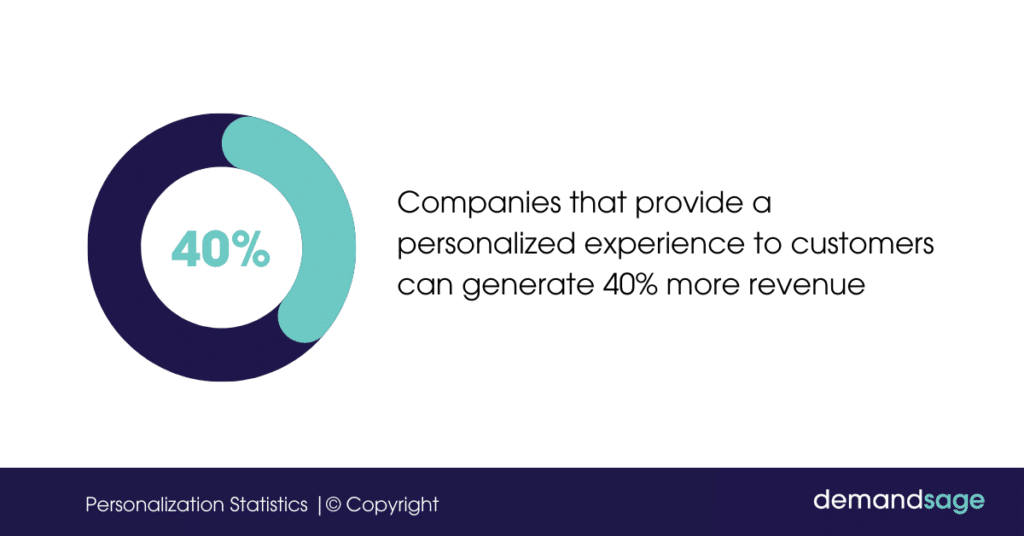
Use customer data platforms (CDPs) to map behavioral data into micro-content strategies.
Trend 7: Marketers Are Building Communities
Community-led growth is gaining traction in B2B. Brands are creating exclusive Slack groups, LinkedIn communities, and member-only platforms where professionals can engage, learn, and build trust.

Notion and Gong both launched invite-only communities, fueling customer retention and organic growth.
Communities aren’t just for engagement, they’re long-term assets that generate referrals, insights, and brand loyalty.
Real-World Example: Adobe’s B2B Strategy with Community & AI
Adobe is a great example of a brand leveraging multiple B2B marketing trends to dominate the market. Through their Adobe Experience Cloud, they use AI to help businesses personalize customer journeys. Adobe also invested heavily in building communities from user conferences like Adobe Summit to specialized online forums.
Their content strategy includes podcasts, webinars, short-form explainers, and collaborations with industry influencers, positioning Adobe not just as a service provider but a knowledge hub. This approach has helped Adobe maintain its position as a multi-billion-dollar brand and trusted partner for enterprise-level B2B solutions.
New Trend: B2B Goes Human-Centric
In 2026, B2B brands are moving beyond jargon and corporate language to sound more relatable and human. Marketers are now prioritizing emotional intelligence, storytelling, and conversational tone in their messaging.
Brands that show empathy, transparency, and purpose are outperforming their competition. Case studies, founder stories, and customer-driven narratives are replacing stiff whitepapers.
Tip: Your B2B content should resonate emotionally while still being factually accurate, it’s about creating connection, not just clicks.
New Trend: Interactive Content and Tools
B2B buyers don’t just want to read, they want to experience. In 2026, interactive tools like ROI calculators, assessments, quizzes, and configurators are helping brands stand out.
These tools not only improve engagement but also collect valuable data about prospects, making follow-ups more personalized.
Example: HubSpot’s Website Grader continues to attract thousands of B2B leads each month through interactive value-driven assessments.
Final Thoughts: Map Your Success with These Trends
The B2B marketing world is evolving rapidly. From AI to community building, the strategies that worked in 2020 won’t cut it in 2026.
If you want to attract high-quality leads, foster brand loyalty, and stay ahead of your competitors, now is the time to adopt these future-ready B2B marketing trends. Don’t wait until you’re behind the curve.
Want help implementing these trends into your marketing strategy? Reach out to us! Let’s create a future-proof marketing roadmap tailored to your business goals
FAQs
What are the key marketing trends in 2026?
Key trends include AI-generated content, community marketing, podcasting, influencer marketing, automation, and short-form video.
What are the current trends in B2B marketing?
Automation, personalization, and thought leadership content are currently shaping B2B marketing.
What is the future of B2B marketing?
The future lies in data-driven personalization, AI, and customer-led communities.
Are podcasts effective for B2B marketing?
Yes, especially for building thought leadership and trust among decision-makers.
How do short-form videos help in B2B?
They simplify complex ideas and increase engagement on platforms like LinkedIn and YouTube Shorts.
What is micro-content in B2B marketing?
Small, personalized content pieces created for niche audiences, improving conversion.
Is influencer marketing relevant in B2B?
Absolutely. Industry-specific influencers drive trust and engagement without the hard sell.
How can automation improve B2B marketing?
It increases efficiency, reduces manual errors, and ensures timely follow-ups with leads.