

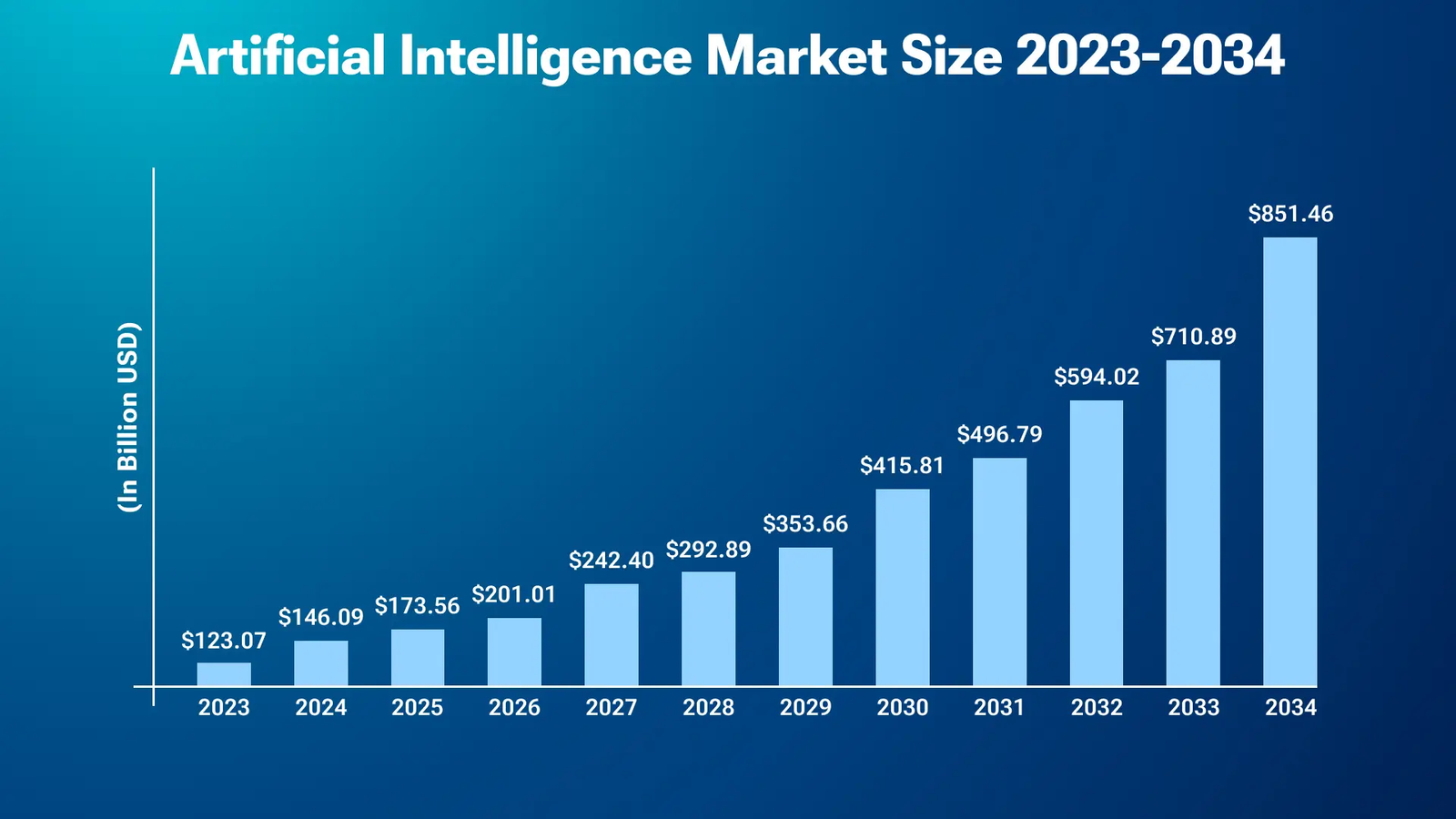
AI isn’t the future, it’s now reshaping global business. According to IBM’s 2024 Global AI Adoption Index, 77% of businesses are already using or exploring AI technologies. Meanwhile, the global AI market is projected to exceed $407 billion by 2027, with startups contributing significantly to this growth.
If you’re considering how to start an AI-powered business in 2026, you’re tapping into one of the most transformative opportunities of our time. The AI space offers immense opportunities; from automating repetitive tasks to building cutting-edge AI software. But with opportunity comes competition, and success requires more than just an idea.
This ultimate guide to AI startups for beginners walks you through the key steps, challenges, and strategies for launching a successful AI-driven company.
The Three Pillars of Effective AI Development
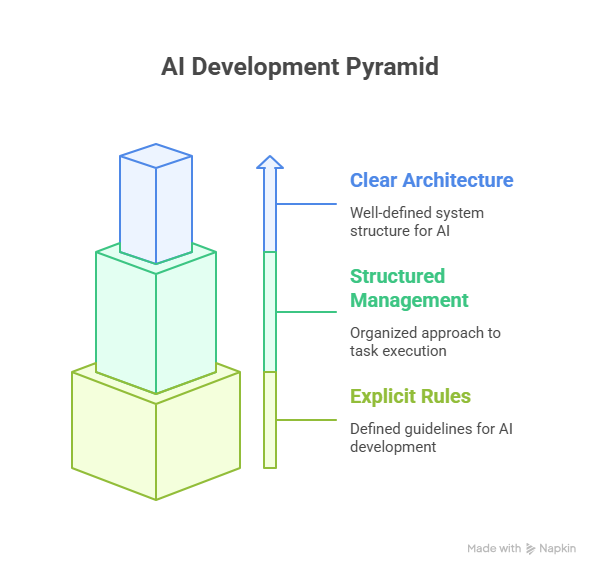
Building an AI startup isn’t just about coding or buying software. It requires thoughtful planning and design at the system level. Let’s break down the three essential pillars:
Clear System Architecture
Your AI can only perform well if it integrates into a clear, functional system. Think of AI as a powerful engine, but it still needs the right vehicle to operate. Many startups fail because they try to implement AI into disorganized processes or messy data structures.
Before you bring AI into your business, map your existing workflows. Ensure that your data is clean, accessible, and labeled correctly. Define where AI fits: Is it analyzing data? Automating tasks? Enhancing customer experiences? Clear architecture ensures that your AI solution works with your business, not against it.
Structured Task Management
AI shines when it focuses on specific, manageable tasks. Instead of trying to “AI everything” from day one, successful AI startups break the journey into smaller projects. This approach helps you test what works, improve continuously, and reduce costs.
For example, start by automating customer support or lead scoring before expanding into predictive analytics. Structured task management allows you to see results faster and build on early wins.
Explicit Development Rules
AI models learn from data and patterns. The clearer the rules you provide, the better your AI will perform. When building an AI-powered business, set clear protocols for data usage, model training, and system updates.
Define your ethical guidelines too. Transparency in how your AI makes decisions is vital, customers and regulators expect it. A strong foundation of rules keeps your AI business safe, compliant, and scalable.
Why 2026 Is a Breakout Year for AI Startups
There’s never been a better time to start an AI-powered business. Here’s why 2025 is the year of AI entrepreneurship:
Cloud platforms democratize AI: Platforms like SageMaker, Google Cloud AI, and Azure AI make it affordable for startups to access advanced machine learning capabilities.
Open-source frameworks flourish: With TensorFlow, PyTorch, and Hugging Face Transformers, even small teams can build sophisticated AI models.
Businesses are ready: From small retailers to manufacturers, companies of all sizes are eager to adopt AI for cost savings and efficiency.
Regulatory clarity improves: Governments are beginning to set clearer standards for AI, reducing legal uncertainty for startups.
In short, 2026 offers the perfect mix of accessible technology, customer demand, and business necessity. AI is no longer optional, it’s a key part of staying competitive.
How Much Does It Cost to Start an AI Company?
One of the top FAQs for AI entrepreneurs is:
How much does it cost to start an AI company? The answer varies, but here’s a rough guide:
- Low-cost AI startup ($3,000 – $50,000) — solo founders using no-code AI tools, APIs, and cloud services to build MVPs.
- Mid-range AI startup ($50,000 – $150,000) — small teams building custom models, integrating AI into SaaS products, or using advanced analytics.
- High-end AI startup ($150,000+) — dedicated data science teams, proprietary models, complex infrastructure.
The good news? With today’s affordable AI solutions for small businesses, you can start to learn and scale as you grow. Platforms like OpenAI’s APIs, Google Vertex AI, and no-code tools let founders build impressive AI applications without a massive upfront investment.
Why Companies Are Investing in AI and What’s Next
Companies large and small are betting on AI because it delivers:
- Cost savings — automate tasks, reduce errors, and free up human resources.
- Faster insights — real-time analytics help businesses make smarter decisions.
- Competitive advantage — AI enables personalized experiences, smarter recommendations, and better service.
What’s next? We’ll see more AI-powered tools designed for small business growth strategies, not just big enterprises. Expect AI to become standard in marketing, operations, HR, and customer support across industries.
How to Start Using AI in Your Business (Step-by-Step)
- Start with a pilot: Choose a simple, high-impact use case like chatbots, lead scoring, or inventory prediction.
- Pick the right tools: Research the best AI tools for small businesses 2026. Many platforms offer free trials so you can experiment before committing.
- Train your team: AI tools are most effective when your staff understands how to use and refine them.
- Measure and iterate: Set clear goals and track outcomes. AI adoption is a journey, not a one-time event.
6 Steps to Building an AI Business Strategy (Ultimate Guide for Entrepreneurs in 2026)
Starting an AI-powered business in 2026 is exciting, but success doesn’t come from technology alone, it comes from a well-thought-out AI strategy that aligns with your business goals, data readiness, ethics, and people. Here’s a detailed guide to help you build a winning AI business strategy.
1. Clarify Your Business Objectives and Identify Where AI Adds Value
Before diving into AI tools or platforms, take a step back and define what you want to achieve. Ask yourself:
- What specific business problems do I want to solve with AI?
- How can AI help drive revenue, improve efficiency, or enhance customer experience?
Whether you want to reduce costs through business automation AI, deliver personalized customer service, or forecast trends, your AI strategy must connect directly to clear business goals.
Many successful founders use readiness assessments, like AI maturity models to evaluate their current capabilities. This helps highlight where AI can have the most meaningful impact and ensures that your stakeholders are aligned on priorities.
2. Assess Your Data Landscape and Eliminate Silos
AI thrives on good data. One of the most overlooked but critical steps is understanding the quality, accessibility, and structure of your data. Conduct a data audit to answer questions like:
- Where is my data coming from (e.g., customer interactions, sales, inventory)?
- Is my data clean, consistent, and free of major gaps?
- Are departments working in silos that limit data sharing?
For many small and medium businesses, data is fragmented, sales data sits with one team, customer service data with another, and so on. To succeed, you’ll need to integrate these sources into a centralized system that your AI can learn from.
AI-powered businesses with poor data inputs will get poor results, no matter how advanced the technology.
3. Design a Responsible and Ethical AI Framework
In today’s landscape, especially as AI becomes more widespread, businesses that fail to address ethics risk losing customer trust, or worse, facing legal trouble.
When building your AI strategy, define principles for:
- Data privacy: How you collect, store, and protect sensitive information.
- Fairness: Ensuring your AI systems avoid biases that could harm certain groups.
- Transparency: Making AI decisions understandable to users and regulators.
Embedding these ethical considerations from the beginning protects your brand and builds long-term loyalty. AI entrepreneurship is as much about responsibility as innovation in 2025.
4. Select AI Tools and Technologies That Fit Your Needs
The right technology stack will depend on your business goals, budget, and expertise. Avoid the mistake of choosing complex platforms you don’t need. Instead, focus on solutions that match your use case, whether that’s:Machine learning platforms for predictive analytics.
Natural language processing for chatbots or virtual assistants.
Robotic process automation to handle repetitive office tasks.
Start small! Pilot the technology on one problem. This approach reduces risk and gives your team time to adjust.
As a rule of thumb, use affordable AI solutions for small businesses where possible to keep costs manageable while you prove value.
5. Strengthen AI Skills and Build a Collaborative Team
Even the best AI tools won’t deliver results without the right people behind them. Identify where your team may lack skills in areas like:
- Data analysis
- Machine learning
- AI ethics
- Cloud platforms
Depending on your resources, you can either invest in training existing staff or bring in new talent. And remember, success requires collaboration. Your AI team shouldn’t work in isolation; it must engage with sales, marketing, operations, and leadership to ensure alignment with your business strategy.
This is especially important for AI startups where small teams wear many hats, cross-functional teamwork is key.
6. Get Everyone On Board and Create a Culture of AI Adoption
Finally, no AI strategy succeeds without employee buy-in. AI can spark anxiety about job changes or automation, so clear communication is crucial. Show your team how AI enhances their work, not replaces it, whether by eliminating tedious tasks or enabling smarter decisions.
Encourage a mindset of continuous learning and adaptability. AI isn’t a “set it and forget it” too, it evolves, and so should your business culture.
Pro tip: Position AI adoption as a journey, not a one-time event. As technology advances, your team will need to keep pace, so foster a culture that embraces change and innovation.
Summary of the 6 Steps
- Align AI goals with your business objectives.
- Audit your data and break down silos.
- Build ethical and transparent AI practices.
- Select technologies that solve real problems.
- Develop AI skills and promote collaboration.
- Gain employee support and create a learning culture.
Final Thoughts: Now Is the Time to Start Your AI Business
You now have a complete roadmap to build your AI startup in 2026. But here’s the reality: the longer you wait, the harder it becomes to stand out. AI is transforming industries today, and those who move fast will lead tomorrow.
Don’t wait for perfect conditions. Validate your idea. Choose the right tools.
Build, test, and refine.
The AI-powered business you’ve been dreaming of is within reach, but only if you act. The time starts now!
FAQs
How much does it cost to start an AI company?
Costs vary based on complexity, from $10K for lean startups using existing APIs to over $250K for custom AI solutions.
How do I build an AI startup from scratch?
Identify a problem, validate demand, choose tools, collect data, build an MVP, and iterate based on user feedback.
How can I start a one-person AI startup?
Leverage no-code AI tools and cloud platforms. Focus on a narrow use case you can manage solo.
What is an AI company?
An AI company creates solutions that apply artificial intelligence to automate tasks, analyze data, or enhance experiences.
How do I start an AI consulting business?
Learn AI tools, build case studies, identify target industries, and offer service packages tailored to small businesses.
What are the challenges of starting an AI business and how to overcome them?
Challenges include data quality, model bias, regulatory compliance, and talent shortages. Start small, use existing tools, and stay informed.
What are the best AI tools for small businesses 2026?
Examples: Jasper.ai for marketing, ChatGPT API for chatbots, Google Vertex AI for ML models.
How can I automate my business using AI?
Start with processes like customer support, email marketing, or lead scoring. Use AI platforms that integrate easily with your existing tools.