

In today’s fast-paced world, trends move at lightning speed. What’s “viral” today can quickly fade into irrelevance tomorrow. According to Statista, more than 60% of social media trends peak and begin declining within 3–6 months, leaving businesses scrambling to keep up. For companies, entrepreneurs, and personal brands, the danger lies in investing heavily in a trend that has already started dying.
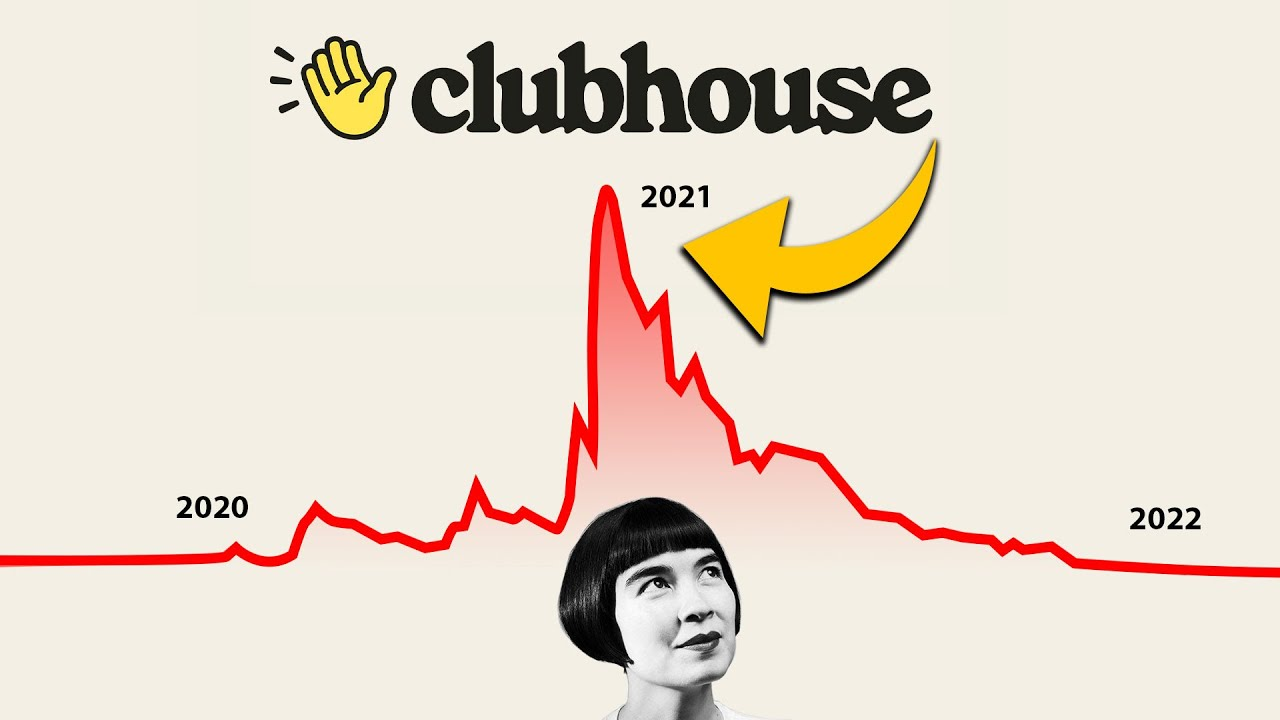
Think of examples like fidget spinners in 2017, which exploded overnight only to crash in popularity within a year. Or Clubhouse, the once-hyped audio app that saw downloads drop by over 80% within a year when other platforms replicated its features. Businesses that rode the wave too late faced wasted resources and irrelevant campaigns.
This blog will walk you through how to identify fading trends, tools you can use to analyze trend lifecycles, and real-world red flags to look out for in 2026. By the end, you’ll know how to distinguish between a sustainable movement and a short-lived fad.
Look for the Trends That Are Disappearing
Before you can spot what’s dying, you need to recognize the signs of disappearing trends. Dying trends often share common characteristics:
- Declining consumer interest: Search volumes and online discussions drop sharply.
- Market saturation: Too many competitors offering the same product, making it harder to stand out.
- Shift in cultural relevance: People move on to the “next big thing” because the trend no longer feels fresh.
Remember Pokémon Go? In 2016, it was downloaded more than 750 million times, but by 2017, daily active users had declined by 80%. The hype didn’t last because the novelty wore off quickly.
Use tools like Google Trends to check whether interest in your niche is going up or down. If searches are consistently declining over months, it’s a warning sign.
Spotting the Beginning of a Trend
On the flip side, spotting the start of a trend gives you the advantage of being early. Early adoption often leads to higher visibility and credibility.
Key Signs a Trend is Beginning:
- Spikes in niche communities: Platforms like Reddit, Product Hunt, or specialized subreddits often detect trends early.
- Buzz among early adopters: Innovators and thought leaders start discussing it before the mainstream catches on.
- Media coverage in niche outlets: Smaller blogs and podcasts highlight it before large media houses do.
TikTok started as a niche app for Gen Z before becoming a global powerhouse. Brands that adopted TikTok marketing early (before 2020) saw enormous growth compared to late adopters.
Follow industry newsletters and trade publications. They often spot emerging trends before they hit mainstream news.
Spotting the End of a Trend
Trends don’t die overnight. They follow a life cycle:
Introduction → Growth → Peak → Decline.
Spotting the decline early helps you pivot before it’s too late.
Red flags that show a trend is dying:
- Engagement drops on social media. Posts about the trend stop getting likes, shares, or comments.
- Declining sales or adoption rates. Customers lose interest faster than expected.
- Big players leave the space. If major brands pull back, it’s often a sign of weakening demand.
- Negative consumer sentiment. Online reviews or conversations shift from excitement to criticism.
Google Glass was revolutionary but quickly declined due to privacy concerns, poor design, and lack of consumer adoption. By 2015, it was clear the product was no longer viable in mainstream markets.
Always measure consumer sentiment + data trends together. Numbers alone may not tell the full story.
Use 3 Trend Spotting Tools To Find Trending Topics
Modern marketers don’t just guess, they use data. Here are three reliable tools:
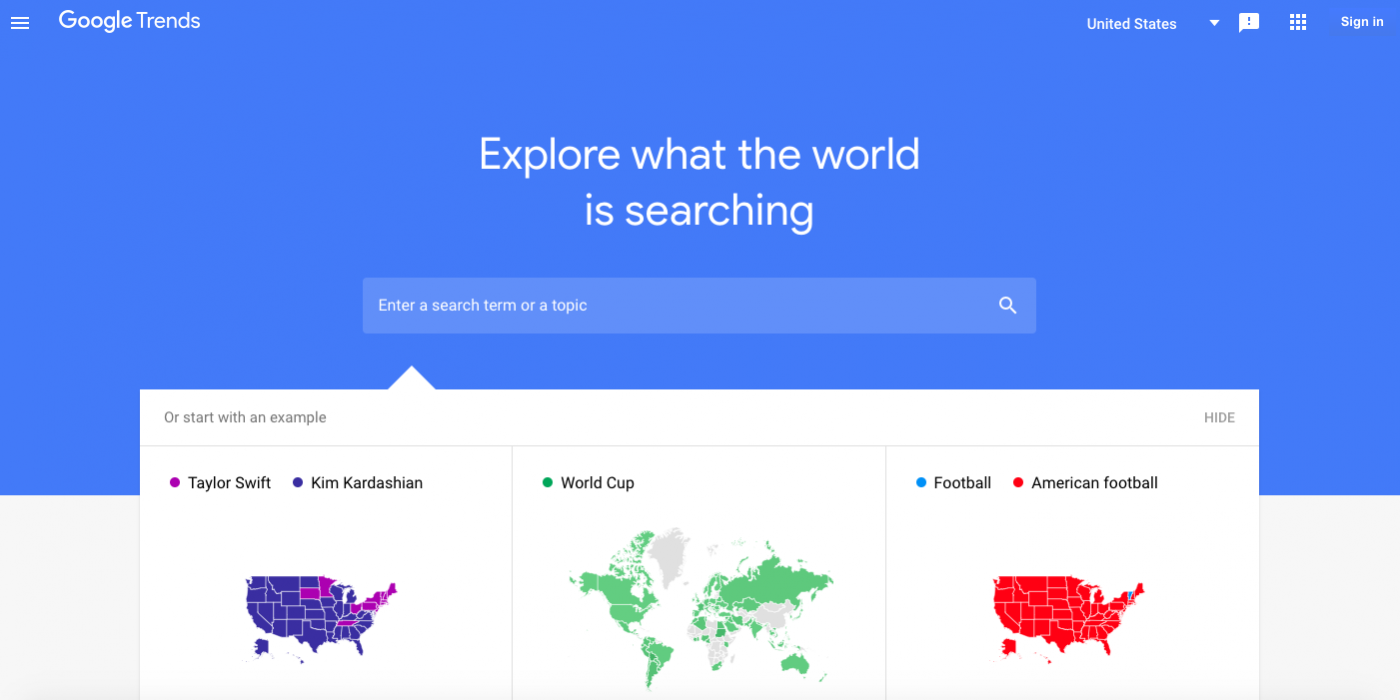
Google Trends
Track keyword interest over time and compare regions.
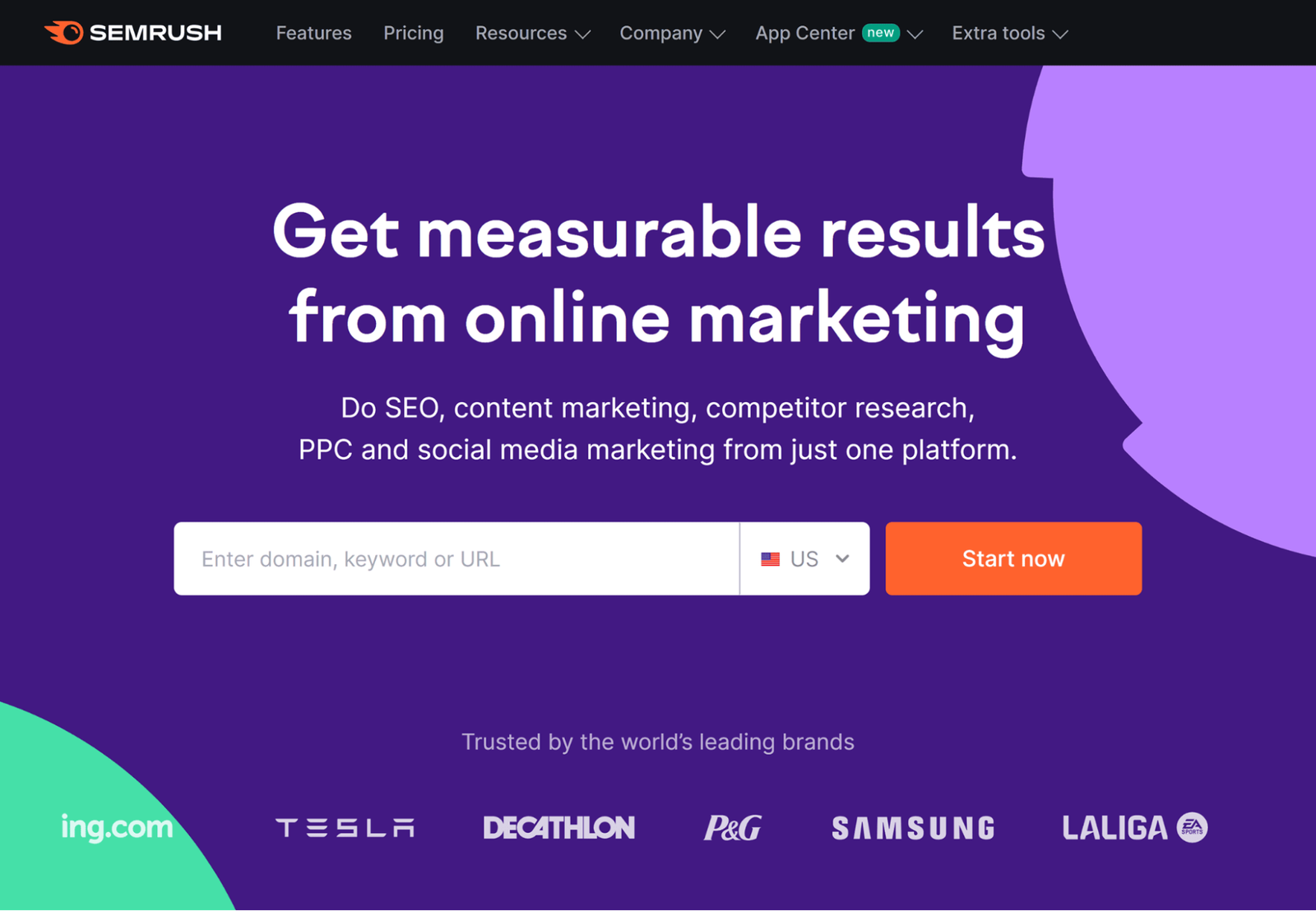
SEMrush
Monitor website activity, keyword spikes, and industry-specific search terms.
Exploding Topics
Find trends before they peak by analyzing search and content growth.
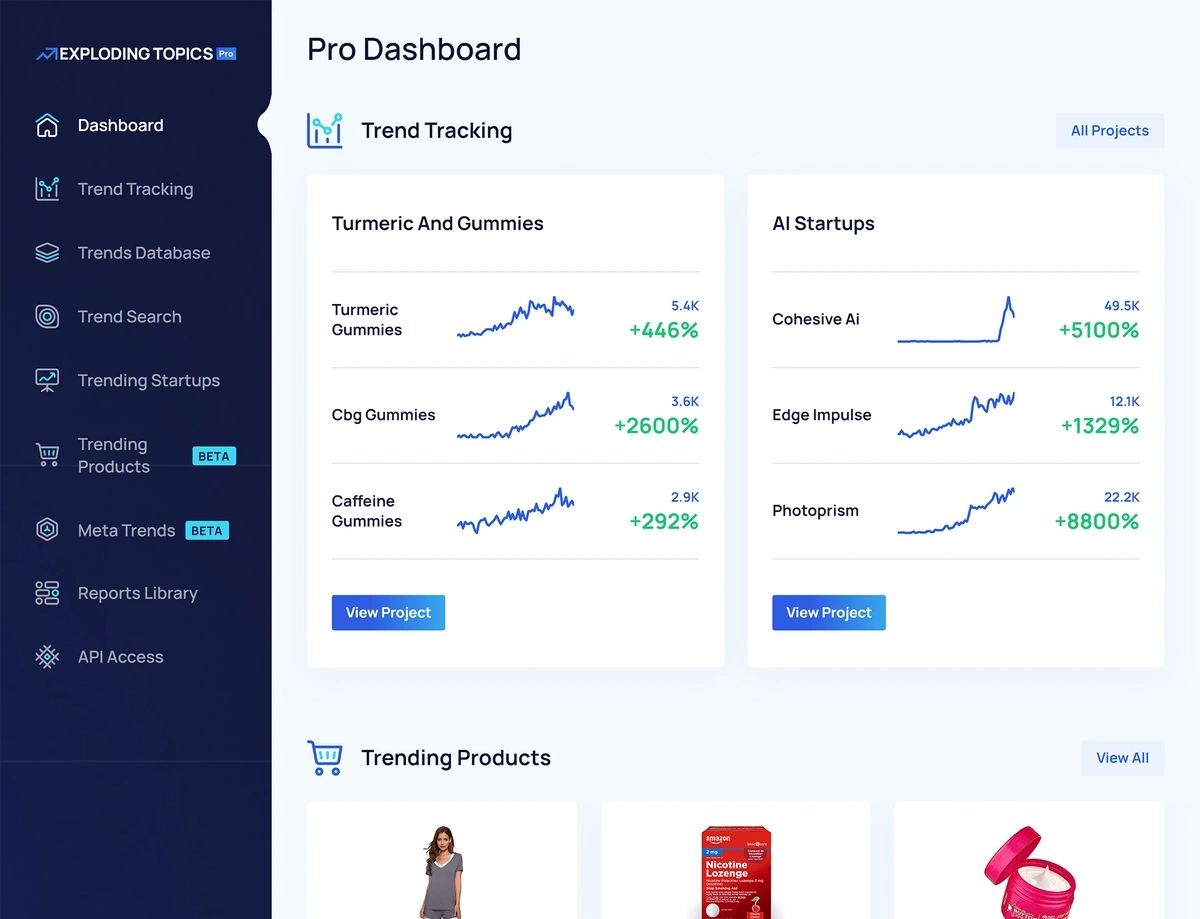
Use these tools in combination. If a keyword spikes in Google Trends and also appears in Exploding Topics, it’s likely worth investing in.
Pay Attention To Social Media Sites
Social platforms are often the birthplace of viral trends. TikTok, Instagram Reels, and X (Twitter) move faster than traditional media.
- Track trending hashtags and soundtracks.
- Monitor what influencers are pushing.
- Observe engagement rates: not just views.
Stat: TikTok trends peak 3 – 4 times faster than trends on Instagram or YouTube. (Hootsuite, 2024)
Track Website Activity with SEMrush
SEMrush helps you track search volumes, competitor strategies, and traffic patterns.
- Identify keywords that are losing search volume month after month.
- Compare competitor performance: are they shifting focus?
- Analyze backlinks: fewer mentions mean waning interest.
If a keyword shows a sharp spike followed by a steep decline, it’s a fad rather than a sustainable trend.
Use Subreddits To Your Advantage
Reddit is a goldmine for early and dying trends. Communities often discuss trends months before they become mainstream.
- Join subreddits related to your niche.
- Observe “rising posts”. They indicate fresh conversations.
- Notice when interest dies. If discussions about a trend are replaced by newer topics, that’s a sign of decline.
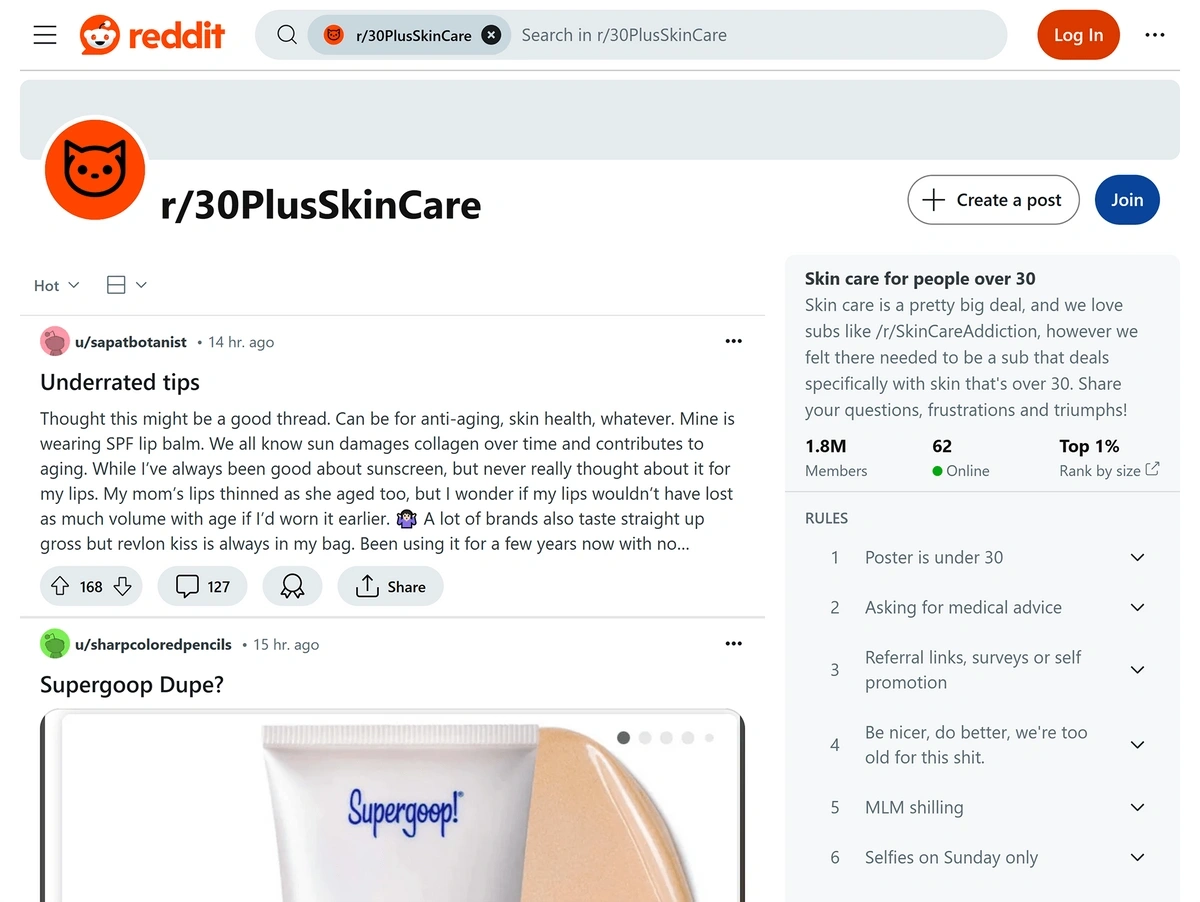
Right away, r/30PlusSkinCare and r/SkincareAddiction were some of the first to appear. On the surface, r/30PlusSkinCare seems like it would be a small, niche community. But there are 1.4 million members and nearly a dozen new posts per day. By mid-2022, discussions had sharply declined, signaling the trend’s fading momentum.
Use Google Trends To Validate Trends
Google Trends shows whether interest is rising, peaking, or falling.
- Look for long-term upward curves (sustainable trends).
- Avoid investing in short spikes with steep declines (dying fads).
- Compare multiple keywords. It gives perspective on consumer shifts.
A consistent downward trend over 3–6 months is a strong indicator of a fading trend.
3 Real-World Examples of a Dying Trend
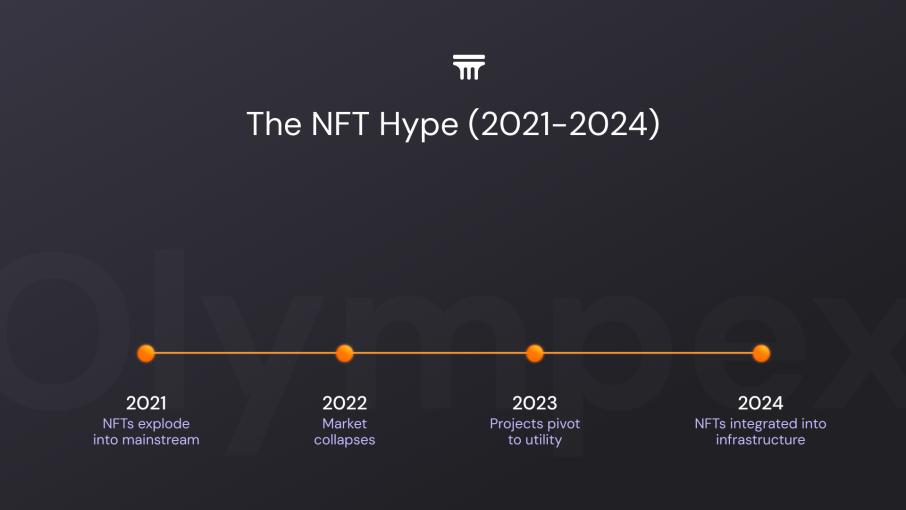
NFTs & Crypto Hype (2021–2024)
Sales of NFTs dropped by over 90% in mid-2022 as consumer excitement declined.
Clubhouse (2020–2022)
Once valued at $4 billion, downloads fell dramatically when competitors copied its audio feature.
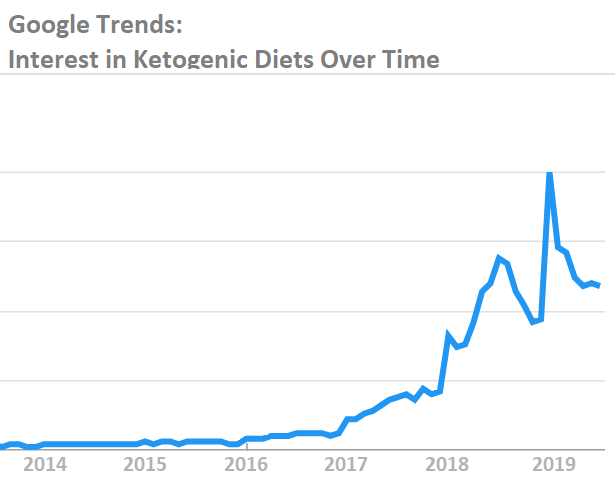
Diet Fads like Keto (Peak 2019)
Google searches for “Keto diet” fell by over 70% since 2020, showing a shift to more sustainable diet plans.
Lesson: If adoption is fast but decline is faster, the trend is short-lived.
5 Easy Ways to Spot Trends (Before It’s Too Late)
By the time a trend hits the mainstream, it’s often already declining. Here’s how you can stay ahead:
Read Widely
Follow tech, lifestyle, and cultural publications beyond your industry. Cross-industry awareness sparks new insights.
Listen to Thought Leaders
Attend webinars, conferences, and podcasts where early adopters share what’s next.
Engage With Communities
Volunteering or networking lets you hear real conversations outside social media bubbles.
Ask Your Customers
Direct feedback reveals evolving preferences before they show up in market reports.
Stay Alert Daily
Treat trendspotting as an everyday practice. If a topic surfaces multiple times in a week, pay attention.
Use AI-based tools like Exploding Topics or Trend Hunter to automate part of your research.
The Risk of Chasing Fads in 2026
Businesses that chase fads risk wasted investments. A McKinsey report notes that companies that fail to adapt lose up to 30% of revenue compared to early movers.
Future-Proofing Your Marketing Strategy
Instead of chasing every new hype, focus on sustainable, evergreen trends like AI adoption, personalization, and sustainability. These trends evolve but rarely disappear overnight.
Final Words: Next, Build Your Marketing Strategy
Trends are like waves, some rise steadily, others crash quickly. The businesses that win in 2026 will be those that spot the signals early, adapt quickly, and avoid wasting resources on fads that are already fading.
By the time a trend is “viral,” it’s usually already dying. If you want to stay ahead, you must sharpen your trendspotting skills today.
Your next step: Start tracking trends in your niche using the tools and strategies above. Don’t just ride waves, position your business to lead the next one.
If you’re serious about future-proofing your marketing strategy, subscribe to our newsletter for weekly insights and trend breakdowns. The faster you learn to separate hype from sustainability, the stronger your competitive edge will be.
Check out our latest blog on: The Rise of “AI Influencers”: What it means for Marketing
FAQs
How to spot trends before they happen?
By monitoring niche communities, reading industry reports, and using trend analysis tools like Google Trends and Exploding Topics.
How to tell when a trend is ending?
Look for declining engagement, negative sentiment, and falling search interest.
How long do viral trends last?
On average, viral social trends last 3–6 months, while sustainable business trends last years.
How do I know if a trend is losing strength?
Check for declining website traffic, search interest, and competitor pullback.
What are early signs of market fads?
Sudden sharp spikes in popularity without a strong foundation in consumer needs.
Should small businesses avoid all short-term trends?
Not necessarily! But balance them with long-term strategies to avoid dependency.
What tools help track dying trends?
SEMrush, Google Trends, BuzzSumo, and Reddit communities.
Can dying trends ever make a comeback?
Yes. Some (like vinyl records) revive due to nostalgia or cultural shifts.