What if your weekend hobby turned into a $1K/month business?
In 2026, it’s not only possible! It’s easier than ever. Over 62% of million-dollar startups began as side hustles. You don’t need funding, an office, or a formal business plan to get started.
This blog gives you 5 startup ideas you can launch this weekend, plus actionable steps, tools, and tips to make real progress fast.
How Do You Determine the Best Startup Idea in 2026?
Choosing the right startup idea in today’s fast-evolving market requires strategy, self-awareness, and some research.
Here are key factors to determine the best fit for you:
- Passion and Skills Alignment: Startups succeed when founders genuinely care about the product or service. Pick something you’re passionate about and skilled at.
- Market Demand Validation: Use tools like Google Trends, Reddit discussions, and keyword research to validate that people need your solution.
- Problem-Solution Fit: The best ideas solve a clear, painful problem. Ask yourself: “What inconvenience can I eliminate?”
- Ease of Execution: Can you launch it without needing a large team, tech expertise, or heavy investment?
- Trends and Future Proofing: Align your idea with growing sectors like AI, green energy, remote services, or health and wellness to future-proof your small business in 2026.
When these elements come together, you’ll find a startup idea with real earning potential and long-term scalability.
What Are the Most Successful Startups in 2026?
Successful startups in 2026 are those that:
- Explore technology to simplify processes
- Focus on sustainability and eco-conscious consumers
- Prioritize personalization and customer experience
- Operate digitally and remotely to reduce overhead costs
Some of the most profitable sectors this year include:
- AI-based services (automation consulting, content creation)
- Health and wellness coaching
- Eco-friendly product startups
- Remote learning and skill-based courses
- Niche eCommerce and subscription models
According to Forbes, startups that integrate AI technology and address remote working needs are outperforming traditional models, making them top startups for ambitious entrepreneurs.
How Can a Beginner Start Their Own Small Business With No Money?
Launching a small business setup without upfront capital is not only possible — it’s practical in 2025. Here’s how:
- Utilize Free and Low-Cost Tools: From website builders like WordPress to free design tools like Canva, you can build a brand presence with minimal expense.
- Service-Based Startups First: Start by offering services like virtual assistance, consulting, or coaching that require only your skills—not inventory.
- Bootstrap and Reinvest: Instead of seeking outside funding immediately, use early revenue to reinvest in growing your business organically.
- Network Online: Build genuine relationships on LinkedIn, Twitter, and industry forums where your potential clients are already active.
- Pre-Sell or Crowdfund: Validate your idea by pre-selling your service or product through platforms like Kickstarter, Indiegogo, or even directly to your audience.
Remember: Every top startup you admire today started small, with creativity, not capital.
What Makes for a Good Work-from-Home Startup Idea?
A good work-from-home startup has several essential traits:
- Low startup costs: You can operate without renting office space.
- Strong online demand: Customers should be easy to find online.
- Digital delivery: Products or services can be delivered via email, video, or shipping.
- Flexible work hours: You can scale based on your availability.
Remote-first businesses thrive in 2026 because global customers expect digital solutions. Great examples include online coaching, consulting, eCommerce, freelance services, and content creation studios.
Qualities of a Good Startup Idea
Before you rush into launching, check if your idea has these winning qualities:
- Clear Value Proposition: Can you describe your product’s value in 10 seconds?
- Strong Differentiator: What makes you different from competitors?
- Scalability Potential: Can this idea grow beyond your initial customer base?
- Sustainable Profit Margins: Will you be profitable after paying basic expenses?
- Alignment with Your Strengths: Are you confident delivering the service/product yourself at first?
Top startup ideas in 2026 are the ones that meet customer needs while aligning with your personal passion and market gaps.
5 Business Startup Ideas to Consider
Let’s dive deep into five highly practical, profitable, and low-barrier startup ideas you can start this weekend:
1. AI Content Creation Agency
What it is: An agency that provides AI-assisted content for blogs, social media, emails, and websites.
Why it’s great:
With businesses craving more content but having less time, AI-generated writing with human editing is a booming market.
How to start:
- Learn to use tools like ChatGPT, Jasper AI, or Copy.ai.
- Offer blog writing, social post creation, ad copywriting, and even eBooks.
- Build a simple website showcasing sample works and testimonials.
Extra Tip: Bundle AI content services with SEO optimization for higher pricing!
2. Remote Coaching and Consulting

What it is: Offering professional coaching or consulting in a specific area (business, marketing, career, fitness, mental health).
Why it’s great:
As remote work normalizes, people seek virtual mentorship more than ever.
How to start:
- Choose your niche based on your expertise.
- Create a basic package (example: 4 sessions/month for $300).
- Offer free workshops or webinars to attract early clients.
Extra Tip: Use platforms like Zoom, Calendly, and Kajabi to manage bookings and sessions easily.
3. Eco-Friendly Dropshipping Store
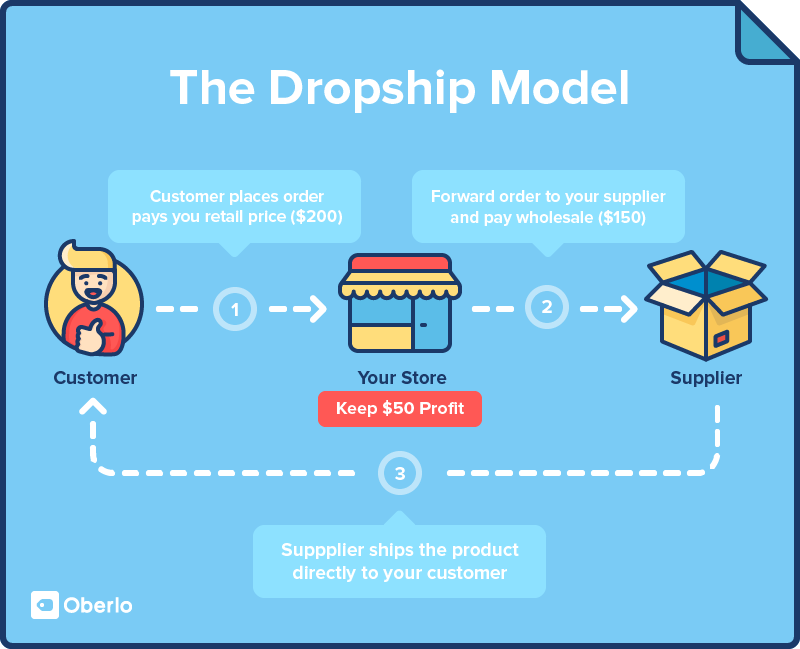
What it is: An eCommerce store selling eco-conscious, sustainable products without holding inventory.
Why it’s great:
Environmental concerns are rising; people prefer brands that align with their values.
How to start:
- Find eco-products suppliers through dropshipping platforms like Spocket or Oberlo.
- Create a Shopify or WooCommerce store with a clear green mission.
- Run micro-influencer campaigns on Instagram or TikTok to build awareness.
Extra Tip: Highlight sustainability certifications like “organic,” “vegan,” or “biodegradable” to stand out!
4. Freelance Virtual Assistant Business
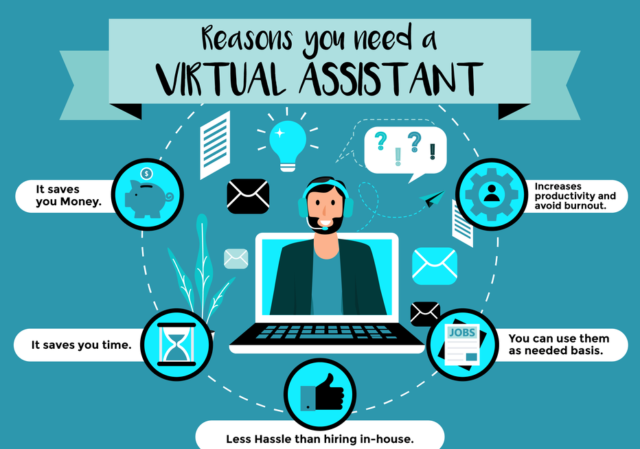
What it is: Offering administrative, email management, calendar scheduling, customer support, or social media management services remotely.
Why it’s great:
Every startup and entrepreneur needs help, but most can’t afford full-time staff.
How to start:
- Define clear service offerings (e.g., “Inbox Zero management,” “Social Media Posting Packages”).
- Market on freelance websites (Upwork, Freelancer) and LinkedIn.
- Start solo, then eventually build a small team under your brand.
Extra Tip: Specializing in a niche (e.g., real estate VAs, eCommerce VAs) helps you charge more.
5. Subscription Box Curator
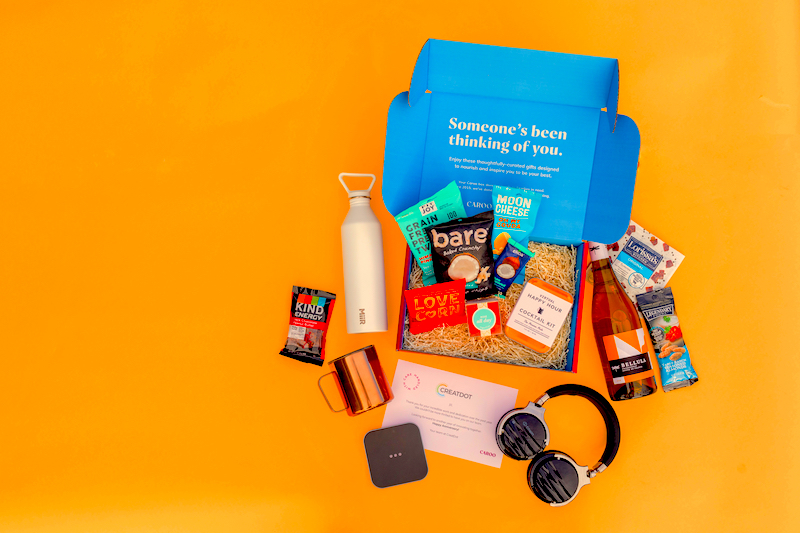
What it is: A curated box of niche products delivered monthly to customers.
Why it’s great:
Subscription models mean recurring revenue, a dream for any entrepreneur.
How to start:
- Pick a niche you love (like pet products, healthy snacks, self-care essentials).
- Find wholesale suppliers willing to work with small businesses.
- Build a Shopify store and offer monthly, quarterly, or annual subscription options.
Extra Tip: Offer exclusive goodies, limited editions, or surprises to increase retention rates!
How to Get Started?
Feeling inspired? Here’s how to take action TODAY:
- Decide Your Startup Idea: Pick one you feel most excited about.
- Research Your Market: Check competitors, potential customers, and pricing.
- Set Up Basic Tools: A website (Wix, WordPress), payment processing (Stripe, PayPal), and a booking form or product page.
- Create a Launch Plan: Set simple goals (ex: 10 clients or $1000 revenue in 30 days).
- Start Promoting: Use social media, freelancing sites, or email outreach.
- Iterate and Improve: Collect feedback early and adapt your services/products.
Launching your small business ideas as startups is not about perfection, it’s about momentum!
Conclusion: Got Your Business Idea?
Success doesn’t wait for the “perfect moment”, and neither should you. The world of startups in 2026 is thriving, dynamic, and ready for action-takers like you. Whether you’re passionate about sustainability, AI marketing, or content services, there’s never been a better time to start. Even a small step today can snowball into a thriving business tomorrow.
Remember, launching a small business setup is not about having the biggest budget or the fanciest tools, it’s about taking consistent action.
So, choose your idea, set up your plan, and make 2026 the year you finally bring your entrepreneurial dreams to life!
Your ‘someday’ is now.
Pick one idea. Take one small action. Buy a domain, DM a potential client, or set up your store.
You’re one weekend away from your first $1K/month. Let’s build it.
Your future self will thank you for starting today. Let’s go!
FAQs
1. What are the best startup ideas in 2026 for beginners?
Virtual assistance, content creation, and remote coaching are great for beginners.
2. Can I start a business without a formal degree?
Absolutely! Skills, passion, and persistence matter more than degrees in most startup fields.
3. Which startups have low investment requirements?
Freelance services, digital consulting, and drop-shipping businesses are ideal low-cost startups.
4. How profitable is content marketing in 2026?
Very! Content marketing remains a core strategy for brand growth, driving high ROI for businesses.
5. What industries are booming for startups in 2026?
AI services, sustainable products, health and wellness, and online education are booming.
6. Can I really start this as a side hustle?
Yes! Many successful entrepreneurs started their businesses as side hustles.
7. How quickly can I earn money from these ideas?
Depending on the model, some startups see profits within 3-6 months, while others may take a year.
8. Do I need a team to get started?
No, solopreneurship is very common in 2026. Outsource tasks when necessary.
9. What mistakes should first-time entrepreneurs avoid?
Avoid perfectionism, over-investing early, and ignoring customer feedback.