
Memes are no longer just for laughs. They’ve evolved into one of the most powerful marketing tools of the digital era. In 2026, memes have become the universal language of the internet, capable of connecting brands and audiences faster than any ad campaign ever could.
According to HubSpot, over 74% of social media users engage with meme content weekly, and brands that use humor in marketing see a 67% higher engagement rate compared to traditional posts. The reason is simple: memes feel authentic. They’re relatable, fast-moving, and emotionally charged, exactly what today’s algorithms love.
If you’re a small business, creator, or brand looking to grow organically, it’s time to take memes seriously. Let’s break down how you can turn this lighthearted content into a serious growth engine.
What Is Meme Marketing?
Meme marketing is the art of using trending or original meme content to communicate your brand’s message in a relatable, humorous, and shareable way. It’s not about selling, it’s about connecting.
Unlike traditional advertising, meme marketing relies on community culture. It thrives on shared experiences, internet humor, and the ability to make people stop scrolling. When done right, memes can turn passive followers into active brand advocates.
Bonus Tip: Memes work best when they blend your brand voice with the audience’s sense of humor. Avoid over-branding or making them feel like ads. Your audience should laugh first, realize later that it’s from you.
Why Memes Work So Well For Businesses
Memes succeed because they tap into psychology; emotion, recognition, and belonging.
They’re quick to consume, emotionally rewarding, and easy to share. In an age where attention spans average just 8 seconds, memes give your brand the power to communicate instantly.
Here’s why they’re so effective:
- They make your content human.
- They bypass ad fatigue and deliver instant relatability.
- They’re built for the algorithm.Quick engagement signals boost visibility.
- They create emotional touchpoints that drive loyalty and brand recall.
In short, memes don’t just make people laugh. They make them remember you.
How To Use Memes In Your Marketing Strategy
Integrating memes into your business strategy isn’t about being random. It’s about being intentional. Here’s how to do it right:
1. Know Your Audience’s Humor
Your meme strategy should reflect your audience’s language, values, and culture. Gen Z might love absurd, ironic humor, while millennials prefer nostalgia-driven references.
Start by studying what your audience shares, likes, or laughs at and mirror that tone in your content.
Bonus Tip: Tools like Know Your Meme or Trends.co help track viral meme trends before they peak.
2. Blend Humor With Your Brand Voice
The most successful meme marketing doesn’t feel like marketing. Whether you’re in SaaS, fashion, or real estate, humor humanizes your brand.
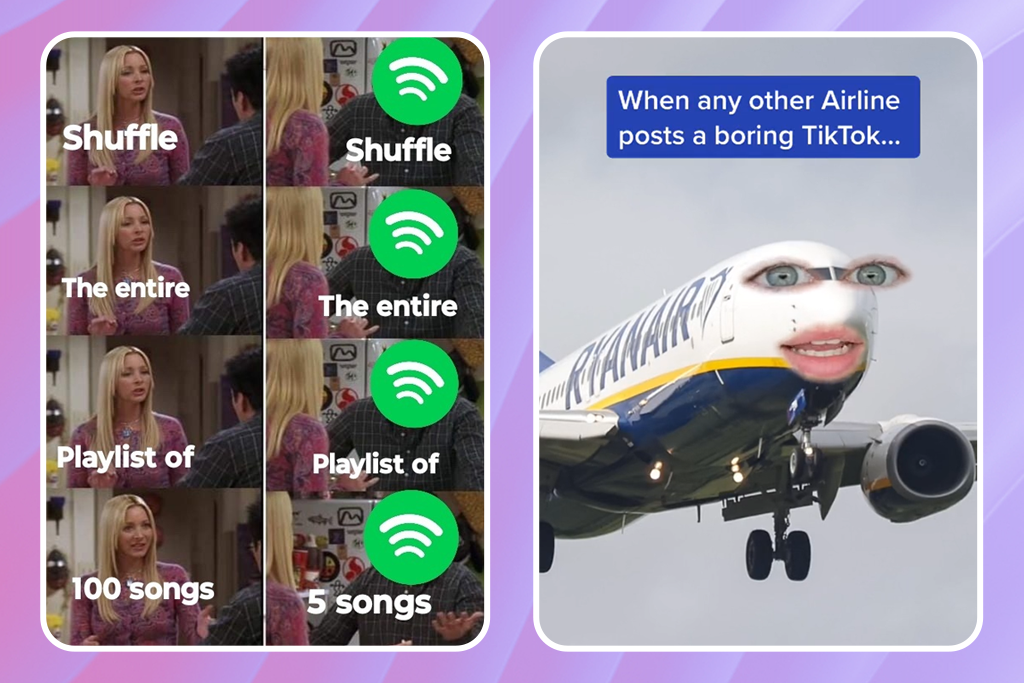
For instance, brands like Ryanair and Duolingo mastered sarcastic humor to make their accounts instantly recognizable. Their memes don’t just entertain, they reinforce brand personality.
3. Ride Trends, But Add Your Twist
Timing is everything. Use trending formats, but always tie them back to your brand story or niche. For example, if there’s a trending meme about “delays,” a project management app can use it to highlight productivity solutions.
It’s not about copying. It’s about remixing culture through your lens.
4. Keep It Authentic And Conversational
Audiences can tell when you’re trying too hard. Stay natural, funny, and avoid corporate tone. Use memes to spark conversations, not just reactions. Reply to comments in a witty way. That’s where engagement skyrockets.
Pro Insight: Memes are two-way content. Use them to build community conversations, not just broadcast messages.
5. Balance Fun With Relevance
Not every meme will fit your brand and that’s okay. Stick to humor that complements your mission and audience values. Always consider cultural sensitivity and tone before posting.
Key Point: The best meme marketing feels effortless but carries purpose.
The Psychology Behind Meme Virality
Ever wonder why certain memes explode online while others fade in hours? It’s not luck, it’s psychology.
Memes tap into shared emotions (humor, frustration, pride, nostalgia). They allow users to express feelings they can’t easily put into words. When your meme hits that nerve, it spreads.
- Emotional Contagion: People share content that mirrors their mood or makes them feel understood.
- Identity Expression: Memes act as digital “badges”. They show belonging to a tribe or community.
- Cognitive Ease: Memes are easy to digest, and our brains love simple, familiar formats.
When your meme aligns with what people are already thinking or feeling, you’re not just marketing. You’re joining a conversation already happening in their minds.
Memes and the Algorithm: A Perfect Match
Social platforms are designed to reward engagement, and memes drive exactly that likes, comments, shares, and saves.
On Instagram and TikTok, the algorithm prioritizes posts that get engagement quickly within the first few hours. Memes, being highly shareable, boost that early activity giving your content a better chance to go viral.
Here’s what happens when you post a meme:
- It sparks emotional reaction (humor, relatability, surprise).
- Viewers engage instantly, like, share, or tag friends.
- The algorithm detects high engagement → pushes it to more users.
That’s organic reach without spending a single dollar.
Building Brand Personality With Memes
Memes allow you to shape your brand identity beyond products and services. You become a voice your audience wants to hear.
For example:
- A finance startup can use witty memes to simplify money management.
- A health brand can use humor to talk about fitness struggles.
- A SaaS brand can make fun of productivity chaos in relatable ways.
It’s all about emotional positioning showing your audience that you “get” them.
When your memes reflect their daily frustrations or joys, your brand stops being “a company” and becomes “one of us.”
Creating a Meme Workflow for Your Business
Yes, memes can (and should) be systemized like any other content type. Here’s a simple 4-step workflow to keep your meme game consistent:
- Trend Spotting: Track viral formats weekly using Reddit, TikTok, or Twitter.
- Content Remixing: Adapt trending templates to your niche or pain point.
- Testing & Timing: Post when your audience is most active; monitor reactions.
- Iteration: Repurpose your best-performing memes with new angles or captions.
Pro Tip: Keep a “Meme Bank”, a shared folder of templates, ideas, and captions ready to go when trends break.
Real-World Examples
Before we dive into real-world examples, let’s see how global brands have leveraged memes to dominate online. These aren’t random jokes. They’re strategic, data-backed moves that turned humor into growth.
Case Study 1: Ryanair – Humor That Converts
Ryanair, a budget airline known for its sass, turned memes into a full-blown engagement strategy.
Instead of polished graphics, they post lo-fi memes, poking fun at travel struggles, customer expectations, and even themselves. Their “self-roast” humor style made their account go viral, leading to millions of interactions per month.
Result: Ryanair achieved over 900% engagement growth in less than a year and became one of the most talked-about brands on Twitter and TikTok.
Case Study 2: Duolingo – The Meme Mascot Strategy
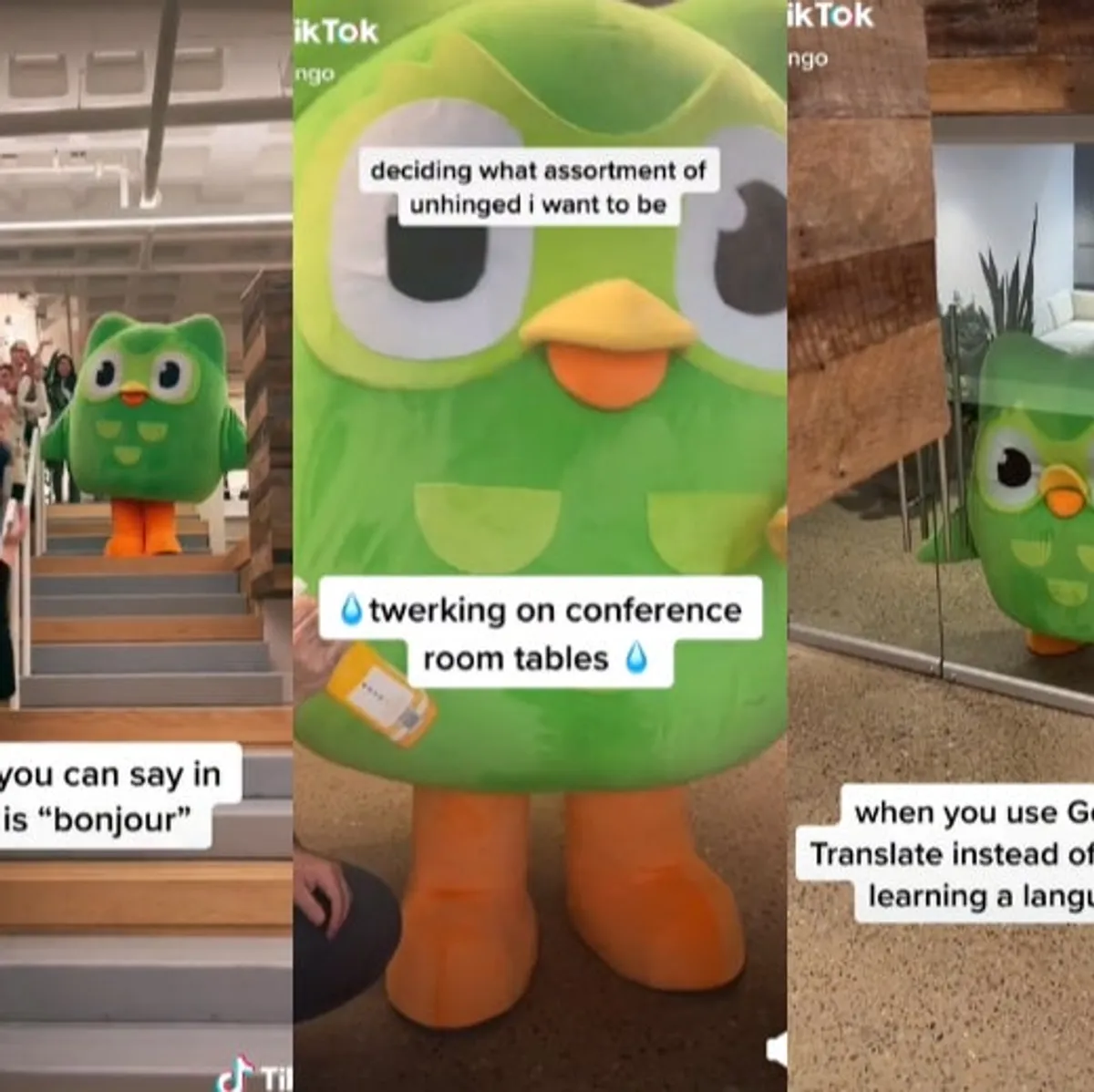
Duolingo transformed its green owl mascot into a meme powerhouse. The brand’s TikTok and X accounts use humor, chaos, and pop culture references to connect with audiences.
Instead of product promotion, their content leans on personality. Funny, unpredictable, and highly relatable.
The result? Millions of organic views and a devoted fanbase that treats the mascot like a celebrity.
Duolingo’s meme-led content increased app installs by 43% YoY in 2024, all without traditional ad spend.
Common Mistakes To Avoid
Even though memes look effortless, there are pitfalls:
- Forcing trends that don’t fit your niche.
- Overusing branding or product plugs.
- Ignoring audience context or sensitivity.
- Posting outdated memes (timing kills humor).
Bonus Tip: Memes move fast, what’s funny today might be stale next week. Consistency and relevance are everything.
The ROI Of Meme Marketing
Meme marketing offers massive ROI with minimal cost. While traditional ads require big budgets, memes only demand creativity, timing, and a solid understanding of your audience.
According to SocialMediaToday, brands using memes see engagement rates 3x higher than traditional ads, while cost-per-engagement drops by over 60%.
That’s serious business growth, powered by laughter.
Final Thoughts: Make Them Laugh, Make Them Remember
Memes are modern-day storytelling tools, fast, emotional, and viral by nature. They turn attention into community and followers into fans.
If you’re ready to grow your brand authentically in 2026, don’t wait for perfect campaign. Start creating, experimenting, and sharing today.
Memes break barriers, spark emotions, and make brands unforgettable.
At Digibble, we help brands turn creativity into visibility.
From strategy to execution, we know how to make your content trend, not just blend.
Let’s make your brand the next viral success story.
FAQs
Can any business use memes for marketing?
Yes, but tailor humor to your audience and niche. B2B brands can still use clever, relatable memes.
Do memes actually convert?
Yes. Memes increase brand awareness, engagement, and trust which indirectly boost conversions.
How often should I post memes?
Consistency matters more than frequency. 2–3 per week works best for most brands.
What tools can I use to make memes?
Canva, Imgflip, and Kapwing are great for creating and customizing meme templates.
Should memes replace traditional marketing?
No. They should complement your strategy. Memes attract attention, but storytelling keeps it.
How do I know if a meme will work?
Test reactions on smaller audiences or stories before posting to your main feed.
Can memes damage a brand’s image?
Only if used insensitively. Keep humor light, inclusive, and respectful.
What platforms are best for meme marketing?
Instagram, TikTok, X, and LinkedIn (yes, even LinkedIn!) all work. Adapt your tone for each.