
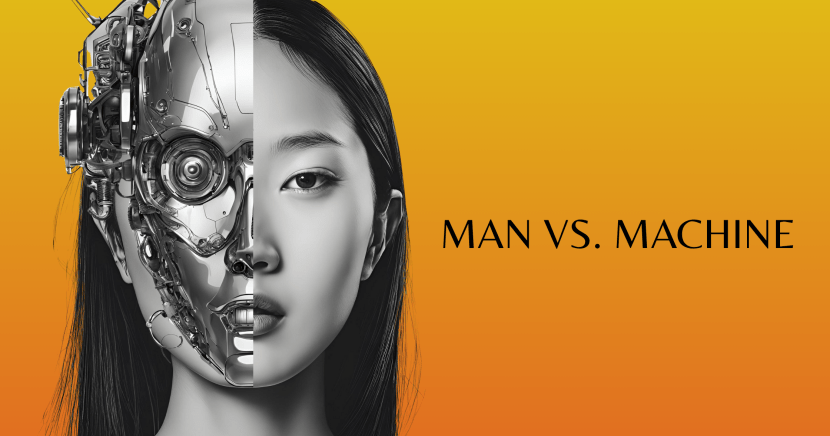
In 2026, marketing is no longer just about people posting selfies or sharing their lifestyle online. The digital landscape has shifted, AI influencers are rapidly becoming the new faces of brands. These computer-generated personalities, powered by artificial intelligence and CGI technology, are reshaping how businesses connect with audiences.
According to Grand View Research, the global influencer marketing market size was valued at $21.1 billion in 2023 and is projected to expand at a CAGR of 32.5% from 2024 to 2030. Within this fast-growing sector, AI influencers are expected to take a $6.06 billion share by 2024, with annual growth projected to exceed 40%.
Why? Because AI influencers never get tired, never post off-brand content, and can be customized to perfectly match brand storytelling. They blur the line between reality and synthetic media, and audiences are engaging with them just like they would with real creators.
Example:
- Lil Miquela, a digital influencer created in 2016, has over 2.6 million Instagram followers and has collaborated with brands like Prada and Calvin Klein.
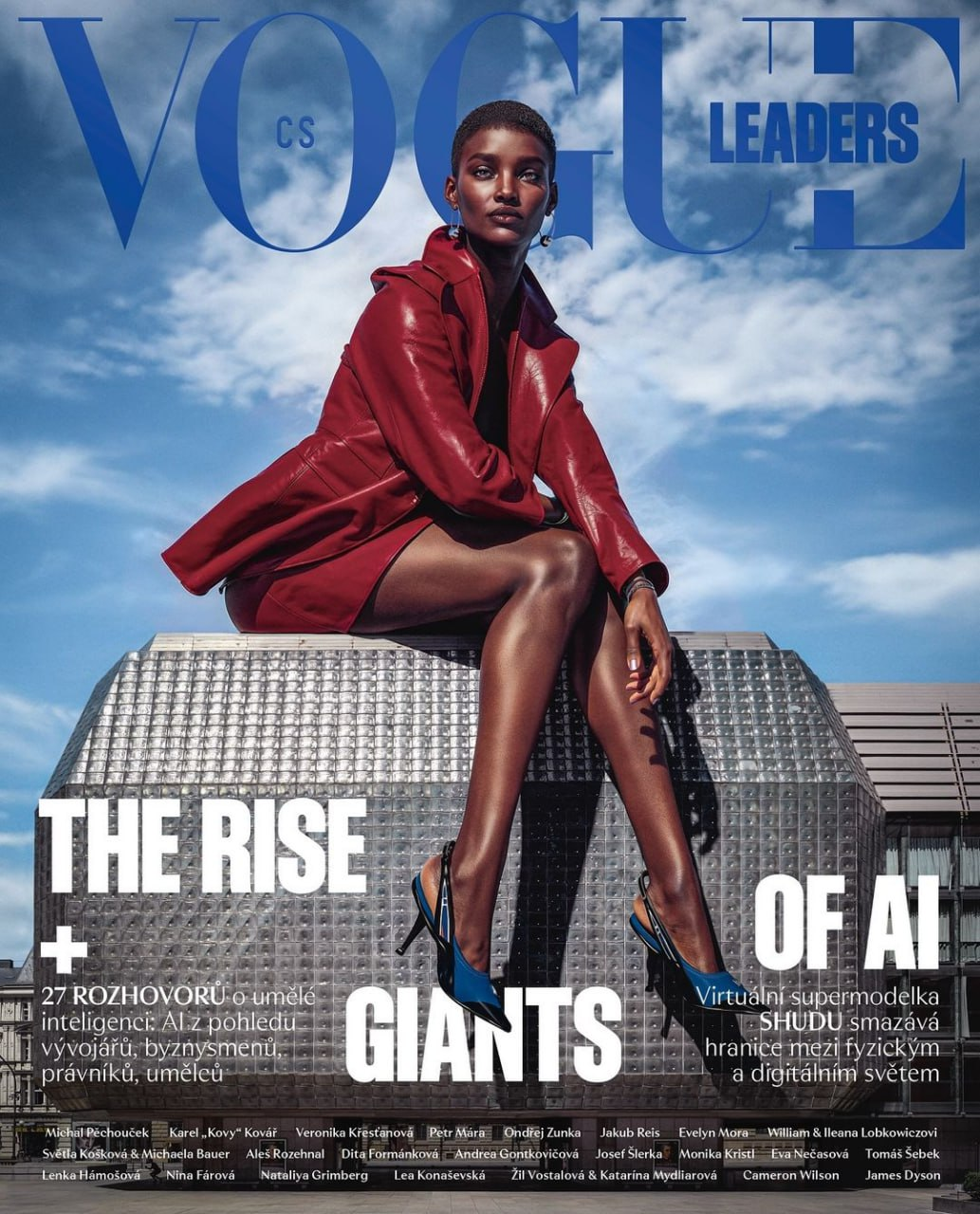
- Shudu, considered the world’s first digital supermodel, has worked with high-fashion houses such as Balmain.
This rise of AI-driven personalities represents both opportunity and challenge for marketers, and in this blog, we’ll break down what it means for brands in 2026.
What is an AI Influencer?
An AI influencer is a computer-generated persona created using artificial intelligence, CGI (computer-generated imagery), and machine learning. Unlike traditional influencers, they are not real people, but digital avatars designed to look, sound, and act human.
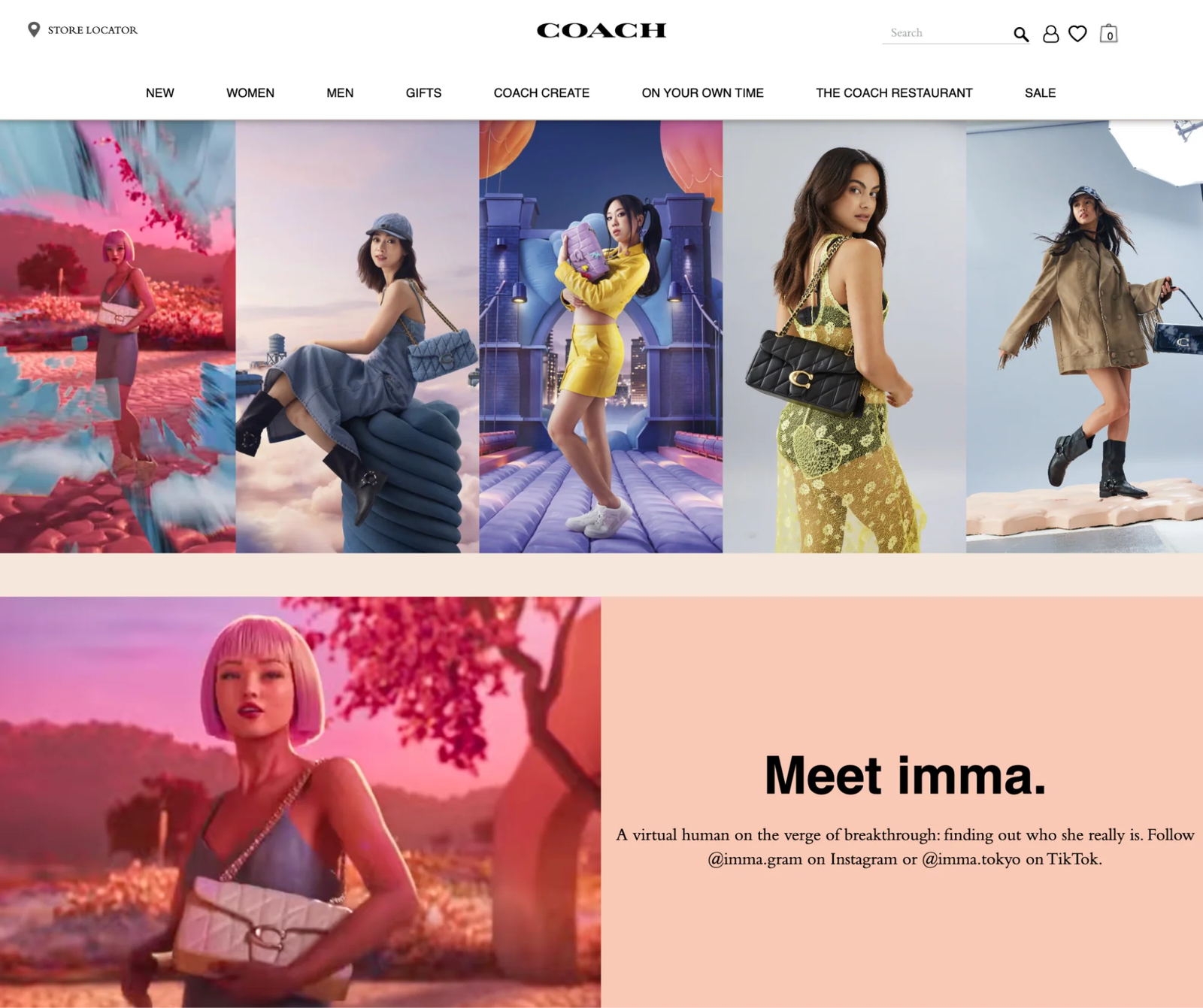
They can be programmed to share photos, videos, brand endorsements, and even interactive conversations with followers. Some are designed to look hyper-realistic, while others lean toward stylized or futuristic aesthetics.
Brands often create AI influencers with specific backstories, personalities, and values to resonate with their target audience. This ensures followers feel like they’re engaging with a real person, even though the influencer is AI-powered.
The Growing AI Influencer Market
The AI influencer market is growing at a record pace. In 2024, it was valued at $6.06 billion, and experts project an annual growth rate of over 40%.
Why it’s growing:
- AI influencers can work around the clock, never aging or getting tired.
- They maintain consistent messaging and brand values.
- They appeal to niche communities while still scaling globally.
Examples of Niche Targeting:
- Shudu appeals to high-fashion fans, her polished look aligning with luxury fashion houses.
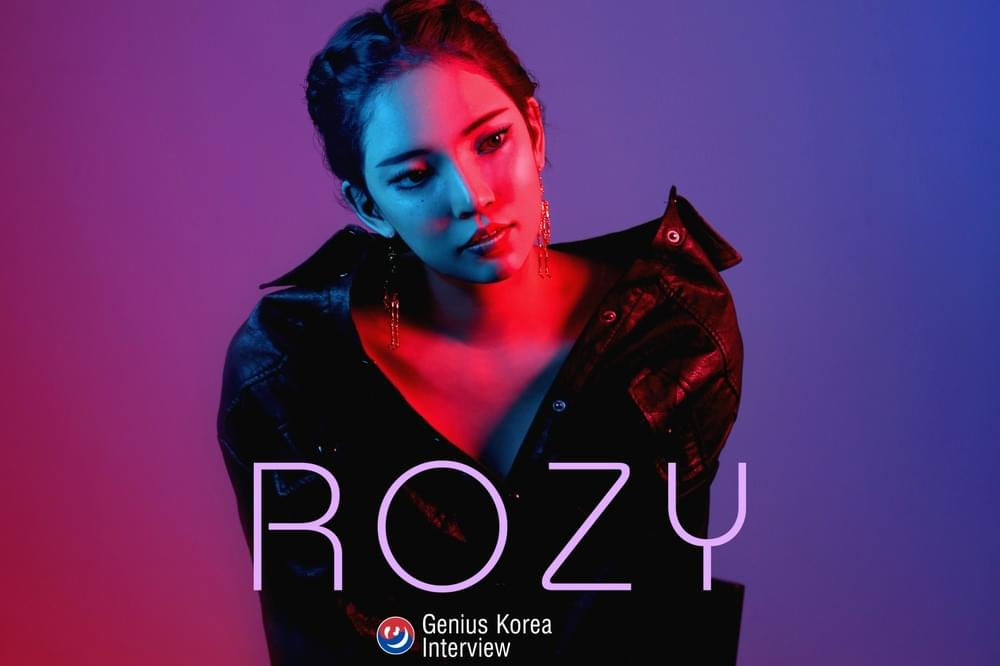
- Rozy, a South Korean AI influencer, focuses on sustainability in fashion and lifestyle trends, resonating with eco-conscious brands.
Brands are increasingly exploring hybrid strategies, using AI influencers alongside human micro-influencers for authentic engagement. This blend helps balance trust and innovation in campaigns.
Using AI Influencers as a Brand’s ‘Face’ Must Be Done Thoughtfully
While AI influencers are powerful, they come with ethical and strategic considerations:
- Authenticity: Consumers value transparency. If they realize they’re interacting with AI unknowingly, it may harm trust.
- Cultural Sensitivity: AI personalities must be carefully designed to avoid stereotypes or misrepresentation.
- Balance: AI influencers should enhance, not replace, human voices in campaigns.
Brands that succeed with AI influencers are those that communicate openly, letting their audience know when a personality is AI-generated. Transparency builds consumer trust, even in synthetic media marketing.
Key Features of AI Influencers
AI influencers often share these defining features:
Hyper-Realistic Visuals
Advanced CGI makes them nearly indistinguishable from real people.
Programmable Personality
Brands control tone, humor, and values.
Data-Driven Content
They’re powered by algorithms to post content that resonates most with audiences.
Consistency
Unlike human influencers, AI never goes off-brand.
Scalability
They can appear in multiple campaigns, languages, and regions simultaneously.
Bonus Tip:
AI influencers can be integrated with chatbots or AI assistants, allowing audiences to have two-way conversations, increasing engagement and brand connection.
How AI Influencers Are Created and Operate
AI influencers are developed using:
- CGI software for 3D modeling and animation.
- AI-powered tools for personality creation, voice synthesis, and behavior modeling.
- Content strategies built by marketers and creative teams.
Once designed, AI influencers “live” on social media platforms. Their posts are carefully scripted but designed to look spontaneous. AI tools can analyze follower data, predict trends, and suggest the best posting schedules.
Example:
Brands use synthetic voices and AI text generators to let AI influencers comment on trending topics in real time, keeping them relevant.
Benefits and Key Risks of Including an AI Influencer in Your Marketing Campaigns
Benefits:
Cost-Efficient
No travel, shoots, or accommodation costs.
Always Available
They never take breaks or fall sick.
Scalable Global Reach
They can speak multiple languages with AI translation.
Brand Control
Every piece of content aligns perfectly with brand values.
Key Risks:
Authenticity Concerns
Some audiences prefer real human influencers they can relate to.
Ethical Challenges
Issues around representation, cultural sensitivity, and deepfake misuse.
Consumer Trust
Overuse may feel artificial, risking audience disengagement.
Initial Investment
Developing a hyper-realistic AI influencer can cost tens of thousands of dollars upfront.
The best approach is a hybrid strategy, using AI influencers for scale and control, while maintaining human influencers for emotional connection.
Impact on Influencer Marketing
AI influencers are transforming the industry:
- They make brand collaborations faster and cheaper.
- They allow brands to experiment with futuristic storytelling.
- They raise questions about the role of human influencers in the future.
According to Business Insider, over 60% of marketers in 2025 plan to integrate AI influencers into their strategies. However, most will continue using human micro-influencers to maintain authenticity.
Noteworthy AI Influencers in the Marketing Industry
1. Lil Miquela
With 2.6M Instagram followers, she collaborates with Calvin Klein, Prada, and Samsung. She’s known for her social activism campaigns.

2. Shudu
Dubbed the world’s first digital supermodel, she represents luxury fashion brands and was created by The Diigitals.
3. Rozy (South Korea)
Focused on sustainability, Rozy has collaborated with over 100 brands in lifestyle, beauty, and eco-fashion.
4. Noonoouri
A virtual influencer with 400K+ Instagram followers, known for her cartoon-inspired look and partnerships with Gucci, Dior, and Versace.

5. Imma (Japan)
A hyper-realistic AI influencer with 400K+ followers, known for her collaborations with Amazon and Ikea Japan.

Each of these influencers shows how AI personalities are carefully tailored to appeal to specific demographics, fashion, sustainability, activism, or tech-savvy youth.
Conclusion: AI Influencers: A New Marketing Frontier
AI influencers are not just a passing trend, they are the future of digital marketing. They offer unmatched control, global reach, and brand storytelling opportunities, but must be used thoughtfully to avoid losing authenticity.
For businesses, the key lies in balance: using AI influencers for their strengths while continuing to partner with human creators who bring relatability and trust.
If you’re a brand, entrepreneur, or marketer ready to explore the future, now is the time to integrate AI-driven personalities into your strategy. Whether you’re aiming for scale, creativity, or innovation, AI influencers can help you boost your visibility, engagement, and brand presence in 2026 and beyond.
Curious about how AI influencers can work for your brand?
We’d love to help you explore strategies that actually drive results. DM us today to discuss how AI-driven campaigns can boost your visibility, engagement, and growth in 2026.
FAQs
How do AI influencers impact marketing?
They provide cost-effective, scalable, and highly controlled campaigns, while raising concerns about authenticity.
What is the rise of AI influencers?
It refers to the increasing adoption of computer-generated influencers by brands to reach global audiences.
What is the rise of influencer marketing?
Influencer marketing has grown into a $21.1 billion industry, with AI influencers being a new segment driving further expansion.
What are AI influencers?
They are digital avatars powered by AI and CGI that engage audiences like real social media personalities.
How do AI influencers interact with their followers?
Through AI-powered captions, replies, and even real-time chatbot conversations.
Will AI influencers replace human influencers?
Not entirely. They will complement human influencers, especially in large-scale or futuristic campaigns.
What industries use AI influencers the most?
Fashion, beauty, lifestyle, gaming, and tech are leading adopters of AI influencers.
How much does it cost to create an AI influencer?
Costs vary widely, from $10,000 for a basic design to over $100,000 for hyper-realistic, AI-driven personalities.