

The content creator economy is no longer a niche, it’s a global industry worth over $250 billion in 2024 and projected to double by 2027 (Source: Goldman Sachs). From TikTok reels to YouTube tutorials, Instagram posts to LinkedIn carousels, creators are shaping culture, influencing purchasing decisions, and redefining marketing itself.
But what does the actual daily life of a content creator look like, especially if you’re just starting out? Many people picture glamorous photoshoots, passive income streams, and free brand trips. The reality is often a mix of creativity, planning, late-night editing, and constant learning.
In this blog, we’ll break down what a day in the life of a content creator looks like in 2026, the challenges behind the scenes, and how you can start your own creator journey (even with zero experience).
What is a Content Creator?
A content creator is anyone who produces and shares content; videos, blogs, graphics, podcasts, or social media posts with the goal of informing, entertaining, or inspiring an audience. Unlike traditional marketers, creators blur the line between personal storytelling and professional branding.
For beginners, this means you don’t need to be an influencer with thousands of followers. If you’re posting consistently, providing value, and engaging your audience, you’re already a creator.
Bonus Tip: Start by creating content around your existing skills or interests. Authenticity drives better engagement than trying to copy trending formats.
Influencers vs. Content Creators
It’s easy to confuse these two terms, but they aren’t identical:
- Influencers: Primarily focus on promoting products/services through their personal brand. Their main power lies in their ability to influence buying decisions.
- Content Creators: Focus on producing valuable, original content. They may influence indirectly, but their priority is creativity, storytelling, or education.
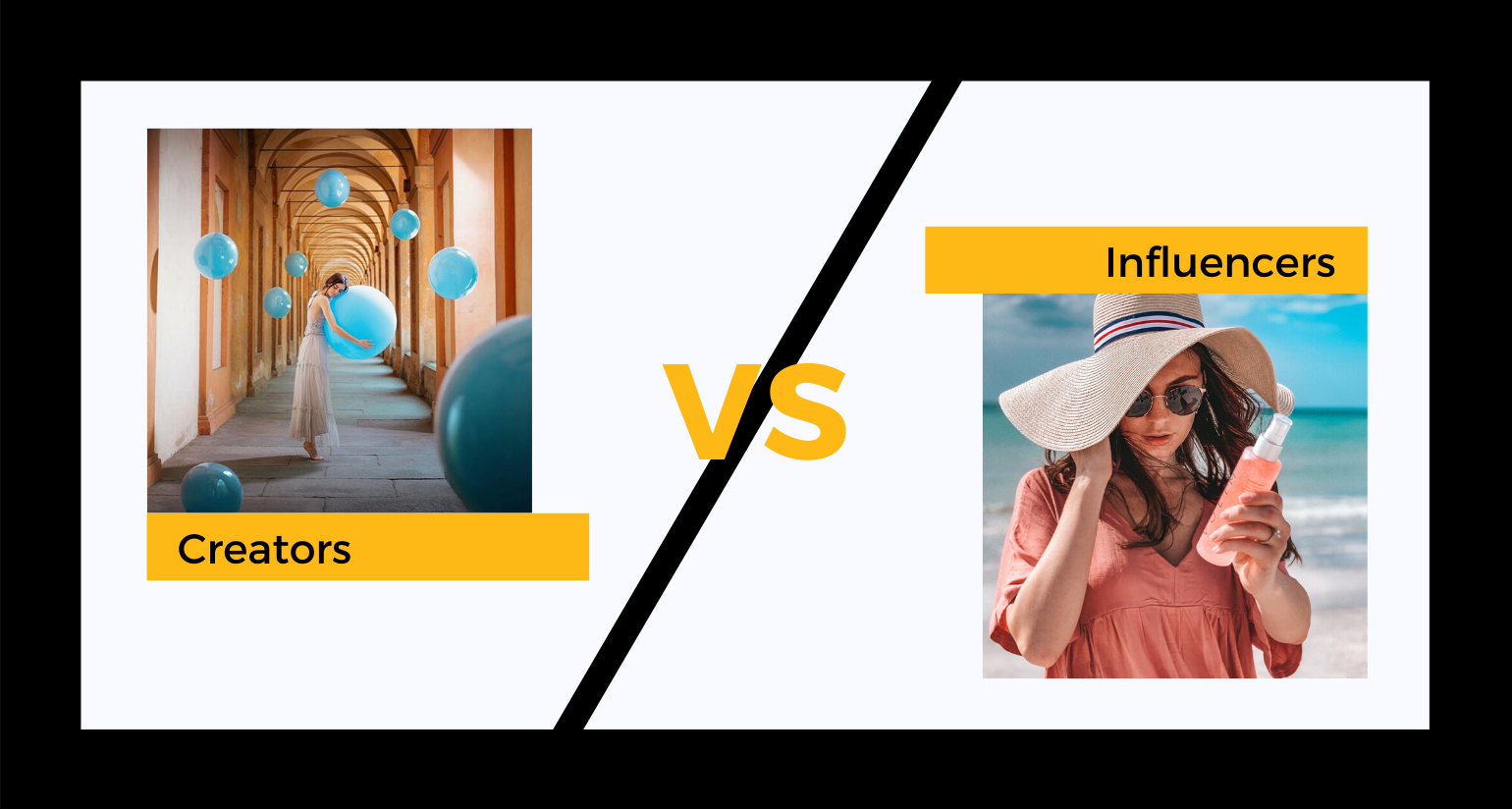
Many creators eventually evolve into influencers once they gain traction, but you don’t need to aim for influencer status to build a career.
Content Marketers vs. Content Creators
Another distinction worth noting:
- Content Marketers work within businesses to create branded content aimed at conversions.
- Content Creators may work independently, building a personal brand or community while monetizing through ads, sponsorships, or digital products.
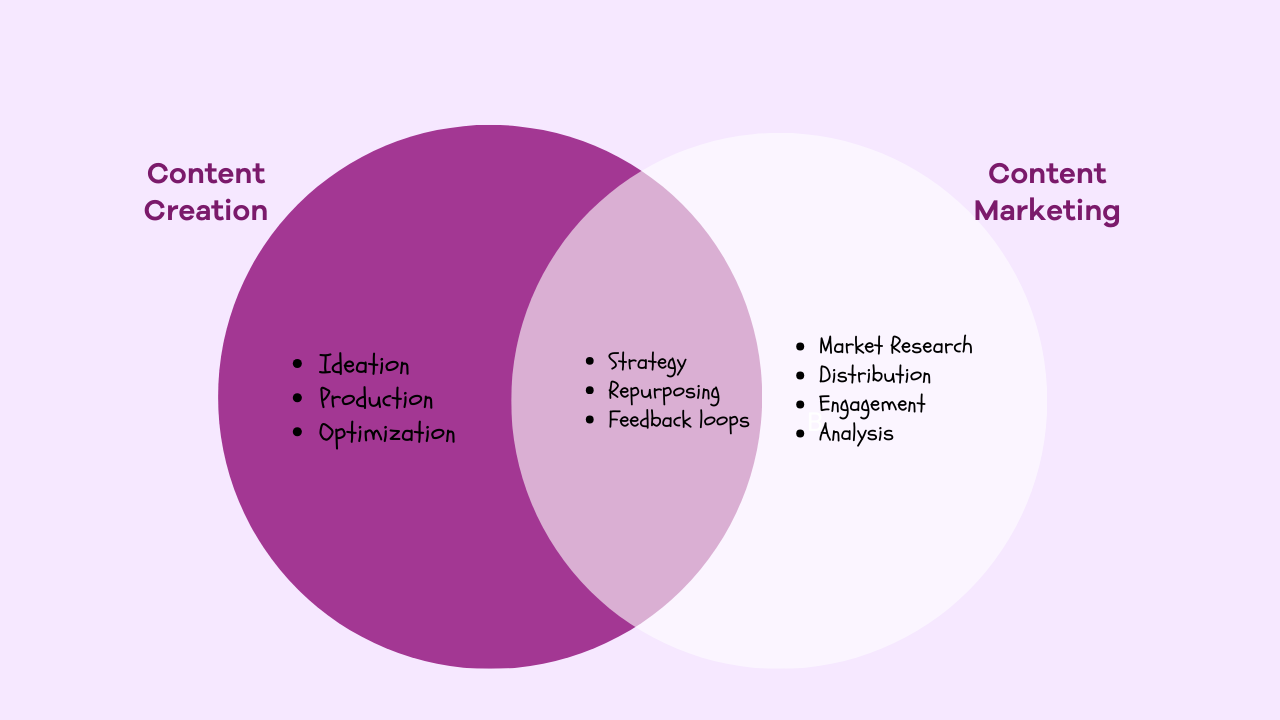
For beginners, this is encouraging you don’t need a marketing degree to start creating. You just need consistency and clarity in your audience.
Types of Content Creators
Not all creators follow the same path. Each type plays a different role in the digital ecosystem, and understanding where you fit is crucial to growth:
- Video Creators – The largest group, they thrive on TikTok, YouTube, and Instagram Reels, building audiences with storytelling, tutorials, vlogs, and entertainment.
- Writers/Bloggers – They create long-form content for blogs, Medium, or Substack newsletters. In 2026, newsletters remain one of the most profitable content types for independent creators.
- Podcasters – Audio creators who connect deeply with niche communities. With podcast listenership expected to reach 500M globally by 2026, this format continues to grow.
- Designers/Visual Storytellers – Infographics, memes, and carousel creators who dominate platforms like Instagram and Pinterest.
- Educators – Course creators, LinkedIn educators, or those who share niche expertise.
- Streamers – Creators on Twitch, Kick, and YouTube Live who thrive on gaming, commentary, and interactive experiences.
Key Takeaway: Pick the type of content that aligns with your personality and resources. It’s better to master one form before spreading yourself thin.
The Perception vs. The Reality
The myth of content creation often overshadows its reality.
- Perception: A glamorous lifestyle filled with free products, brand deals, and viral fame.
- Reality: Endless hours of editing, planning, and content that doesn’t always perform as expected.
In fact, a Linktree survey revealed that only 12% of creators earn enough to live off their content full-time. Most balance jobs, studies, or side hustles while trying to grow their platforms.
Being aware of this reality helps beginners approach content creation with realistic expectations and persistence.
What Types of Content Can a Creator Make?
Creators aren’t limited to one format, 2026 offers endless opportunities:
- Short-form video (TikTok, Instagram Reels, YouTube Shorts) – high engagement, easy to consume.
- Long-form video (YouTube tutorials, storytelling, vlogs) – builds trust and authority.
- Blogging & newsletters – excellent for SEO, email marketing, and thought leadership.
- Podcasts – growing rapidly with niche audiences.
- Infographics & memes – quick, sharable content for awareness.
- Digital products – eBooks, templates, and mini-courses for passive income.
Don’t chase every format. Pick 1–2 that match your skills and double down, then expand once you’ve built consistency.
Where Do Content Creators Post Their Content?
Your platform choice determines your audience reach:
- TikTok – Viral short-form content, perfect for visibility.
- Instagram – Visual-first: reels, carousels, and stories.
- YouTube – Long-form storytelling and evergreen tutorials.
- LinkedIn – Great for thought leadership, B2B growth, and networking.
- X (Twitter) – Quick commentary and threads to showcase expertise.
- Medium/Substack – Writers and bloggers can build loyal readers.
- Pinterest – Search-based traffic for visual and evergreen ideas.
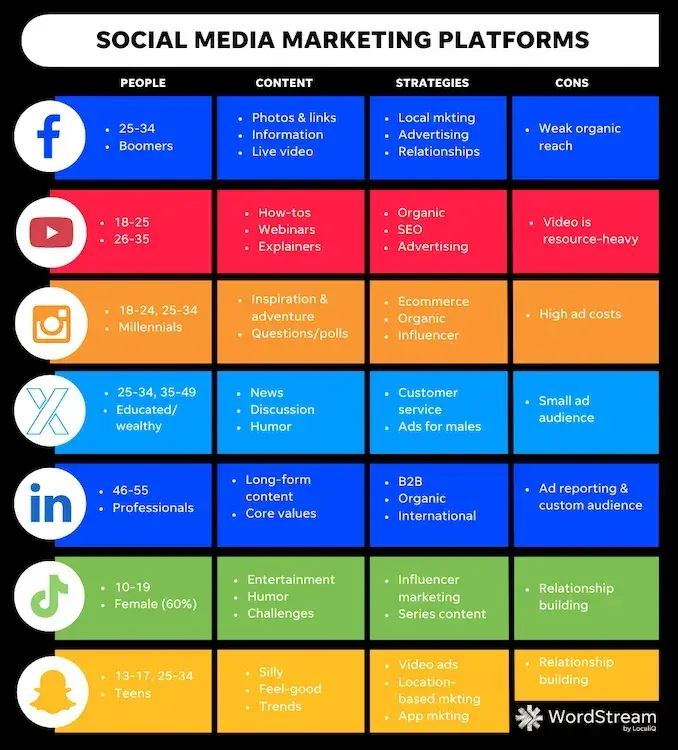
Instead of posting everywhere, start with the platform your audience already uses, then repurpose your content later.
The Business Behind the Scenes
What many don’t see: content creation involves strategy, planning, and tools. Creators build content calendars, batch-shoot videos, edit for hours, and track analytics. Behind every post lies strategy and systems:
- Content planning – Successful creators use content calendars to schedule posts and align with trends.
- Editing & repurposing – A single video might be repurposed into a blog, carousel, or podcast snippet.
- Analytics & insights – Tools like Google Analytics or Metricool help track performance.
- Partnerships & pitches – Creators spend time emailing brands, negotiating deals, and building professional proposals.
The creator economy is less about “luck” and more about structured workflows and consistent effort. Behind every polished post is often hours of invisible work.
Content Alone Won’t Pay the Bills
Content is just the first step. Monetization requires smart business thinking:
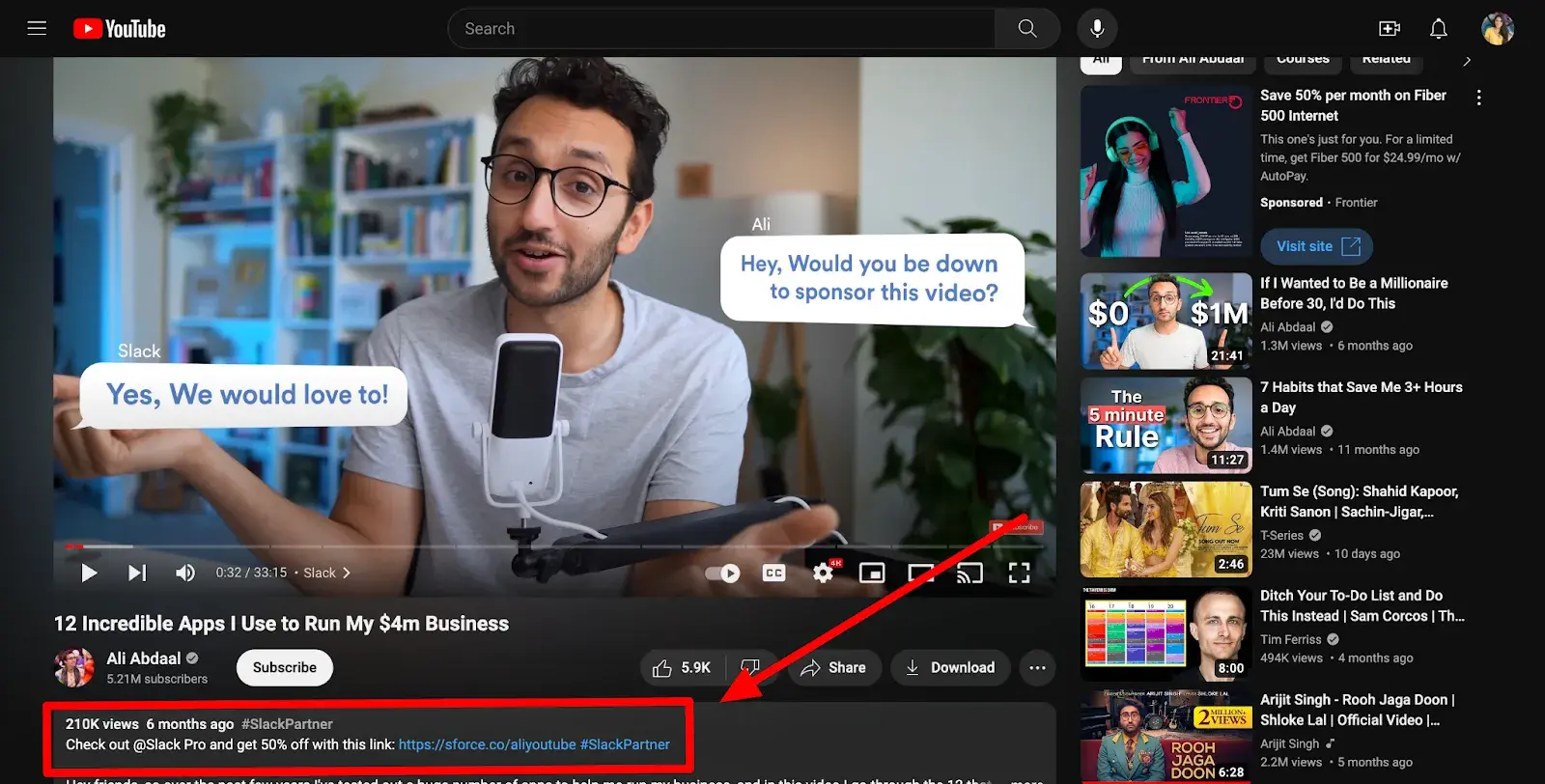
- Brand partnerships & sponsorships – Paid promotions from companies.
- Affiliate marketing – Earn commissions by recommending products.
- Digital products & courses – Templates, workshops, and guides.
- Consulting & coaching – Turn expertise into service-based revenue.
- Paid subscriptions – Patreon, Ko-fi, or Substack premium tiers.
Nearly 70% of creators monetize through multiple income streams (Source: Creator Economy Report, 2024).
Lesson? Relying only on ad revenue is risky. Diversify early.
Build multiple income streams early on so you’re not relying on one unpredictable source.
How to Become a Content Creator (with No Experience)
Here’s your step-by-step beginner guide, broken into clear actions:
Uncover Your Niche & Audience
Ask: What am I passionate about? Who do I want to serve?
Example: A fitness enthusiast might focus on “10-min home workouts for busy professionals.”
Hone Your Creativity
Learn the basics of design, editing, or storytelling.
Use tools like Canva, CapCut, or ChatGPT for faster output.
Choose Your Platform(s)
Pick one platform first, e.g., TikTok for reach, YouTube for authority, LinkedIn for B2B.
Create a Content Calendar
Plan weekly posts to stay consistent.
Even posting 3 times per week can grow your brand over time.
Invest in Necessary AI Tools
ChatGPT for writing, Grammarly for proofreading, Canva for design, Metricool for analytics.
Create Without Perfectionism
Don’t wait for the “perfect post.” Quantity helps you find what works.
Track Performance and Refine
Use free analytics tools to see what content resonates.
Create a Portfolio
Showcase your best content pieces on Notion, Behance, or a simple website.
Master your Brand Pitch
Craft professional pitches to brands once you’ve built consistency.
Stay Consistent
Growth compounds. 90% of creators quit too early because they expect overnight success.
7 Tips for Aspiring Content Creators
If you’re just starting out, these tips will help you grow smarter:
- Stay true to your niche – Don’t jump on every trend, stay aligned with your audience.
- Monitor your industry – Follow creators and news sources in your space.
- Sharpen your skills – Constantly learn editing, writing, or storytelling.
- Curate others’ content wisely – Share valuable content but add your perspective.
- Provide solutions, not noise – Focus on content that solves problems.
- Know your metrics – Track reach, engagement, and conversions.
- Network smartly – Collaborate with other creators to expand reach.
Bonus Tip: Treat your creator journey like a business, not a hobby.
Conclusion: ‘Create’ Your Own Destiny
The life of a content creator in 2026 isn’t just about chasing trends, it’s about discipline, consistency, and strategy. Behind every viral reel or perfectly designed carousel is hours of planning, editing, and testing.
But here’s the good news: you don’t need thousands of followers, expensive gear, or years of experience to start. You just need to take that first step.
Here’s your challenge: Publish one piece of content this week. Just one. Whether it’s an Instagram, YouTube, TikTok, a blog, or a LinkedIn post, put it out there.
Because the earlier you start, the sooner you’ll learn what works, refine your voice, and build your community.
Start your creator journey today. Don’t wait for the “perfect time” or “perfect content”.
The best way to grow is to begin. Need help staying consistent?
Subscribe to Digibble’s newsletter for weekly strategies, AI-powered content tips, and growth hacks tailored for new creators.
FAQs
What to do as a first-time content creator?
Start small. Pick a platform, create simple content, and stay consistent.
Can I be a content creator with no experience?
Yes, most creators start with zero experience, learning happens as you go.
What is the hardest part about being a content creator?
Consistency and overcoming creative burnout.
Are content creators depressed?
Many face burnout, but strong boundaries and breaks help.
How many hours do content creators work daily?
Beginners often spend 2 – 4 hours a day; full-timers can spend 6 – 10.
Can you make money as a beginner creator?
Yes, through affiliate links, freelancing, or small brand deals.
What platform is best for beginners?
TikTok and Instagram for fast growth; LinkedIn and YouTube for long-term authority.