
In 2026, Twitter (now rebranded as X) is no longer just a platform for sharing opinions and news, it has evolved into a powerhouse for creators, entrepreneurs, and small businesses looking to grow income online. With over half a billion monthly active users and direct monetization features, it’s now possible to turn a tweet into more than just likes, it can become an actual source of income.
From influencers selling digital products to small business owners promoting services, Twitter monetization has shifted from being an afterthought to a core income strategy. If you’re consistent, strategic, and creative, you can transform your profile into a revenue-generating engine without paying for ads.
This guide will walk you through how to turn your tweets into a revenue stream in 2026, from building an audience to implementing the best income strategies for your niche.
What Does Twitter Monetization Mean in 2026?
Twitter monetization simply means using your tweets, profile, and audience to generate income. The beauty of the platform is that you don’t need millions of followers, you just need the right audience who trusts your recommendations and enjoys your content.
Twitter monetization can be direct, through features like Tips, Subscriptions, and Ads Revenue Sharing or indirect, where you use Twitter to attract clients, sell products, or land sponsorships.
Why It’s Easier Now
- Creator-Friendly Tools: Twitter has rolled out built-in ways for creators to charge for exclusive content.
- High Viral Potential: One viral tweet can reach hundreds of thousands of people overnight.
- Diverse Revenue Streams: From digital courses to affiliate products, the platform supports multiple income strategies.
Twitter’s Rise: The Story Behind the Social Media Phenomenon
Twitter’s journey from a simple microblogging site to a global communication and monetization powerhouse is nothing short of remarkable. Understanding its evolution will help you see why monetizing tweets in 2026 is such a strong opportunity.
1. The Humble Beginnings (2006–2009)
Twitter started in 2006 as a platform for short status updates limited to 140 characters. Initially, it was used for casual conversations and personal updates, but it quickly caught the attention of journalists, tech enthusiasts, and early adopters for its real-time news-sharing capability.
2. The Rise of Real-Time Influence (2010–2015)
This period saw Twitter become the go-to platform for breaking news, political movements, and live event coverage. Major events like the Arab Spring and celebrity interactions cemented Twitter’s position as a hub for instant, global communication.
3. The Business & Brand Era (2016–2020)
Brands began using Twitter as a direct marketing tool, running hashtag campaigns, giveaways, and customer service channels. Influencers and small businesses realized they could grow their audience and credibility purely through engagement and quality content.
4. The Shift to Creator Monetization (2021–2023)
Twitter introduced features like Super Follows, Tips, and Spaces monetization, signaling its move toward supporting creators financially. This was a turning point, as people could now earn money directly from their audience without relying solely on external platforms.
5. The X Era: Expansion Beyond Tweets (2023–2025)
With Elon Musk’s rebranding of Twitter to X, the platform positioned itself as an “everything app”, integrating payments, video content, and subscription models. By 2026 it has become a full-scale creator economy hub where individuals and businesses can turn tweets into revenue streams through multiple income avenues.
Step-by-Step Guide: How to Turn Your Tweets Into a Revenue Stream
Turning your tweets into income isn’t about randomly posting promotional link, it’s about building authority, trust, and a clear monetization strategy.
Step 1: Build an Engaged Audience Before Selling
The foundation of Twitter monetization is audience engagement. Without it, monetization attempts can fall flat. Instead of immediately pushing offers, focus on building trust. Post consistently, reply to followers, and share valuable insights that make people want to come back for more.
Engagement-building tactics include:
- Posting 3–5 tweets daily at optimal times.
- Commenting on trending topics to increase visibility.
- Hosting polls, Q&As, or live Spaces to interact directly with followers.
- Creating a memorable personal brand voice that reflects your niche.
When your audience feels connected to you, they’re far more likely to support your monetized offers.
Step 2: Choose the Right Monetization Method for You
There’s no one-size-fits-all approach. Your monetization method should align with your audience type, niche, and strengths.
A) Direct Monetization via Twitter Tools
- Tips: Followers send you money directly through PayPal or Stripe.
- Subscriptions (Super Follows): Offer exclusive tweets, private chats, or premium guides for a monthly fee.
- Ads Revenue Sharing: Eligible accounts receive a portion of ad revenue based on impressions.
B) Brand Partnerships & Sponsored Tweets
Brands will pay you to promote their products or services if you have a targeted audience. Sponsored tweets work well for niche influencers and small businesses with loyal followings.
C) Affiliate Marketing on Twitter
This involves promoting products through affiliate links, earning a commission for each sale made through your link. It works best when you recommend products you’ve personally used and trust.
D) Selling Your Own Products or Services
You can use Twitter to drive traffic to your digital products, courses, coaching services, or e-commerce store. Well-crafted tweets can act as mini-advertisements that draw customers to your sales pages.
Step 3: Create High-Value, Shareable Tweets
Monetization success depends heavily on the quality and appeal of your tweets. People follow and engage with accounts that provide consistent value.
Effective content types include:
- Educational Threads: Step-by-step guides or industry insights that help your audience.
- Relatable Humor: Tweets that entertain while subtly building brand awareness.
- Case Studies & Success Stories: Share real results you’ve achieved for yourself or clients.
- Exclusive Tips: Information your audience can’t find anywhere else.
The goal is to create content that people want to retweet and share, increasing reach and potential revenue.
Step 4: Turn Viral Moments Into Long-Term Revenue
A viral tweet can boost your profile dramatically, but without a conversion plan, the spike in engagement can fade quickly. Make sure to:
- Keep your bio optimized with a clear link to your paid offers.
- Pin a tweet that promotes your best product, service, or subscription.
- Add a call-to-action in viral threads encouraging people to follow, subscribe, or visit your website.
Step 5: Track Performance and Optimize
You can’t improve what you don’t measure. Use Twitter Analytics to track which tweets generate the most engagement, clicks, and conversions.
Pay attention to:
- Posting times that deliver the highest engagement.
- Tweet formats (threads, single tweets, media posts) that work best.
- Links and CTAs that drive sales.
Regularly reviewing performance allows you to adjust your strategy for maximum income potential.
Real-World Examples of Twitter Monetization
1. Sahil Bloom: Education-Based Income Streams
Sahil built a massive audience through detailed threads on personal growth and business. He monetizes via a paid newsletter, online courses, and brand sponsorships all fueled by his Twitter following.

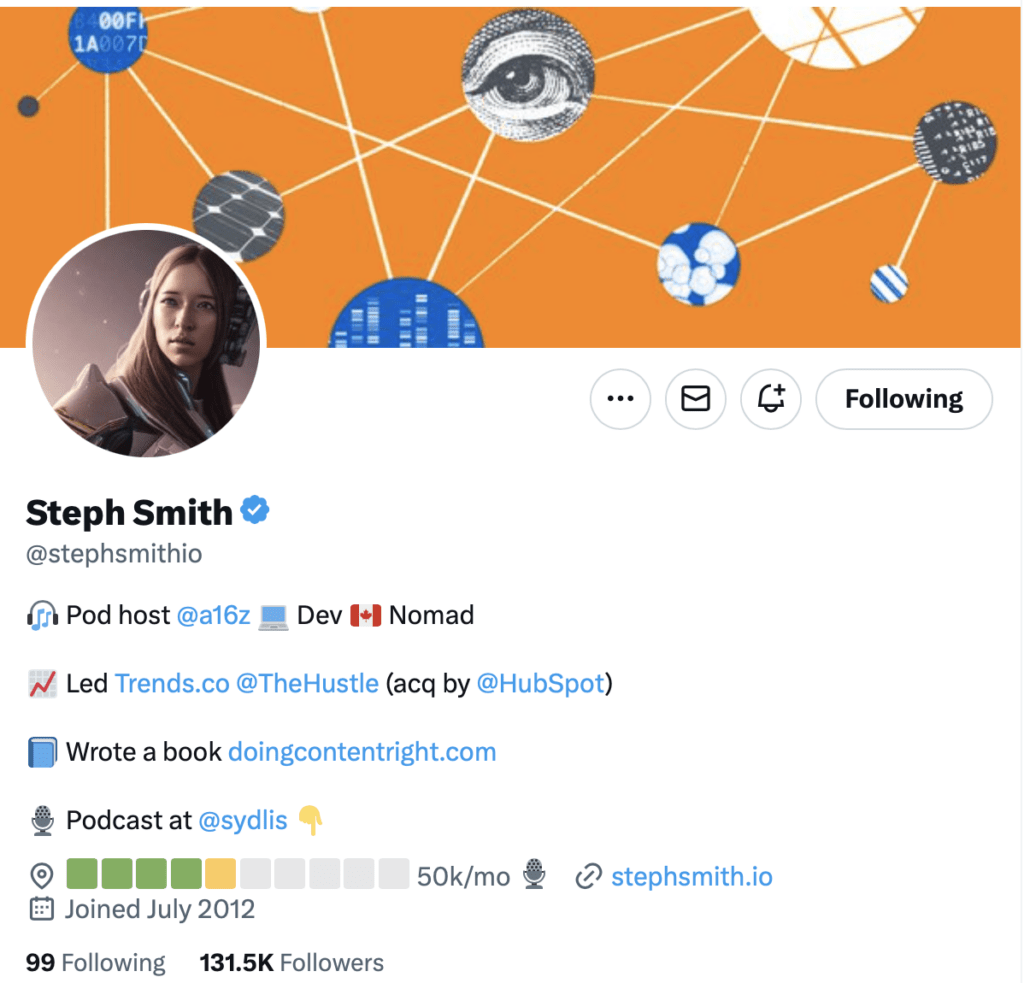
2. Steph Smith: Authority to Client Growth
Steph shares high-value marketing tips and industry insights. This consistent value attracts consulting clients and sells her digital guides without paid advertising.
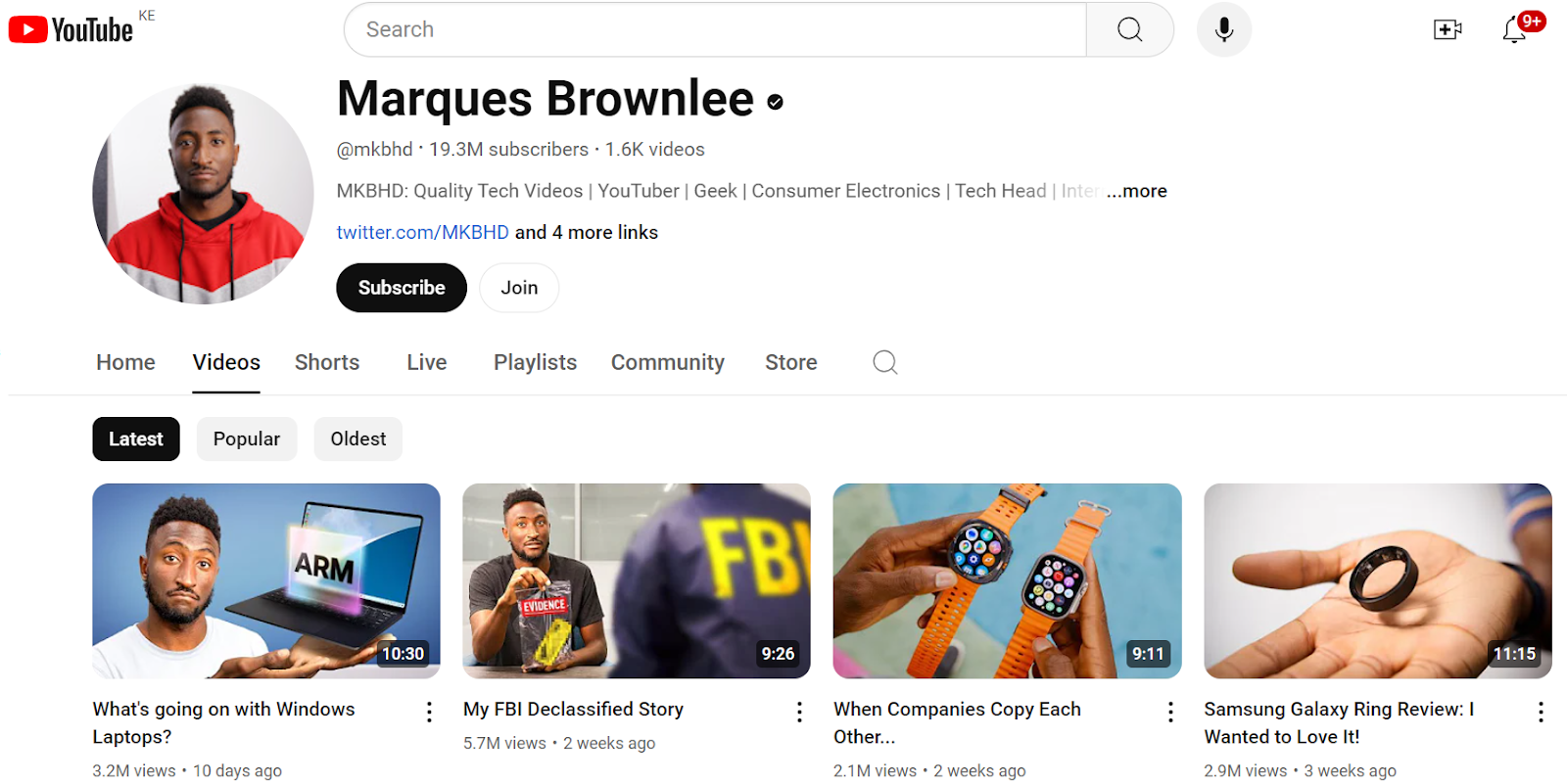
3. Marques Brownlee (MKBHD): Affiliate Links & Cross-Platform Sales
Marques uses Twitter to share product reviews and affiliate links, while also promoting his YouTube channel where sponsorships and ads generate significant revenue.
Common Mistakes to Avoid in Twitter Monetization
- Over-promoting: Constant selling without value leads to unfollows.
- Partnering with irrelevant brands: Damages audience trust.
- Ignoring replies and comments: Reduces engagement and visibility.
- Copying other creators: Audiences value authenticity over imitation.
Conclusion: Your Tweets Can Be Your Income Source
In 2026, Twitter is no longer just a place for quick thoughts or trending hashtag, it’s a marketplace of ideas, influence, and income opportunities. The platform’s evolution from a microblogging tool to a creator-driven business hub means that if you have something valuable to share, you also have the power to turn that value into revenue.
The difference between accounts that make money and those that don’t often comes down to consistency, engagement, and strategy. If you can build trust, offer real value, and align your monetization approach with your audience’s needs, there’s no reason your tweets can’t become a steady income stream.
Here’s your challenge: Post consistently for the next 30 days, focus on engagement over selling, and add at least one monetization method to your profile.
Need expert help building your Twitter strategy and monetizing your content?
At Digibble, we specialize in social media strategy, content creation, and brand growth that helps you stand out and earn more online. Let’s work together to turn your Twitter into a revenue-generating machine, contact us today!
FAQs
Can I monetize Twitter with under 1,000 followers?
Yes. Focus on affiliate marketing, niche consulting, or selling services until your audience grows.
What’s the fastest way to earn from tweets?
Affiliate marketing and direct services tend to produce quicker results than sponsorships.
Do I need to join Twitter’s Partner Program to make money?
No. Many earn through brand deals, digital products, and off-platform sales without it.
How often should I promote paid offers?
Use the 80/20 rule 80% valuable content, 20% promotion.
What type of tweets perform best for monetization?
Educational threads, problem-solving tips, relatable humor, and product reviews.
Can small businesses benefit from Twitter monetization?
Absolutely. Many use Twitter to generate leads, customer relationships, and sales.
How do I find brands for sponsorships?
Start by tagging brands in relevant tweets, networking in industry spaces, and using influencer marketplaces.
Is Twitter monetization sustainable long-term?
Yes, as long as you diversify income streams and maintain consistent engagement.