
Every brand dreams of going viral, but in 2026 virality doesn’t come from ads, it comes from advocacy. The most successful startups and creators aren’t shouting louder; they’re listening closer. They’re building communities that grow their brands from the inside out.
In an era where 76% of consumers say they trust “people like them” more than ads, community-led growth has become more than a trend. It’s a survival strategy. Whether you’re a SaaS founder, a digital creator, or a small business owner, your first 100 fans can make or break your long-term success.
Think about it; these first few people don’t just buy your product; they believe in it. They become your beta testers, storytellers, and your biggest cheerleaders. The early Notion users built dashboards for others. The first Figma users ran workshops. The first 100 didn’t just consume, they created momentum.
So, what exactly is community-led growth, and how can you use it to turn followers into loyal fans who do your marketing for you?
What Is A Community-Led Growth?
Community-led growth (CLG) is a business strategy where your brand’s growth is powered by the people who love it most. Instead of relying solely on paid marketing or sales teams, brands build loyal communities that spread awareness organically through word-of-mouth, user-generated content, and social proof.
This approach transforms users into advocates, people who actively engage, share, and invite others to join. When done right, the community becomes a self-sustaining growth engine, lowering acquisition costs and increasing retention.
According to a CMX report, 86% of brand communities say community involvement has improved customer trust and loyalty. That’s because communities create belonging. People aren’t just buying a product; they’re joining a movement.
Why The First 100 Fans Matter More Than The First 10,000
When you’re starting out, it’s tempting to dream of hitting massive follower milestones. But the truth is, your early supporters are the ones who build your momentum. They give feedback, test your offers, and become your first advocates.
These initial fans help shape your brand’s story in real time. They provide honest input, share testimonials, and even help attract your next 1,000 followers through word of mouth. According to Kevin Kelly’s famous “1,000 True Fans” theory, you don’t need millions to make a living, just a small, engaged group who loves what you do and is willing to support your journey consistently.
Think of your first 100 as the beta testers of your brand’s identity. They set the tone for your culture, engagement style, and even the direction your content takes. If you nurture them right, they become your brand ambassadors, not because they’re paid to, but because they genuinely care.
Community-Led Growth vs Product-Led Growth vs Sales-Led Growth
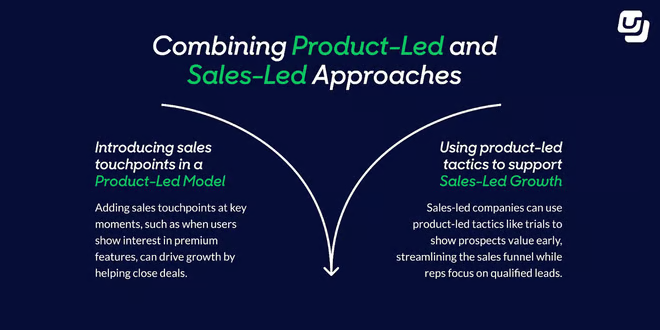
To understand community-led growth, let’s compare it with other common growth models:
|
Growth Model |
Primary Driver | Key Benefit | Example Brands |
| Sales-Led | Sales team | High-touch, relationship-based | Oracle, IBM |
| Product-Led | Product experience | Scalable, self-serve onboarding | Zoom, Dropbox |
| Community-Led | User advocacy & trust | Low CAC, high engagement | Notion, Figma |
While sales-led growth focuses on direct selling and product-led growth relies on the product itself to attract users, community-led growth thrives on relationships. It’s powered by the users, people who build, teach, and promote because they genuinely believe in your brand’s mission.
The Evolution Of Community-Led Growth
Community isn’t new. bBt how it drives business is. Decades ago, customer loyalty was built through local connections. Then came social media, where brands built audiences.
Now, we’ve entered a new era, one where audiences aren’t enough. People want belonging. They want to be part of something that reflects their identity.
Modern brands like Figma, Notion, and Webflow have mastered this. They didn’t just market products; they empowered people to co-create and collaborate. Instead of building for users, they built with them.
A recent report by HubSpot found that brands with strong online communities grow 2x faster and retain customers 50% longer than those without. This proves that sustainable growth now begins at the grassroots with people who feel emotionally invested.
Why Community-Led Growth Matters In 2026
As ad costs rise and consumer trust declines, relying solely on paid reach is no longer sustainable. Brands need to invest in relationships, not impressions.
In 2026, we’re seeing a major shift from transaction-driven marketing to connection-driven marketing. Communities bridge this gap. They humanize your brand, creating conversations instead of campaigns.
Let’s break down the key benefits that make community-led growth the smartest long-term play.
Benefits of Community-Led Growth
1. Reduced Customer Acquisition Cost (CAC)
Paid ads might give you reach but communities give you retention. When your customers bring in other customers, your CAC drops dramatically.
According to a Wyzowl report, 92% of consumers trust recommendations from peers more than any other form of advertising. Every satisfied member becomes a micro-influencer for your brand, driving organic growth.
Reward and highlight community advocates publicly. Recognition strengthens belonging and belonging sparks more advocacy.
2. Increased Brand Loyalty And Trust
People don’t stay loyal to brands; they stay loyal to people and shared values. Community-led environments allow members to feel seen and heard, which builds trust faster than any campaign could.
Think of it as emotional retention when members contribute, they feel part of something bigger. This translates into stronger customer lifetime value (CLV) and lower churn rates.
Key Insight:
McKinsey’s 2024 consumer report shows that brands with active communities retain 70% of their customers annually, compared to 40% for those without.
3. Scalable Customer Support And Real-Time Feedback
A thriving community becomes your greatest support system. Members help each other solve issues, share experiences, and provide feedback often faster than your internal team.
This peer-to-peer interaction not only saves resources but also helps your product evolve with real-world input.
Integrate community discussions into your product roadmap. Users feel valued when they see their feedback implemented.
4. Amplified Advocacy And Organic Referrals
The most powerful marketing channel isn’t a paid ad, it’s a passionate user telling their friends.
When your community members become storytellers, they organically create social proof. This ripple effect is the foundation of advocacy marketing.
Referred customers have a 37% higher retention rate than non-referred ones (Deloitte, 2024).
5. Accelerated Onboarding And Peer-Led Activation
Communities are the fastest path to adoption. New members learn best from other users who have walked the same path.
For instance, Webflow’s user-led tutorials and Figma’s community design files have helped new users experience “aha moments” within hours instead of days.
Pro Tip:
Encourage your community to create “getting started” content. User-led education scales faster and feels more authentic.
Key Components Of A Community-Led Growth Strategy
To build a thriving community that fuels growth, consider these essential elements:
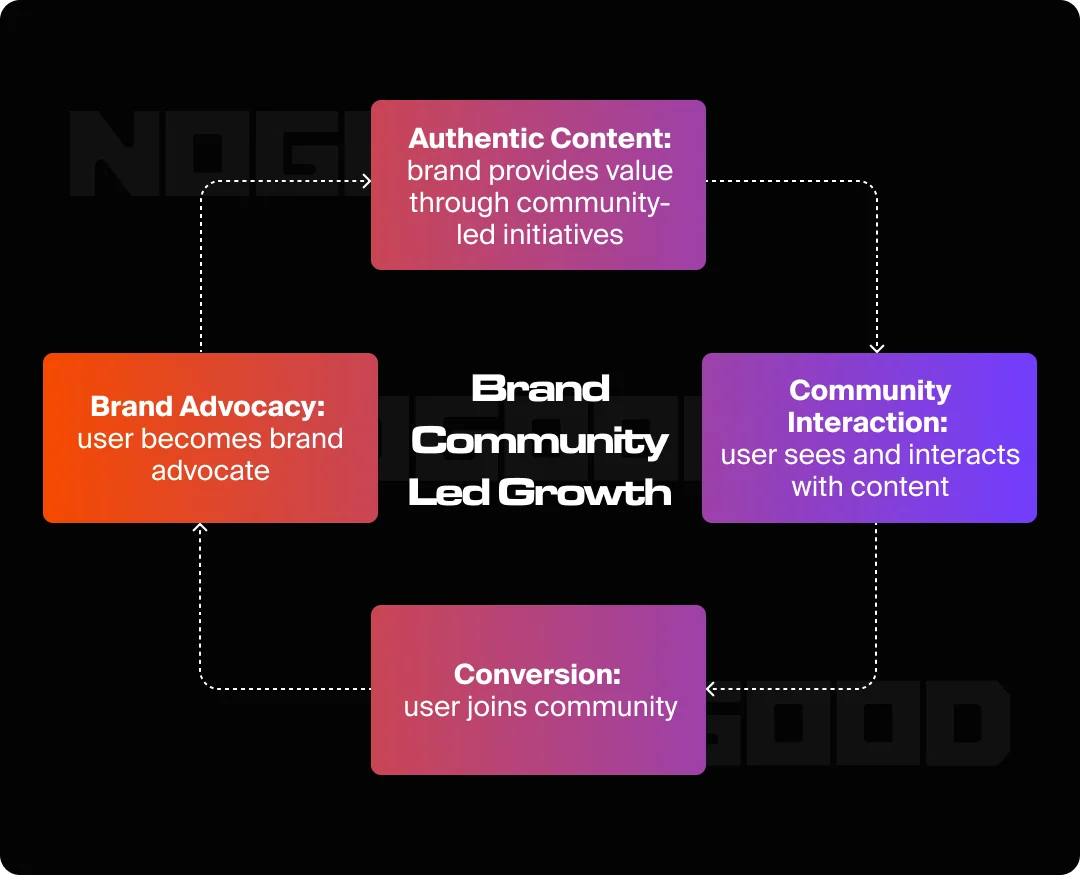
Building a thriving community requires more than opening a Discord or Slack group, it requires purpose and participation.
A strong CLG strategy has four key pillars:
Creation → Participation → Advocacy → Expansion
Creation
Start with a clear mission. Why should people gather around your brand? Define your purpose before your platform.
Participation
Keep engagement consistent through events, AMAs, challenges, or shared projects. The goal is to make participation habitual.
Advocacy
Empower your users to become your voice. Feature them in newsletters, highlight their stories, and let them take ownership.
Expansion
As advocates attract new members, the community grows organically driving an ever-expanding circle of trust and growth.
What Are The Biggest Challenges Of Community Building?
Let’s be real, not every brand nails it on the first try. Building community takes patience, authenticity, and clarity.
Some of the biggest hurdles include:
- Low engagement: Solved by consistency and interactive formats.
- Scaling authenticity: As you grow, ensure your tone stays human.
- Balancing control: Communities should be guided, not controlled.
Community managers are your secret weapon. They’re not moderators, they’re relationship architects.
Community-Led Trends To Watch In 2026 And Beyond
The future of CLG is exciting and rapidly evolving. Here are key trends shaping the landscape:
- Micro-Communities: Niche tribes with high engagement rates are outperforming larger, generic groups.
- Creator-Led Communities: Solopreneurs are building ecosystems around their expertise.
- Gamified Engagement: Brands are using challenges, points, and badges to keep participation fun and rewarding.
- Decentralized Platforms: With privacy concerns rising, communities are shifting toward private spaces like Geneva and Circle.so.
Community-Led Growth Examples From Real Brands
The best way to understand the power of community-led growth is to see it in action. These innovative brands didn’t just build products, they built ecosystems where users feel empowered, connected, and inspired to contribute. Here’s how they turned customers into communities and communities into catalysts for exponential growth:
Notion: Empowering Users To Lead The Movement
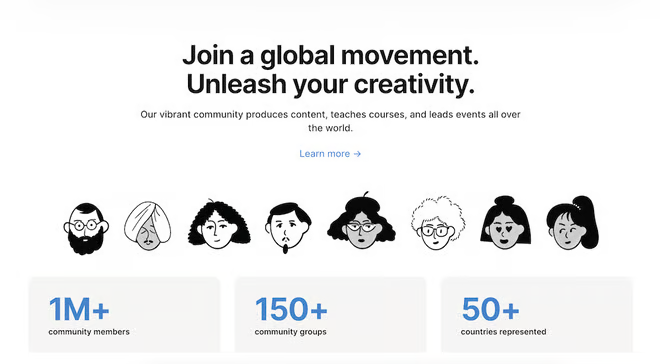
Notion’s growth story is a masterclass in community-first thinking. The Notion Ambassador Program turned users into educators and creators, leading global meetups and tutorials. Today, thousands of Notion-made templates circulate online, boosting onboarding and brand visibility organically.
Figma: Designing A Network Of Shared Creativity
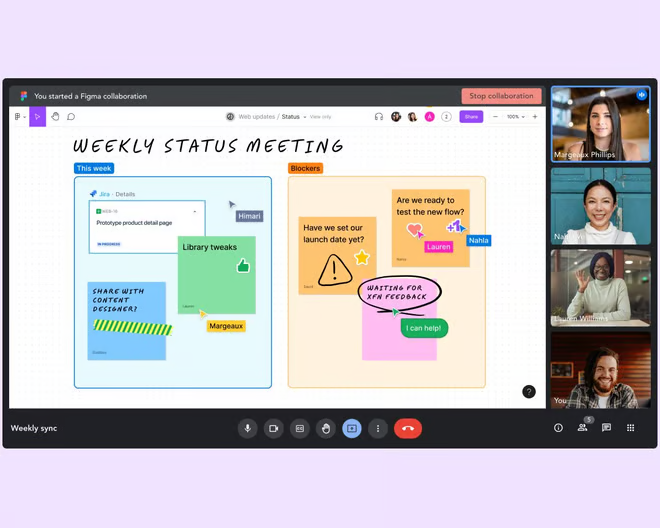
Figma didn’t just make a tool. They made collaboration a culture. Through “Design Jams” and open community files, designers across the globe contribute and learn together. This openness fueled viral adoption and made Figma the go-to platform for creatives.
Duolingo: Turning Users Into Language Champions
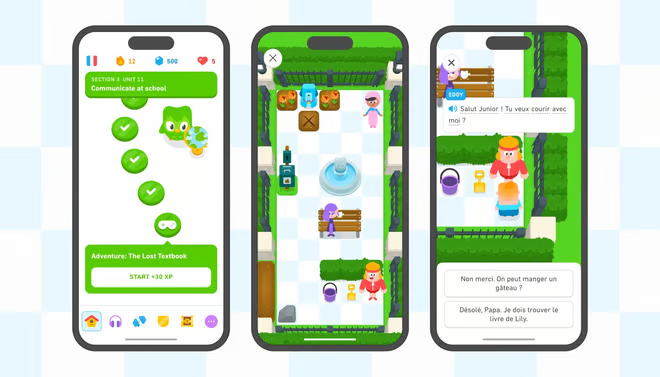
Duolingo made learning social. By adding clubs, leaderboards, and shared goals, they built friendly competition and peer motivation. This community approach turned daily users into advocates and learners into teachers.
Webflow: Fueling A No-Code Revolution
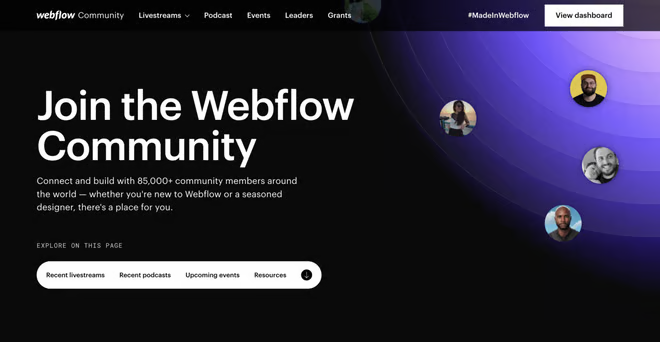
Webflow’s forum, university, and showcase galleries became creative ecosystems where users share projects and mentor others. By giving their users the stage, Webflow cultivated trust, advocacy, and a movement around no-code design.
Final Thoughts: Why You Should Embrace The Shift
In 2026, the brands that will thrive aren’t the ones with the biggest ad budgets. They’re the ones with the deepest connections.
Your first 100 fans are your future ambassadors, beta testers, and storytellers. Nurture them like partners, not prospects. Build conversations before campaigns, and loyalty before leads.
Because when your community grows, your brand doesn’t just scale, it evolves.
Build smarter. Grow together.
If you’re ready to build a community that fuels your brand’s long-term growth, follow Digibble, where we help creators, startups, and small businesses turn engagement into an ecosystem.
FAQs
What Is The Definition Of Community-Led Growth?
It’s a strategy where users actively drive brand awareness, retention, and growth through engagement, trust, and advocacy.
What Are Some Real-World Community-Led Growth Examples?
Brands like Notion, Figma, Webflow, and Duolingo exemplify CLG with active, passionate user bases that build and share.
How Do I Build A Community-Led Growth Strategy?
Start small. Define your mission, pick the right platform, encourage contributions, and recognize your top members.
Why Do The First 100 Fans Matter Most?
They’re your foundation. Early fans validate your message, test your ideas, and amplify your voice authentically.
Is Community-Led Growth Scalable?
Absolutely. When nurtured right, communities grow organically, turning members into advocates who invite others.
How Do I Keep My Community Engaged Long-Term?
Consistency, transparency, and appreciation are key. Keep communication open and give members reasons to return.
What Metrics Should I Track For Community Growth?
Monitor engagement rate, member retention, referral activity, and contribution volume for meaningful insights.
Can Community-Led Growth Replace Paid Marketing?
Not entirely, but it can reduce your dependency on it while building sustainable, authentic reach.