

Marketing today moves fast. If you’re manually handling every email, social post, and lead funnel, you’re wasting valuable time and losing money. As digital platforms grow more complex, businesses need smarter, more efficient systems to stay ahead. Whether you’re a solo entrepreneur, a freelancer juggling multiple roles, or a small business owner with limited staff, marketing automation tools can help you do more with less.
According to a recent report by HubSpot, 76% of companies that use marketing automation generate a return on investment within the first year, and 80% of marketers report an increase in leads thanks to automation tools (HubSpot State of Marketing, 2024). These numbers reflect how essential automation has become in modern marketing strategies, especially for small and mid-sized businesses.
These tools not only help you automate marketing campaigns but also provide insights into what’s working and what needs improvement. With the right automation solution, you can focus on strategy and creativity instead of repetitive tasks. In this blog, we’ll explore the top 7 marketing automation tools in 2026 that help save time, increase ROI, and transform your marketing approach.
What Are Marketing Automation Tools?
Marketing automation tools are software platforms that streamline, automate, and measure marketing tasks and workflows. Their purpose is to increase operational efficiency and grow revenue faster. Think of them as virtual assistants for your marketing team, handling repetitive tasks like email follow-ups, social media scheduling, lead scoring, and even customer segmentation.
These tools leverage features like CRM integration, AI-driven insights, automated workflows, and campaign tracking to ensure you’re not just reaching your audience but engaging them meaningfully. By reducing the need for manual effort, they free up time for strategy, innovation, and personalization, key components for successful marketing in 2026.
Why You Need Marketing Automation
The marketing landscape is evolving rapidly, and staying competitive means keeping pace with technology. Manual marketing practices are time-consuming, error-prone, and difficult to scale. Here’s why automation is essential today:
- Efficiency: Automate repetitive tasks to free up time for creative strategy.
- Scalability: Grow your business without proportionally increasing your team size.
- Consistency: Ensure your brand voice and messaging remain uniform across channels.
- Personalization: Deliver targeted content based on user behavior and data.
- Analytics: Gain insights into customer journeys, engagement rates, and ROI.
Marketing automation is not just a trend, it’s a necessity for brands looking to thrive in the digital era.
What Are the Benefits of Marketing Automation?
1. Cross-Departmental Collaboration
Marketing automation platforms with CRM and sales tools allow your marketing and sales teams to collaborate effortlessly. When everyone shares a unified view of customer interactions, follow-ups become more strategic, and there’s less duplication of efforts. This shared ecosystem boosts both lead quality and conversion rates.
2. Save Time and Money
Automated workflows reduce the time spent on manual tasks such as sending emails, scheduling posts, or segmenting contact lists. According to a Salesforce study, marketers who use automation report a 30% reduction in marketing overheads. This leads to increased efficiency and allows small teams to act like big ones.
3. Improved Budget Allocation
Marketing automation gives access to real-time analytics. You’ll know exactly which campaigns drive the most engagement or conversions. With this data, you can reallocate budgets toward high-performing channels, cutting back on wasted ad spend and maximizing results.
4. Monitor and Target Audiences
Through behavioral tracking, segmentation, and lead scoring, automation tools let you target the right people at the right time with the right message. You can create custom journeys for new leads, cold prospects, and loyal customers to nurture each group accordingly.
5. Be Consistent With Branding
Automation allows you to schedule and standardize your marketing output. Whether it’s a monthly newsletter or a product launch campaign, automation ensures consistency in voice, visuals, and frequency across platforms, reinforcing brand identity and trust.
The Rise of AI in Marketing Automation
Artificial intelligence (AI) is driving the next phase of automation. In 2025, the integration of AI across marketing platforms enables hyper-personalization, predictive analytics, and dynamic content creation. AI doesn’t just automate tasks, it helps make smarter decisions.
AI enhances automation tools by:
- Recommending subject lines and headlines based on engagement data
- Predicting the best time to send emails for individual users
- Creating dynamic product recommendations
- Auto-optimizing ad creatives and content
- Identifying churn risk and triggering re-engagement workflows
As a result, businesses using AI-powered automation can deliver more personalized, timely, and effective campaigns, ultimately increasing conversions and ROI.
Top 7 Marketing Automation Tools to Consider
1. Brevo (formerly Sendinblue)
Best For: Small businesses and solopreneurs
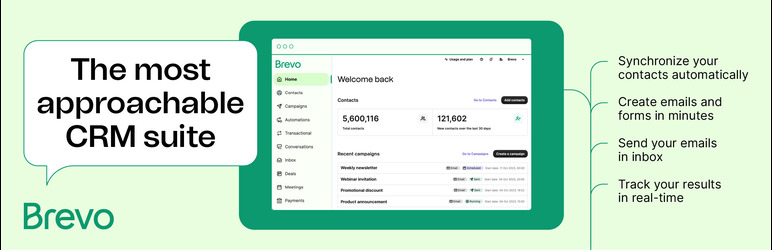
Key Features: Email marketing, SMS campaigns, CRM, automation workflows
Boosts ROI By: Automating lead follow-up and simplifying multi-channel marketing
Pricing: Free plan available; paid plans from $25/month
Pros: User-friendly, budget-friendly, GDPR-compliant
Cons: Limited templates and fewer advanced integrations
Brevo is ideal for small teams who need a reliable email marketing platform with built-in automation features. It’s a great starting point for those new to marketing automation.
2. HubSpot Marketing Hub
Best For: Growing businesses needing all-in-one solutions
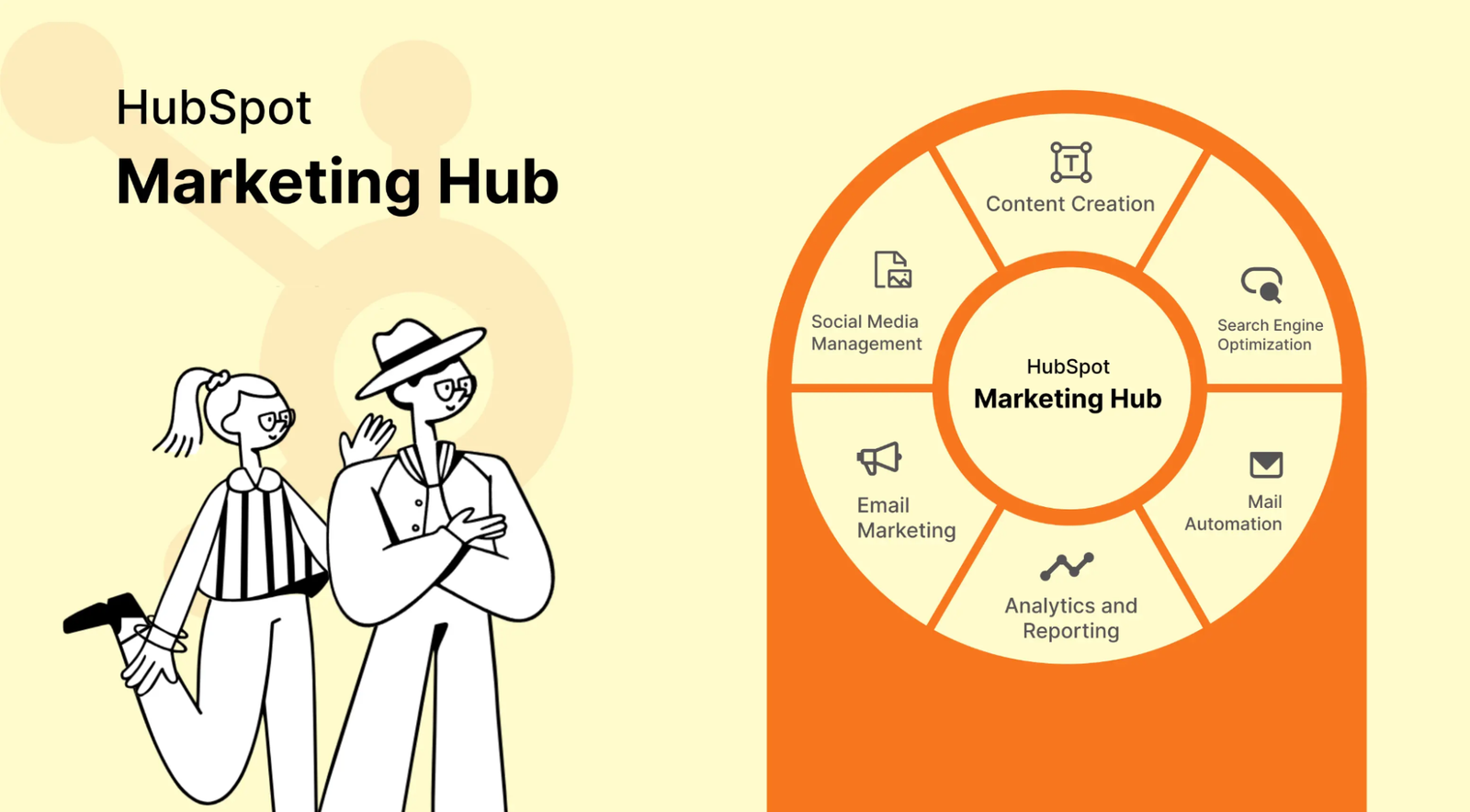
Key Features: CRM, landing pages, lead scoring, social media automation
Boosts ROI By: Streamlining marketing, sales, and service on one platform
Pricing: Free tier; premium starts at $45/month
Pros: Scalable, rich features, robust analytics
Cons: Gets expensive as your contacts or features grow
HubSpot is a leader in inbound marketing. It provides a complete ecosystem for managing customer relationships, nurturing leads, and analyzing performance.
3. ActiveCampaign
Best For: Personalized email automation and customer journeys
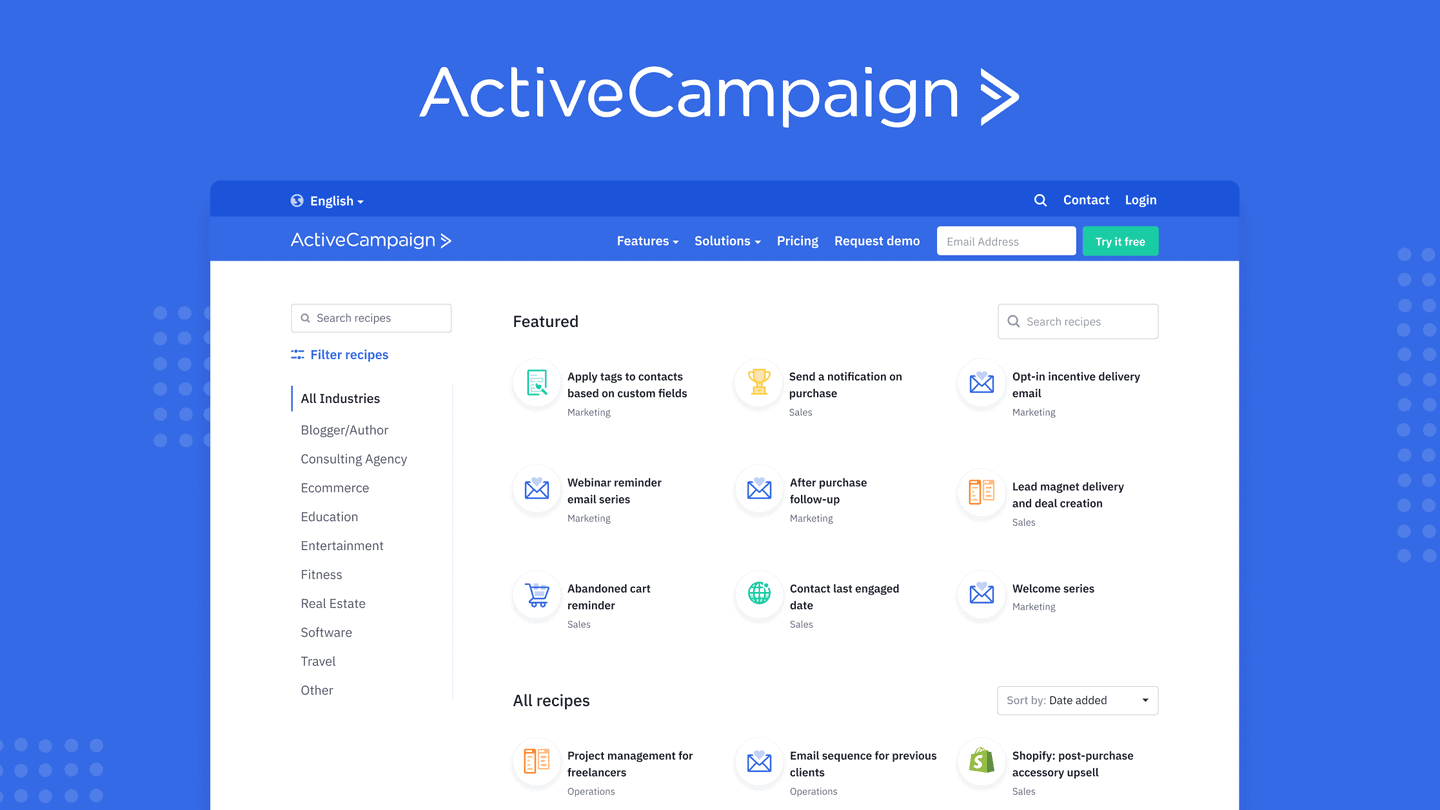
Key Features: Email automation, SMS, conditional workflows, machine learning
Boosts ROI By: Creating personalized customer experiences
Pricing: Starts at $29/month
Pros: Advanced automation, powerful segmentation
Cons: Requires onboarding to master its features
ActiveCampaign is powerful and best suited for businesses looking to create deep personalization in their marketing. It excels in behavior-based email sequences and audience segmentation.
4. Zapier
Best For: Custom automation between tools
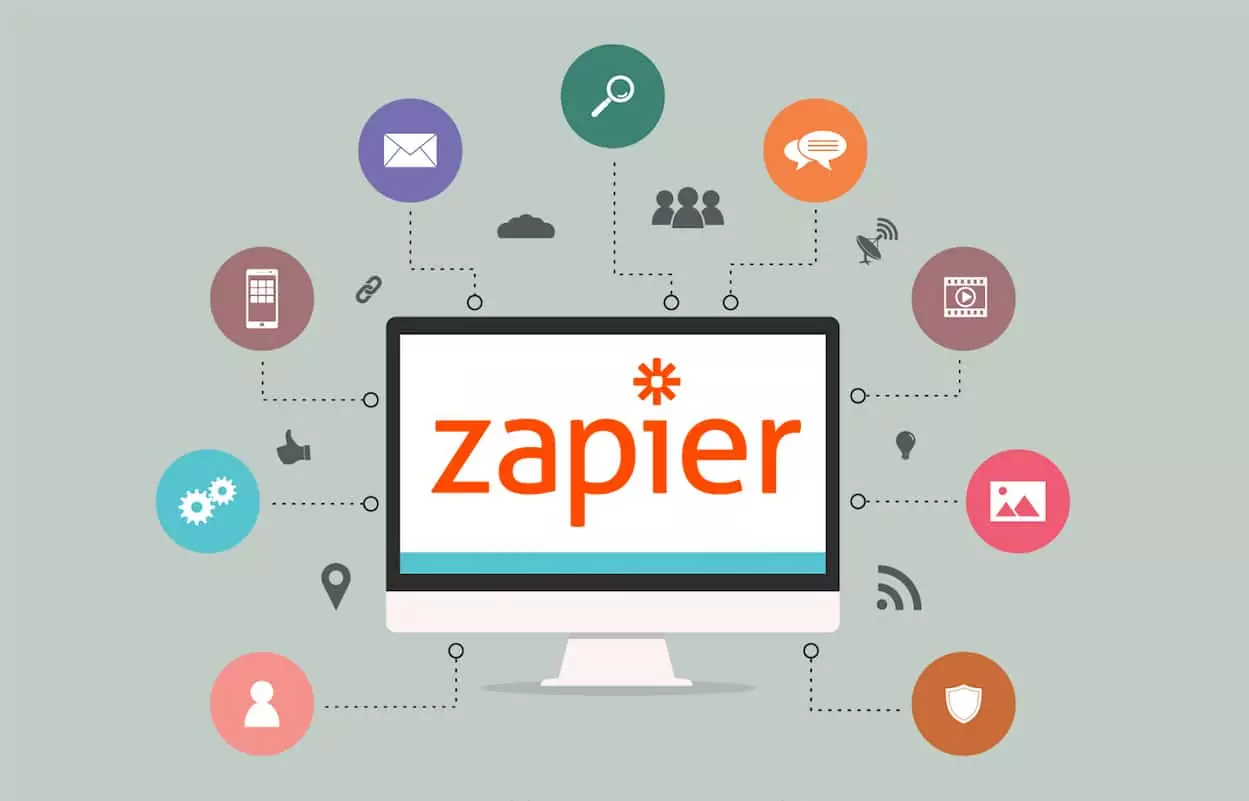
Key Features: Connects 6,000+ apps, automated workflows, event triggers
Boosts ROI By: Reducing manual data entry and connecting siloed tools
Pricing: Free tier; paid from $19.99/month
Pros: Versatile, easy for non-developers
Cons: Not a standalone marketing platform
Zapier is perfect for businesses that use multiple tools and need them to work together without code. It’s the “glue” that enables seamless data flow across platforms.
5. MailerLite
Best For: Freelancers and content creators
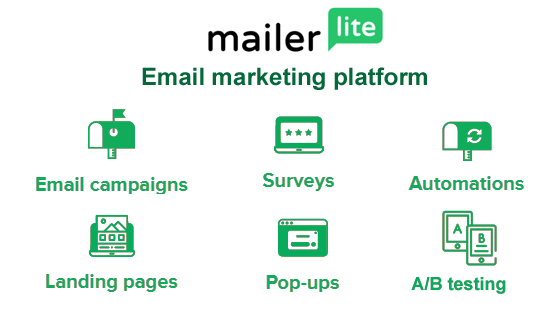
Key Features: Drag-and-drop email builder, landing pages, A/B testing
Boosts ROI By: Offering premium automation at a low cost
Pricing: Free for up to 1,000 subscribers; paid from $10/month
Pros: Clean interface, excellent support
Cons: Smaller app ecosystem
MailerLite is simple yet powerful. It’s perfect for creators and solopreneurs who need elegant automation without the complexity.
6. Zoho Marketing Automation
Best For: SMBs needing modular, customizable tools
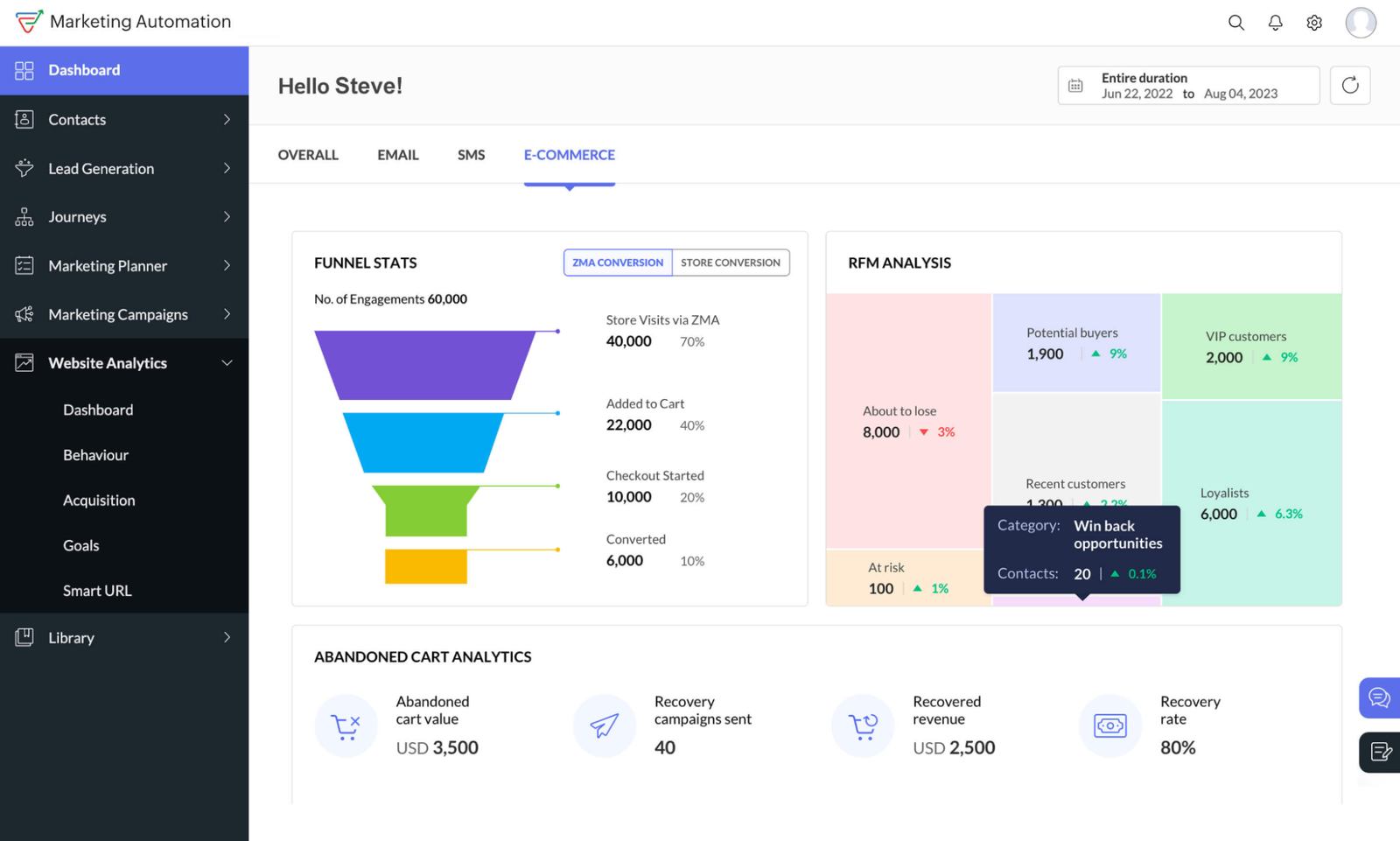
Key Features: Lead management, multichannel marketing, CRM sync
Boosts ROI By: Tracking and optimizing the full customer lifecycle
Pricing: Starts from $25/month
Pros: Customizable, affordable
Cons: UI can feel outdated
Zoho’s ecosystem is vast, and its marketing automation tool fits seamlessly into its CRM and business apps, ideal for those already using Zoho products.
7. GetResponse
Best For: E-commerce brands and webinar marketing
Key Features: Email marketing, funnels, webinars, autoresponders
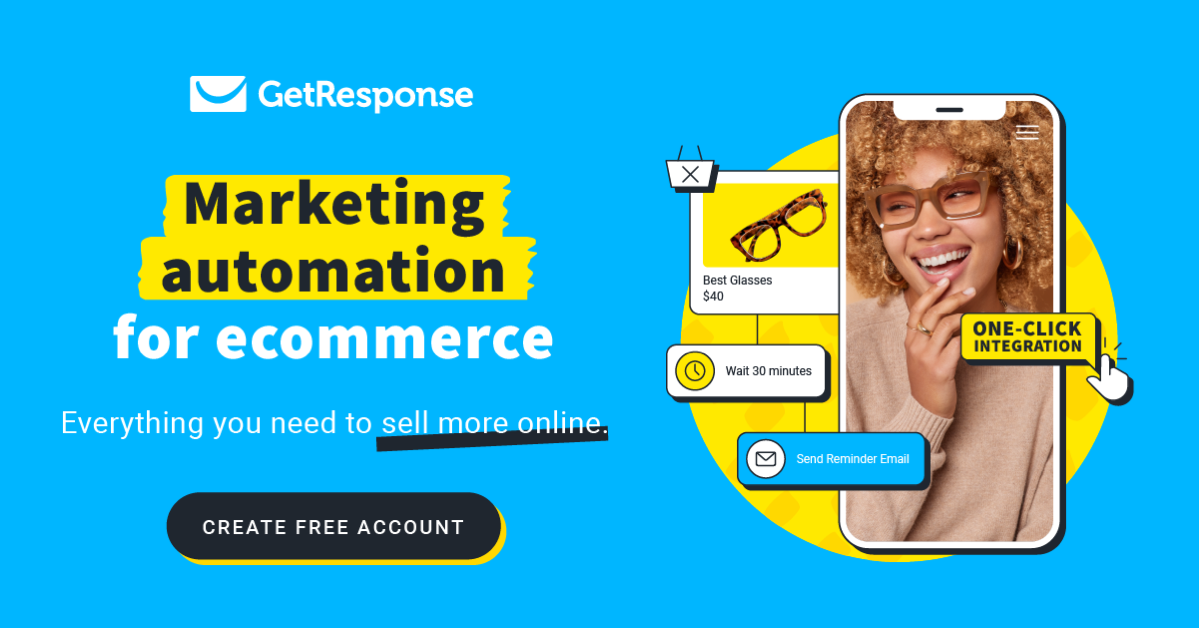
Boosts ROI By: Combining email, ecommerce, and conversion tools in one
Pricing: Free up to 500 contacts; paid from $15/month
Pros: All-in-one, supports webinars
Cons: Advanced features locked in higher tiers
GetResponse offers a balanced platform for businesses needing email, E-commerce, and customer nurturing under one roof.
Comparison Table
|
Automation Tools |
Best For |
Pricing |
| Brevo | Small businesses, solopreneurs | $25/month |
| HubSpot | All-in-one marketing | $45/month |
| ActiveCampaign | Personalization & email flows | $29/month |
| Zapier | Cross-platform integrations | $19.99/month |
| MailerLite | Freelancers & creators | $10/month |
| Zoho | SMBs with custom needs | $25/month |
| GetResponse | E-commerce & webinars | $15/month |
Conclusion
In today’s competitive market, automation is more than a productivity hack, it’s a growth strategy. Whether you’re trying to scale your email campaigns, improve lead conversions, or just get your time back, marketing automation is the smartest investment you can make in 2026.
From beginner-friendly tools like MailerLite and Brevo to more advanced platforms like HubSpot and ActiveCampaign, there’s a solution for every budget and need.
Ready to simplify your marketing and boost your ROI?
Let’s work together to find and implement the right automation strategy for your business. Contact us to schedule a free automation audit today.
FAQs
What is the best marketing automation tool for small businesses in 2026?
Brevo and MailerLite are top picks for their affordability, ease of use, and essential features.
Can automation really improve ROI?
Yes. Automation boosts lead generation, reduces manual workload, and ensures your campaigns are more targeted and efficient.
Are these tools suitable for freelancers?
Absolutely. MailerLite, Brevo, and Zapier are especially useful for solo entrepreneurs and freelancers.
Do I need to know how to code to use automation tools?
No. Most platforms use visual drag-and-drop builders and require no coding knowledge.
How do automation tools help with lead nurturing?
They send behavior-based emails, follow-up messages, and special offers to move leads through the funnel.
Are free plans sufficient to start with?
Yes. Most tools offer generous free plans ideal for testing before upgrading.
Can these tools integrate with my CRM?
Yes. Tools like HubSpot, ActiveCampaign, and Zoho offer native CRM integration.
What’s the difference between Zapier and others?
Zapier connects other tools, it doesn’t offer built-in marketing features like email or landing pages.